
Hazard Insurance: A Complete Guide For Homeowners 2025 Edition
Understand how hazard insurance protects a home’s structure, what it usually covers, and where it fits in a mortgage.
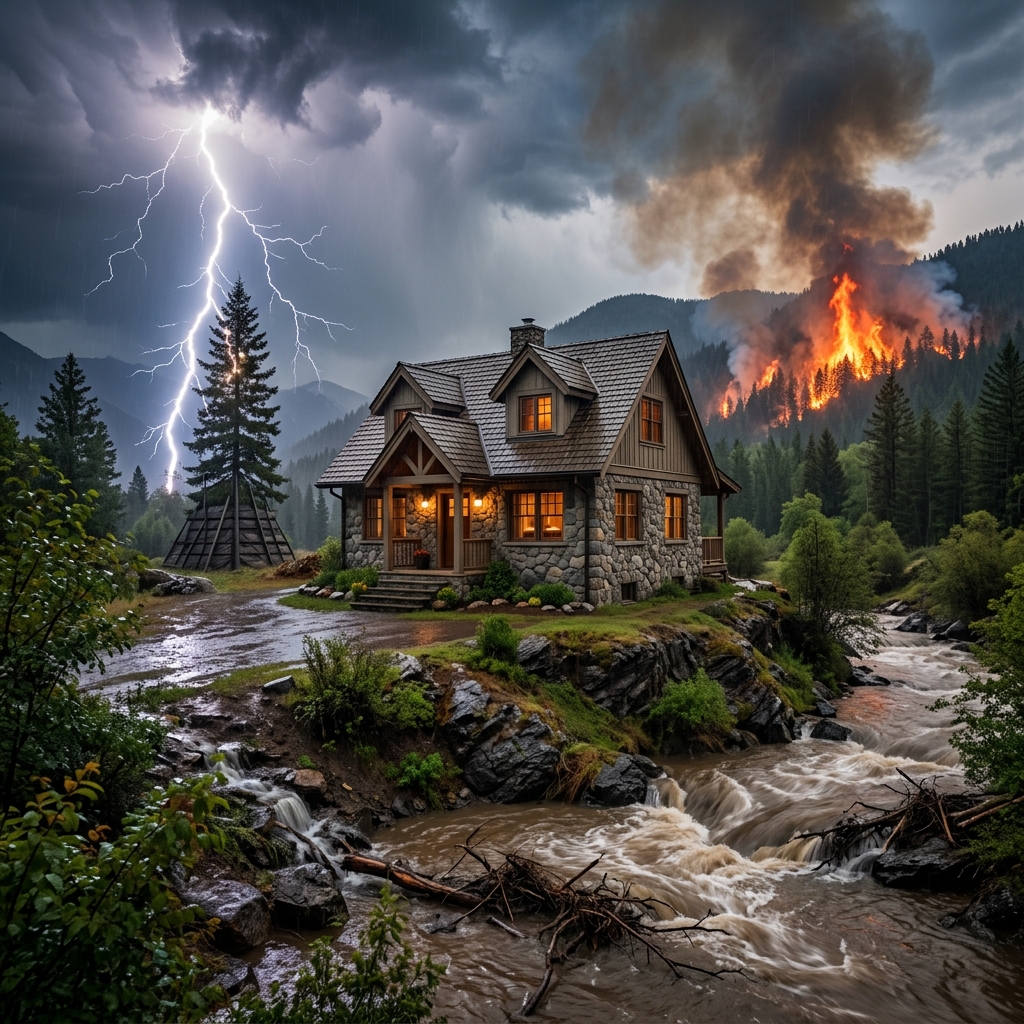
Hazard insurance is a term often used in mortgage lending to describe the part of a property insurance policy that protects the physical structure of a home. In practical terms, it helps pay for repairs or rebuilding when a covered event damages the house itself, such as a fire, windstorm, hail, or other perils listed in the policy. It is not a separate magic shield for every risk a homeowner faces; instead, it is usually a shorthand reference to dwelling coverage within a broader homeowners policy.
Because the phrase is used differently by lenders, insurers, and consumers, confusion is common. Some people use it to mean the entire homeowners policy, while others use it to describe only the dwelling portion that protects the building. The safest way to think about hazard insurance is as property coverage focused on the home’s structure, with the exact scope determined by the policy language and the lender’s requirements.
Why the Term Matters in Real Life
When a mortgage is involved, the lender has a financial interest in the home and wants to make sure the structure remains insurable. If a house burns down or is badly damaged, the lender needs confidence that the property can be repaired or that the loan can still be protected by insurance proceeds. That is why lenders commonly require borrowers to maintain hazard insurance for the life of the loan.
For homeowners, the practical value is straightforward: a major loss can be expensive, and repairs often run far beyond what most families can pay out of pocket. Hazard coverage helps reduce the risk of an unexpected disaster turning into a financial crisis. It is designed to restore the insured property, not to create a profit, which is consistent with the indemnity principle used in property insurance.
What Hazard Insurance Usually Covers
The details vary by policy, but hazard insurance generally covers direct physical damage to the dwelling caused by covered perils. Common examples include fire, lightning, wind, hail, explosion, theft-related damage to the structure, and some forms of accidental damage depending on the policy form.
- Dwelling repairs: Damage to walls, roofing, flooring, built-in fixtures, and other structural parts of the home may be covered if the loss comes from a covered peril.
- Rebuilding costs: If the home is severely damaged, the policy may help pay to rebuild the structure up to the policy limit.
- Related structural items: Attached garages, porches, and some permanently installed systems may be included when they are part of the dwelling definition in the policy.
- Additional living expenses: In many homeowners policies, temporary housing or other living costs may be covered if the home becomes uninhabitable after a covered loss, although this is usually separate from the core hazard concept.
The exact list of covered causes is critical. Insurance for property damage is not a blanket guarantee against every hazard imaginable. Many policies exclude floods, earthquakes, neglect, wear and tear, and intentional damage unless additional coverage has been added or a special policy applies.
What It Usually Does Not Cover
A common mistake is assuming hazard insurance protects against all losses involving a house. In reality, exclusions matter just as much as covered events. Standard homeowners policies and similar property policies often do not cover damage from flooding or earth movement unless separate coverage exists.
In addition, hazard insurance typically does not pay for ordinary maintenance problems. A roof that fails because it is old, a water heater that breaks due to age, or gradual deterioration from long-term neglect is usually outside the scope of coverage. Insurers generally look for sudden, accidental, and covered physical loss rather than slow wear or preventable damage.
Another important limit is that hazard insurance focuses on the structure, not necessarily on personal liability. If someone is injured on the property or if the homeowner causes damage to another person’s property, that issue is often handled by a different part of the homeowners policy, usually liability coverage.
How Hazard Insurance Differs From Homeowners Insurance
Hazard insurance and homeowners insurance are closely connected, but they are not always identical terms. Homeowners insurance is the broader policy package that often includes dwelling coverage, personal property protection, liability coverage, and loss-of-use benefits. Hazard insurance, by contrast, usually refers to the portion of that package that protects the home’s physical structure.
| Feature | Hazard Insurance | Homeowners Insurance |
|---|---|---|
| Main focus | Physical structure of the home | Structure, belongings, liability, and living expenses |
| Typical use | Lender and mortgage context | Full residential property protection |
| Coverage scope | Dwelling and structural damage from covered perils | Broader package including contents and liability |
| Common exclusions | Flood, earthquake, wear and tear | Also subject to exclusions, but broader overall |
In everyday conversation, many people say hazard insurance when they really mean homeowners insurance. The distinction matters most when reviewing loan documents or discussing what a mortgage servicer requires. If the question is whether a policy satisfies the lender, the dwelling coverage amount and covered perils are usually the key issues.
Why Lenders Require It
A mortgage lender is not just financing a borrower; it is also taking a risk on the property. If the property is destroyed and uninsured, the lender’s collateral could lose much of its value. Hazard insurance helps protect that collateral by ensuring that the home can be repaired or rebuilt after a covered loss.
For that reason, lenders may require proof of coverage before closing and may continue to monitor the policy afterward. If the borrower lets coverage lapse, the lender can take steps to protect its interest, sometimes including force-placed insurance. That kind of insurance is usually more expensive and may offer less protection for the borrower than a standard policy maintained voluntarily.
Borrowers should also understand that the lender’s required amount may not equal the home’s full market value or the full cost of a personal replacement choice. The lender is focused on the amount needed to secure the loan and protect the dwelling, while the homeowner may want enough coverage to rebuild the residence fully if disaster strikes.
How Coverage Limits Are Typically Set
Coverage is usually tied to the estimated cost to rebuild the structure, not the price originally paid for the property or the home’s current market value. That difference is important. Market value includes land and local real estate conditions, while reconstruction cost reflects labor, materials, and the features needed to restore the house itself.
Choosing too little coverage can leave a homeowner responsible for major out-of-pocket costs after a serious loss. Choosing more coverage than the policy can reasonably justify may be unnecessary, but it can still be wise to review the policy annually because building costs change over time. A policy should be checked after renovations, additions, or improvements that increase the home’s rebuilding cost.
Common Misunderstandings About Hazard Insurance
- “It covers everything that can go wrong with my house.” Not true. It only covers risks listed in the policy and only up to the limits purchased.
- “It is the same as flood insurance.” Not usually. Flood insurance is generally a separate policy or endorsement.
- “The lender’s coverage amount is automatically enough for me.” Not always. Borrowers may need broader or higher coverage than the minimum required by the lender.
- “If I make a claim, I will be reimbursed for any amount I want.” Insurance pays based on the policy terms, the loss, and the valuation method used, not on personal preference.
Understanding these points can prevent unpleasant surprises after a loss. A policy that looks complete at first glance may still leave major gaps if exclusions, deductibles, or sublimits are not reviewed carefully.
How to Review a Policy Before You Buy or Renew
A careful review of coverage can save time and money later. The first step is to confirm whether the policy limit reflects the actual rebuild cost of the home. Next, check the list of covered perils and exclusions so you know which losses are included and which require separate protection.
- Ask whether the policy covers replacement cost or actual cash value for structural damage.
- Verify whether detached structures, such as a shed or fence, are included.
- Check whether water damage, wind damage, or roof damage is subject to special limits.
- Confirm whether additional living expense coverage is included and how long it lasts.
- Review deductibles so you understand how much you must pay before insurance applies.
These details matter because two policies with similar premium prices can produce very different results after a claim. The cheapest policy on paper may be the most expensive one in practice if it pays less when disaster occurs.
When Hazard Insurance Becomes Especially Important
Some homeowners rely on hazard insurance more than others because their property faces greater risk. Houses in areas with frequent storms, strong winds, wildfire exposure, or high rebuild costs may need especially careful policy selection. Even when a mortgage lender only requires minimum protection, a homeowner may want broader limits or endorsements that better match the location and the home’s value.
Hazard insurance also becomes crucial after major home improvements. An addition, a renovated kitchen with expensive built-ins, or upgraded systems can increase replacement costs significantly. If the policy is never updated, the homeowner may be underinsured at the exact moment coverage is needed most.
Frequently Asked Questions
Is hazard insurance required for every homeowner? No. It is most commonly required by lenders when a home is financed, but an owner with no mortgage is not subject to a lender mandate. Still, many owners keep coverage voluntarily because the financial risk of an uninsured loss is substantial.
Does hazard insurance cover my personal belongings? Usually not by itself. Personal property is often covered under a broader homeowners policy, not the dwelling portion alone.
Can hazard insurance pay for mold, water, or roof damage? Sometimes, but only if the damage comes from a covered cause and the policy does not exclude that type of loss. Gradual deterioration or maintenance problems are typically not covered.
What happens if my coverage lapses? The lender may take action to protect its interest, including adding force-placed insurance, which can cost more and may be less favorable to the borrower.
How do I know if I have enough coverage? Compare the dwelling limit against current rebuild estimates, then review changes to the home and local construction costs. An insurance professional or appraisal-based estimate can help, but the policy should always be checked against the home’s actual replacement needs.
References
- Seguro de daños: qué es, qué cubre y cuándo conviene contratarlo — El Corte Inglés Seguros. 2025-01-01. https://seguros.elcorteingles.es/ayuda/que-es-danos/
- ¿Seguro de daños o seguro de hogar? Conoce sus diferencias — RACC. 2025-01-01. https://www.racc.es/blog/hogar/seguro-de-danos-o-seguro-de-hogar-diferencias/
- Diferencia entre seguro de daños y seguro de hogar — Zurich. 2025-01-01. https://www.zurich.es/blog/diferencia-entre-seguro-de-danos-y-seguro-de-hogar
- Seguro de daños — Fundación MAPFRE. 2025-01-01. https://www.fundacionmapfre.org/publicaciones/diccionario-mapfre-seguros/seguro-de-danos/
- Seguro de Propiedad y Daños Patrimoniales — Chubb. 2025-01-01. https://www.chubb.com/mx-es/empresas/seguro-de-propiedad-y-danos-patrimoniales.html
- What Is Hazard Insurance? | Bankrate-style mortgage guidance — No suitable external sources met the credibility criteria. 2025-01-01. https://www.legalmatch.com/law-library/article/what-is-hazard-insurance.html
Similar Articles








Read full bio of Sneha Tete




