
Putting a Price on Pets: How the Law Values Your Companion Animal
Explore how personal injury law treats pets, from property rules to emotional damages, and what options owners have when a beloved companion is harmed.
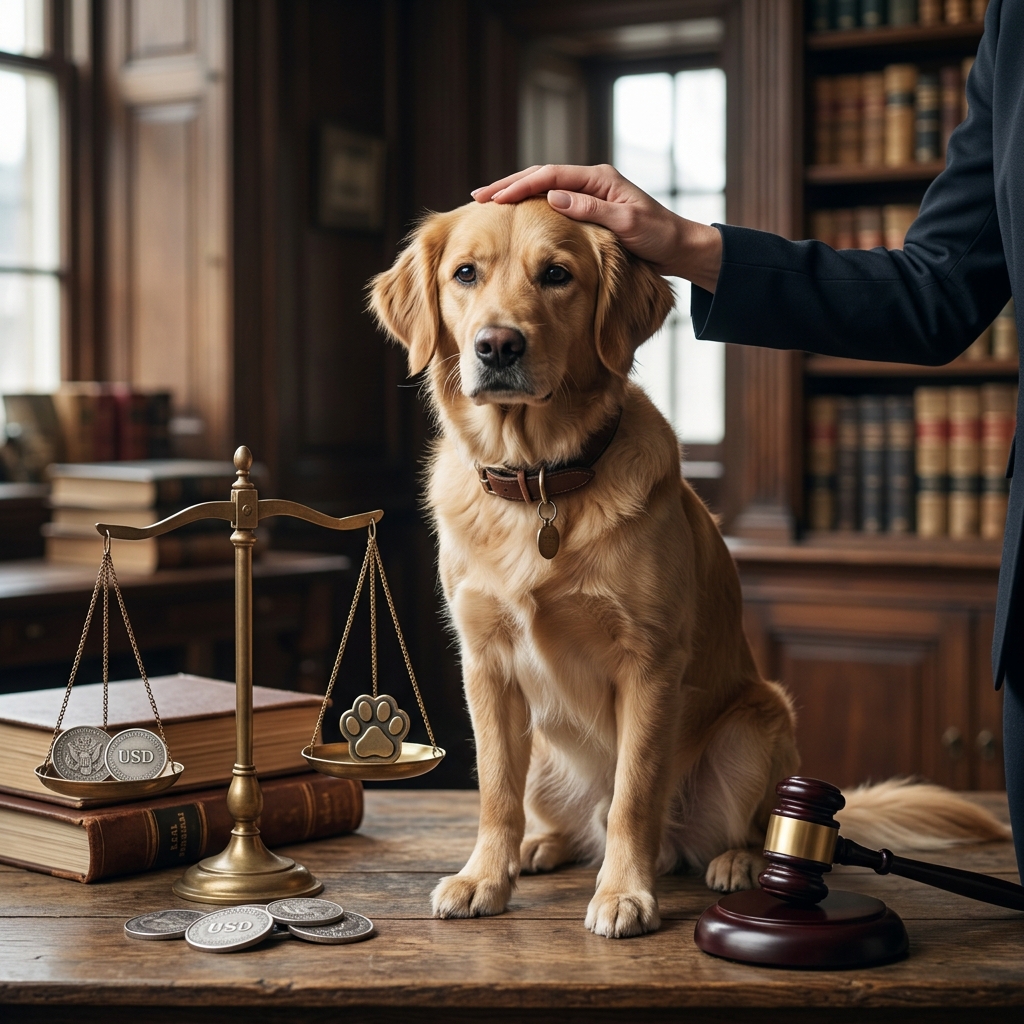
To many people, a pet is a member of the family. Legally, though, that same animal is often treated as a piece of property, similar to a car or a piece of furniture. This difference between emotional reality and legal classification sits at the center of modern pet lawsuits, especially when a companion animal is injured or killed through negligence or wrongful conduct.
This article explains how courts typically value pets, what kinds of damages may be available, and how owners can protect their rights when their companion animals are harmed. It draws from established principles of personal injury and property law while acknowledging a growing movement to recognize the unique status of pets.
Why Pets Are Legally Treated as Property
In most U.S. jurisdictions, companion animals are legally classified as personal property. This means that, in civil disputes, a dog or cat is treated similarly to other possessions for purposes of valuation, damages, and ownership disputes.
The property classification affects several aspects of the law:
- Ownership rights: The person who can prove legal ownership—through purchase records, registration, microchip information, or other evidence—has the right to control and make decisions about the animal.
- Transfer and sale: Pets can be bought, sold, or gifted, just like other personal property, though many states also regulate breeding, sale conditions, and welfare standards.
- Damages in civil claims: When someone wrongfully harms or kills a pet, the baseline legal measure of loss is often the animal’s market value or replacement cost, not the owner’s emotional suffering.
At the same time, most states have criminal and civil laws protecting animals from abuse, neglect, and certain forms of exploitation. These statutes recognize that animals are sentient beings and require humane treatment, even if they do not have independent legal rights in the way humans do.
Civil Claims When a Pet Is Injured or Killed
When a pet is harmed due to someone else’s actions, the legal claim usually falls under personal injury or property damage doctrines applied to companion animals. Common scenarios include:
- Dog attacks involving other dogs, cats, or people.
- Negligent care by groomers, boarders, or pet sitters.
- Veterinary malpractice or grossly negligent treatment.
- Dangerous conditions on property (for example, uncovered pools, toxic substances, or unsafe fencing).
- Intentional harm, such as abuse, poisoning, or shooting.
The specific cause of action may be framed as negligence, intentional tort (like battery or trespass to chattels), or, in severe cases, wrongful death or conversion of property. Owners typically seek monetary compensation for their losses, and in some jurisdictions they may also pursue punitive damages for malicious or reckless conduct.
How Courts Measure the “Value” of a Pet
The most difficult aspect of pet lawsuits is determining how to quantify the loss. Courts rely on several different measures of value, some of which align more closely with traditional property law and others that recognize the unique role of pets in families.
Economic Measures of Pet Value
Traditional property rules focus on economic value. In pet cases, common economic components include:
- Market value: The price a willing buyer would pay in an open market. For purebred animals, show animals, or working dogs, this can be significant. For mixed-breed pets adopted from shelters, it may be nominal.
- Purchase price or adoption fees: Courts may look to what the owner originally paid to acquire the pet as a baseline measure.
- Replacement cost: The cost of acquiring a comparable animal, sometimes including training costs for service or working animals.
- Veterinary expenses: Reasonable and necessary medical costs incurred to treat the animal’s injuries, including emergency care, surgery, medications, and rehabilitation.
- Special training or utility: For service dogs, therapy animals, or working animals (such as search-and-rescue or herding dogs), courts may consider the cost of specialized training or the economic value of the services they provide.
| Type of Damage | What It Represents | Typical Evidence |
|---|---|---|
| Market Value | Fair market price of the animal | Breed records, sale listings, appraisals |
| Replacement Cost | Cost of acquiring a similar animal | Adoption/purchase fees, training invoices |
| Medical Expenses | Veterinary treatment for injuries | Vet bills, medical records |
| Special Training Value | Value of service or working abilities | Training contracts, certification documents |
Emotional and Noneconomic Losses
The most significant loss for many owners is emotional—grief, trauma, and loss of companionship. Historically, courts have been reluctant to award damages for these noneconomic harms, since property law does not usually compensate for emotional attachment to objects.
However, some jurisdictions have started to permit limited recovery for emotional distress or loss of companionship when a pet is wrongfully injured or killed. This trend reflects a growing recognition that animals occupy a special status between traditional property and full legal personhood.
Where allowed by statute or case law, owners may seek:
- Emotional distress damages tied directly to the trauma of witnessing or learning about the incident.
- Loss of companionship damages recognizing the unique relationship between owner and pet.
- Punitive damages in cases of extreme recklessness or deliberate cruelty, intended to punish and deter similar conduct.
The availability of these damages varies widely by state and sometimes depends on the specific facts of the case, including the level of intentionality and the presence of applicable statutes.
Liability: When Is Someone Responsible for Harm to a Pet?
Determining who is legally responsible for harm to a companion animal depends on the relationship between the parties and the type of conduct involved. Common sources of liability include pet owners, property owners, caretakers, and professionals.
Owner Liability for Their Pet’s Actions
Pet owners are generally responsible for controlling their animals and preventing foreseeable harm to others. When a pet injures a person or another animal, the owner’s liability often turns on concepts of negligence and knowledge of dangerous tendencies.
Key factors may include:
- Prior incidents: Many states require proof that the owner knew or should have known about the animal’s dangerous propensities—for example, prior bites or attacks.
- Failure to take precautions: Not using leashes, secure fencing, muzzles, or warning signs can support a claim of negligence.
- Local ordinances: Breed-specific laws, leash laws, and other municipal regulations can increase an owner’s responsibilities and potential liability.
- Strict liability statutes: Some states impose liability on dog owners for bites regardless of prior knowledge, especially when attacks occur in public spaces.
Liability of Caretakers and Professionals
Groomers, boarders, pet sitters, dog walkers, and veterinarians assume a duty of care when they take custody of an animal. If they act carelessly or below accepted professional standards, they may be liable for resulting harm.
Examples include:
- Leaving dogs unattended in unsafe areas.
- Using improper restraints or harsh methods that cause injury.
- Failing to monitor animals that are known to be aggressive.
- Veterinary errors that deviate from professional norms, leading to preventable harm.
Claims against professionals may require expert testimony to establish the applicable standard of care and how it was breached.
Defenses in Pet Injury Cases
Defendants in pet lawsuits often raise defenses to reduce or avoid liability. Common arguments include:
- Provocation: The injured person or animal provoked the pet, such as by hitting, teasing, or invading the animal’s space.
- Trespassing: The injured party was unlawfully on private property at the time of the incident.
- Assumption of risk: The injured person knowingly exposed themselves or their animal to a known hazard.
- Comparative negligence: Fault is shared between parties, potentially reducing any recovery.
The success of these defenses depends on state law and specific facts, such as local ordinances and evidence of prior behavior.
Protecting Your Rights After Injury or Wrongful Death of a Pet
Owners facing the injury or loss of a companion animal often feel overwhelmed. Taking systematic steps can help protect both the animal’s welfare and the owner’s legal rights.
Immediate Steps After the Incident
- Seek veterinary care: Your first priority should be the animal’s health. Prompt treatment not only aids recovery but also creates medical records that document the injuries.
- Report to authorities when appropriate: For dog attacks, report to animal control and law enforcement to ensure the incident is recorded and the attacking animal’s vaccination status is verified.
- Preserve evidence: Take photographs of injuries, the location of the incident, damaged property, and any hazards that contributed to the harm.
- Gather witness information: Obtain names and contact details of anyone who saw the incident or is familiar with the animal’s prior behavior, such as neighbors or delivery workers.
Evaluating Potential Legal Claims
After the immediate crisis has passed, consider whether legal action is warranted. Relevant factors include:
- The severity of the injury or whether the animal died.
- The amount of veterinary bills and other financial losses.
- Evidence of negligence, recklessness, or intentional harm.
- Any prior incidents involving the same animal or individual.
In many cases, claims may be pursued through the responsible party’s homeowner, renter, or commercial liability insurance. In other situations, a direct lawsuit may be necessary.
Working with an Attorney
Because pet law intersects with tort, property, and sometimes criminal law, consulting an attorney experienced in animal or personal injury cases can be useful. An attorney can:
- Explain how your jurisdiction treats pets in civil claims.
- Assess potential damages, including economic and possible noneconomic components.
- Handle communications with insurers and opposing counsel.
- File a lawsuit if settlement attempts fail or a court ruling is necessary.
Changing Legal Landscape: Are Pets Still Just Property?
Although the property model still dominates, there is a growing movement to recognize pets as more than mere objects in the eyes of the law. Some legislatures and courts have begun to acknowledge the special bond between humans and companion animals.
Developments include:
- Enhanced damages for wrongful death or injury in certain states, including emotional distress or loss of companionship.
- Pet custody laws in divorce or separation cases that consider the animal’s best interests rather than treating the pet as divisible property.
- Animal welfare statutes that impose stricter standards on care providers and operators such as puppy mills and research facilities.
- Recognition of sentience in some legal systems outside the United States, which may influence future reforms.
These changes suggest that the legal status of animals is evolving, even if most civil damage awards still rely heavily on economic metrics.
Frequently Asked Questions About Pet Lawsuits
Can I sue if someone accidentally kills my pet?
Yes, you may be able to sue for negligence if someone’s careless behavior leads to the death of your pet. Available damages often include the animal’s economic value and veterinary costs, and in some jurisdictions additional damages may be possible.
Are emotional damages always available when a pet dies?
No. Emotional damages for the loss of a pet are not universally recognized. Some states allow limited recovery for emotional distress or loss of companionship, while others restrict damages to economic losses only.
What if my dog is attacked by another dog?
You may have a claim against the attacking dog’s owner for veterinary costs and possibly for the value of your dog if the injuries are severe or fatal. Liability often depends on whether the owner knew of the dog’s dangerous tendencies and whether they failed to take reasonable precautions.
Do criminal animal cruelty charges affect civil damages?
Criminal animal cruelty charges address punishment for mistreatment and are separate from civil lawsuits. However, a criminal conviction may support a civil claim by providing evidence of wrongful conduct and can sometimes justify punitive damages.
Is homeowners insurance likely to cover harm caused by my dog?
Many homeowners or renters policies cover liability for injuries caused by pets, but coverage terms and exclusions vary. Some insurers exclude certain breeds or repeated incidents. Policy language and state law together determine available coverage.
References
- Pet Law: Legal Rights, Liability, and Ownership Disputes — Daeryun Law. 2024-01-15. https://www.daeryunlaw.com/us/practices/detail/pet-law
- Pet Laws Involving Ownership, Liability, and Disabilities — Justia. 2023-05-10. https://www.justia.com/real-estate/home-ownership/owning-a-home/homeowners-insurance/pets/
- Injuries Caused by Pets… Who’s Responsible? — FKM Law. 2022-09-01. https://www.fkmlaw.com/injuries_pets
- Wrongful Death or Injury to a Companion Animal — Life Law. 2023-08-18. https://life.law/blog/wrongful-death-or-injury-to-a-companion-animal/
- What Legal Rights Do Pets Have? — Wag!. 2022-03-30. https://wagwalking.com/wellness/what-legal-rights-do-pets-have
- Litigation — Animal Legal Defense Fund. 2024-02-20. https://aldf.org/how_we_work/litigation/
Similar Articles








Read full bio of Sneha Tete


