
Protecting Yourself From Federal Employee Impersonation Scams
Learn how federal employee impersonation scams work, how to spot them quickly, and what steps to take to protect yourself and older loved ones.
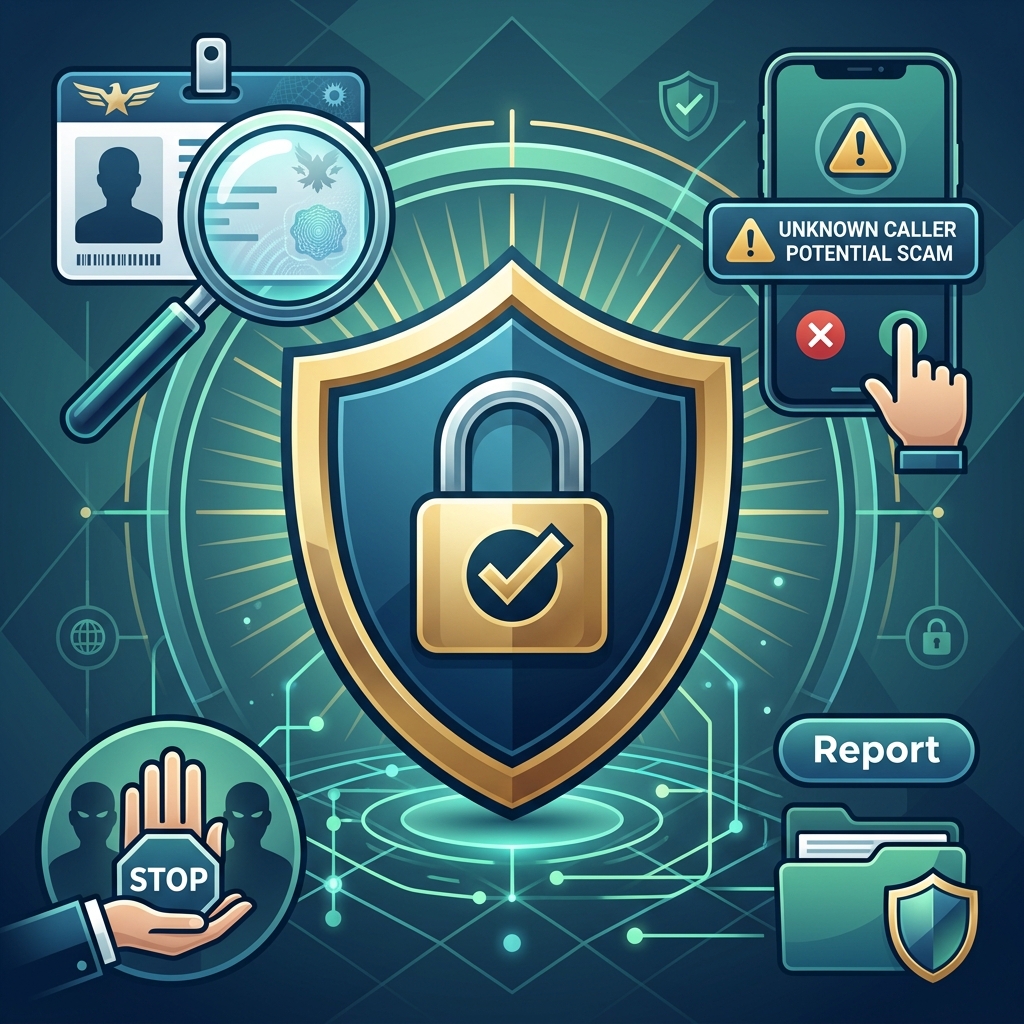
Scammers are increasingly pretending to be federal government employees to steal money and personal information, and older adults are among their favorite targets. These schemes can be frightening and convincing, but understanding how they work makes it much easier to avoid becoming a victim.
This guide explains how federal employee impersonation scams operate, the warning signs to watch for, how these scams target older Americans, and the steps you can take to respond, report, and protect yourself and your loved ones.
What Is Federal Employee Impersonation?
Federal employee impersonation occurs when a scammer pretends to be an official from a U.S. government agency—such as the FBI, Social Security Administration, Medicare, or a federal inspector—to trick victims into sending money or revealing sensitive data.
These criminals rely on the authority and trust associated with government agencies. By posing as federal agents or employees, they attempt to create fear, urgency, and confusion so that victims will comply quickly.
Common Agencies Criminals Claim to Represent
- Federal law enforcement (for example, the FBI or Department of Justice)
- Social Security Administration (SSA)
- Internal Revenue Service (IRS)
- Medicare or the Centers for Medicare & Medicaid Services (CMS)
- Department of Health and Human Services (HHS)
- Other federal offices that manage grants, benefits, or licenses
In many cases, the scammer uses real agency names and terminology to sound legitimate, even though they have no connection to the government.
How These Scams Typically Unfold
While details vary, government impersonation scams tend to follow a predictable pattern. Understanding this pattern can help you recognize a scam early.
Step-by-Step Scam Pattern
- Initial contact — The scammer reaches out by phone, text, email, social media, or even physical mail, claiming to be a government employee.
- Establishing credibility — They may provide a fake badge number, send an image of an ID card, or reference official-sounding programs to appear legitimate.
- Creating urgency or pressure — The caller often claims you will be arrested, lose your benefits, or face fines unless you act immediately.
- Demanding information or payment — Finally, the scammer asks for personal details or payment using unusual methods such as gift cards, wire transfers, cryptocurrency, or payment apps.
- Discouraging verification — They urge you not to hang up, call anyone else, or verify their story independently, insisting that their instructions must be followed right away.
Communication Channels Scammers Use
- Phone calls, often with spoofed caller ID that appears to show an official number.
- Text messages containing links or urgent demands.
- Emails that may mimic government logos or use .gov-like domains but are not official.
- Social media messages offering grants or benefits in exchange for fees.
- Letters that look formal but direct you to call or visit fraudulent websites.
Why Older Adults Are Frequently Targeted
Federal employee impersonation scams disproportionately affect older adults. According to U.S. government consumer guidance, imposters often focus on those receiving Social Security or Medicare because those programs are widely recognized and trusted.
Several factors make older Americans attractive targets:
- Regular contact with benefit programs such as Social Security, Medicare, and veterans benefits.
- Greater likelihood of landline use, which scammers often target with robocalls and live calls.
- Possible concerns about health or finances, which can increase anxiety when a supposed government official warns of benefit loss or legal trouble.
- Generational trust in authorities, making a call from a “federal agent” seem plausible.
Federal guidance emphasizes that educating older adults and their caregivers about these scams is a critical part of elder justice efforts.
Major Red Flags of Government Impersonation Scams
Not every unexpected call or message from a government office is a scam. However, the following warning signs are strong indicators that you are dealing with an imposter.
1. Unusual Payment Demands
One of the clearest signs of a scam is a request for payment through methods that are hard to trace or reverse.
- Gift cards (retail or prepaid cards)
- Cryptocurrency or crypto ATMs
- Wire transfers, especially to foreign accounts
- Peer-to-peer payment apps or prepaid debit cards
- Mailing cash or precious metals
Federal authorities note that the U.S. government and law enforcement agencies will not ask you to send money using these methods.
2. Threats and High-Pressure Tactics
Scammers lean heavily on fear and urgency.
- Threats of immediate arrest or prosecution
- Claims that your Social Security or Medicare benefits will be cancelled right away
- Insistence that you must stay on the line and follow instructions without delay
- Repeated calls and messages meant to create panic
Legitimate government agencies typically communicate in writing and provide time for questions and verification, not instant deadlines and threats.
3. Requests for Sensitive Personal Information
Another common warning sign is a demand for highly sensitive data.
- Full Social Security number
- Bank account or routing numbers
- Credit card numbers or security codes
- Online account usernames and passwords
Imposters sometimes claim they need these details to release grant money or protect your account, but their real goal is identity theft and financial fraud.
4. Suspicious Communication Details
Look closely at the way the person contacts you.
- Caller ID shows a government agency, but the caller is aggressive or uses poor grammar.
- Email address does not end in a legitimate .gov domain.
- Links in texts or emails point to unfamiliar or misspelled website addresses.
- Messages contain spelling errors or unprofessional formatting.
Authorities warn that phone numbers and email addresses can be spoofed, so you should never rely on caller ID alone to confirm that a call is official.
Government vs. Scam: Key Differences
The table below summarizes important differences between genuine federal contact and common impersonation tactics.
| Legitimate Government Contact | Impersonation Scam |
|---|---|
| Usually initiates contact by official mail, not urgent calls or texts. | Unexpected phone, text, or email demanding immediate action. |
| Provides time to review information and respond. | Insists you act immediately or face arrest or benefit loss. |
| Does not request payment via gift cards, cryptocurrency, or wire transfers. | Demands payment through untraceable or unusual methods. |
| Encourages you to contact the agency using official published numbers or websites. | Tells you not to hang up or verify their identity, pressures you to comply. |
| Uses secure .gov websites and communicates with professional language. | May use non-government domains, spelling mistakes, or poorly written messages. |
How to Respond Safely If You Suspect a Scam
If you receive a suspicious call or message from someone claiming to be a federal employee, the safest response is to stop the interaction and verify independently.
Immediate Actions
- Hang up or stop replying as soon as you sense pressure, unusual payment requests, or other red flags.
- Do not share personal or financial information, even if the caller knows some details about you.
- Do not click on links in suspicious emails or texts and do not download attachments.
- Do not call back using numbers provided in the message; use official contact details instead.
Verify Through Official Channels
Federal guidance recommends verifying any claim independently, using contact information you find yourself.
- Look up the agency’s official phone number on its .gov website.
- Call the main public line and ask whether they attempted to reach you.
- Check for mailed letters or secure messages through known official portals.
If the agency confirms they did not contact you, you can be confident it was a scam.
Reporting Government Impersonation Scams
Reporting impersonation scams helps protect you and others. Federal agencies encourage victims and those targeted to file complaints so patterns can be identified and enforcement actions can be taken.
Where to Report
- Federal Trade Commission (FTC) — File an imposter scam report online.
- Internet Crime Complaint Center (IC3) — Submit detailed information on scams involving technology, phone, or online fraud.
- Specific impersonated agency — For example, HHS encourages reporting impersonation to its tip line.
- State Attorney General or consumer protection office — Many states track fraud trends and assist victims.
- Local law enforcement — Particularly if you lost money or believe you are in danger.
Information to Include in Your Complaint
The IC3 recommends providing as much detail as possible when reporting impersonation or call-center-related fraud.
- Names, phone numbers, email addresses, and websites used by the scammer
- Dates and times of contact and a description of what was said
- Payment or account information involved, even if no funds were lost
- Copies of emails, letters, and screenshots of messages
Keeping thorough records can help investigators identify and disrupt organized fraud schemes.
Preventive Steps to Protect Yourself and Loved Ones
Prevention is a combination of awareness, healthy skepticism, and a few practical habits.
Smart Habits to Reduce Risk
- Be cautious with unsolicited contact — Treat any unexpected government-related call or message as suspicious until you verify it.
- Ignore caller ID — Assume phone numbers can be spoofed and verify using official sources.
- Set personal rules, such as never paying by gift card or cryptocurrency under any circumstances.
- Use security software and keep devices updated to reduce exposure to malicious pop-ups or links.
- Talk with family members, especially older relatives, about common fraud tactics and how to respond.
Helping Older Adults Stay Safe
Families and caregivers play an important role in protecting older adults from impersonation scams.
- Regularly review unusual phone calls, letters, or emails together.
- Post a reminder near the phone that says, “Government agencies do not demand payment by gift cards or threaten arrest over the phone.”
- Encourage loved ones to hang up immediately if they feel pressured or confused and to call you or a trusted contact for a second opinion.
- Consider call-blocking tools or services for frequently targeted phone numbers.
Frequently Asked Questions (FAQs)
1. Can a real federal employee ever call me?
Yes, federal employees may sometimes call, especially if you are working with an agency on a specific issue. However, legitimate officials usually follow up in writing, do not demand immediate payment through unusual methods, and encourage you to contact the agency using publicly listed numbers.
2. Is it safe to trust caller ID when it shows a government agency?
No. Caller ID can be spoofed so that a scammer’s call appears to come from a real government office or law enforcement agency. Because of this, you should always verify independently using contact details obtained from official .gov websites or trusted sources.
3. What should I do if I already sent money?
If you have already paid a scammer, contact your bank, credit union, or card issuer immediately to ask whether any transactions can be reversed and to secure your accounts. You should also file reports with the FTC, IC3, and local law enforcement and monitor your accounts closely for additional suspicious activity.
4. Are government grants ever offered by phone or social media?
Government grant programs typically follow formal application processes and do not randomly contact individuals via phone or social media to offer money. If anyone claims you qualify for a grant but must pay a fee or share bank details first, it is almost certainly a scam.
5. How can I tell if an email really came from a .gov agency?
Legitimate government emails usually come from domains ending in .gov, but even that can be imitated. Check the exact spelling of the domain, look for grammar or formatting issues, and avoid clicking links directly. Instead, go to the agency’s website by typing the address yourself and sign in or find contact information there.
References
- FBI Columbia Warns of Government Impersonation Scams Using Spoofed FBI Phone Number — Federal Bureau of Investigation. 2021-03-24. https://www.fbi.gov/contact-us/field-offices/columbia/news/fbi-columbia-warns-of-government-impersonation-scams-using-spoofed-fbi-phone-number
- Imposter Scams — USAGov, U.S. General Services Administration. 2024-02-05. https://www.usa.gov/imposter-scams
- Alert: Fraudsters Impersonate Government Officials — Office of Inspector General, U.S. Department of Health & Human Services. 2017-06-29. https://oig.hhs.gov/fraud/consumer-alerts/alert-fraudsters-impersonate-government-officials/
- Beware of Scammers Impersonating Government Officials: What You Need to Know — Commerce Bank. 2024-03-18. https://www.commercebank.com/personal/ideas-and-tips/2024/beware-of-scammers-impersonating-government-officials-what-you-need-to-know
- Tech/Customer Support and Government Impersonation — Internet Crime Complaint Center (IC3), FBI. 2022-05-25. https://www.ic3.gov/crimeinfo/techsupportgovimpersonation
- Government Imposter Scams: What They Are and How to Spot Them — National Council on Aging. 2023-08-14. https://www.ncoa.org/article/government-imposter-scams-what-they-are-and-how-to-spot-them/
- Scammers Often Target Older Americans by Impersonating Government Officials — U.S. Department of Justice (video transcript via social media). 2021-10-07. https://www.facebook.com/DOJ/videos/scammers-often-target-older-americans-by-impersonating-government-officials-and-/880421885102728/
Similar Articles








Read full bio of medha deb




