
Protecting Yourself From Contractor Scams
Learn how to choose trustworthy contractors, spot red flags, use strong contracts, and protect your money from home improvement scams.
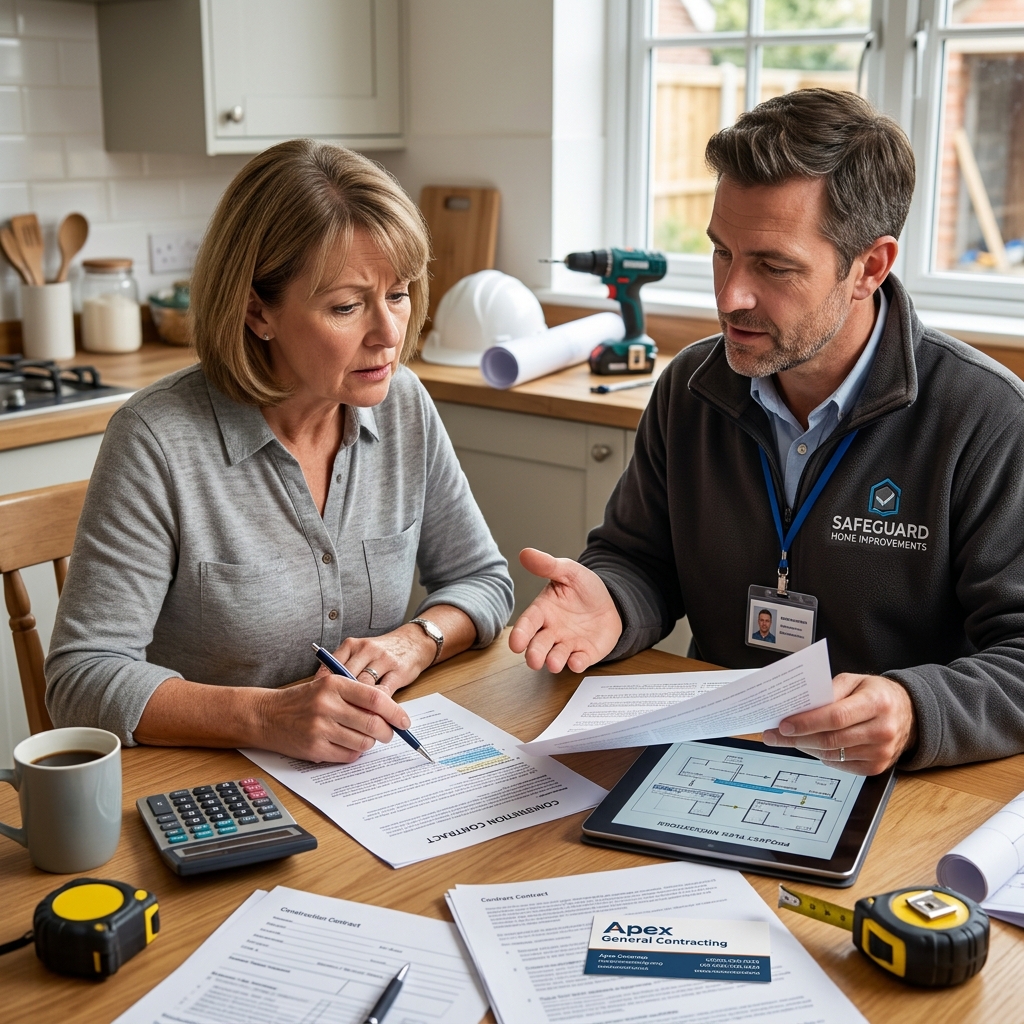
Home repairs and remodeling projects can add value and comfort to your property, but they also create opportunities for dishonest contractors to take advantage of homeowners. From unfinished work to inflated invoices and outright fraud, contractor scams can cost thousands of dollars and cause major stress. Understanding how these scams work and how to prevent them is essential for anyone planning home improvements.
This comprehensive guide explains how contractor scams happen, how to find reliable professionals, what a solid contract should include, and how to protect your money. It also covers warning signs, common high-pressure tactics, and the steps you can take if something goes wrong.
Why Contractor Scams Are So Common
Home improvement projects often involve large sums of money, technical details most owners don’t fully understand, and urgent situations such as storm damage or failing systems. These factors make homeowners attractive targets for fraudsters and for legitimate contractors who cut corners or overcharge. Scammers know that people are emotionally invested in their homes and may act quickly when facing leaks, structural damage, or safety issues.
Typical consequences of contractor scams include:
- Financial loss from overcharging, unfinished work, or disappearing contractors.
- Unsafe or substandard repairs that violate building codes and put occupants at risk.
- Legal trouble, including liens from unpaid subcontractors or code enforcement penalties.
- Delays and disruption when projects stall and require additional contractors to fix problems.
Common Types of Contractor Scams
Not every problem with a contractor is a scam, but certain patterns are strongly associated with fraudulent or unethical behavior. Recognizing these patterns early can help you walk away before signing or paying.
Door-to-Door “In Your Area” Offers
One frequent scheme involves contractors who knock on your door claiming they are working nearby and can give you a special deal on leftover materials or a limited-time discount. These “drive-by” offers often follow storms or natural disasters, when many homes need repairs.
- They may pressure you to decide immediately, claiming the offer is only good today.
- They often have no local address or verifiable business history.
- Work, if performed, may be rushed, unsafe, or never completed.
Low-Ball Bids That Grow Over Time
Another classic tactic is offering a bid far lower than other estimates to win the job, then using change orders, vague terms, or alleged surprises to raise the price later. This can leave you locked in mid-project with escalating costs.
- Initial estimate looks too good compared to competitors.
- Contract lacks detail, allowing the contractor to charge extra for undefined work.
- Frequent claims of “unexpected problems” used to justify new charges.
Large Upfront Payments and Vanishing Contractors
Some scammers demand a significant upfront payment, then delay, perform minimal work, or disappear entirely. While legitimate contractors often require a deposit, excessive prepayments are risky.
- Requests for full payment before work begins or very large deposits.
- Payment in cash only, making tracking and refunds difficult.
- After payment, communication breaks down and work stalls.
Unlicensed or Uninsured Work
In many states, certain trades such as electricians, plumbers, and general contractors must be licensed and carry insurance. Hiring someone who lacks the required credentials can leave you unprotected if things go wrong.
- No license number on business cards, trucks, or contracts.
- Reluctance to show proof of insurance or bonding.
- Complaints or disciplinary actions found in licensing records.
Smart Strategies for Choosing a Reliable Contractor
The best defense against contractor scams is careful selection. Investing time upfront dramatically lowers your risk. Consumer protection agencies consistently recommend using research, referrals, and written bids to vet contractors.
Start With Trusted Referrals
Ask people you trust for names of contractors they would hire again.
- Talk to friends, family, and neighbors who have completed similar projects.
- Visit their homes (if appropriate) and look at the finished work.
- Ask what went smoothly and what they would do differently next time.
Check Licenses, Complaints, and Business History
Before hiring, verify that the contractor is properly licensed (if required) and see whether complaints have been filed against them.
- Use your state licensing agency records to confirm license status and discipline history.
- Confirm the contractor has a physical business address, not just a phone number or P.O. box.
- Review Better Business Bureau and other reputable review platforms for patterns of problems.
Compare Multiple Written Estimates
Collect written bids from several contractors for the same scope of work. This lets you compare pricing, timelines, and proposed materials and helps you spot outliers.
- Ask for at least three detailed estimates.
- Require itemized costs for labor, materials, and any subcontractors.
- Be wary of bids that are dramatically lower or higher than the others; ask for clear explanations.
Verify Insurance and Bonding
Legitimate contractors carry liability insurance and, in many cases, workers’ compensation coverage and bonding to protect against damage or theft. Always request documentation.
- Ask for certificates of insurance and confirm coverage with the insurer if needed.
- Make sure coverage is active and adequate for your project size.
- Confirm that any subcontractors are also covered.
Building a Strong, Protective Contract
A clear, detailed written contract is one of the most effective tools for avoiding disputes and minimizing the impact of dishonest behavior. Even if your state doesn’t require a written agreement, insist on one.
Key Elements Every Contract Should Include
| Contract Element | Why It Matters |
|---|---|
| Contractor’s full legal name, address, phone, and license number | Ensures you know who you are dealing with and can locate them if issues arise. |
| Detailed description of the work | Prevents misunderstandings about what is included and what is extra. |
| Materials, brands, and specifications | Stops substitutions of cheaper, lower-quality materials without your consent. |
| Start and completion dates | Provides a timeline and reference point if the project drags on. |
| Payment schedule tied to milestones | Reduces risk of paying for work that hasn’t been done. |
| Warranties and guarantee terms | Clarifies what happens if something fails after the job is completed. |
| Right to cancel (if applicable) | Many states allow a three-day cancellation period for certain contracts signed at home. |
Contract Reading Rules That Protect You
Consumer protection agencies consistently stress the importance of reading contracts carefully before signing.
- Never sign a contract with blank spaces that can be filled in later.
- Refuse high-pressure tactics; a reputable contractor will let you review the contract on your own time.
- Ensure all verbal promises are written into the contract, including extras and special deals.
- Keep copies of everything you sign, including change orders and receipts.
- If you don’t understand a clause, ask questions or seek legal advice before signing.
Safe Payment Practices and Project Oversight
Even with a good contractor and a solid contract, how you pay and supervise the work can influence the outcome. Thoughtful payment schedules and regular inspections are critical safeguards.
Designing a Secure Payment Schedule
Experts recommend paying in stages as work is completed, rather than making large upfront payments.
- Use a modest deposit, often a small percentage of the total, to secure scheduling.
- Tie subsequent payments to clear milestones (e.g., demolition done, framing complete, inspections passed).
- Never make the final payment until you have inspected the work and are satisfied.
- Prefer checks or credit cards over cash, which provide records and possible dispute rights.
Monitoring Work Quality and Progress
Active oversight helps catch problems early and demonstrates that you are paying attention.
- Schedule regular walk-throughs to review progress and quality.
- Take photos at each stage to document the work and condition.
- Keep all project paperwork organized: contracts, correspondence, change orders, invoices, and receipts.
- Verify that required permits and inspections have been obtained and passed.
Red Flags You Should Never Ignore
Certain warning signs strongly suggest that a contractor may be dishonest or unreliable. If you encounter several of these, consider choosing someone else.
- Refusal to provide a written contract or detailed estimate.
- Insistence on immediate decisions and “today-only” discounts.
- Requests for large cash payments or full payment in advance.
- No verifiable license, insurance, or physical business address.
- Unwillingness to provide references or allow you to speak with past customers.
- Negative patterns in reviews, such as multiple complaints about unfinished work or surprise charges.
If You Suspect You’ve Been Scammed
Despite careful planning, problems can still occur. If you believe your contractor has defrauded you or seriously breached your agreement, act quickly to protect your rights.
Immediate Steps to Take
- Stop additional payments until you understand what is happening.
- Document everything: take photos, write down dates and conversations, and organize your paperwork.
- Communicate concerns in writing, asking the contractor to respond and correct issues.
Contact Authorities and Consumer Protection Agencies
Government and non-profit organizations can provide guidance and may investigate serious misconduct.
- File a complaint with your state consumer protection or attorney general’s office if you suspect fraud.
- Report issues to the Better Business Bureau to warn other consumers and seek mediation.
- In licensing states, notify the licensing board or division of professional licensing about unlicensed activity or serious violations.
Seeking Legal and Financial Remedies
Depending on the size of the loss and the facts, you may have legal options such as small claims court, civil lawsuits, or insurance claims.
- Consult a qualified attorney about contract breaches, fraud, or potential recovery.
- Check whether your homeowner’s insurance or any bonds provide coverage.
- If you paid by credit card, ask your card issuer about dispute or chargeback options.
Frequently Asked Questions (FAQs)
How many estimates should I get before hiring a contractor?
Consumer advocates commonly recommend obtaining at least three written estimates for any sizable project. This provides a realistic price range, exposes unusually low or high bids, and helps you compare approaches, timelines, and material choices.
Is a very low bid always a bad sign?
Not always, but a significantly lower bid deserves careful scrutiny. Ask why the price is different, review the scope and materials, and confirm that the contractor is licensed and insured. Sometimes low bids reflect shortcuts, inferior materials, or an intention to raise prices later with change orders.
Do I really need a written contract for small jobs?
Even when the law does not require a written agreement, having one is strongly recommended for clarity and protection. For smaller jobs, a shorter contract can still list the work to be done, price, materials, and expected completion date. This reduces misunderstandings and creates a record if problems arise.
What’s a reasonable deposit for a home improvement project?
State laws and industry practices vary, but large upfront payments are generally risky. Many reputable contractors request a modest deposit to secure scheduling and materials, with the bulk of payment tied to milestones. Check your state’s rules on maximum deposits and avoid paying the full price before work is complete.
How can I check if a contractor is licensed or has complaints?
You can usually verify licenses through your state’s online licensing agency or database. These sites often show license status, expiration dates, and any disciplinary actions. You can also review complaint histories with your state attorney general, consumer protection agency, and reputable review platforms.
What should I do if the contractor walks off the job?
Stop payments immediately, document the status of the work, and send a written notice asking the contractor to return and finish or explain the delay. If they do not respond or refuse, consider contacting your local consumer protection agency, filing a complaint with the licensing board (if applicable), and seeking legal advice about enforcing the contract or recovering losses.
References
- How to Avoid Home Improvement Scams — Office of the Attorney General of Texas. 2024-02-15. https://www.texasattorneygeneral.gov/consumer-protection/home-real-estate-and-travel/how-avoid-home-improvement-scams
- Home Improvement Scams: Tools to Reduce Your Risk — USAging.
- Here’s How to Uncover a Home Improvement Scam — AARP. 2023-06-01. https://www.aarp.org/money/scams-fraud/home-improvement/
- Protect Your Home and Your Wallet: Avoiding Home Improvement Scams — Consumers Credit Union (CEFCU). 2023-03-10. https://cefcu.com/post/protect_your_home_and_your_wallet_avoiding_home_improvement_scams.html
- Home Improvement and Contractor Scams — Utah Division of Professional Licensing (YouTube transcript). 2022-09-20. https://www.youtube.com/watch?v=vhARQ-GXxG4
Similar Articles








Read full bio of medha deb


