
Protecting Older Adults From Mail Theft and Fraud
A practical guide to understanding, preventing, and responding to mail theft and fraud schemes targeting older adults and their finances.
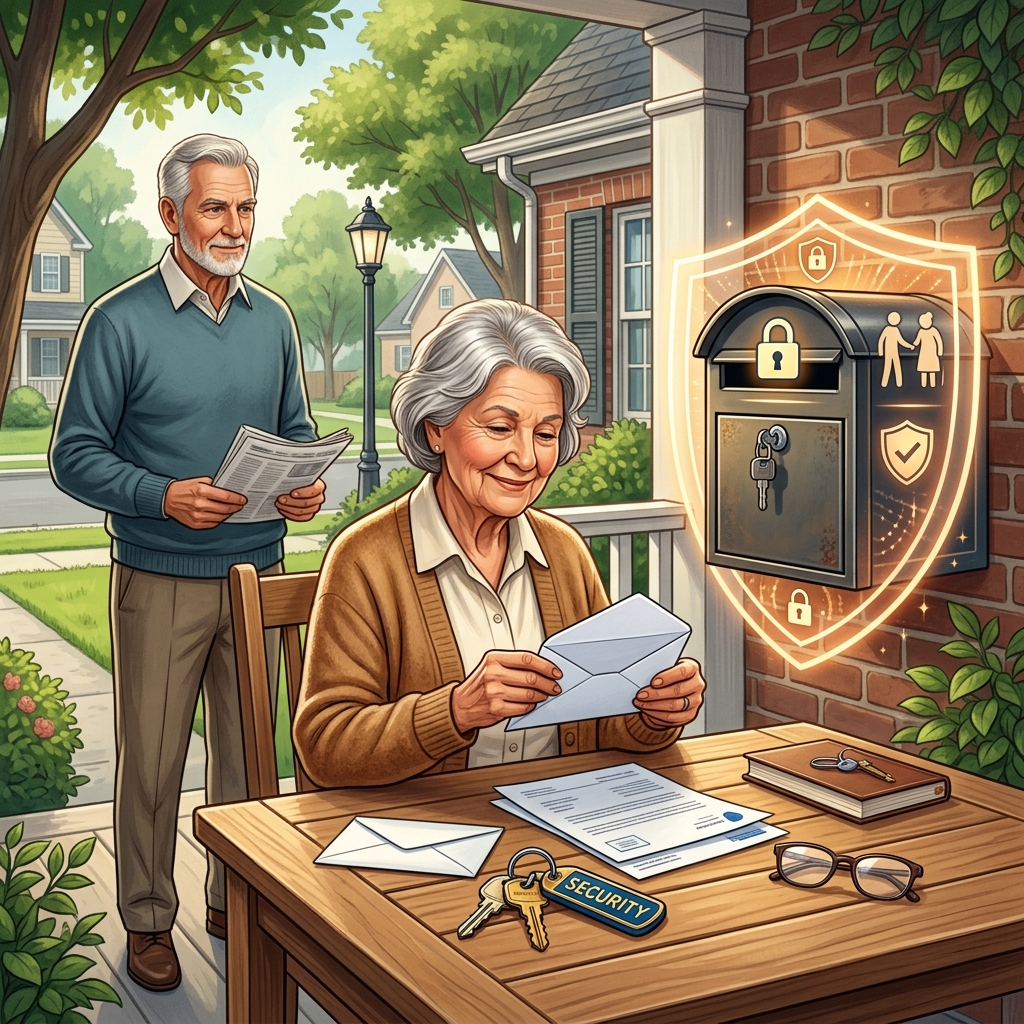
Mail remains a lifeline for many older adults. It brings Social Security checks, pension documents, medical information, bank statements, and personal letters. When criminals exploit the mail system to steal, defraud, or manipulate older adults, the consequences can be severe: lost savings, damaged credit, and emotional trauma. This article explains how mail theft and mail-based fraud work, why older adults are at particular risk, and what families, caregivers, and communities can do to prevent and respond to these crimes.
Why Mail Theft Matters for Older Adults
For millions of older Americans, mail is not just a convenience; it is a primary channel for financial and personal communication. Older adults are more likely to receive physical bills, benefit notices, and official correspondence by mail rather than electronically, which makes them attractive targets for mail thieves and fraudsters.
Mail theft can lead directly to financial exploitation. Stolen documents may contain bank account numbers, Social Security numbers, or other sensitive information. Criminals use that data to commit identity theft, open fraudulent accounts, or redirect benefits, often before anyone realizes something is wrong.
Beyond financial harm, mail-based fraud can undermine trust and independence. When an older adult is victimized, they may feel ashamed or reluctant to seek help, which can delay reporting and allow losses to escalate.
How Criminals Exploit the Mail System
Mail theft and fraud schemes targeting older adults range from simple theft from mailboxes to sophisticated mass-marketing scams coordinated by criminal networks. Understanding common tactics makes it easier to spot and stop them.
Common Mail Theft Techniques
- Mailbox raids: Thieves steal incoming or outgoing mail from unsecured residential mailboxes, looking for checks, credit cards, and personal data.
- Change-of-address fraud: Criminals file false change-of-address forms to redirect a victim’s mail to an address they control, gaining long-term access to sensitive information.
- Check washing and alteration: Stolen checks are chemically “washed” to remove ink, then rewritten to different payees and amounts for cashing.
- Theft of mail in transit: In rare cases, insiders or organized groups may target mail collection points or transport vehicles to obtain bundles of financial mail.
Mail-Based Fraud and Scam Schemes
Criminals also use the mail to deliver fraudulent offers or pressure older adults into unsafe financial decisions.
- Lottery and sweepstakes scams: Fake prize notices claim the recipient has won but must pay fees, taxes, or processing charges up front. The promised winnings never arrive.
- Phony investment opportunities: High-pressure mailings advertise “guaranteed” returns, unregistered securities, or complex products that are unsuitable or outright fraudulent.
- Charity fraud: Mail appeals for disaster relief or health causes may impersonate legitimate charities, diverting donations to criminals.
- Deceptive subscription or service offers: Mailers may masquerade as official notices about utilities, home maintenance, or magazine renewals, tricking recipients into paying unnecessary fees.
- Money order and payment scams: Fraudsters persuade older adults to purchase postal money orders or send cash and gift cards through the mail as part of fraudulent schemes.
Why Older Adults Are Particularly Vulnerable
Older adults are not inherently gullible; most are cautious and experienced. However, specific factors can increase vulnerability to mail-based scams and mail theft.
| Risk Factor | How It Increases Vulnerability |
|---|---|
| Reliance on physical mail | More financial and personal information travels through the mailbox, creating more opportunities for theft. |
| Living alone | Warning signs may go unnoticed by family, and scams may continue longer without outside scrutiny. |
| Cognitive or visual limitations | Complex notices or fine print may be harder to interpret, making deceptive offers seem legitimate. |
| Politeness and trust | Many older adults were raised to trust official mail and avoid appearing rude, even when they feel uncertain. |
| Social isolation | Scammers exploit loneliness, offering conversation or companionship tied to financial requests. |
Recognizing Warning Signs of Mail Theft and Fraud
Early detection can greatly reduce financial loss and emotional impact. Families, caregivers, and older adults themselves should watch for changes in mail patterns and financial behavior that may signal exploitation.
Red Flags in Mail Delivery
- Mail arrives late, is missing, or seems lighter than usual over several days or weeks.
- Expected bills, benefit checks, or bank statements stop arriving without explanation.
- Packages or envelopes appear tampered with, opened, or resealed.
- Duplicate or conflicting notices about address changes, new accounts, or service activations.
Financial and Behavioral Warning Signs
- Unusual withdrawals, transfers, or checks written to unfamiliar individuals or businesses.
- New anxiety or secrecy surrounding finances, or reluctance to discuss mail and bills.
- Sudden relationships with individuals who show strong interest in mail, finances, or personal documents.
- Stacks of sweepstakes or prize mailings and repeated payments associated with them.
Preventing Mail Theft: Practical Steps
Prevention starts with securing physical mail and limiting the amount of sensitive information that travels through the postal system. Many protective measures are simple and inexpensive.
Improve Physical Mail Security
- Use locking mailboxes: A sturdy, locked mailbox reduces casual theft of letters and checks.
- Collect mail promptly: Avoid leaving mail in the box overnight or for long periods, especially checks or important documents.
- Drop outgoing mail at secure locations: Use post office counters or secured collection boxes rather than leaving outgoing mail in an unsecured home mailbox.
- Consider electronic delivery: When safe and appropriate, opt for electronic statements from banks, utilities, and insurers to reduce sensitive paper mail.
Limit Sensitive Information in the Mail
- Request direct deposit of Social Security, pensions, and other benefit payments to avoid paper checks.
- Ask financial institutions to avoid mailing full account numbers when possible or to use secure formats.
- Shred unwanted mail that contains personal information, especially pre-approved credit offers and account notices.
Protecting Against Mail-Based Fraud Schemes
In addition to securing the mailbox, older adults and their support networks should develop habits that make it harder for scammers to succeed.
Build a Fraud-Resistant Routine
- Review mail with a trusted person: Regularly sit down with a family member, friend, or advisor to review financial mail and discuss unfamiliar items.
- Set clear “no-pay” rules: Establish personal rules, such as never paying fees for prizes or lotteries and never sending money to unknown individuals.
- Monitor accounts: Use account alerts, view-only access for trusted contacts, or monitoring services that flag unusual transactions.
- Maintain open communication: Frequent phone calls, visits, or video chats help loved ones notice changes and encourage early disclosure of suspicious mail.
Strengthen Overall Financial Safeguards
- Designate a trusted financial power of attorney to assist with complex decisions if capacity declines.
- Add a trusted contact to bank and investment accounts so institutions have someone to call if they detect unusual activity.
- Enable two-factor authentication for online banking and investment accounts to reduce the impact of stolen mail-based credentials.
- Consider periodic reviews with a reputable financial professional to spot red flags and refine protective measures.
Community and Caregiver Roles in Prevention
Protecting older adults from mail theft and fraud is not solely an individual responsibility. Caregivers, neighbors, community organizations, and professionals can all play meaningful roles.
Caregiver Best Practices
- Discuss finances and mail openly, emphasizing that seeking help is a sign of strength, not failure.
- Watch for signs of isolation or withdrawal, which often correlate with increased fraud risk.
- Encourage skepticism of unsolicited offers and help research any unexpected mailings before money changes hands.
- Stay alert to other caregivers’ behavior; unexplained interest in mail or finances may warrant closer scrutiny.
Role of Community Programs and Law Enforcement
Many states and localities operate elder abuse prevention programs that address financial exploitation and fraud. These programs provide education, outreach, and sometimes direct assistance.
- Local elder abuse prevention initiatives offer training on scam recognition and reporting pathways.
- Coalitions like Project SAFE in Maryland coordinate agencies and organizations to prevent and remedy financial exploitation, including mail-based scams.
- Community workshops led by law enforcement or victim services can help older adults and caregivers practice recognizing scam mail and develop personal safety plans.
What To Do If You Suspect Mail Theft or Fraud
Rapid action can limit harm. If you suspect that an older adult has experienced mail theft or been targeted by mail-based fraud, take the following steps.
Immediate Protective Actions
- Secure the mailbox: Temporarily hold mail at the post office or install a lockable box if theft is suspected.
- Contact financial institutions: Notify banks, credit unions, and credit card issuers about possible theft or fraud and request account monitoring or new account numbers.
- Review recent transactions: Check statements for unfamiliar charges and dispute fraudulent transactions as soon as possible.
- Place fraud alerts or freeze credit: Contact the major credit reporting agencies to put alerts on the file or temporarily freeze credit access.
Reporting Mail Theft and Elder Fraud
- U.S. Postal Inspection Service: Report suspected mail theft, fraudulent mailings, or postal money order scams to the Postal Inspection Service, the federal law enforcement arm of the U.S. Postal Service.
- Local law enforcement: If a crime is in progress or substantial loss has occurred, contact local police. In emergencies or imminent threats, call 911.
- Adult Protective Services (APS): If the victim appears unable to protect themselves due to physical or cognitive limitations, report to APS, which investigates and coordinates support.
- National Elder Fraud Hotline: The Office for Victims of Crime operates a hotline (833–FRAUD–11) that assists older victims of fraud with guidance and referrals.
Frequently Asked Questions (FAQs)
1. Is mail theft always a federal crime?
Mail theft involving U.S. mail is a federal offense because it interferes with the operations of the U.S. Postal Service and can be investigated by the U.S. Postal Inspection Service. Local laws may also apply, and cases often involve coordination between federal and local authorities.
2. How can I tell if a sweepstakes mailing is legitimate?
Legitimate sweepstakes do not require payment to claim a prize. If a mailing demands fees, taxes, or purchases before releasing winnings, it is likely fraudulent. Check the fine print, research the organization through official channels, and never send money solely based on prize notices.
3. Should older adults stop using mail for financial matters entirely?
Not necessarily. Mail can be used safely with the right precautions, such as locking mailboxes, prompt collection, and limiting sensitive content. Many older adults benefit from a blended approach, using both secure electronic options and well-protected physical mail.
4. What if a family member is the one exploiting an older adult through mail?
Financial exploitation by relatives is unfortunately common. If you suspect a family member is intercepting mail, altering checks, or pressuring an older adult to respond to fraudulent mailings, document concerns, involve neutral professionals (such as APS or legal counsel), and prioritize the older adult’s safety and autonomy.
5. How can communities better support mail safety for seniors?
Neighborhood watch programs, senior centers, and faith communities can provide education about mail scams, help install secure mailboxes, and encourage regular check-ins. Partnering with law enforcement and elder protection programs for workshops and resource distribution enhances community resilience.
References
- Combatting Mail Fraud Against Older Americans — RTI International. 2021-06-15. https://www.rti.org/impact/combatting-mail-fraud-against-older-americans
- 5 Ways to Prevent Elder Financial Exploitation — AARP. 2023-04-10. https://www.aarp.org/money/scams-fraud/prevent-financial-elder-abuse/
- Protect Your Assets: Elder Fraud Prevention Tips for Seniors and Caregivers — The Bristal Assisted Living. 2022-08-05. https://thebristal.com/blog/protect-your-assets-elder-fraud-prevention-tips-for-seniors-and-caregivers/
- Elder Abuse Prevention — San Jose Police Department. 2023-01-20. https://www.sjpd.org/community/crime-prevention/prevention-tips/elder-abuse-prevention
- Postal Inspection Service Calls for Awareness of Elder Fraud and Scams — U.S. Postal Inspection Service. 2023-06-15. https://www.uspis.gov/weaad2023
- Project SAFE (Stop Adult Financial Exploitation) — Maryland Department of Human Services. 2022-03-01. https://dhs.maryland.gov/office-of-adult-services/project-safe/
- National Elder Fraud Hotline: Providing Help, Restoring Hope — Office for Victims of Crime, U.S. Department of Justice. 2020-03-03. https://ovc.ojp.gov/program/stop-elder-fraud/providing-help-restoring-hope
Similar Articles








Read full bio of medha deb




