
Witness Rights: 5 Essential Protections For Criminal Cases FAQ
A clear guide to witness protections, duties, and courtroom rights in criminal prosecutions.
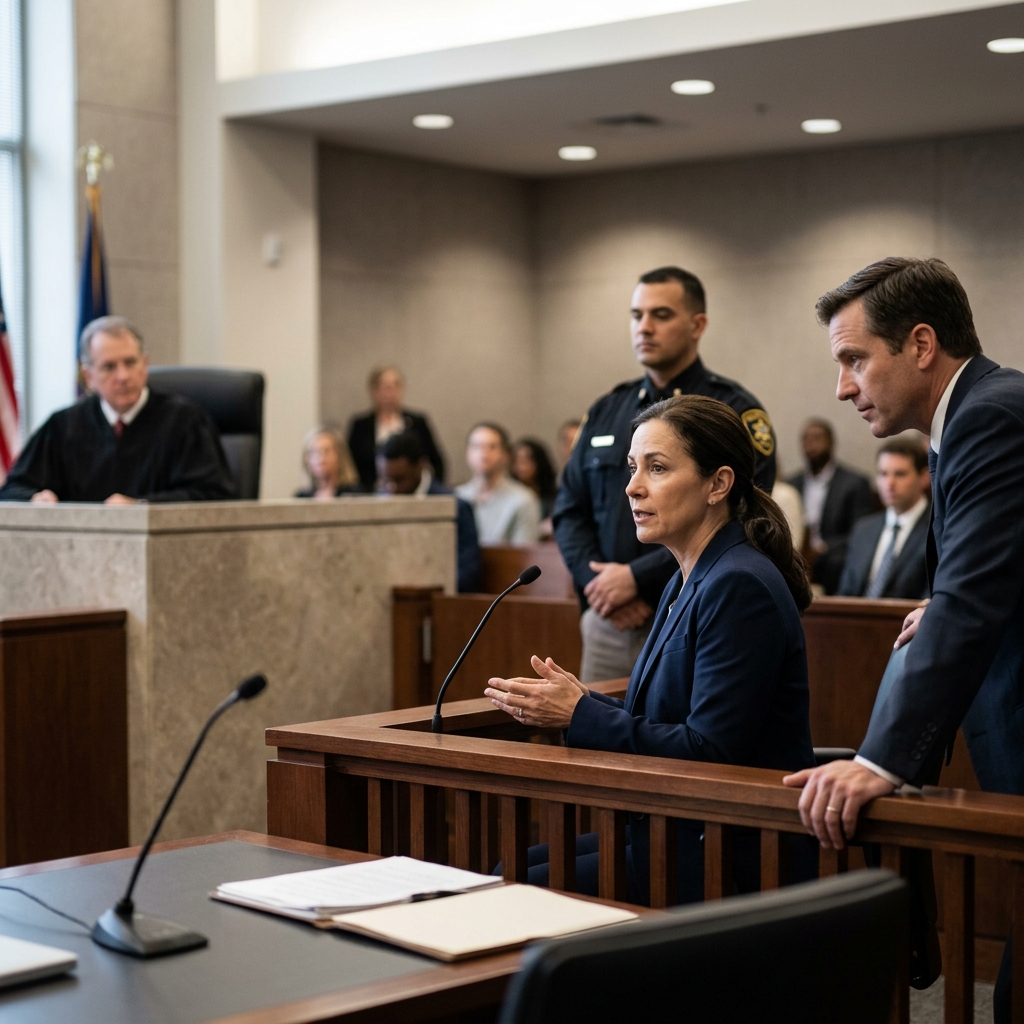
People who witness a crime often focus on the defendant’s rights, but witnesses also have important legal protections. In a criminal prosecution, witnesses may be required to appear, answer questions, and give truthful testimony, yet they are not without rights. Those rights can include protection from intimidation, the ability to assert privilege in limited situations, notice about proceedings, and in some systems, reimbursement for expenses or access to support services.
Understanding these protections matters because criminal trials depend on witness testimony, but the justice system also tries to reduce unnecessary harm to the people who provide it. The rules can vary by jurisdiction, but several core principles appear across criminal procedure: a witness can be compelled to appear through lawful process, may be able to refuse certain questions, and should be treated with dignity and fairness while participating in the case.
What a Witness Does in a Criminal Prosecution
A witness is a person who has information about an alleged offense, the person accused, or facts that may help the court decide what happened. Some witnesses saw the event directly, while others may know about related circumstances, records, or conduct relevant to the charges.
In a criminal case, a witness may be asked to speak with investigators, meet with prosecutors, appear in court, or testify before a grand jury depending on the stage of the case and local procedure. The purpose of that testimony is to help establish facts, test the credibility of evidence, and support a fair verdict.
When a Witness Must Appear
Witnesses are often required to appear after receiving a subpoena or other lawful notice. A subpoena is a formal command to attend court or produce evidence, and failure to comply can lead to legal consequences unless the witness has a valid excuse or the order is challenged successfully.
Even when attendance is required, that does not mean every possible question must be answered. The obligation to appear is separate from the right to assert privilege, seek protection, or object to improper questioning.
Core Rights Witnesses Commonly Have
Although the details depend on the jurisdiction, witnesses in criminal cases commonly have several basic rights. These protections exist to make participation safer and more predictable, while preserving the defendant’s constitutional right to a fair trial.
| Right | What it Means |
|---|---|
| Protection from intimidation | Witnesses may be shielded from harassment, threats, or retaliation connected to their testimony. |
| Notice of proceedings | Some systems require timely notice about hearings, trial dates, or related court events. |
| Privacy and confidentiality | In certain cases, a witness’s identity, contact information, or image may be protected. |
| Language access | Witnesses may have the right to an interpreter or to testify in a language they understand. |
| Expense reimbursement | Some witnesses can recover travel costs or lost earnings from appearing in court. |
The Right to Be Treated Fairly and Respectfully
Witnesses are generally entitled to be treated with dignity and respect throughout the criminal justice process. That includes interactions with police, prosecutors, court staff, and court security personnel. Several public guidance sources emphasize courteous treatment and the availability of support services when a witness needs help participating in proceedings.
This right is practical as well as ethical. A witness who feels safe and respected is more likely to appear, answer accurately, and remain engaged throughout a case. Courts and prosecutors therefore often try to reduce unnecessary stress by explaining procedures, giving scheduling information, and helping witnesses understand what to expect.
Confrontation and Cross-Examination
One of the most important features of a criminal trial is the defendant’s constitutional right to confront witnesses. Under the Sixth Amendment, the accused has the right to face the witnesses against them and cross-examine them in open court.
That right does not create a witness right in the same sense, but it strongly shapes what happens to witnesses in court. Testimony may be tested through questioning by both sides, and the witness may need to answer questions under oath while the judge oversees the process. The confrontation rule also helps explain why criminal trials rely on live testimony rather than secret or purely written accusations.
When a Witness Can Refuse to Answer
Witnesses do not have to answer every question. The most familiar protection is the privilege against self-incrimination, which allows a person to refuse testimony that could expose them to criminal liability. That privilege is often associated with the Fifth Amendment in the United States.
Witnesses may also refuse to answer questions covered by other privileges, such as attorney-client communications, confidential professional relationships, or statutory secrecy obligations. In some legal systems, family relationships can also support a refusal to testify in limited circumstances, especially where testimony could harm close relatives.
Immunity as a Tradeoff for Testimony
Sometimes the government offers immunity to a witness in exchange for testimony. Immunity is a legal protection that reduces or eliminates the risk that the witness’s statements will later be used against them in a prosecution.
There are different forms of immunity. Transactional immunity is broader and protects against prosecution for the subject matter covered by the testimony, while use and derivative-use immunity prevents the prosecution from using the witness’s statements, or evidence derived from them, against the witness. The exact form depends on the governing law and the needs of the case.
Support Measures for Vulnerable Witnesses
Some witnesses need extra protection because of age, trauma, fear, disability, or intimidation. Courts in many places can use special measures to make testimony less stressful and safer. These measures may include video testimony, separate waiting areas, restrictions on direct contact with the accused, or modified courtroom procedures.
Support systems are not meant to favor one side. They are designed to allow the witness to testify reliably without unnecessary risk or distress, while still preserving the defendant’s ability to challenge the evidence.
Sequestration and the Rule Against Hearing Other Witnesses
Courts sometimes separate witnesses from one another so they do not hear each other’s testimony. This practice, often called sequestration, reduces the chance that one witness will shape their account based on what another witness said.
Sequestration helps protect the integrity of the fact-finding process. It does not usually apply to the defendant, who has separate procedural rights as a party to the case, but it can apply to many witnesses who are expected to testify.
Practical Duties a Witness Should Expect
Witness rights are paired with responsibilities. A witness is generally expected to tell the truth, appear on time, and follow courtroom rules. Public guidance for witnesses commonly instructs them to listen carefully, answer only the question asked, avoid guessing, and let the judge resolve objections before responding.
- Arrive when summoned and check in with the appropriate court or prosecutor contact.[10]
- Answer truthfully and avoid exaggeration or speculation.
- Do not discuss the case with other witnesses if that could affect testimony.
- Request clarification if a question is unclear.
- Report threats, intimidation, or safety concerns to court staff or law enforcement.
Expenses, Travel, and Time Away from Work
Many witness-protection programs and court systems recognize that appearing in a criminal case can create financial burdens. Some witnesses may be able to recover travel expenses, mileage, or lost wages associated with attendance.
Compensation rules vary widely, and a witness usually must follow the local process to request payment. Even where reimbursement is available, it may not fully cover the inconvenience or stress of participating in the case.
Safety and Anti-Retaliation Protections
Witness intimidation can undermine criminal justice, so many jurisdictions make it unlawful to threaten, harass, or retaliate against a witness. Some statutes also protect witnesses while they wait to testify or attend hearings.
If a witness feels unsafe, the appropriate response is to notify the prosecutor, court security, sheriff’s office, or another designated contact immediately. In some courts, additional protection may include restricted access, separate entrances, or orders limiting contact with the accused or their representatives.
How Witness Rights Differ from Victim Rights
Witness rights and victim rights often overlap, but they are not identical. A person can be both a victim and a witness, yet some protections apply because the person was harmed, while others apply because the person has relevant information.
For example, a victim may have a stronger claim to notice and participation in proceedings, while a non-victim witness may focus more on subpoena compliance, confidentiality, or expense reimbursement. In practice, however, many court systems provide similar support to both groups because both can face stress, danger, or economic loss from giving testimony.
Frequently Asked Questions
Can a witness refuse to testify?
Sometimes. A witness may refuse to answer certain questions if a valid privilege applies, such as the privilege against self-incrimination or a protected confidential relationship.
Can a witness be forced to come to court?
Yes. A subpoena or similar court order can require attendance, although a witness may challenge the order or seek relief if there is a lawful basis to do so.
What if a witness is scared of the defendant?
The witness should report the concern to the prosecutor, court security, or law enforcement. Courts may use protective measures such as separate waiting areas, video testimony, or restrictions on contact.
Does a witness get paid?
In many jurisdictions, witnesses can request reimbursement for travel or lost income, but the amount and eligibility rules vary.
Do witnesses have to answer every question in court?
No. Witnesses may object to improper questions through counsel, and some questions may be barred by privilege, relevance rules, or legal protections.
Why These Rights Matter
Criminal prosecutions depend on accurate testimony, but the legal system also recognizes that witnesses are often ordinary people placed in a difficult position. Clear rules about appearance, confidentiality, protection, and testimony help balance two goals: a fair trial for the accused and fair treatment for the person giving evidence.
When witnesses understand their rights, they are better able to participate confidently and responsibly. That improves the quality of the evidence, reduces confusion, and supports the larger goal of justice in criminal cases.[10]
References
- Right to Confront Witness — Cornell Law School, Legal Information Institute. n.d. https://www.law.cornell.edu/wex/right_to_confront_witness
- Witness — Public Prosecutor’s Office of the Czech Republic. n.d. https://verejnazaloba.cz/en/more-about-public-prosecution/all-about-criminal-proceedings/who-is-who-in-criminal-proceedings/witness/
- Receiving Immunity for Testimony in a Criminal Law Case — Justia. n.d. https://www.justia.com/criminal/immunity-for-testimony/
- Your rights as a witness — Victim Support. n.d. https://www.victimsupport.org.uk/going-court/your-rights-as-a-witness/
- The Crime Victim’s Right To Be Present, Legal Series Bulletin #3 — U.S. Department of Justice, Office for Victims of Crime. n.d. https://ovc.ojp.gov/sites/g/files/xyckuh226/files/pubs/OVC_Archives/bulletins/legalseries/bulletin3/cvrp_2.html
- Victims and Witnesses: Understanding Your Rights and the Federal Criminal Justice System — U.S. Department of Justice. n.d. https://www.justice.gov/usao-ak/page/file/1442876/dl?inline
- Victim and witness bill of rights — Cheyenne Police Department. n.d. https://www.cheyennepd.org/files/sharedassets/police/victim-and-witness-bill-of-rights-statute.pdf
Similar Articles








Read full bio of medha deb




