
Mortgage Fraud: 5 Common Schemes And How To Prevent Them Today
Learn how mortgage fraud works, recognize red flags, and use practical safeguards to protect your home, credit, and savings.
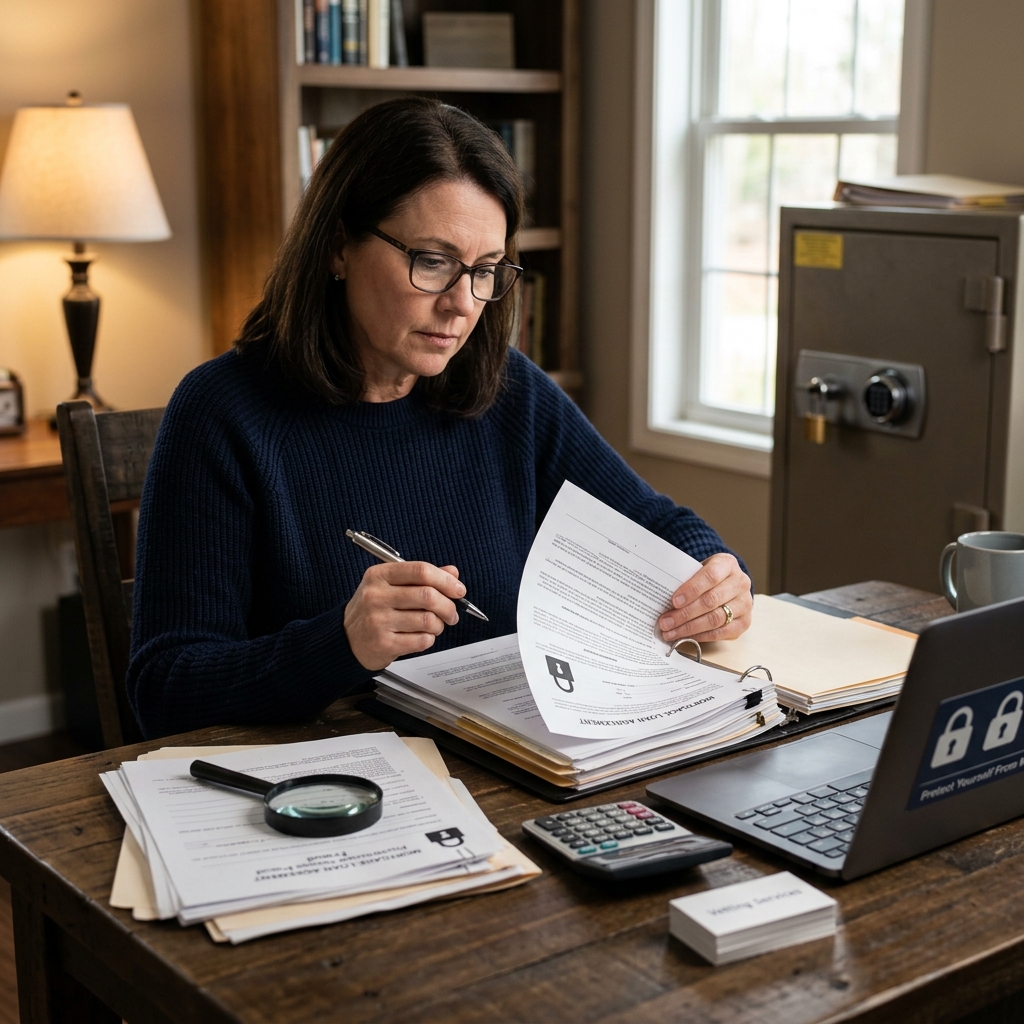
Buying or refinancing a home is one of the largest financial decisions most people ever make. Unfortunately, that also makes mortgage transactions a prime target for fraudsters. Knowing how mortgage fraud works, what warning signs to watch for, and how to respond if you suspect a scam can drastically reduce your risk of losing money, damaging your credit, or even losing your home.
This guide explains mortgage fraud in plain language, outlines common schemes, and provides practical steps to keep yourself safe before, during, and after a mortgage transaction.
What Is Mortgage Fraud?
Mortgage fraud is any intentional misrepresentation, omission, or deception used during a home loan or real estate transaction to obtain money, property, or more favorable loan terms. It can be committed by borrowers, real estate professionals, lenders, investors, or organized criminal groups.
In many cases, the fraud occurs when someone:
- Lies or conceals important facts on a loan application
- Manipulates property values or ownership records
- Uses stolen identities to obtain loans
- Charges excessive or hidden fees for fake services
Mortgage fraud harms more than individual victims. It can distort housing markets, raise costs for honest borrowers, and undermine confidence in financial institutions.
Major Types of Mortgage and Real Estate Fraud
Fraud schemes evolve over time, but several patterns appear repeatedly. Understanding these common types will help you recognize risky situations early.
1. Loan Application Misrepresentation
Some fraudsters try to obtain mortgage approval or better terms by deliberately falsifying information on a loan application.
Common tactics include:
- Inflating income or assets to qualify for a larger loan
- Listing a rental or investment property as a primary residence
- Failing to disclose existing debts or liabilities
- Using a “straw buyer” who applies for the loan but never intends to live in the home
Participating in this kind of misrepresentation, even at the suggestion of a broker or loan officer, can expose you to civil liability and criminal charges.
2. Property Value and Appraisal Schemes
Fraudsters sometimes manipulate property values to extract more money from lenders or buyers. This can happen through collusion among sellers, appraisers, and real estate agents.
Examples include:
- Artificially inflating the appraised value to support a larger loan
- Concealing major defects or using doctored photos to justify an unrealistic price
- “Flipping” a property multiple times among insiders at steadily higher prices to create a false market value
3. Foreclosure Rescue and Loan Modification Scams
Homeowners who are behind on payments or facing foreclosure are especially vulnerable. Scam operators may pose as “rescue” companies or loan modification experts and promise to save your home for a fee.
Typical warning signs:
- Demanding large upfront payments for help with loan modification or foreclosure
- Advising you not to speak with your real lender or servicer
- Asking you to sign over your property deed or title as part of a “temporary” arrangement
- Guaranteeing a specific outcome, such as a payment reduction, regardless of your situation
Legitimate housing counseling and loan modification programs do not require large fees in advance and do not ask you to transfer ownership of your home.
4. Identity-Based Mortgage Fraud
In identity-based schemes, criminals use stolen or fabricated personal information to obtain a mortgage loan in someone else’s name.
This can occur when:
- Someone gains access to your Social Security number, bank accounts, or credit reports
- They apply for a mortgage or home equity loan without your knowledge
- The loan proceeds are diverted to the fraudster, leaving you with a debt you did not authorize
Monitoring your credit reports helps catch this type of fraud early.
5. Wire and Closing Fraud
Near closing, buyers often transfer large sums via wire. Fraudsters intercept emails or send fake instructions, redirecting funds to their own accounts.
Key red flags:
- Last-minute changes to wire instructions
- Requests to send money to an account not clearly associated with your title company or closing agent
- Urgent pressure to send funds immediately without independent verification
Who Is Most at Risk?
Anyone involved in a real estate transaction can be targeted, but certain situations carry higher risk:
- First-time homebuyers who may not understand the process and rely heavily on others
- Homeowners in financial distress, especially those facing foreclosure or struggling with payments
- Older adults who may be targeted by high-pressure sales tactics
- Borrowers with limited English proficiency who may not fully grasp complex loan terms
Early Warning Signs of Mortgage Fraud
Fraud rarely looks obvious. It often appears as a shortcut, a special opportunity, or urgent assistance. Watch for these common warning signs:
- Promises of guaranteed approval regardless of credit or income
- Advice to leave parts of your application blank or to sign documents with unfinished sections
- Pressure to act immediately or sign paperwork you have not read
- Requests that you lie or omit information to qualify for a loan
- Offers that seem too good to be true, such as very low payments without clear explanation
- Instructions not to contact your existing lender, servicer, or official housing counselor
- Unwillingness to provide written documentation of terms, fees, or promises
Practical Steps to Prevent Mortgage Fraud
You cannot eliminate all risk, but you can significantly reduce it by following systematic safeguards from the moment you start considering a mortgage.
Work Only With Reputable Professionals
- Choose licensed and accredited lenders, brokers, and real estate agents
- Verify licenses through state regulatory agencies or professional associations
- Check independent reviews and ask for referrals from trusted friends or family
Read and Understand Every Document
- Never sign documents that contain blank spaces or sections you do not understand
- Compare your initial loan estimate to your final closing documents to ensure terms match
- Ask that all verbal promises be put in writing before you sign
- Consult a real estate attorney if anything is unclear or seems inconsistent
Protect Your Personal Information
- Use secure, encrypted channels for sending sensitive financial information when instructed by your lender or title company
- Avoid sharing Social Security numbers or bank details over unsecured email or phone
- Be skeptical of unsolicited calls or emails asking for personal data, even if they appear to be from a lender
Monitor Your Credit and Accounts
- Obtain free credit reports regularly and review them for unfamiliar accounts or inquiries
- Set up alerts with your bank or credit card issuer for large or unusual transactions
- Respond promptly to notices from lenders or credit bureaus about suspicious activity
Verify Property Information and Title History
- Research the property’s listing history and recent sales of similar homes
- Confirm the legal owner and any liens or outstanding taxes through a title search
- Consider title insurance to protect against certain title-related frauds
Stay Alert at Closing
- Confirm wire instructions directly with your title or closing company using a known phone number
- Immediately verify that the wired funds were received by the intended institution
- Pause the transaction if anyone introduces last-minute changes or creates undue urgency
How to Respond If You Suspect Mortgage Fraud
Quick action can limit financial damage and strengthen any legal case. If you believe you are a victim or see suspicious activity, take the following steps immediately.
| Step | What to Do | Why It Matters |
|---|---|---|
| 1. Document Everything | Gather contracts, emails, text messages, receipts, and notes about what happened. | Provides evidence for law enforcement, regulators, and civil claims. |
| 2. Notify Your Lender | Contact your mortgage lender or servicer and explain the suspected fraud. | Allows the institution to freeze or review accounts and may help prevent further losses. |
| 3. Check Credit Reports | Review your credit reports for unknown accounts or inquiries. | Helps identify identity-based fraud and supports dispute filings with bureaus. |
| 4. Contact Authorities | Report the incident to appropriate federal and consumer protection agencies. | Supports investigations and can lead to enforcement actions against scammers. |
| 5. Seek Legal Advice | Consult a qualified attorney experienced in real estate or consumer protection law. | Helps you understand your rights and potential remedies. |
Reporting Channels Commonly Used in the U.S.
In the United States, several official bodies accept mortgage fraud complaints:
- Internet Crime Complaint Center (IC3), operated by the FBI, for internet-related mortgage and real estate scams
- Federal Trade Commission (FTC) for deceptive practices and fraud involving services or misrepresentation
- Federal banking regulators such as the Office of the Comptroller of the Currency (OCC), if a national bank is involved
- Consumer financial protection agencies at the state or local level, where many mortgage-related complaints are handled
For identity theft related to mortgage or housing scams, federal resources can assist in creating a recovery plan and disputing fraudulent accounts.
Best Practices Before, During, and After Your Mortgage
Thinking about mortgage fraud as a lifecycle—before application, during processing, and after closing—can help you build consistent habits of caution.
Before Applying
- Review your budget and credit history so you know what terms are realistic
- Compare interest rates and fees across multiple reputable lenders
- Be wary of offers that dramatically undercut prevailing market rates without clear explanations
During Loan Processing
- Provide accurate, complete information, even if it reduces the loan amount
- Keep copies of all documents you submit and all communications with professionals
- Ask questions whenever you encounter unfamiliar terms or conditions
After Closing
- Store your closing documents securely and know how to access them quickly
- Monitor statements and escrow accounts for unexpected changes in charges or balances
- Contact your servicer immediately if anything on your bill looks incorrect or confusing
FAQs: Common Questions About Mortgage Fraud
Is mortgage fraud always a crime?
Yes. When someone intentionally lies or hides key information to obtain money or loan approval in a mortgage transaction, that conduct can violate federal and state criminal laws. Civil penalties, such as damages and contract rescission, may also apply.
Can I be liable if a broker falsifies my application?
If you sign documents containing false information or knowingly allow someone to misrepresent your finances, you may share responsibility for the fraud. Do not sign anything that you know or suspect is inaccurate.
Do legitimate loan modification services charge upfront fees?
Legitimate programs generally do not demand large upfront payments and do not guarantee specific results. Many trustworthy counseling services are approved or overseen by government agencies and focus on providing clear, written information about options.
How often should I review my credit for mortgage-related fraud?
It is prudent to check your credit reports at least once per year, and more frequently if you have recently completed a mortgage transaction, experienced a data breach, or noticed unusual financial activity.
What should I do if I receive suspicious wire instructions before closing?
Pause immediately. Call your title company or closing agent using a verified phone number (not one provided in the suspicious message) to confirm the instructions. Do not send any funds until you have independently verified the recipient and account details.
References
- Mortgage Fraud: What You Need to Know to Avoid It — Rocket Mortgage. 2024-01-10. https://www.rocketmortgage.com/learn/mortgage-fraud
- Mortgage Fraud — Office of the Comptroller of the Currency (OCC). 2023-09-15. https://www.occ.gov/topics/consumers-and-communities/consumer-protection/fraud-resources/mortgage-fraud.html
- How to Avoid Mortgage Scams in 2024 — BECU. 2024-02-20. https://www.becu.org/blog/how-to-avoid-mortgage-scams
- How to Protect Yourself from Real Estate Fraud — Scotiabank. 2023-03-01. https://www.scotiabank.com/ca/en/personal/advice-plus/features/posts.how-to-protect-yourself-from-real-estate-fraud.html
- What Is Mortgage Fraud? — Allstate. 2023-08-10. https://www.allstate.com/resources/identity-protection/what-is-mortgage-fraud
- Mortgage Fraud Prevention Tips — Federal Bureau of Investigation (FBI). 2005-12-14. https://archives.fbi.gov/archives/news/stories/2005/december/mortgage-fraud-prevention-tips-1
- Mortgage Fraud — National Association of REALTORS®. 2022-06-01. https://www.nar.realtor/mortgage-fraud
Similar Articles








Read full bio of Sneha Tete




