
Pregnancy Bias in Entertainment: The Shane Stirling Case
How a game-show model’s lawsuit highlights pregnancy discrimination, legal protections, and the limits of workplace equality.
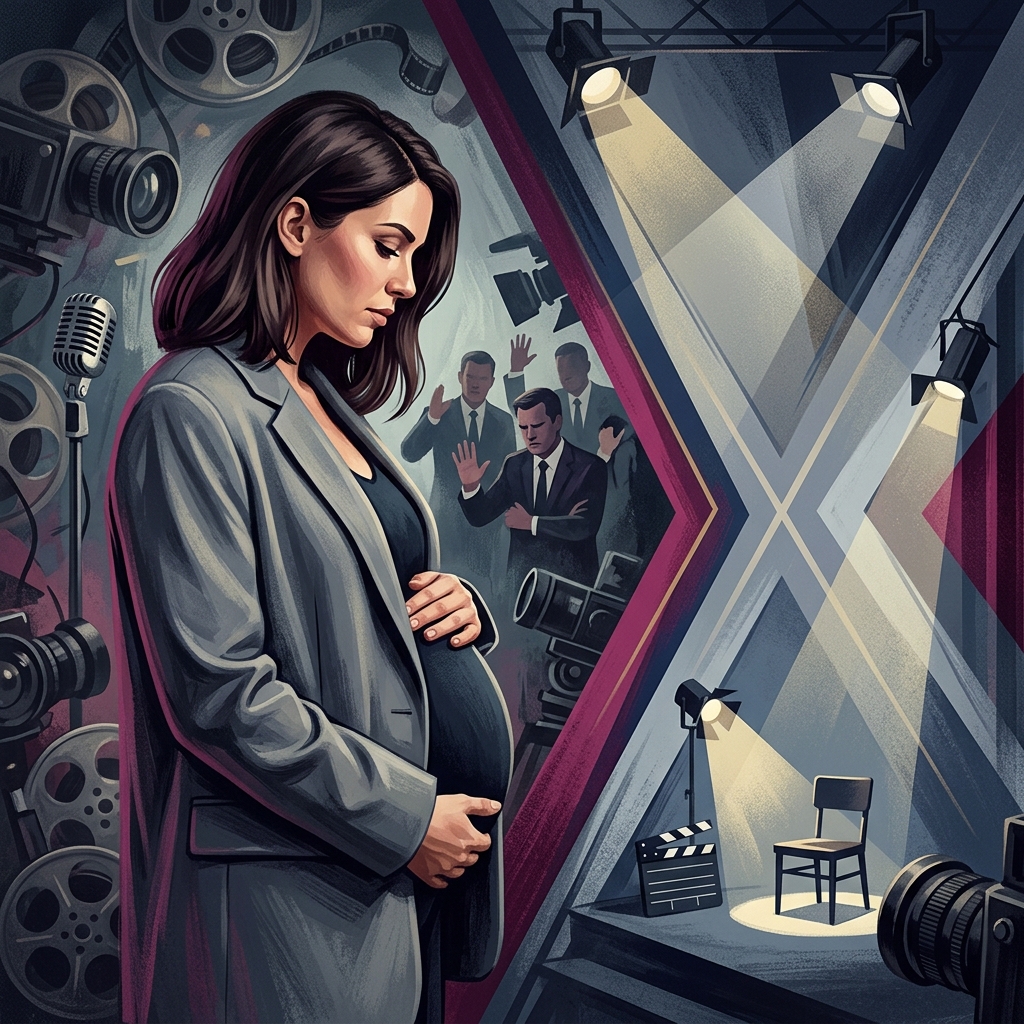
Allegations that model Shane Stirling was pushed off the iconic TV game show “The Price Is Right” after becoming pregnant drew national attention to pregnancy discrimination in the entertainment industry. Her lawsuit described a working world where a pregnant body was framed as a “liability,” while producers later convinced a court they had legitimate business reasons for ending her role. This clash between lived experience and legal standards offers a useful lens for understanding how pregnancy discrimination law operates in practice.
This article uses the Stirling case as a starting point to explore the legal protections for pregnant workers, how courts evaluate discrimination claims, and what employees and employers can learn from this high-profile dispute.
1. The Story Behind the Lawsuit
1.1 Who is Shane Stirling?
Shane Stirling is best known to audiences as one of the models on the long-running game show The Price Is Right, where models display prizes and frequently appear on camera alongside the host. She joined the show in the early 2000s and quickly became part of its familiar on-air lineup. In the world of television, where appearance and on-screen continuity can be central to a brand, models often occupy highly visible yet legally complex roles.
1.2 Pregnancy and Early Leave Allegations
According to coverage of her lawsuit, Stirling announced her pregnancy in late 2006. She later alleged that then-host Bob Barker reacted by insisting she should not work while pregnant, citing safety and liability concerns. Her complaint described being placed on an early and involuntary leave, rather than being allowed to continue working with reasonable accommodations.
Stirling claimed:
- Her pregnancy triggered concern about potential on-set falls or accidents.
- She was told she should not appear because it was “dangerous” and a “liability” for the show.
- Her leave began earlier than medically necessary and was not truly voluntary.
These allegations fit a pattern often seen in pregnancy discrimination claims: an employer reframes bias as concern for the worker’s safety, rather than allowing the employee to decide whether she can perform her job with appropriate medical guidance.
1.3 Return to Work and Termination
After Barker left the show, Stirling was allowed to return in 2008. However, she was then informed that the show was “going in another direction” and that her services were no longer needed. Stirling argued that this explanation masked a decision rooted in her pregnancy and earlier leave, while the producers countered that their decision was based on legitimate creative and business considerations.
Her lawsuit sought more than $25,000 in damages and asserted claims including pregnancy discrimination, negligent hiring and supervision, and intentional infliction of emotional distress. A trial court judge later sided with the producers, accepting their non-discriminatory explanation for her termination.
2. Legal Framework: How U.S. Law Protects Pregnant Workers
2.1 Core Federal Protections
Stirling’s claims fit within a broader legal framework that protects pregnant workers in the United States. Key federal laws include:
| Law | Main Protection | Relevance to Pregnancy |
|---|---|---|
| Title VII of the Civil Rights Act | Prohibits employment discrimination based on sex, race, color, national origin, and religion. | Pregnancy discrimination is treated as a form of sex discrimination through the Pregnancy Discrimination Act. |
| Pregnancy Discrimination Act (PDA) | Requires employers to treat pregnancy, childbirth, and related conditions the same as other temporary conditions for all employment-related purposes. | Covers hiring, firing, leave, benefits, and conditions of employment. |
| Americans with Disabilities Act (ADA) | Protects workers with disabilities and may apply if pregnancy-related complications substantially limit major life activities. | Can require reasonable accommodations for some pregnancy-related conditions. |
The Equal Employment Opportunity Commission (EEOC) enforces these laws and has issued guidance clarifying that employers may not force pregnant employees to stop working if they are able to perform their jobs, nor may they treat pregnancy as a reason for termination or demotion.
2.2 State and Local Protections
Many states go further than federal law. For example, California—where Stirling’s lawsuit was filed—has the Fair Employment and Housing Act (FEHA), which provides strong protections against discrimination and often makes it easier for employees to bring claims compared with federal law. States may also require specific accommodations, such as:
- More frequent or longer breaks.
- Temporary reassignment of hazardous tasks.
- Permission to sit rather than stand for long periods.
- Modified schedules for prenatal appointments.
These protections are designed to ensure that pregnancy does not become a de facto reason for exclusion from the workforce.
3. How Courts Evaluate Pregnancy Discrimination Claims
3.1 The Burden-Shifting Framework
Most pregnancy discrimination cases are evaluated under the same burden-shifting framework used in other employment discrimination claims, often referred to as the McDonnell Douglas test. Although the specific steps can vary slightly, the general structure is:
- Step 1: Prima facie case – The employee must show that she was pregnant, was qualified for her job, suffered an adverse action (such as termination), and that circumstances suggest discrimination (for example, timing close to the pregnancy announcement).
- Step 2: Employer’s non-discriminatory reason – The employer must then offer a legitimate, non-discriminatory reason for the action (such as restructuring, performance issues, or creative decisions in entertainment).
- Step 3: Pretext – The employee must show that the stated reason is a pretext—essentially a cover—for discrimination.
In Stirling’s case, the court ultimately accepted the producers’ explanation that they had legitimate reasons for not rehiring her, rather than discriminatory motives based on pregnancy.
3.2 Timing and Evidence
Timing often plays a crucial role. When termination or removal occurs immediately after a pregnancy announcement, it can support an inference of discrimination. However, courts typically require more than timing alone. Employees may need:
- Emails or messages suggesting bias.
- Witness testimony about discriminatory comments.
- Evidence that non-pregnant employees in similar roles were treated more favorably.
Stirling claimed that her early leave and eventual dismissal flowed directly from the announcement of her pregnancy, but the producers argued that later staffing decisions were based on other factors tied to the show’s creative direction.
3.3 Perception of Risk vs. Discrimination
One common challenge in pregnancy cases is the employer’s invocation of safety or liability concerns. Courts have repeatedly emphasized that paternalistic decisions—where an employer claims to act in the employee’s best interest—can still constitute discrimination if they limit a pregnant worker’s opportunities.
For example, if a job involves physical activity or on-camera movement, an employer may:
- Assess genuine safety hazards and consult medical guidance.
- Offer accommodations or temporary task adjustments.
- Avoid unilateral bans on pregnant workers without individualized assessment.
When an employer simply declares pregnancy a “liability” without exploring accommodations, that stance may clash with anti-discrimination principles.
4. Unique Pressures of the Entertainment Industry
4.1 Image, Branding, and Casting Decisions
Television producers regularly make casting and styling decisions based on image and audience expectations. In the context of a game show, producers might argue that they are entitled to decide which models appear on screen and what overall look they want for the show. This can create tension with anti-discrimination laws when casting criteria intersect with protected characteristics, including pregnancy.
Courts sometimes recognize a narrow “bona fide occupational qualification” (BFOQ) defense for certain roles where specific characteristics are genuinely necessary. However, BFOQ defenses are very limited and rarely justify discrimination based on pregnancy.
4.2 Short-Term Contracts and Informal Practices
Many entertainment professionals work under short-term, renewable contracts or as freelancers. This can make it difficult to distinguish between routine non-renewal and discriminatory termination. In the Stirling case, producers argued that they were free to change the modeling lineup and that their decision not to continue her appearances was a legitimate business choice.
Workers in entertainment often face added challenges in proving discrimination because:
- Decisions may be justified as “creative” or “branding” choices.
- Contracts may not guarantee long-term employment.
- Informal casting practices can mask inconsistent treatment of performers.
4.3 Public Scrutiny and Reputation
High-profile plaintiffs like Stirling can attract media attention, which may influence how employers respond publicly and legally. While publicity can bring awareness to systemic issues like pregnancy discrimination, it does not change the legal standards courts apply. Judges still require evidence that meets established legal thresholds.
5. Lessons for Workers: Protecting Yourself From Pregnancy Discrimination
5.1 Know Your Rights Early
Employees who become pregnant—or are planning pregnancy—benefit from understanding their rights before problems arise. The EEOC and many state agencies publish plain-language guidance explaining when an employer must treat pregnancy like any other medical condition, provide accommodations, or allow leave.
Practical steps include:
- Reviewing company policies on medical leave, accommodations, and job protection.
- Keeping copies of contracts, employee handbooks, and HR policies.
- Understanding whether your jurisdiction provides extra protections for pregnancy and childbirth.
5.2 Document Interactions and Decisions
Documentation can be critical in any future dispute. Workers should consider:
- Saving emails, messages, and written instructions related to pregnancy, leave, scheduling, or job changes.
- Keeping a timeline of key events—announcement of pregnancy, any changes in treatment, leave dates, and performance evaluations.
- Writing down details of important conversations soon after they happen, including who was present and what was said.
In a case like Stirling’s, documentation related to who requested leave, the stated reasons, and any post-pregnancy performance feedback could help clarify whether the employer’s explanation is credible.
5.3 Seek Advice Promptly
Employees who suspect discrimination should consider speaking with:
- An employment attorney familiar with pregnancy and family-related claims.
- A government agency such as the EEOC or a state fair employment agency.
- Trusted HR personnel, if available and reliable.
There are strict time limits (statutes of limitations) for filing discrimination charges, so waiting too long can reduce legal options.
6. Lessons for Employers and Producers
6.1 Build Policies that Center Compliance and Respect
Employers in entertainment and other industries can reduce legal risk and improve workplace culture by adopting clear policies on pregnancy and parental status. Effective policies generally:
- Explicitly prohibit discrimination based on pregnancy, childbirth, or related conditions.
- Provide clear procedures for requesting accommodations or leave.
- Ensure decision-makers understand that paternalistic or image-based reasoning cannot justify adverse actions against pregnant workers.
Training for supervisors and high-profile figures—such as hosts, directors, and producers—can help prevent comments or decisions that later appear biased.
6.2 Use Individualized, Evidence-Based Safety Assessments
Where genuine safety concerns exist (for instance, in physically demanding or stunt-heavy roles), employers should rely on individualized assessments rather than assumptions about pregnant workers.
Best practices include:
- Consulting with the employee and, where appropriate, her healthcare provider.
- Documenting the specific risks considered and accommodations explored.
- Avoiding blanket rules that categorically bar pregnant employees from certain tasks.
By treating pregnancy as one of many temporary health-related conditions that may require adjustment, employers can better align with legal standards and ethical workplace norms.
6.3 Handling Media-Sensitive Disputes
When disputes involve public figures, employers should anticipate media interest and ensure that public statements are consistent with internal documentation. A divergence between what is said publicly and what appears in internal emails or memos can undermine the credibility of a defense in court.
7. Frequently Asked Questions
Is it legal to fire someone because they are pregnant?
No. Under federal law, firing someone because she is pregnant is generally illegal. The Pregnancy Discrimination Act requires pregnant workers to be treated the same as others similar in their ability or inability to work. Employers may only make adverse decisions based on legitimate, non-discriminatory reasons that they can document and defend.
What if the employer says pregnancy is a safety risk?
Employers may consider genuine safety risks, but they cannot rely on generalized fears or stereotypes about pregnancy. They should evaluate the specific job duties and explore accommodations. Automatically removing a pregnant worker from a role without individualized assessment can be discriminatory.
Does a worker have to be pregnant at the moment of firing to sue?
No. Courts have allowed claims where the alleged discrimination stems from pregnancy or childbirth, even if the termination occurs later, so long as there is a connection between the pregnancy and the adverse decision. In disputes like Stirling’s, the key question is whether the pregnancy played a role in the decision, not whether the worker was visibly pregnant at the precise moment.
How much evidence does a worker need to win a case?
There is no fixed amount, but workers generally must show enough evidence for a judge or jury to reasonably conclude that pregnancy was a motivating factor. This can include timing, statements by decision-makers, comparative treatment of other employees, and inconsistencies in the employer’s explanation.
Are entertainment workers protected the same way as other employees?
Yes. The same federal and state anti-discrimination laws generally apply to entertainment workers as to other employees, although contractual arrangements and the nature of the industry can complicate how claims are litigated. Creative discretion does not provide blanket immunity from pregnancy discrimination rules.
8. Why the Shane Stirling Case Matters
The Shane Stirling lawsuit did not end with a courtroom victory for the model; a judge accepted the producers’ explanation that they acted for non-discriminatory reasons and tentatively dismissed her key claims. Yet the case remains significant because it underscores how difficult it can be to prove pregnancy discrimination, especially in industries where staffing decisions are heavily influenced by branding and image.
For workers, the case is a reminder to:
- Understand legal protections before announcing pregnancy.
- Document suspicious timing or comments.
- Seek legal or agency advice promptly if they believe bias has occurred.
For employers and producers, it highlights the need to:
- Ensure decisions about pregnant workers are grounded in law, not stereotypes.
- Train leaders to avoid statements that frame pregnancy as a “liability.”
- Adopt clear, consistent policies on pregnancy, leave, and accommodations.
Ultimately, the Stirling case illustrates the gap that can exist between workplace perceptions of fairness and the evidence required in court. Understanding that gap can help both employees and employers navigate pregnancy-related issues more thoughtfully and lawfully.
References
- ‘Price Is Right’ Producers Win Pregnancy Bias Lawsuit — The Hollywood Reporter. 2011-03-22. https://www.hollywoodreporter.com/business/business-news/price-is-right-lawsuit-pregnancy-discrimination-293805/
- Game Show Models Claim Pregnancy Discrimination — PLANSPONSOR. 2010-08-11. https://www.plansponsor.com/game-show-models-claim-pregnancy-discrimination/
- Model Fired for Getting Pregnant? — Yahoo Life UK. 2010-08-09. https://uk.style.yahoo.com/2010-08-09-model-fired-for-getting-pregnant.html
- Model Shane Stirling Fired for Being Pregnant? — FindLaw Archive. 2010. https://archive.findlaw.com/blog/model-shane-stirling-fired-for-being-pregnant/
- Enforcement Guidance on Pregnancy Discrimination and Related Issues — U.S. Equal Employment Opportunity Commission (EEOC). 2015-06-25 (current guidance). https://www.eeoc.gov/laws/guidance/enforcement-guidance-pregnancy-discrimination-and-related-issues
Similar Articles








Read full bio of medha deb




