
Planning a Pet Trust to Protect Your Companion
Learn how pet trusts work, what they can pay for, and how to structure one so your animals are cared for if you die or become incapacitated.
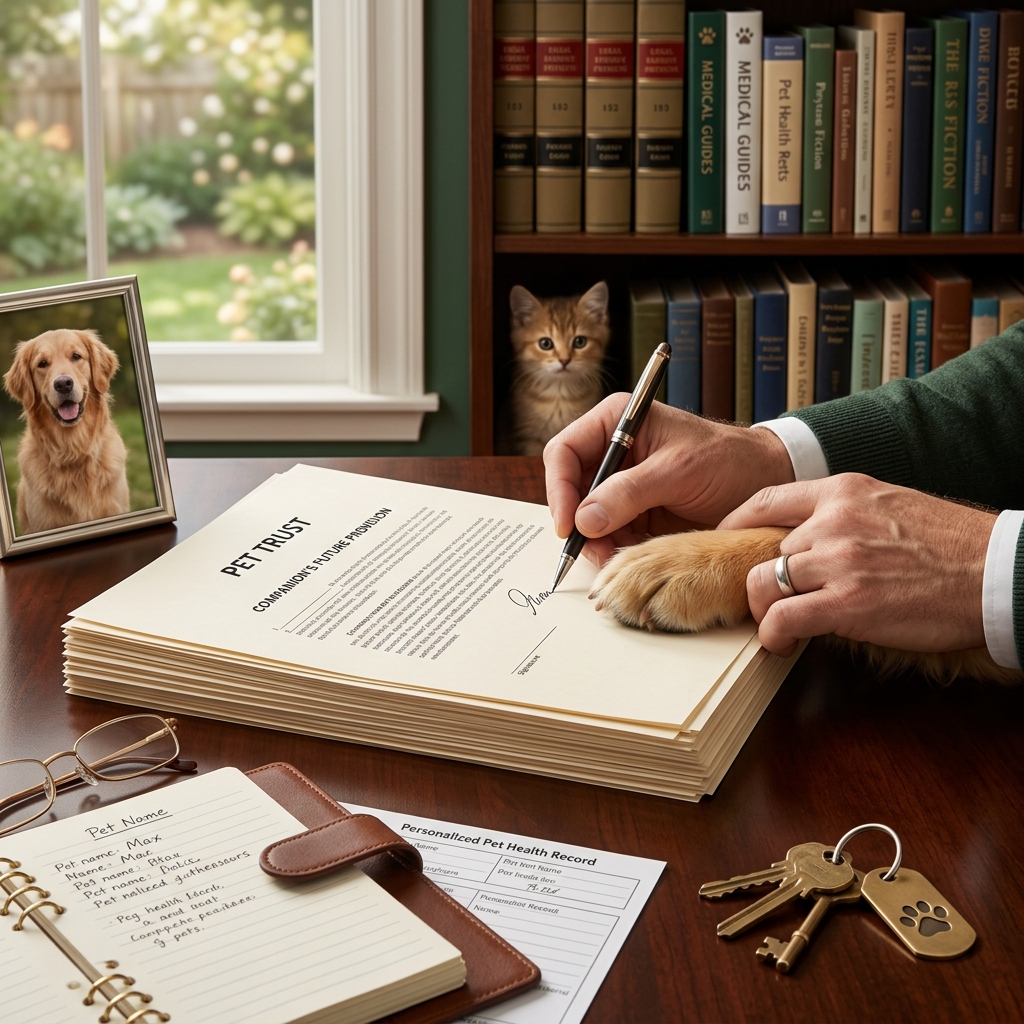
For many people, companion animals are family. A pet trust is a legal tool that lets you set aside money and instructions to provide for your animals if you die or become unable to care for them. It adds structure and accountability beyond simply asking a friend or relative to “take the pet” and hoping for the best.
This guide explains how pet trusts work, the key roles you must name, typical state law rules, and practical steps to design a plan that matches your pet’s needs and your budget.
1. What Is a Pet Trust?
A pet trust is a legally enforceable arrangement that holds property and uses it to pay for the care of one or more identified animals. The trust is created by a pet owner (sometimes called the grantor or settlor) and managed by a trustee for the benefit of the animal.
In most cases, a pet trust:
- Is established during your lifetime (in a will or a separate trust document) and funded at death or disability.
- Names a caregiver who will have physical custody of your pet.
- Provides money to cover day-to-day care, medical treatment, grooming, and other needs.
- Terminates when the pet (or the last surviving pet covered) dies, or when a state law time limit is reached.
Under modern U.S. law, all 50 states and the District of Columbia have some form of pet trust statute that recognizes these arrangements as valid.
2. Why Consider a Pet Trust Instead of an Informal Promise?
Leaving a pet to a trusted person with a verbal agreement is common, but it has weaknesses. A pet trust offers more certainty because it is enforceable and guided by written terms.
| Feature | Pet Trust | Informal Promise or Simple Will Gift |
|---|---|---|
| Legal status | Recognized and governed by specific pet trust laws in every state. | Relies on caregiver’s goodwill; no special enforcement mechanism. |
| Oversight | Trustee and often an enforcer can monitor the pet’s care. | Usually no third-party oversight. |
| Use of funds | Money must be used according to the trust’s terms for the animal. | Recipient generally free to spend funds as they wish. |
| Duration | Typically lasts for the pet’s life, subject to state limits. | Ends when the gift is spent; no structured timeline. |
| Clarity | Detailed instructions on housing, diet, veterinary care, and end-of-life options. | Often no written guidance beyond “take care of the pet.” |
3. How Pet Trusts Work Under State Law
Although every U.S. jurisdiction now allows some form of pet trust, details differ. Many states base their statutes on the Uniform Trust Code, which provides a model section for animal trusts. Others have custom provisions but follow similar principles.
3.1 Valid Pets and Duration Limits
- Most statutes allow trusts for animals that are alive during the owner’s lifetime, including multiple pets.
- Some states explicitly permit the trust to continue for the life of the animal or the last surviving animal covered.
- Other jurisdictions impose a cap (often 21 years), which can affect long‑lived animals such as horses or parrots.
Because of these differences, it is important to confirm how your state treats the duration of pet trusts and whether there are limits on the total amount you can place in the trust.
3.2 Enforceability and Oversight
A key challenge with animal beneficiaries is that they cannot sue or complain if something goes wrong. To address this, pet trust laws typically allow one or more people to enforce the trust.
- Some statutes authorize an explicitly named trust enforcer or protector to act for the animal’s benefit.
- If the trust fails to name such a person, a court can appoint someone to ensure the care instructions are followed.
This enforcement structure is what separates pet trusts from simple gifts or promises; it gives courts a basis to intervene if the trustee misuses funds or the caregiver neglects the animal.
4. Essential Roles in a Pet Trust
A well-designed pet trust hinges on clearly defined human roles. One person can fill multiple roles, but separating them can improve accountability.
4.1 The Grantor (You)
The grantor is the person who creates and funds the trust. As grantor, you:
- Decide which pets are covered and how detailed your care instructions will be.
- Choose the trustee, caregiver, enforcer, and remainder beneficiaries.
- Determine how and when the trust will be funded (for example, via a will or a revocable living trust).
4.2 The Trustee
The trustee manages the money and ensures it is used according to the trust. Trustees can be individuals or professional institutions such as trust companies or law offices.
Typical trustee responsibilities include:
- Holding and investing the trust assets prudently.
- Making regular distributions to the caregiver for food, shelter, and routine expenses.
- Paying veterinary bills, grooming costs, pet insurance premiums, and other approved expenses.
- Keeping records of expenditures and providing periodic reports when required.
4.3 The Caregiver or Custodian
The caregiver is the person who will live with and directly care for your pet. It should be someone who genuinely likes animals and is willing and able to take on the responsibility over the long term.
When selecting a caregiver, consider:
- Experience with your type of animal (for example, large dogs, exotic birds, or special‑needs pets).
- Housing situation and whether pets are allowed.
- Compatibility with your pet’s temperament.
- Age and health of the caregiver compared with your pet’s expected lifespan.
Most planners also name one or more backup caregivers in case the first choice is unable or unwilling to serve when the time comes.
4.4 The Trust Enforcer or Protector
Because your pet cannot voice complaints, many trusts designate a separate enforcer (sometimes called a protector) to monitor both the trustee and the caregiver.
This person might:
- Visit or check in on the animal periodically.
- Review spending to ensure funds are used for the pet’s benefit.
- Request changes in caregiver if the pet’s needs are not being met.
- Petition a court if the trustee or caregiver fails to follow the trust’s terms.
4.5 Remainder Beneficiaries
Many pets will not consume all of the funds set aside for them. A pet trust usually names remainder beneficiaries to receive any money left when the trust ends.
Remainder beneficiaries may include:
- Family members or friends.
- Charities, such as animal shelters or rescue organizations.
- Your main estate or another trust.
5. Identifying the Animals and Their Needs
To be effective, the trust must clearly identify each covered animal and outline what standard of care you expect.
5.1 Properly Identifying Each Pet
Because courts and trustees may not know your animals personally, it helps to use multiple identifiers, such as:
- Name and species (for example, “Milo the domestic short‑hair cat”).
- Breed, color, markings, and approximate age.
- Microchip number or tattoo, if applicable.
- Photographs kept with the trust records.
Clear identification helps prevent confusion if you have several similar animals or if there is any dispute about which pets the trust was intended to cover.
5.2 Describing Your Desired Standard of Care
Most pet trusts include at least a general description of the lifestyle and care you want your animals to receive. You can be brief or highly detailed, depending on your preferences.
Topics you might address include:
- Type of housing (apartment, house with yard, farm, etc.).
- Indoor vs. outdoor living and exercise expectations.
- Preferred brands of food or dietary rules.
- Frequency of veterinary checkups and vaccinations.
- Grooming routines and professional grooming schedules.
- Arrangements for boarding or pet‑sitting when the caregiver travels.
Specificity can help avoid misunderstandings, but it is also wise to include language allowing the caregiver and veterinarian some discretion to respond to changing circumstances.
6. Funding the Pet Trust
Determining how much money to place in a pet trust is more art than science, but some general guidelines can help. Many planners start by estimating the pet’s annual cost of care and multiplying it by the animal’s remaining life expectancy, then adjusting for possible emergencies.
6.1 Estimating Annual Costs
Costs vary widely by species, health status, and region, but you can build a rough annual budget by listing expected expenses such as:
- Food and treats.
- Routine veterinary visits, vaccinations, and preventive medications.
- Emergency or specialist care.
- Grooming and supplies (litter, bedding, toys, leashes, cages).
- Pet insurance premiums, if you want the trust to continue coverage.
- Boarding or pet‑sitting fees.
Once you have an estimated yearly total, you can project it across the number of years the animal is likely to live and add a buffer for inflation and unforeseen medical costs.
6.2 Reasonableness and Excess Funding
Some state laws allow courts to reduce the amount held in a pet trust if it is clearly far more than needed for the animal’s care. In practice, this usually becomes an issue only when very large sums are involved. Choosing a reasonable amount—supported by a written budget—helps avoid challenges.
You can also guide the trustee on how to handle excess funds if your pet dies sooner than expected, such as by:
- Directing remaining funds to family members.
- Leaving a portion to animal welfare organizations.
- Returning them to your main estate plan.
7. Medical Decisions and End-of-Life Directions
Many pet owners worry about what will happen if their animal becomes seriously ill or injured after they are gone. A pet trust can include guidance on medical treatment and end‑of‑life choices.
Common instructions address:
- How aggressive medical treatment should be (for example, whether to authorize major surgery or chemotherapy).
- Pain management and palliative care preferences.
- Who should be involved in decisions (caregiver, trustee, veterinarian, and sometimes the enforcer jointly).
- Criteria for humane euthanasia, such as chronic pain or incurable disease that significantly reduces quality of life.
- Preferred handling of remains, including burial, cremation, or memorial donations.
Because medical options and costs can change, many trust documents blend broad principles (for example, prioritizing comfort and quality of life) with a requirement that the caregiver consult a veterinarian before making irreversible decisions.
8. When Does a Pet Trust Start and End?
8.1 Triggering Events
A pet trust typically becomes operational when a specified event occurs, such as:
- Your death (most common when the trust is created in a will).
- Your incapacity, if the trust or a related revocable trust authorizes funding upon disability.
- A combination of both, with provisions for interim care if you are temporarily unable to manage your affairs.
Well‑drafted plans often coordinate a revocable living trust and a pet trust so that the trustee can immediately use funds for the animal’s needs if you become incapacitated before death.
8.2 Termination of the Trust
Most pet trust statutes specify that the trust terminates when:
- The animal (or last surviving animal covered) dies, or
- A statutory maximum duration is reached (for example, 21 years in some states).
At termination, the trustee pays any final expenses, then distributes remaining funds to the remainder beneficiaries named in the document.
9. Practical Tips for Creating an Effective Pet Trust
Beyond following legal formalities, there are practical steps you can take to make your pet trust more workable and less likely to generate disputes.
- Talk to your chosen caregiver in advance. Make sure they are willing and able to take the pet and understand the responsibilities.
- Consider separating the roles. Using different people for caregiver, trustee, and enforcer can create checks and balances.
- Write a companion care letter. Alongside the legal document, prepare a practical guide describing your pet’s routines, likes and dislikes, medical history, and favorite activities.
- Plan for updates. Pets age, health changes, and relationships evolve. Review the trust periodically and update it when major life events occur.
- Coordinate with your overall estate plan. Ensure your will, powers of attorney, insurance designations, and any revocable trusts are consistent with the pet trust’s terms.
10. Frequently Asked Questions About Pet Trusts
Do all states recognize pet trusts?
Yes. Every state and the District of Columbia now has a statute authorizing some form of pet trust, although details and limits vary by jurisdiction.
Can I create one trust for multiple pets?
In many states you can create a single trust to benefit all pets living at the time of the trust’s creation, with the trust typically ending at the death of the last surviving animal covered.
What happens if I leave too much money for my pet?
If a trust is funded with an amount that is clearly far in excess of the animal’s needs, some statutes allow a court to reduce the amount and redirect the surplus according to your estate plan or statutory rules.
Can the trust start if I am only incapacitated, not dead?
Yes. Many planners draft pet‑related provisions into revocable living trusts so that funds are available for the animal if you become incapacitated, not just after death.
Do I need a lawyer to set up a pet trust?
While some jurisdictions allow simple forms, pet trusts still must comply with state trust law and interact with your broader estate plan. Consulting an attorney familiar with estate planning and your state’s pet trust statute helps ensure validity and reduce the risk of disputes or unintended consequences.
References
- Pet Trust Laws — ASPCA. 2023-03-01. https://www.aspca.org/pet-care/pet-planning/pet-trust-laws
- Map of States with Companion Animal (Pet) Trust Laws — Animal Legal & Historical Center, Michigan State University College of Law. 2026-01-15. https://www.animallaw.info/content/map-states-companion-animal-pet-trust-laws
- Protect Your Pet’s Future: Pet Trusts and Pet Protection Agreements — National Association of Estate Planners & Councils Journal. 2006-01-01. https://www.naepcjournal.org/journal/issue19f.pdf
- Pet Trusts Explained: Ensure Your Pet’s Care After You’re Gone — American College of Trust and Estate Counsel (ACTEC). 2020-09-10. https://www.actec.org/resource-center/video/pet-trust/
- Pet Trusts: A Primer — American Bar Association, GPSolo. 2025-02-01. https://www.americanbar.org/groups/gpsolo/resources/magazine/2025-jan-feb/pet-trusts-primer/
- Whiskers and Trusts: How a Pet Trust Secures Your Furry Friend’s Future — Wilchins Cosentino & Novins LLP. 2023-06-20. https://wcnllp.com/whiskers-and-trusts-how-a-pet-trust-secures-your-furry-friends-future/
- Estate Planning Update: Get Your Ducks in a Row – Planning with Pet Trusts — Day Pitney LLP. 2022-12-15. https://www.daypitney.com/insights/publications/2022/12/epu4-get-your-ducks-row-planning-with-pet-trusts
Similar Articles








Read full bio of Sneha Tete


