
Parental Liability for Not Vaccinating Children
How tort, criminal, and child protection laws can apply when parents refuse vaccines and others are harmed.
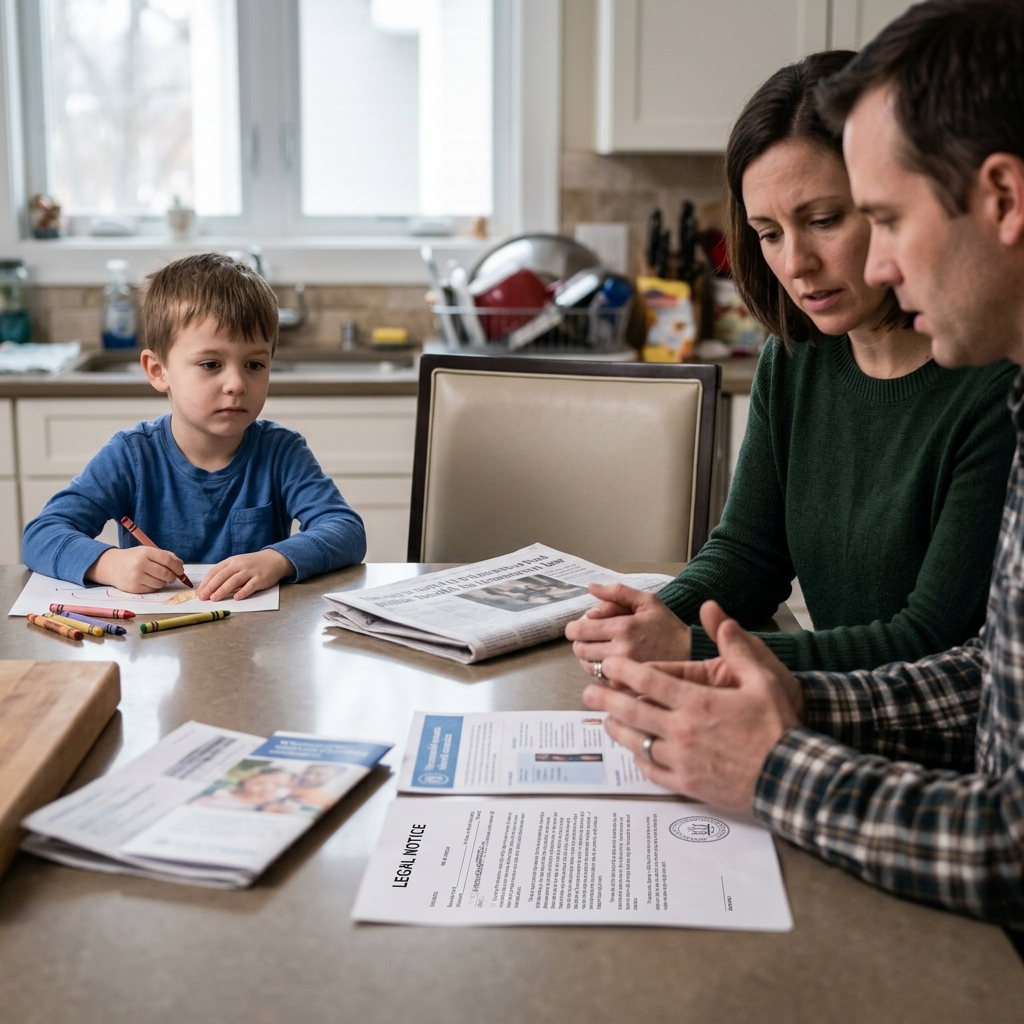
Arguments over childhood vaccines are often framed as a clash between individual choice and public health. Yet behind debates in clinics, schools, and legislatures lies a critical legal question: can parents be held liable when they refuse to vaccinate their children and someone is harmed? This article examines how existing law addresses that question and how emerging proposals might expand parental responsibility.
Vaccines, Rights, and Responsibilities: The Legal Landscape
In every U.S. state, childhood vaccination laws sit at the intersection of parental rights, children’s welfare, and the community’s interest in preventing outbreaks. Generally:
- States can require childhood vaccinations to protect public health, often tying immunization to school, daycare, or childcare enrollment.
- Parents do not have a constitutional right to refuse vaccines if that refusal endangers the public; this principle dates back at least to a 1905 Supreme Court decision upholding vaccine mandates.
- Religious and philosophical exemptions are allowed in most states, though some states have recently narrowed or repealed broad non-medical exemptions.
These laws define when vaccines are required but do not automatically answer whether parents are financially or criminally responsible if they decline vaccination and a child or third party suffers harm. To understand liability, it is necessary to look separately at civil tort law, criminal law, and child protection rules.
Civil Liability: When Failure to Vaccinate Becomes a Personal Injury Case
Civil liability focuses on whether a parent’s decision not to vaccinate can be considered legally negligent when an unvaccinated child transmits a disease to another person or suffers preventable harm. Traditional tort law asks whether the defendant owed a duty, breached it, caused harm, and produced compensable damages.
Current Tort Law: Limited Direct Duties to Vaccinate
Under current U.S. law, no state has generally imposed an unequivocal legal duty on parents to vaccinate their children across all settings. While school-entry laws require immunization, those mandates often allow documented exemptions. As a result:
- Failure to vaccinate, by itself, is usually not treated as a breach of a general tort duty where exemptions exist.
- Parents who lawfully exercise exemptions typically face indirect consequences (such as school exclusion during outbreaks) rather than automatic civil liability for disease transmission.
However, tort law does not stop at the existence of exemptions. Courts can still consider whether a parent’s conduct was unreasonable in particular circumstances, especially when non-disclosure or reckless behavior increases risks to identifiable individuals.
Potential Civil Claims Arising from Non-Vaccination
If an unvaccinated child contracts a vaccine-preventable disease and infects others, various civil causes of action may be raised:
- Negligence – Plaintiffs might argue that a reasonable parent would have vaccinated or, at minimum, warned others that the child was unvaccinated and potentially contagious, particularly during known outbreaks.
- Negligent misrepresentation or nondisclosure – If parents fail to disclose that the child is unvaccinated when interacting with vulnerable individuals (such as immunocompromised relatives or infants), that silence could be characterized as a wrongful omission.
- Premises liability – When disease transmission is linked to environments controlled by the parents (for example, hosting gatherings with unimmunized children during an active outbreak), plaintiffs may attempt to frame the claim as failure to maintain reasonably safe conditions.
These theories remain largely untested, and outcomes would depend heavily on specific facts: the foreseeability of harm, the reliability of evidence showing where infection originated, and whether the parents’ behavior departed from community standards of care.
Statutory Proposals to Clarify Parental Liability
Recognizing the difficulties of relying on general negligence principles, some scholars and advocates have proposed explicit statutes creating liability for failure to vaccinate. One model statute suggests three key elements:
- Parents must vaccinate their children with all vaccines required by school and childcare immunization laws, absent a valid medical reason.
- Non-medical exemptions (religious or personal belief objections) would not shield parents from civil responsibility if their unvaccinated child transmits a vaccine-preventable disease to a specific person.
- Parents could defend themselves by proving that they made reasonable efforts to vaccinate but were prevented by factors beyond their control, such as vaccine shortages or lack of access to healthcare facilities.
Under such a statute, failure to vaccinate itself becomes a legally recognized breach of duty, shifting debate away from whether a duty exists and toward whether causation and damages can be proved.
Criminal Law: When Refusal to Vaccinate Crosses the Line
Criminal liability requires more than ordinary negligence. Prosecutors must show that a parent’s failure to vaccinate rose to the level of criminally blameworthy conduct under statutes such as child endangerment, manslaughter, or homicide.
Medical Neglect and Child Endangerment
Many states treat serious failures to provide needed healthcare as a form of child neglect or abuse. Courts and child welfare agencies may consider whether refusing vaccines places a child at substantial risk of serious harm. For example:
- Parents have a general duty to secure necessary medical care for their children, which can include timely vaccinations against severe diseases.
- When refusal leads to serious injury or death from a vaccine-preventable disease, authorities may consider charges under manslaughter or homicide statutes, particularly if the parents were aware of the risks and ignored medical advice.
To date, criminal prosecutions solely for failing to vaccinate appear to be rare. More commonly, the legal system intervenes when refusal is combined with other neglectful actions, such as ignoring symptoms or failing to seek treatment when the child is obviously ill.
Arguments for Criminalizing Harm to Other Children
Legal scholars have proposed extending criminal liability to situations where non-vaccinating parents contribute to outbreaks that harm other families. One argument is that the resurgence of diseases like measles and pertussis reflects collective decisions that undermine herd immunity, and parents who knowingly reject vaccines should bear responsibility if their choice causes serious harm. Proponents contend:
- Parents are aware, or reasonably should be aware, that refusing vaccines increases risk not only to their own children but also to others who cannot be vaccinated or fail to mount strong immune responses.
- Criminal sanctions could deter extreme refusals, especially in communities with persistent outbreaks linked to low vaccination rates.
Critics caution that criminalizing vaccine refusal may have unintended consequences, such as pushing vaccine-hesitant families further away from medical engagement or disproportionately impacting certain communities. As of now, the debate remains primarily academic, with few jurisdictions adopting the most expansive criminal theories.
Child Protection and Medical Neglect: When Agencies Get Involved
Even when parents are not sued or prosecuted, child welfare agencies may become involved if vaccine refusal appears to pose an immediate, serious threat to a child’s health. Pediatricians have raised questions about when they should report refusal as medical neglect to protective services.
Professional Guidance for Physicians
Some medical organizations advise doctors that refusal to vaccinate may, in certain circumstances, warrant reporting to child protective authorities. Current guidance generally distinguishes between routine refusal and situations of imminent danger:
- Clear-cut medical neglect may be found when a parent refuses vaccines that are urgently needed in the face of a specific, serious exposure—such as declining a tetanus shot after a high-risk wound.
- Routine hesitancy or refusal in otherwise stable conditions is usually managed through counseling, documentation, and continued medical dialogue rather than immediate reporting.
This distinction reflects recognition that not every refusal is equally dangerous; child protection intervention is reserved for the most acute situations where the risk of significant harm is high and immediate.
Children’s Rights and Override of Exemptions
States may override parental decisions, including religious or philosophical exemptions, when failure to vaccinate creates substantial risk to the child or public. During an outbreak of a serious communicable disease:
- Public health authorities can require vaccination or exclusion from school and group activities to reduce transmission.
- Court orders may be sought in extreme cases where a parent’s refusal threatens the life or long-term health of a child, especially if the child is medically vulnerable.
These interventions underscore the principle that children have an interest in receiving care that prevents serious harm, and parental rights are not absolute when those interests are at stake.
Public Health Duties: Disclosure and Isolation When Refusing Vaccines
Parents who choose not to vaccinate carry responsibilities beyond deciding whether to accept immunization. Public health guidance stresses the importance of minimizing risks to others, particularly during active outbreaks.
Transparency with Healthcare Providers and Care Settings
Health authorities recommend that parents who decline vaccines:
- Immediately inform healthcare providers when seeking care for an unvaccinated child so clinicians can consider vaccine-preventable diseases and take appropriate precautions.
- Maintain accessible records showing which vaccines the child has received to assist with risk assessment and outbreak management.
Failure to disclose vaccination status can increase the chance that a contagious disease spreads in clinics, schools, or childcare facilities. In a civil case, a court might treat that nondisclosure as significantly more blameworthy than the underlying refusal alone.
Social and Educational Consequences
When vaccine-preventable diseases are active in a community, parents who have declined vaccination may face additional obligations and restrictions:
- Unvaccinated children may be asked to stay home from school, childcare, or organized activities for extended periods to protect others.
- Families are advised to separate sick or exposed children from vulnerable individuals, including newborns, older adults, and those with weakened immune systems.
- Parents should seek prompt medical advice about exposure risks, symptom onset, and the period during which their child could transmit the disease.
These measures demonstrate that even when parents lawfully decline vaccines, they still bear significant responsibilities for preventing harm to others.
Why Some Parents Refuse Vaccines: Context for Liability Debates
Legal analysis of liability cannot be separated from understanding what motivates vaccine refusal. Research identifies several broad categories of reasons:
- Religious beliefs – Some parents object to vaccines based on doctrines or faith-based practices.
- Personal or philosophical objections – Others question the necessity of vaccines or prefer perceived “natural” immunity.
- Safety concerns – Fear of side effects, distrust of pharmaceutical companies, or misperceptions about vaccine ingredients and long-term impacts are common.
- Information gaps – Some parents feel they have not received clear, trustworthy information and seek more detailed counseling from healthcare providers.
From a liability standpoint, these reasons matter because they affect how laws balance respect for beliefs against the foreseeable risks of preventable disease. Legislatures and courts must decide whether certain reasons justify exemptions from mandates while still potentially permitting civil responsibility when those choices injure others.
Comparing Civil, Criminal, and Child Protection Responses
| Legal Domain | Main Question | Typical Standard | Possible Outcome |
|---|---|---|---|
| Civil (Tort) Liability | Was the parent’s failure to vaccinate an unreasonable breach of duty that caused harm? | Preponderance of the evidence; reasonable person standard. | Damages awarded to injured parties; potential statutory liability if specific laws are enacted. |
| Criminal Liability | Did refusal to vaccinate amount to criminal neglect or endangerment leading to serious injury or death? | Beyond a reasonable doubt; often requires gross negligence or recklessness. | Convictions under neglect, manslaughter, or related statutes; currently rare in vaccine-specific contexts. |
| Child Protection / Medical Neglect | Does refusal create immediate substantial risk of serious harm to the child? | Administrative and judicial standards focusing on child welfare. | Protective services involvement, court orders, or temporary limitation of parental decision-making authority. |
Practical Steps for Parents Concerned About Liability
Parents who are hesitant about vaccines but also concerned about legal exposure can take several steps to minimize risk while engaging constructively with healthcare and legal frameworks:
- Seek thorough medical counseling from qualified clinicians, and document discussions and decisions in the child’s medical record.
- Stay informed about outbreaks in the community and follow public health recommendations regarding exclusion from school and separation from vulnerable individuals.
- Communicate openly with caregivers, schools, and relatives about the child’s vaccination status, especially when visiting immunocompromised or high-risk persons.
- Reconsider refusal when specific risks are present, such as travel to areas with active transmission or known exposure to a vaccine-preventable disease.
- Understand exemption laws in the relevant state, including any limits during outbreaks or situations where exemptions can be overridden for safety reasons.
Frequently Asked Questions (FAQs)
1. Can parents be sued if their unvaccinated child infects someone else?
Yes, it is possible for parents to face civil lawsuits under negligence or related theories if an unvaccinated child transmits a vaccine-preventable disease that injures another person. However, success in such cases depends on proving duty, breach, causation, and damages, and courts have limited precedent directly addressing non-vaccination as negligence.
2. Are parents criminally liable simply for refusing routine vaccines?
Generally, parents are not criminally prosecuted solely for declining routine vaccinations. Criminal charges are more likely when refusal is combined with other neglectful behavior and leads to serious physical harm or death. The threshold for criminal liability is higher than for civil liability and often requires gross negligence or recklessness.
3. Can child protective services be notified because a parent refuses vaccines?
Pediatricians may notify child protective agencies if refusal to vaccinate constitutes immediate medical neglect—for example, rejecting a critical vaccine after a high-risk exposure. Routine hesitancy is usually managed through counseling, but severe or context-specific refusal may trigger reports.
4. Do religious or philosophical exemptions prevent liability?
Religious and philosophical exemptions can allow children to attend school without certain vaccines, but they do not automatically shield parents from civil responsibility if their decisions cause harm. Proposed statutes explicitly reject exemption status as a defense to liability when an unvaccinated child transmits disease.
5. What responsibilities do parents have when they choose not to vaccinate?
Parents who decline vaccines must carefully manage risks: informing doctors about vaccination status, complying with recommendations to keep children out of school or group activities during outbreaks, and avoiding contact between potentially contagious children and vulnerable individuals.
References
- Tort Liability for Parents Who Choose Not to Vaccinate Their Children and Whose Unvaccinated Children Infect Others — Teri Dobbins Baxter, University of Tennessee College of Law. 2017-01-01. https://ir.law.utk.edu/cgi/viewcontent.cgi?article=1257&context=utklaw_facpubs
- Statute: Liability for Failure to Vaccinate Proposal — Dorit Rubinstein Reiss, Immunization Coalitions. 2014-04-22. https://immunizationcoalitions.org/content/uploads/2014/04/Statute-Memo-Reiss-04-22-2104-Webinar.pdf
- Rights of the Unvaccinated Child: Criminal Law — Shot of Prevention. 2014-02-25. https://shotofprevention.com/2014/02/25/rights-of-the-unvaccinated-child-criminal-law/
- Indorsing Infant Immunity: An Argument for Criminalizing Parents Who Do Not Vaccinate Their Children — Tulsa Law Review. 2015-01-01. https://digitalcommons.law.utulsa.edu/cgi/viewcontent.cgi?article=2956&context=tlr
- Is Skipping a Child’s Vaccines Medical Neglect? — Proto Magazine, Massachusetts General Hospital. 2016-09-01. https://protomag.com/pediatrics/skipping-childs-vaccines-medical-neglect/
- Stanford’s Michael Wald on Vaccinations, Children’s Rights, and the Law — Stanford Law School. 2019-02-13. https://law.stanford.edu/2019/02/13/stanfords-michael-wald-on-vaccinations-childrens-rights-and-the-law/
- When parents choose not to vaccinate: Risks and responsibilities — Canadian Paediatric Society. 2019-05-01. https://caringforkids.cps.ca/handouts/immunization/when-parents-choose-not-to-vaccinate-risks-and-responsibilities
- Exploring the Reasons Behind Parental Refusal of Vaccines — F. Dubé et al., Canadian Journal of Infectious Diseases and Medical Microbiology. 2016-05-12. https://pmc.ncbi.nlm.nih.gov/articles/PMC4869767/
Similar Articles








Read full bio of Sneha Tete


