
Online Social Security Scams Targeting Seniors
Learn how seniors are being targeted by online Social Security scams and the practical steps you can take to recognize, avoid, and report these schemes.
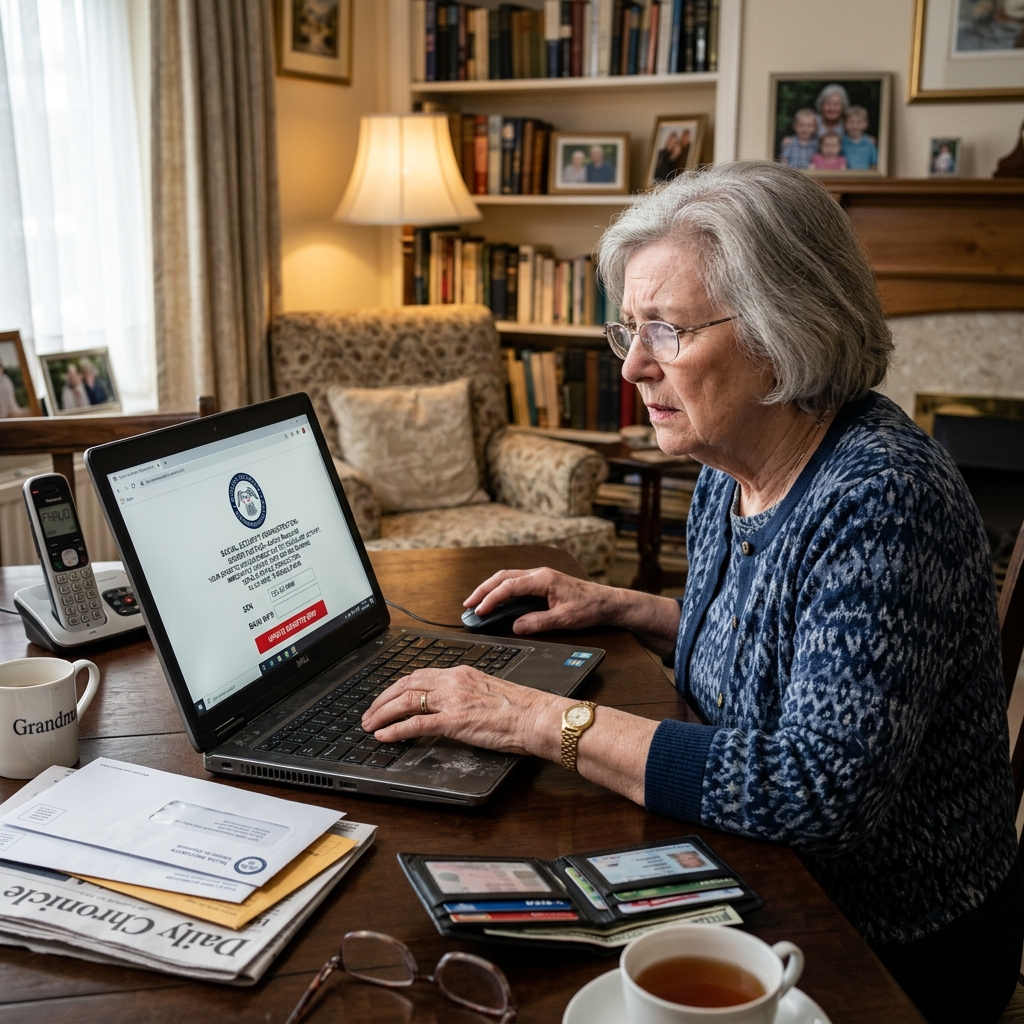
Older adults and retirees increasingly rely on digital tools to manage their finances and government benefits. That shift has brought convenience, but also a surge in online Social Security scams that specifically target seniors. Criminals impersonate government officials, exploit fear, and use sophisticated technology to steal money and personal information.
This article explains how these scams work, the warning signs to watch for, and concrete steps you can take to protect yourself, your benefits, and your loved ones. While the focus is on seniors, the guidance applies to anyone who receives Social Security or helps someone who does.
Why Seniors Are a Prime Target for Social Security Scams
Scammers focus on Social Security because it is a stable source of income and closely tied to key personal identifiers such as the Social Security number. Seniors are particularly vulnerable for several reasons:
- Predictable income streams from retirement or disability benefits that scammers hope to divert.
- Greater trust in institutions, especially when criminals claim to represent a government agency.
- Less familiarity with new digital threats like spoofed caller ID, fake social media pages, or phishing emails.
- Higher stakes, because losing benefits or savings can severely impact a senior’s ability to pay for housing, food, and healthcare.
Government and consumer protection agencies have repeatedly warned that impostor scams involving Social Security are among the most common frauds reported by older adults.
How Social Security Really Contacts You
Understanding how the Social Security Administration (SSA) typically communicates is one of the best defenses against fraud. If someone’s message or call doesn’t match these patterns, treat it with suspicion.
| Communication method | What SSA usually does | Red flags that suggest a scam |
|---|---|---|
| Postal mail | Primary way to send official notices about benefits, overpayments, or decisions. | Letters demanding immediate payment by gift card, cryptocurrency, or wire transfer. |
| Phone calls | Generally limited to specific situations, such as responding to a request, updating records, or discussing a recent application. | Unexpected calls threatening arrest, demanding banking details, or pressuring immediate payment. |
| Occasional notices, such as reminders to review your online account or statements. | Messages with urgent warnings, login links to unfamiliar sites, or attachments you did not request. | |
| Social media | SSA shares general information only via its official channels; it does not resolve individual account issues through social media. | Direct messages claiming your number is suspended, requests for personal data, or offers of special benefits. |
SSA and federal regulators emphasize that the agency will not call or email out of the blue to threaten arrest, suspend your number, or insist you pay a fine immediately. Any communication that does this should be treated as fraudulent.
Common Types of Online Social Security Scams
While scammers constantly adapt their tactics, most Social Security frauds fall into several recurring patterns. Being familiar with these schemes makes it easier to spot them early.
1. Government Impostor Phone Scams
In these scams, criminals call and claim to be from the Social Security Administration, the Office of the Inspector General, or another government agency. They often use spoofed caller ID so the number appears to be from SSA or a Washington, D.C. office.
- The caller says there is a problem with your Social Security number, such as suspicious activity or criminal use.
- You may be told your number will be suspended or your benefits stopped unless you act immediately.
- The caller often threatens arrest, fines, or legal action to force quick compliance.
- Payment is demanded through gift cards, prepaid debit cards, wire transfers, or cryptocurrency, all of which are hard to trace and recover.
These calls rely heavily on fear and surprise. SSA and consumer protection agencies advise hanging up immediately and never providing personal or financial information in response to such threats.
2. Phishing Emails and Text Messages
Phishing scams use emails or text messages that appear to come from SSA, a bank, or another trusted institution. The goal is to get you to click a link or open an attachment that steals your data.
- Messages may claim that your benefits are at risk or that unusual activity was detected in your account.
- Links may lead to a fake login page mimicking SSA’s site or your financial institution’s site, designed to collect your username, password, and Social Security number.
- Some messages include malicious attachments that install malware to capture keystrokes or files on your device.
Official SSA webpages end in .gov, and you should reach them by typing the address directly into your browser or using a trusted bookmark. Never log into your account from a link in an unsolicited email or text.
3. Fake Social Media Profiles and Advertisements
Criminals increasingly use social media to reach older adults. They may create pages that look like official SSA channels or run ads promising special grants, benefit increases, or “investment” programs tied to Social Security.
- Profiles use SSA logos, photos of public officials, or names of real agencies to appear legitimate.
- Posts or direct messages invite you to sign up for a bonus benefit, limited-time payment program, or high-return investment supposedly backed by Social Security.
- Links lead to external sites asking for your Social Security number, bank account information, or upfront “registration fees”.
SSA warns that it does not conduct individual account business through social media and does not sell investment products or charge special fees for access to benefits.
4. Account Takeover of Online Social Security Profiles
Many beneficiaries use SSA’s online services to review their earnings statements or manage benefits. Scammers attempt to gain control of these accounts so they can redirect benefits to different addresses or bank accounts.
- Using stolen personal data from other breaches, criminals attempt to reset your SSA login credentials and gain access to your profile.
- Once inside, they may change your direct deposit information or mailing address to receive your payments themselves.
- The fraud can go undetected for some time if you do not regularly check your account or bank statements.
Regularly monitoring your online SSA account and banking activity—and enabling strong authentication measures where available—can help detect and stop this type of fraud early.
Key Warning Signs of a Social Security Scam
While criminals change details often, most Social Security scams share certain warning signs. Recognizing these “red flags” can help you avoid becoming a victim.
- Unsolicited contact about your Social Security number or benefits, especially via phone, text, or social media.
- Urgent or threatening language, such as claims that you will be arrested, deported, or lose benefits immediately.
- Demands for payment using unusual methods, including gift cards, wire transfers, peer-to-peer payment apps, or cryptocurrency.
- Requests for sensitive information like your full Social Security number, bank account number, or online account password.
- Links or attachments in unexpected messages that ask you to log in or download documents related to your benefits.
- Social media messages about your account, or pages that are poorly written, have few followers, or link to non-government domains.
If you notice any of these signs, stop interacting immediately and verify the situation using official contact information, not the phone number or link provided in the suspicious message.
Practical Steps to Protect Yourself and Your Community
Preventing Social Security fraud involves a mix of cautious behavior and awareness of official procedures. These steps are recommended by SSA and consumer protection regulators.
1. Guard Your Social Security Number
- Only share your number when it is absolutely necessary, such as with your employer, tax preparer, or financial institution, and only through secure channels.
- Avoid carrying your Social Security card in your wallet and do not store your number in easily accessible notes or files.
- Be skeptical of any request for your number made by phone, email, or text, even if the person claims to be from a government agency.
2. Use Strong Security for Online Accounts
- Create unique, complex passwords for your SSA login and other financial accounts, and avoid reusing passwords across multiple sites.
- Enable multi-factor authentication when available to add an extra layer of protection against account takeover.
- Regularly review your SSA statements and bank account activity to spot unauthorized changes or transfers.
3. Verify Before You Respond
- If someone contacts you about your benefits, do not rely on caller ID or a link in the message. These can be faked.
- Instead, reach out to SSA directly using phone numbers or websites found independently, such as through official publications or government directories.
- Take time to think and consult a trusted friend, relative, or advisor before acting on urgent demands.
4. Share Information With Family and Caregivers
- Discuss common scams with spouses, adult children, and caregivers, especially those who help manage your finances.
- Encourage family members to watch for unusual messages or sudden financial decisions that may indicate fraud.
- Consider designating a trusted contact who can help verify suspicious communications.
5. Report Suspicious Activity Promptly
Reporting helps authorities track trends, shut down fraudulent operations, and warn others.
- Report Social Security-related scams to the Social Security Administration Office of the Inspector General, which maintains an online portal for fraud reports.
- For broader fraud issues, the Consumer Financial Protection Bureau and other federal agencies provide resources on how to respond and recover.
- If money has already been stolen or your identity compromised, contact your bank or credit union and consider placing fraud alerts with major credit bureaus.
What to Do If You’ve Already Been Scammed
Even with precautions, scams can still succeed. Authorities emphasize that victims should not blame themselves; criminal behavior exploits complex psychological and technological tricks.
- Stop contact immediately: Do not respond to further calls, emails, or messages from the scammer.
- Notify your financial institutions: Ask them to flag your accounts, reverse unauthorized transactions where possible, and monitor for suspicious activity.
- Review your Social Security records: Check your online SSA profile and recent benefit statements for unauthorized changes.
- Place alerts on your credit reports: Contact the major credit reporting agencies to request fraud alerts or credit freezes if necessary.
- File reports with the appropriate agencies: Use the SSA Inspector General’s fraud reporting system and, where relevant, report identity theft through federal resources.
Recovery may take time, but documenting every step—dates of calls, emails, and reports—can help in resolving issues and protecting yourself going forward.
Frequently Asked Questions About Social Security Scams
FAQ 1: Can my Social Security number really be suspended?
No. SSA does not “suspend” Social Security numbers due to suspected criminal activity or unpaid fines. Any caller or message claiming your number has been or will be suspended is a scam.
FAQ 2: How can I tell if a Social Security call is legitimate?
Legitimate SSA calls usually follow a prior contact or request from you, such as an application for benefits or a scheduled callback. They will not threaten arrest, demand immediate payment, or ask you to provide sensitive information that SSA already has on file. If in doubt, hang up and contact SSA using official numbers.
FAQ 3: Is it safe to click links in emails about my Social Security account?
It is safer to avoid clicking links in unsolicited emails or texts. Instead, navigate to the official SSA website by typing the address into your browser or using a trusted bookmark. Phishing emails often use realistic logos and urgent language to trick you into visiting fake websites.
FAQ 4: Does Social Security offer special investment programs or bonus payments?
No. SSA administers statutory benefits such as retirement, disability, and survivors benefits; it does not sell investment products or offer limited-time bonus programs in exchange for fees or investments. Advertisements or social media posts promising extraordinary returns tied to Social Security are fraudulent.
FAQ 5: Where should I report a suspected Social Security scam?
You can report Social Security scams directly to the Office of the Inspector General through its online reporting system. For more general identity-theft or financial-fraud issues, federal consumer protection agencies provide guidance and complaint forms.
References
- Protect Yourself from Social Security Scams — Social Security Administration. 2023-10-01. https://www.ssa.gov/scam
- Social Security Scam Awareness — Social Security Administration / OIG. 2023-09-15. https://oig.ssa.gov/scam-awareness
- National Consumer Protection Week: Recognizing Government Imposter Scams — Federal Trade Commission. 2023-03-06. https://www.ftc.gov/news-events/news/press-releases/2023/03/national-consumer-protection-week-recognizing-government-imposter-scams
- Five Ways to Recognize a Social Security Scam — Consumer Financial Protection Bureau. 2022-11-10. https://www.consumerfinance.gov/about-us/blog/five-ways-to-recognize-social-security-scam
- Social Security Benefits and Identity Theft — The New York Times. 2024-03-14. https://www.nytimes.com/2024/03/14/business/social-security-benefits-fraud.html
- Internet Crime Report — Federal Bureau of Investigation, IC3. 2023-02-27. https://www.ic3.gov/Media/PDF/AnnualReport/2022_IC3Report.pdf
- Protecting Older Adults from Fraud and Financial Exploitation — Consumer Financial Protection Bureau. 2023-05-18. https://www.consumerfinance.gov/practitioner-resources/older-adults/protecting-against-fraud
Similar Articles








Read full bio of medha deb


