
Mastering Jury Selection: Key Voir Dire Strategies
Unlock proven techniques from high-stakes trials to build impartial juries and secure dismissals effectively.
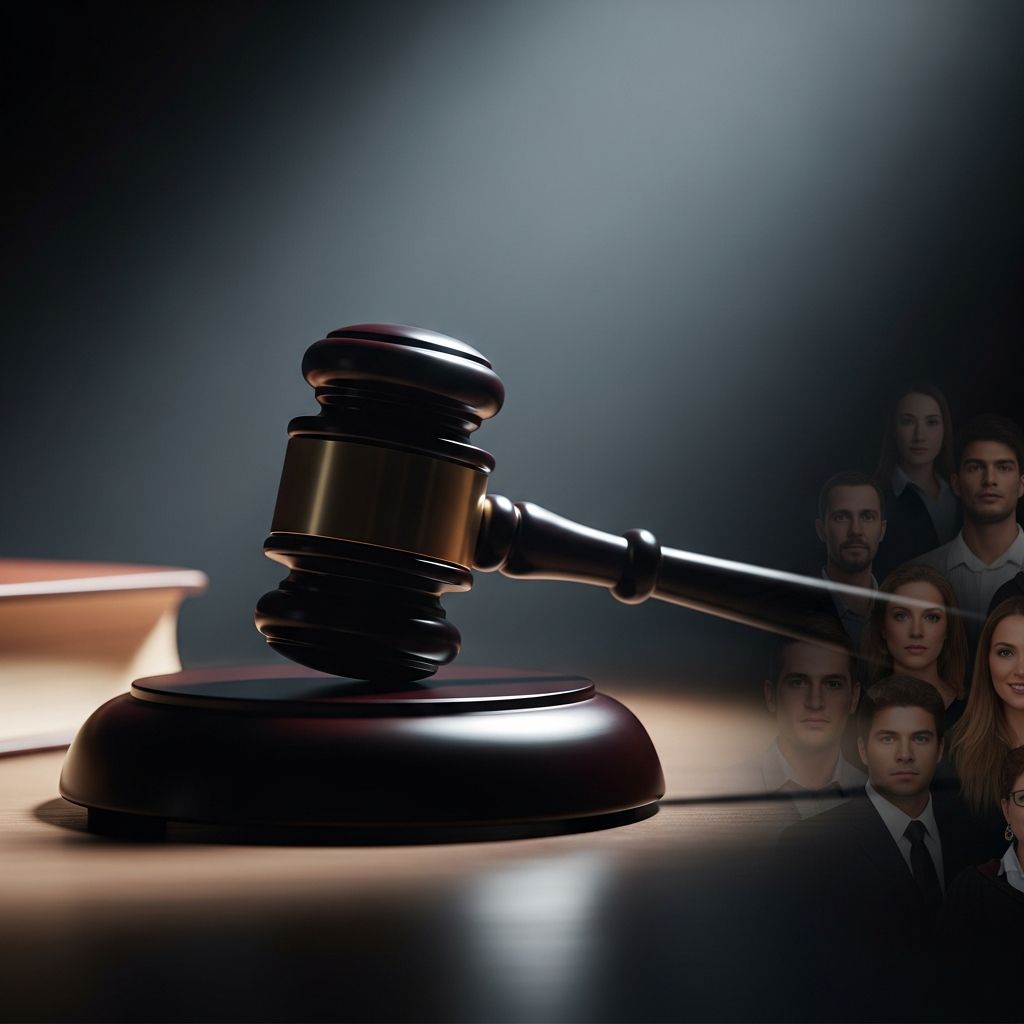
The process of jury selection, known as voir dire, stands as a cornerstone of the American trial system. It ensures that jurors can render verdicts based solely on evidence presented in court, free from preconceived biases or external influences. In high-profile criminal cases, such as mass shootings, the stakes amplify, making effective voir dire not just a tactic but a necessity for justice. This article explores proven strategies for conducting voir dire, identifying problematic jurors, and securing dismissals, drawing insights from rigorous judicial scrutiny in notable trials.
The Foundations of Effective Voir Dire
Voir dire originates from French legal traditions, meaning “to speak the truth,” and empowers attorneys to probe potential jurors’ backgrounds, beliefs, and potential biases. Courts grant broad discretion to trial judges in managing this phase, but the core goal remains: assembling an impartial panel. In capital cases or those with intense media coverage, individual questioning becomes crucial to uncover hidden prejudices.
Attorneys must craft questions that reveal true impartiality without leading jurors toward socially desirable responses. For instance, preliminary instructions from judges often prime jurors with concepts like presumption of innocence, prompting them to affirm they can follow the law. Skilled counsel pierces this by posing scenario-based hypotheticals tailored to case facts, forcing honest revelations.
Detecting and Addressing Juror Bias
Bias manifests in various forms: actual prejudice against parties, inability to follow instructions, or fixed opinions on guilt. In one Colorado appellate review, the court upheld a trial judge’s handling of racial bias inquiries during voir dire, confirming that opportunities for probing existed despite limitations on specific victim details. This underscores that thorough, targeted questioning suffices without exhaustive exploration.
Strategies include:
- Media Exposure Assessment: Ask about news consumption and retained details to gauge pretrial publicity’s impact.
- Personal Experiences: Inquire into similar life events that might sway judgment.
- Attitude Probes: Use open-ended questions on punishment views, like death penalty stances in capital trials.
Judges must excuse jurors showing actual bias, as affirmed in constitutional rulings emphasizing fair trial rights.
Strategic Questioning Techniques in High-Stakes Trials
High-profile cases demand nuanced approaches. During the Aurora theater shooting proceedings, jurors faced intense scrutiny over publicity and hardship. Individual sequestered voir dire allowed deeper dives into responses, revealing shifts in positions, such as evolving death penalty views. Prosecutors and defense alike leveraged questionnaires to flag issues, followed by live follow-ups.
Effective techniques involve:
- Leading with neutral, broad queries to build rapport.
- Transitioning to case-specific hypotheticals: “If evidence showed X, could you set aside personal beliefs?”
- Observing non-verbal cues during responses for authenticity.
Courts interpret equivocal answers contextually; a juror’s apparent reluctance might signal genuine evolution rather than feigned impartiality.
Peremptory Challenges and Batson Safeguards
Peremptory strikes offer counsel gut-level vetoes without cause explanation, but Batson v. Kentucky prohibits race-based use. In scrutinized trials, prosecutors justified strikes by citing questionnaire inconsistencies, even post-rehabilitation. Courts swiftly address premature dismissals, reinstating jurors if challenges arise timely.
To navigate:
- Track strike patterns across demographics.
- Prepare neutral rationales rooted in case-relevant attitudes.
- Object promptly to suspected discrimination.
This balance preserves strategic flexibility while upholding equal protection.
Common Grounds for For-Cause Dismissals
Dismissals for cause target clear impartiality deficits. From appellate records, five key categories emerge:
| Category | Description | Example from Practice |
|---|---|---|
| Publicity Violation | Jurors discussing case outside instructions | Three dismissed in Aurora trial for prohibited talks |
| Death Penalty Stance | Inability to consider full punishment range | Reluctant juror rehabilitated but struck peremptorily |
| Prejudicial Pretrial Opinion | Fixed guilt belief from media | Refusal to strike despite confession exposure |
| Hardship Inability | Undue personal burden | Financial or familial strains aired in sequestered sessions |
| Relationship Conflicts | Ties to parties or victims | Familial or professional connections probed deeply |
These grounds ensure only qualified individuals proceed, with judges wielding discretion to rehabilitate equivocal jurors.
Individual vs. Group Voir Dire: When to Advocate
Group questioning suits routine cases, but individual sessions unlock candor in sensitive matters. Non-capital precedents support judicial orders for individualized probes when impartiality hangs in balance. Factors include case notoriety, bias complexity, and venire size.
Advocates request by demonstrating necessity: “Given pervasive coverage, group dynamics may suppress honest bias admissions.” Successful motions preserve appellate records of thoroughness.
Modern Challenges: Social Media and Digital Bias
The digital age complicates voir dire. Platforms like Twitter expose jurors to unfiltered opinions, termed “Twitter taint” in legal scholarship. Courts hesitate to dismiss solely on passive consumption, demanding proof of entrenched views.
Updated strategies:
- Screen social profiles pre-trial where permitted.
- Query online habits: “Do you follow case-related accounts?”
- Assess influence: “Has online content shaped your case view?”
Balancing privacy and fairness remains contentious, urging adaptive questioning.
Rehabilitation Attempts and Judicial Discretion
When jurors express biases, counsel may rehabilitate via follow-ups: “Could evidence change your mind?” Judges evaluate equivocation degrees, allowing equivocal responses if credible. Overly cynical restrictions risk reversal, as adequate voir dire fulfills constitutional mandates.
Defense often pushes de-selection mindset: identify and excise impairments, not woo favorable minds.
Practical Tips for Voir Dire Success
To elevate practice:
- Prepare Exhaustively: Review mock juries, analyze prior panels.
- Time Management: Prioritize high-risk jurors amid judicial time curbs.
- Body Language: Note hesitations signaling unvoiced doubts.
- Record-Keeping: Document for Batson or appeal preservation.
- Team Coordination: Align strikes with co-counsel strategies.
These amplify dismissal rates and panel quality.
Frequently Asked Questions (FAQs)
What is the primary purpose of voir dire?
Voir dire identifies and removes biased or unqualified jurors to ensure an impartial trial panel.
How many peremptory challenges are typically allowed?
Varies by jurisdiction and case type; federal criminal trials grant three per side, states differ.
Can social media affect jury selection?
Yes, exposure to case-related posts requires probing for impartiality impacts.
What happens if a Batson violation is found?
Court may reinstate juror, disallow strike, or declare mistrial in egregious cases.
Is individual voir dire always required in high-profile cases?
Not always, but advocated when group questioning insufficient for bias detection.
Building a Voir Dire Playbook for Your Practice
Compile case-tailored question banks, from general attitudes to fact-pattern specifics. Simulate sessions to hone delivery. Post-trial, debrief juror feedback for refinement. Mastery demands iteration, yielding edges in competitive arenas.
In transformative trials, voir dire decides fates. By dissecting bias signals, leveraging challenges judiciously, and adapting to evolutions like digital influences, attorneys safeguard justice. These strategies, battle-tested in scrutiny’s glare, equip litigators for triumph.
References
- Owens v. People — Supreme Court, State of Colorado. 2024-02-01. https://statecourtreport.org/sites/default/files/2024-02/owens-v-people.pdf
- Twitter Taint: Content Questioning Voir Dire in the Modern Age of Social Media Addled Venires — George Mason Law Review. N/A. https://lawreview.gmu.edu/print__issues/twitter-taint-content-questioning-voir-dire-in-the-modern-age-of-social-media-addled-venires/
- Modified Wymore for Non-Capital Cases — Davis Law Firm. 2017-01-01. https://www.davislawfirmnc.com/wp-content/uploads/sites/231/2017/01/NEW-PAPER.pdf
- Supreme Court, State of Colorado — Colorado Judicial Branch. N/A. https://www.coloradojudicial.gov/media/8409
- VOIR DIRE AND JURY SELECTION — UNC School of Government. 2016-01-01. https://www.sog.unc.edu/sites/www.sog.unc.edu/files/course_materials/2016%20Regional%20Training%20for%20Indigent%20Defense%20Jury%20Selection%20Combined%20Materials.pdf
- Aurora theater shooting trial: Three jurors dismissed — Sentinel Colorado. N/A. https://sentinelcolorado.com/metro/aurora-theater-shooting-trial-holmes-sister-in-court-watching-trial/
Similar Articles








Read full bio of medha deb




