
Legal Risks Behind Viral Videos and Social Media Posts
Viral posts fade fast from your feed, but their screenshots, legal consequences, and evidentiary trail can follow you for years.
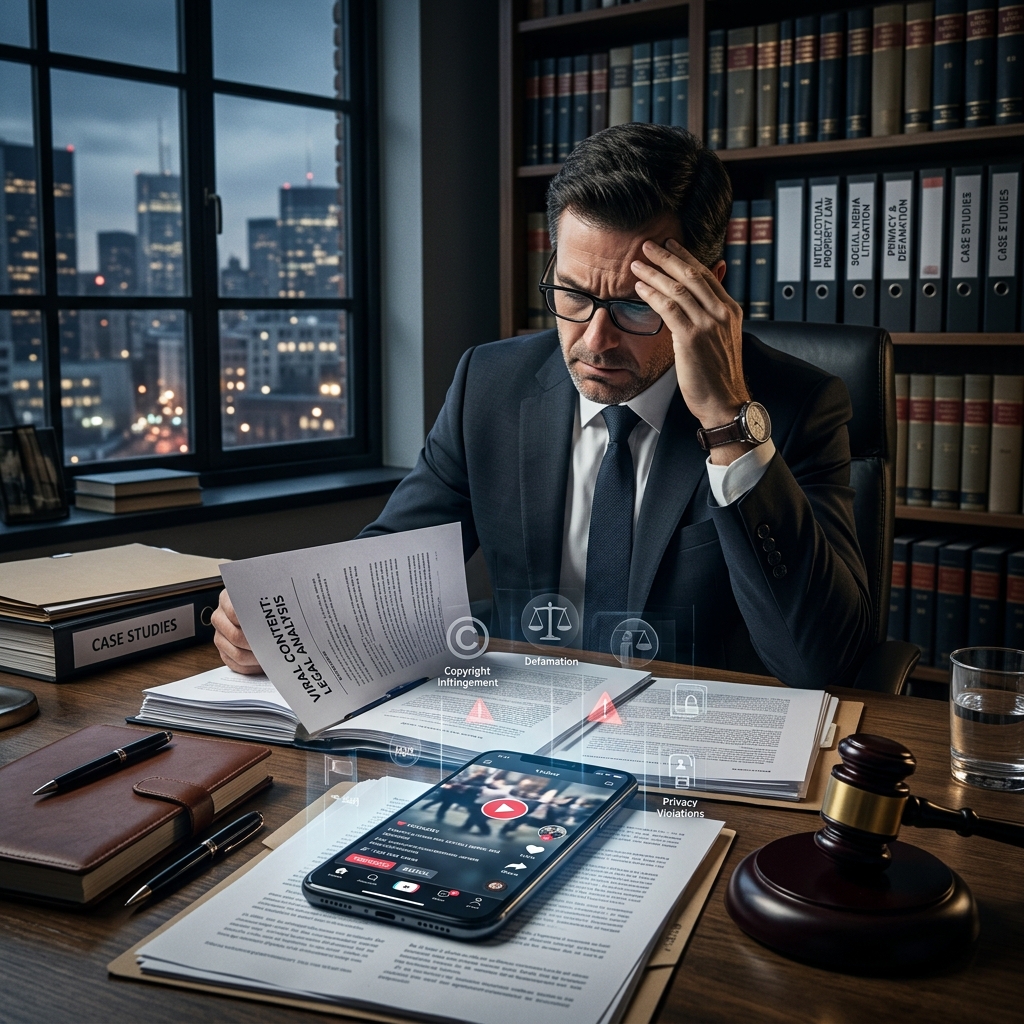
Viral videos and social media posts can turn ordinary people into global spectacles in a matter of hours. The internet rewards speed, outrage, and humor, but the law moves differently: what you share in seconds can be used against you for years. Screenshots, downloads, and archived copies mean that deleting a post rarely erases its impact on your legal rights and obligations.
This article explains how your online content can become evidence, affect your job, expose you to lawsuits, and entangle you in intellectual property and privacy disputes. It is designed for non-lawyers and focuses on practical risks, not technical legal jargon. It is general information, not legal advice.
Your Digital Footprint: Why “Delete” Is Not the End
Social media platforms give the impression that posts are temporary and easily reversible: you can delete, archive, or limit visibility with a few taps. In reality, once content is published online, you lose control over where it goes.
Even after deletion, content may still exist because:
- Other users have taken screenshots or screen recordings.
- Posts have been downloaded, reposted, or stitched into new videos.
- Search engines or third-party services have cached copies.
- Platforms store data for internal or legal purposes, even after you remove it.
Courts and law enforcement increasingly rely on social media content as evidence in both civil and criminal cases. Law enforcement agencies routinely collect publicly available posts and may obtain additional content through legal processes such as subpoenas or warrants when appropriate.
How Viral Content Becomes Legal Evidence
Photos, videos, and comments are now common forms of evidence in many types of cases, including harassment, discrimination, personal injury, criminal investigations, and family law disputes.
| Type of Case | How Social Media May Be Used |
|---|---|
| Criminal cases | Posts or videos may show location, involvement in an event, possession of weapons or contraband, or statements about alleged conduct. |
| Civil lawsuits | Content can contradict claimed injuries, show harassment, or document contract breaches and defamatory statements. |
| Employment disputes | Posts may demonstrate discriminatory behavior, violations of company policies, or misconduct while representing an employer. |
| Family law matters | Photos and posts can be used to argue about parenting decisions, substance use, or living conditions. |
According to bar associations and legal education groups, lawyers increasingly advise clients about both the risks of posting and the duty to preserve relevant content once a dispute is anticipated. Deleting or altering posts after you know a lawsuit or investigation is likely can raise separate issues around spoliation of evidence (improper destruction of potential evidence).
Employment: When Posts Put Your Job at Risk
One of the fastest consequences of a viral video is employer backlash. Even if your employer is never named, the public may identify where you work from LinkedIn, uniforms, or prior posts. Employers often respond when viral content conflicts with internal policies or harms the organization’s reputation.
Common Employment Consequences
- Discipline or termination for violating codes of conduct, anti-harassment policies, or social media guidelines.
- Refusal to hire if employers discover concerning content during background checks.
- Damage to professional licensing for regulated professions such as law, medicine, or teaching.
Professional organizations increasingly emphasize that lawyers, doctors, and other licensed professionals must uphold ethical standards in online spaces. Bar associations, for instance, stress that unprofessional or discriminatory content posted by attorneys may reflect on their fitness to practice.
What About Free Speech?
Many people assume that the right to free speech protects them from workplace consequences. In most cases, that assumption is incorrect. The U.S. Constitution’s free speech protections primarily limit government action, not decisions made by private employers. There are specific protections for some types of speech (for example, certain labor organizing activities), but social media posts that embarrass or damage a company’s reputation may still lead to discipline or termination under generally applicable employment laws.
Intellectual Property: Who Owns a Viral Video?
Internet culture encourages sharing, remixing, and memeing, but copyright law still applies. When you upload a video or photo that you created, you typically own the copyright, assuming it shows at least minimal creativity and is fixed in a digital file. That ownership gives you exclusive rights to reproduce, distribute, and publicly display the content, subject to platform terms of service.
Common Copyright Pitfalls in Viral Content
- Using popular music without permission in a video that is not covered by a platform’s license.
- Reposting entire videos or images from other creators without authorization or a solid fair use argument.
- Recording in public spaces where copyrighted artwork, TV shows, or performances are clearly visible or audible.
- Creating merchandise from memes, clips, or phrases taken from someone else’s work.
For influencers and creators, legal practitioners recommend viewing valuable content as intellectual property that should be both respected and protected. That can include registering your most important works with the U.S. Copyright Office, using visible branding or watermarks, and monitoring for unauthorized reuse.
Defamation and Reputation: When Posts Cross the Line
Viral callout posts, exposés, and commentary can spark meaningful accountability—but they can also lead to defamation claims when they spread false, reputation-damaging statements. Defamation generally involves a false statement of fact, communicated to others, that harms someone’s reputation. Opinions are usually protected, but framing, context, and implication matter.
Risks increase when posts:
- Accuse individuals or businesses of crimes or serious misconduct without reliable evidence.
- Present rumors as fact instead of clearly labeling them as unverified claims.
- Use edited clips or captions that misrepresent what someone actually said or did.
- Encourage mass harassment, negative review campaigns, or doxxing based on questionable information.
Major news organizations use multi-step verification processes before publishing serious allegations; everyday users rarely do. When posts go viral, the scale of potential harm—and therefore the perceived damage to reputation—can be significant.
Privacy, Harassment, and Doxxing
Social media makes it easy to expose people without their consent, whether through posting identifying video, sharing personal messages, or publishing addresses and contact information. Many jurisdictions have laws that address harassment, stalking, non-consensual sharing of intimate images, or release of sensitive personal data.
Privacy-Related Risks in Viral Content
- Filming private conversations in locations where people reasonably expect privacy.
- Posting home addresses, phone numbers, or workplace details as part of a callout or dispute.
- Sharing intimate images or videos without consent (sometimes referred to as non-consensual pornography).
- Encouraging followers to contact or harass a specific individual based on your content.
Law enforcement and legal organizations stress that online harassment and doxxing can have consequences similar to offline harassment, including potential criminal exposure in serious cases.
Influencers, Lawyers, and Other Professionals Online
Professionals who build an audience on platforms like TikTok, YouTube, and Instagram face added risk because their content can be treated as advice or representation of their employer or profession. Recent academic work has examined the rise of “lawfluencers”—lawyers who produce legal content for social media—and the tension between entertainment value, accessibility, and professional obligations.[10]
Special Concerns for Legal Professionals
Lawyers who post online must comply with advertising rules, confidentiality obligations, and duties of candor. Guidance from legal ethics bodies emphasizes that attorneys should:
- Avoid disclosing confidential or identifying client information without appropriate consent.
- Refrain from offering individualized legal advice in public content and instead provide general information.
- Use clear disclaimers stating that content is informational and does not create an attorney–client relationship.
- Ensure all statements about their services and results are accurate and not misleading.
Researchers analyzing law-related content on TikTok and YouTube note that such “lawfluencers” can improve public access to legal information but also risk oversimplification, sensationalism, or misunderstanding of the law when professional standards are not carefully followed.[10]
Practical Risk-Reduction Strategies for Everyday Users
Not every post needs a team of lawyers, but some basic precautions can significantly reduce legal exposure.
Before You Hit “Post”
- Pause and preview: Ask how the post would look to an employer, judge, or opposing lawyer reading it years later.
- Check the facts: Avoid presenting unverified allegations or rumors as fact.
- Limit identifying details: Remove names, addresses, or unnecessary faces of bystanders when not essential.
- Think about context: Short clips can be misleading; adding context can reduce the chance of misinterpretation.
- Respect others’ IP: Use original content or materials that you have permission to use, or rely on platforms’ licensed audio where applicable.
If Your Content Starts Going Viral
- Save copies of the original file, timestamps, and relevant messages in case they are later needed as evidence or to defend yourself.
- Consider whether comments and replies may become more legally risky than the original post.
- Monitor for impersonation accounts or unauthorized re-uploads that misrepresent your views.
- If you anticipate legal issues, avoid deleting relevant material without first obtaining legal advice to prevent accusations of evidence destruction.
Table: Legal Issues Commonly Triggered by Viral Posts
| Legal Issue | Typical Scenario | Key Risk |
|---|---|---|
| Evidence in litigation | Post shows location, conduct, or statements related to a dispute. | Content contradicts your claims or supports claims against you. |
| Employment consequences | Viral video reveals misconduct, bias, or policy violations. | Discipline, termination, or licensing complaints. |
| Copyright infringement | Using others’ videos, images, or music without permission. | DMCA takedowns or potential infringement claims. |
| Defamation | Callout post makes false factual allegations. | Damages claims for reputational harm. |
| Privacy and harassment | Doxxing, exposing sensitive information, or targeted harassment. | Potential civil or criminal liability. |
Frequently Asked Questions (FAQs)
1. If I delete a viral video, can it still be used against me?
Yes. Once content is posted, other users can download it, record it, or share screenshots. Law enforcement and courts may rely on copies even if the original post is gone. In some situations, platforms themselves may retain data and provide it in response to lawful requests.
2. Can my employer fire me over something I posted on my personal account?
Often, yes. In many jurisdictions, private employers can discipline or terminate employees for posts that violate company policies, reveal confidential information, or damage the organization’s reputation, even if the posts were made off the clock. Professional regulators can also consider egregious online behavior when evaluating a person’s fitness for a license.
3. Is it illegal to film people in public and post the video online?
Filming in public spaces is generally legal in many jurisdictions, but there are important exceptions. Issues can arise if you record audio in states with specific consent requirements, enter private property, share intimate content, or use the footage in a way that defames, harasses, or violates others’ rights. Legal outcomes depend heavily on local law and the specific facts.
4. What should I do if a video of me goes viral and I feel my rights were violated?
Consider saving copies of the content, documenting where it appears, and speaking with a qualified attorney in your jurisdiction. Depending on the situation, potential responses may include takedown requests, defamation claims, privacy or harassment complaints, or copyright notices if your original content was misused.
5. Are influencers and professionals held to higher legal standards online?
They are held to at least the same standards, and often additional ones. Influencers must navigate intellectual property, advertising rules, and consumer protection laws. Licensed professionals—especially lawyers—must also follow professional conduct rules that apply to advertising, confidentiality, and truthful communication, even when creating short-form content for platforms like TikTok and YouTube.[10]
Key Takeaways
- Online content is easier to create than to control; once it is viral, it can be copied indefinitely.
- Posts, comments, and videos can become powerful evidence in both civil and criminal proceedings.
- Employers, regulators, and licensing bodies monitor social media and may respond to conduct that conflicts with professional or ethical standards.[10]
- Copyright law still applies to memes, remixes, and viral clips; not everything that is popular is free to reuse.
- Thoughtful posting, respect for others’ rights, and early legal advice in high-risk situations can significantly reduce long-term harm.
Disclaimer: This article provides general educational information about legal risks related to social media and viral videos. It is not legal advice. Laws vary by jurisdiction, and you should consult a licensed attorney in your area for advice about your specific situation.
References
- Followers can’t save you in court. An influencer with over … — Instagram Reel / Legal education creator summarizing evidentiary use of social media. 2024. https://www.instagram.com/reel/DZKqUmFAUnr/
- A Lesson in Law: Social media’s impact on the legal profession — Ohio State Bar Association / Sara H. Jodka. 2014-11-03. https://www.youtube.com/watch?v=NxnFH4yZIvE
- How to Create Viral Short Videos for Law Firm Marketing — Attorneys.Media. 2023-08-15. https://attorneys.media/viral-legal-video-marketing/
- Should You Trust a Lawyer on TikTok? — Enjuris. 2023-05-10. https://www.enjuris.com/personal-injury-law/lawyers-on-social-media/
- A Copyright Guide for Social Media Influencers — Kelley Kronenberg. 2025-01-20. https://kelleykronenberg.com/protecting-your-creative-content-a-copyright-guide-for-social-media-influencers/
- Lawfluencers: Legal Professionalism on TikTok and YouTube — Georgetown Journal of Legal Ethics / Elizabeth C. Tippett & Rachel E. Barkow. 2024-06-01. https://www.law.georgetown.edu/legal-ethics-journal/in-print/volume-37-issue-3-summer-2024/lawfluencers-legal-professionalism-on-tiktok-and-youtube/
Similar Articles








Read full bio of Sneha Tete


