
Lawyers in the Jury Box: Strategic Considerations
Explore the advantages and risks of having attorneys serve as jurors, and how trial strategies can adapt to this unique dynamic.
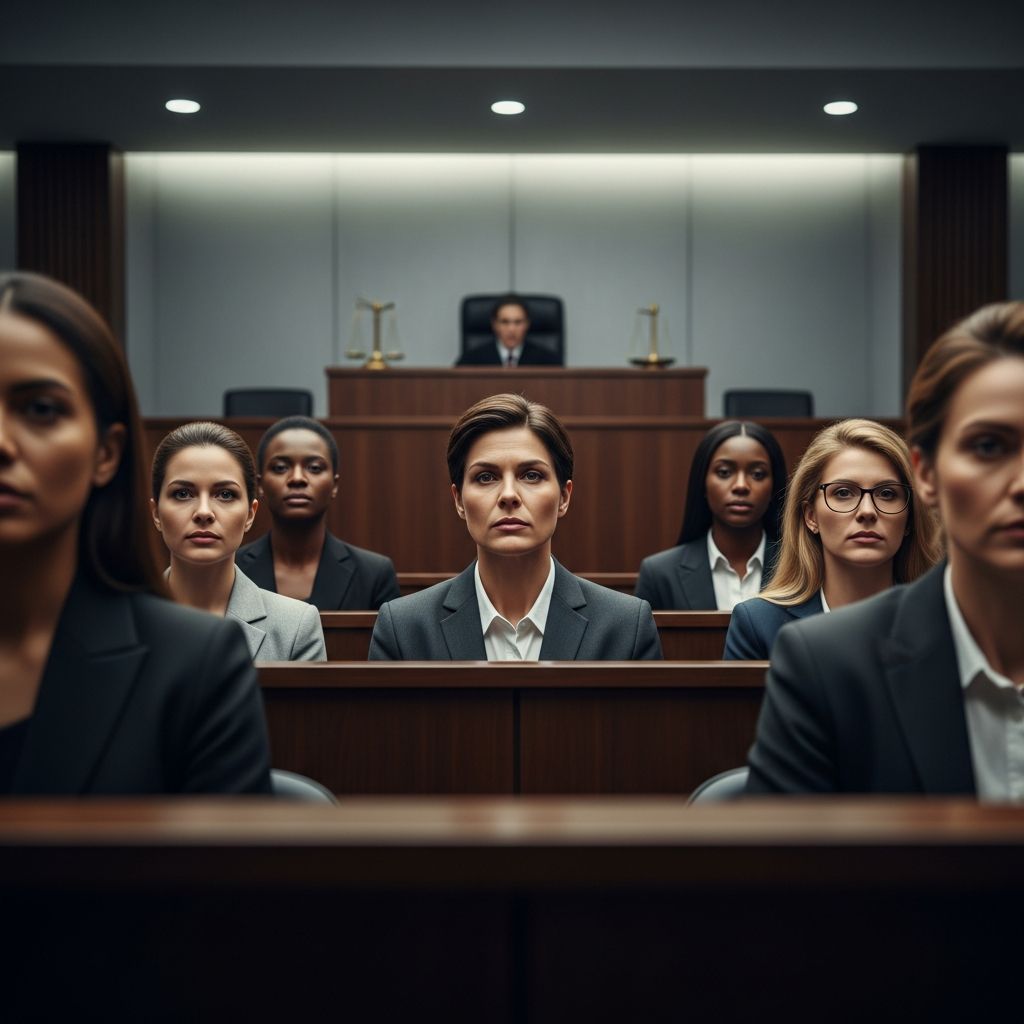
Having a licensed attorney among the jurors introduces a distinctive element to any trial. These individuals possess deep legal knowledge that can shape deliberations, offering both opportunities and challenges for litigators. Trial attorneys must carefully evaluate this during jury selection to maximize advantages or mitigate drawbacks.
Understanding Juror Expertise in Legal Proceedings
Jury service draws from a diverse community pool, occasionally including practicing lawyers, retired judges, or law professors. Unlike lay jurors who rely on intuition and common sense, attorney-jurors apply formal training in evidence rules, burden of proof, and procedural norms. This can lead to more structured discussions but also influence group dynamics unpredictably.
Legal professionals on juries often excel at dissecting complex testimony and spotting inconsistencies in arguments. For instance, they may quickly identify hearsay objections or challenges to witness credibility that others overlook. However, their presence raises questions about impartiality and sway over peers.
Key Advantages of Attorney Jurors
- Enhanced Analytical Rigor: Lawyers bring precision to evaluating evidence, ensuring deliberations adhere closely to judicial instructions on legal standards like preponderance of evidence or beyond reasonable doubt.
- Efficient Deliberations: Their familiarity with courtroom processes can streamline discussions, reducing confusion over instructions and focusing the group on pivotal facts.
- Balanced Perspectives: An attorney-juror might counter emotional appeals from lay members, advocating for decisions grounded in law rather than sentiment, particularly beneficial in high-stakes civil or criminal matters.
In cases with intricate technical evidence, such as medical malpractice or contract disputes, a lawyer’s acumen can clarify nuances, potentially favoring sides with robust documentation. Statistics from federal courts indicate that juries with educated members, including professionals, tend to deliberate longer but reach more defensible verdicts.
Potential Drawbacks and Risks
- Risk of Personal Bias: Attorney-jurors may harbor preconceived notions from their practice areas; a defense lawyer might scrutinize prosecution evidence harshly, while a plaintiff’s attorney could empathize with injury claims.
- Leadership Dominance: Their verbal skills and confidence often position them as de facto forepersons, potentially overshadowing diverse community viewpoints that juries are designed to represent.
- Cynicism Toward Proceedings: Exposure to countless cases can breed skepticism, leading them to demand higher proof thresholds or dismiss sympathetic narratives as manipulative tactics.
These risks amplify in emotionally charged trials, where a lawyer-juror might intellectualize away juror empathy, altering outcomes. Research shows mixed juries can polarize faster, with professionals swaying toward legal technicalities over holistic justice.
Strategic Jury Selection Tactics
Voir dire provides the critical window to assess attorney-jurors. Attorneys should probe practice areas, recent case involvement, and attitudes toward opposing counsel types. Questions like “How do you view plea bargains in criminal cases?” reveal philosophies without alienating the panel.
| Scenario | Keep the Lawyer-Juror | Strike the Lawyer-Juror |
|---|---|---|
| Simple Facts, Strong Evidence | Your side aligns with their likely view (e.g., pro-business lawyer in contract case) | Opposing practice area or known bias |
| Complex Legal Issues | Neutral or favorable specialty (e.g., your expert witness matches their field) | High cynicism or adversarial history |
| Emotional Appeals Key | Rarely; prefer empathetic laypeople | Almost always; they dampen sentiment |
Peremptory challenges and cause strikes allow excision of unfavorable lawyers, but overusing them depletes resources. Data from state trials suggests experienced counsel strike lawyers 20-30% more often in contentious matters.
Adapting Trial Presentation for Legal-Minded Jurors
If an attorney survives voir dire, tailor arguments accordingly. Simplify legalese, using analogies for rules of evidence, while providing substantive depth for their scrutiny. Visual aids like timelines and charts appeal to their analytical bent.
- Anticipate objections they might internally raise and preempt them.
- Humanize clients to pierce professional detachment.
- Leverage their knowledge by referencing standard precedents indirectly.
In bench trials, judges—fellow legal experts—offer predictability, but lack jury empathy. Jury trials with lawyers can mimic bench outcomes with added communal input.
Case Studies: Real-World Impacts
Consider a hypothetical patent infringement trial: A IP lawyer-juror dissects claim construction expertly, aiding the defendant with solid prior art. Conversely, in a personal injury suit, a skeptical defense attorney on the jury demands unassailable medical causation proof, thwarting plaintiff recovery.
Empirical reviews of appellate reversals show juries including lawyers rarely err on law application, but bias claims arise in 15% of challenges. These examples underscore adaptive strategy’s value.
Bench Trials as an Alternative
Opting for a judge-alone trial circumvents lawyer-juror uncertainties. Judges apply law dispassionately, ideal for convoluted matters. Yet, they juggle caseloads, potentially rushing verdicts, unlike focused juries.
- Pros of Bench: Speed, expertise, no emotional volatility.
- Cons: Single viewpoint, less leniency on sentences.
Criminal defense often favors juries for nullification potential, despite lawyer risks.
Frequently Asked Questions
Should you always strike lawyer-jurors?
No. Evaluate based on case specifics; a sympathetic lawyer can bolster your position more than lay unpredictability.
Do lawyer-jurors disclose their profession fully?
Typically yes, during voir dire, allowing targeted questioning on potential conflicts.
Can lawyer-jurors influence verdicts disproportionately?
Often, due to persuasive skills, but instructions emphasize equal weighting.
Is voir dire effective against attorney bias?
Moderately; skilled counsel uncovers attitudes through probing, backed by empirical selection data.
When do bench trials outperform jury trials with lawyers?
In technically dense or emotion-laden cases where judicial neutrality trumps peer input.
Optimizing Outcomes with Experienced Counsel
Navigating lawyer-jurors demands seasoned trial lawyers adept at voir dire, presentation, and adaptation. Their track record minimizes risks, turning potential liabilities into assets. Clients benefit from attorneys who treat jury composition as a chessboard, positioning for victory.
In sum, while unpredictable, attorney-jurors enrich proceedings when managed strategically, blending legal savvy with civic duty.
References
- A Jury of Your Peers? – The Pros and Cons of Jury Trials — UseLaws.com. 2023. https://uselaws.com/newsletter/a-jury-of-your-peers-the-pros-and-cons-of-jury-trials/
- Choosing the Right Lawyer for Your Jury Trial — Walters Gilbreath. 2023. https://www.waltersgilbreath.com/choosing-the-right-lawyer-for-your-jury-trial/
- Difference Between Jury Trial vs Bench Trial — Joslyn Law Firm. 2024-01-15. https://www.criminalattorneycolumbus.com/difference-between-jury-trial-vs-bench-trial-with-judge/
- Understanding Your Right to a Jury Trial — Kenney Legal Defense. 2023. https://www.kenneylegaldefense.us/right-to-a-jury-trial/
Similar Articles








Read full bio of medha deb




