
When Can a Landlord Be Liable for a Tenant’s Dog Bite?
Understand when landlords may share legal responsibility for injuries caused by tenants’ dogs and how victims can protect their rights.
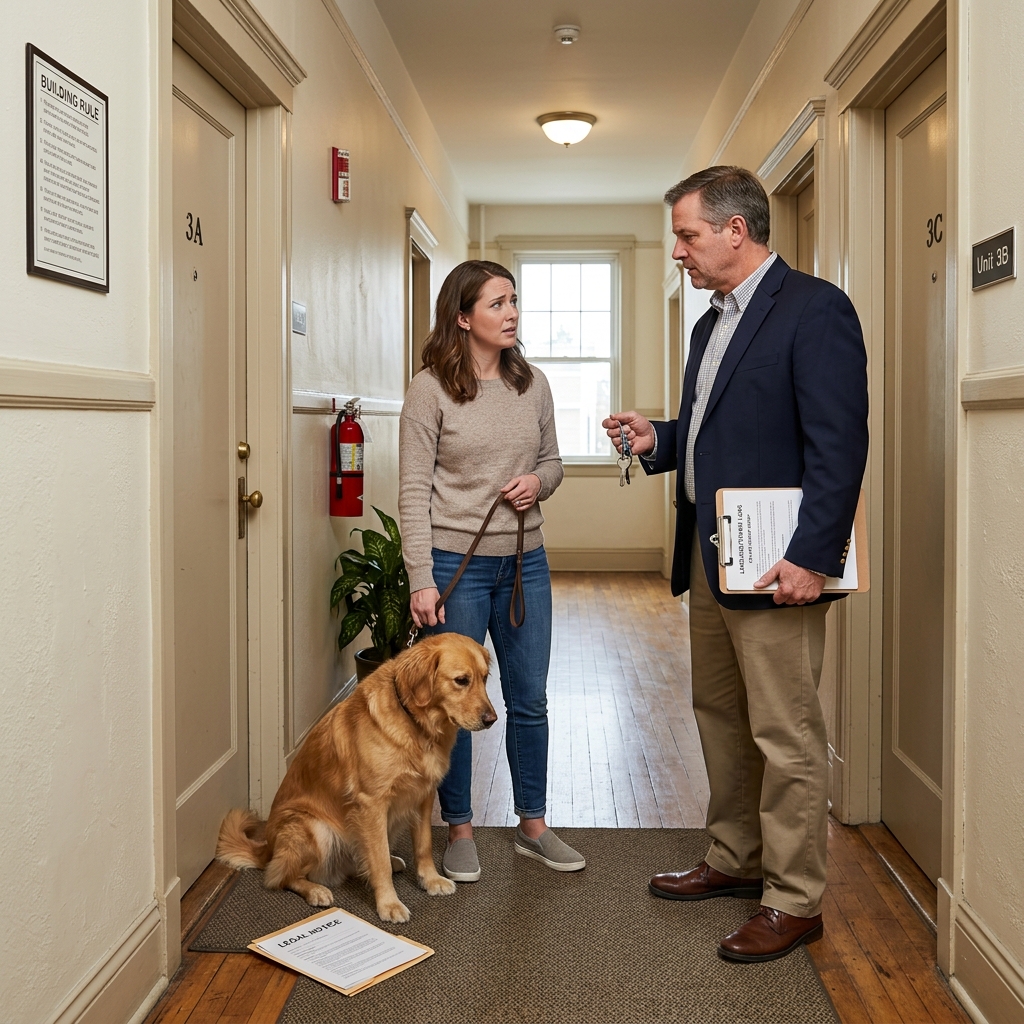
Dog bites often raise complex legal questions, especially when the dog belongs to a tenant rather than the property owner. In most situations, the dog’s owner is the primary party responsible for injuries. However, courts in many states have recognized that landlords can sometimes share liability when a tenant’s dog attacks someone.
This article explains when landlord liability may arise, how different legal doctrines apply, what injured people should do after an incident, and how landlords can reduce their risk while providing safe housing.
Key Principles of Dog Bite Liability
Dog bite cases typically involve two overlapping areas of law: dog bite statutes and premises liability.
- Dog bite statutes in many states impose responsibility on dog owners for injuries caused by their animals, often under a strict liability standard.
- Premises liability governs the duty of property owners and landlords to maintain reasonably safe conditions for tenants, guests, and lawful visitors.
When a tenant’s dog injures someone, the interaction between these two bodies of law determines whether the landlord might also be held accountable.
Strict Liability vs. Negligence: How States Differ
Across the United States, dog bite law is not uniform. Understanding the distinction between strict liability and negligence helps explain why landlord liability is rarely automatic.
Strict Liability Dog Bite Laws
Approximately 36 states and Washington, D.C. have statutes that make dog owners strictly liable for injuries caused by their dogs when they bite or attack someone. Under strict liability:
- The owner is responsible regardless of prior bites or proven viciousness.
- The victim usually does not need to prove the owner was careless or negligent.
- Defenses may exist, such as trespassing or provoking the dog, depending on the statute.
These statutes generally focus on the dog owner, not the landlord, which is why property owner liability typically depends on separate negligence principles.
Negligence-Based Liability
In negligence-based dog bite claims involving landlords, the injured person must show that the landlord:
- Owed a duty of care under premises liability law.
- Breach that duty by failing to act reasonably in the circumstances.
- Caused or contributed to the injury through that breach.
Courts often focus on two core questions:
- Did the landlord know or should have known the dog posed a danger?
- Did the landlord have enough control over the property or the situation to reduce or remove the risk?
When Landlords Are More Likely to Be Liable
Landlord liability for a tenant’s dog bite is highly fact-specific. While laws vary by state, several recurring factors show up in court decisions.
Knowledge of a Dangerous Dog
Landlords are more vulnerable to liability when they knew or reasonably should have known that a particular dog was dangerous. Evidence of knowledge can include:
- Prior attacks or bite incidents reported to the landlord.
- Complaints from other tenants or neighbors about aggressive behavior.
- Visible warning signs such as “Beware of Dog” without follow-up inquiry.
- Direct observation of threatening behavior (lunging, repeated attempts to escape, etc.).
Once a landlord is on notice of a dangerous dog, courts often expect reasonable action, such as requiring stronger fences, limiting the dog’s access to common areas, or in extreme cases, terminating the tenancy if permitted by the lease and state law.
Control Over the Property and Dog’s Access
The second major factor is control. Liability is more likely when the landlord has practical authority to reduce the risk. Typical indicators of control include:
- Authority under the lease to restrict or remove dangerous animals.
- Power to enforce rules about pets in common areas (hallways, parking lots, shared yards).
- Responsibility for repairs to fences, gates, or other barriers that contain the dog.
If a dangerous dog frequently uses common areas that are under the landlord’s control and someone is injured there, courts are more willing to consider landlord liability, especially when the landlord knew about the risk.
Landlord Acting Like a Caregiver or Keeper
In some cases, landlords who go beyond typical property management and act as keepers or caregivers for a tenant’s dog can face increased exposure. Examples include:
- Regularly feeding or walking the dog.
- Keeping the dog on the landlord’s portion of the property.
- Remaining in charge of the dog when the tenant is away.
When a landlord effectively shares control over the animal itself, courts may treat the landlord as an additional party responsible for injuries.
Situations Where Landlords Are Usually Not Liable
Despite the possible exposure, courts frequently decline to impose liability on landlords for tenant dog bites. Common reasons include:
- No prior knowledge that the dog was dangerous.
- The dog appeared friendly and had no known history of aggression.
- The incident occurred off the property, far from areas under the landlord’s control.
- State law specifically limits landlord liability to situations where they are considered an “owner” or “keeper” of the animal.
In some jurisdictions, public policy leans against imposing broad liability on landlords, except where they actively control or keep the animal, or clearly ignore known dangers.
Illustrative Comparison: How States Treat Landlord Liability
| State Example | Dog Owner Liability | Landlord Liability Standard |
|---|---|---|
| California | Statutory strict liability for dog owners when a bite occurs. | Landlord must know of the dog’s vicious nature and have the ability to prevent foreseeable harm. |
| Massachusetts | Dog owners strictly liable for injuries caused by their dogs, regardless of prior bites. | Common law negligence; victim must show landlord knew or should have known of dangerous propensities. |
| Wisconsin | Dog owner responsibility recognized by courts. | Courts generally limit landlord liability to those who are “owners or keepers” of the dog; mere status as landlord is usually not enough. |
| Michigan | Dog owners can be held liable under state law. | Landlord may be liable when aware of dangerousness, fails to respond reasonably, and attack occurs on or next to the property. |
This table is for illustration and does not replace jurisdiction-specific legal advice. Laws may change, and details vary among states.
Premises Liability and Dangerous Conditions
Landlord liability often arises through the broader concept of premises liability. A landlord has a duty to maintain rental property in a reasonably safe condition for tenants, guests, and lawful visitors.
A tenant’s dangerous dog can become a dangerous condition on the property when the landlord knows about it and fails to act. Examples include:
- Allowing an aggressive dog to roam freely in common areas.
- Ignoring a broken gate or damaged fence that lets a dangerous dog escape.
- Failing to enforce pet restrictions after repeated complaints.
If a landlord has notice of these hazards and fails to take reasonable steps to correct them, a court may find that the landlord breached their duty of care.
How Victims Should Respond After a Dog Bite on Rental Property
Anyone injured by a tenant’s dog on or near rental property should take practical steps to protect both health and legal rights.
Immediate Safety and Medical Care
- Move to safety away from the dog to prevent further injury.
- Seek prompt medical attention, especially for bleeding, deep wounds, or signs of infection.
- Follow all medical advice and keep records of diagnoses, treatments, and costs.
Reporting the Incident
- Report the attack to local animal control or law enforcement, as required in many jurisdictions.
- Provide details about the location, nature of the attack, and the dog’s owner.
- Request a copy of any official report for future reference.
Gathering Evidence
- Write down the date, time, and exact place of the incident.
- Collect names, addresses, and phone numbers of witnesses.
- Photograph injuries, the dog, the property, fences, gates, and any warning signs.
- Note any prior complaints or incidents involving the same dog or property, if known.
Consulting a Qualified Attorney
Because landlord liability turns on state law and case-specific facts, injured individuals should consider speaking with a personal injury or dog bite attorney familiar with local rules. A lawyer can:
- Identify all potential defendants (dog owner, landlord, others).
- Analyze whether landlord negligence or premises liability applies.
- Help preserve evidence and meet filing deadlines.
- Negotiate with insurers and, if needed, represent the victim in court.
Risk Management Tips for Landlords
Landlords can significantly reduce the likelihood of liability by combining clear policies with proactive property management.
Thoughtful Pet Policies
- Decide whether pets are allowed and under what conditions.
- Require written disclosure of any dogs, including size, breed, and known behavioral history.
- Consider requiring tenants to carry liability insurance covering dog-related injuries where permitted.
- Reserve the right in leases to restrict or remove dangerous animals consistent with local law.
Inspection and Maintenance of Containment Measures
- Regularly inspect fences, gates, and other barriers used to contain dogs.
- Promptly repair structural defects that create escape risks.
- Document maintenance requests and completion dates.
Responding to Complaints and Warning Signs
- Take complaints about aggressive animal behavior seriously.
- Investigate promptly, including speaking to tenants and witnesses.
- Implement reasonable measures such as limiting access to common areas or issuing warnings.
- When necessary, consult legal counsel before terminating a tenancy or enforcing stricter measures.
Frequently Asked Questions
1. Is a landlord automatically responsible if a tenant’s dog bites someone?
No. The law generally does not automatically impose liability on landlords for dog bites. Courts first look to the dog’s owner, and only consider landlord liability when factors such as knowledge of danger and control over the situation are present.
2. What if the dog never showed aggression before the bite?
In many states, if a tenant’s seemingly friendly dog bites someone, the landlord is not liable because there was no prior reason to believe the animal was dangerous. Strict liability statutes may still hold the dog’s owner responsible, but the landlord’s liability typically depends on negligence and foreseeability.
3. Can a landlord be liable for a bite that happens off the rental property?
Landlord liability significantly weakens when an attack occurs away from areas under the landlord’s control. Some courts consider proximity to the property, but bites occurring far from the premises are generally less likely to result in landlord responsibility.
4. Does the presence of a “Beware of Dog” sign matter?
A warning sign can be an indicator that a dog may be dangerous. If a landlord sees such a sign and fails to inquire or take reasonable steps, courts may view this as evidence that the landlord ignored a potential hazard on the property.
5. What should I do if I am a landlord and learn a tenant’s dog has bitten someone?
Landlords should:
- Document the incident and any reports.
- Cooperate with authorities and insurers.
- Review lease provisions on pets and dangerous conditions.
- Seek legal advice to determine appropriate actions and future risk management.
References
- Landlord Liability for Dog Bites — FindLaw. 2023-05-01. https://www.findlaw.com/injury/torts-and-personal-injuries/landlord-liability-for-dog-bites.html
- Landlord & Tenant Issues Concerning Dog Bites — Michigan State University College of Law Animal Legal & Historical Center. 2022-04-15. https://www.animallaw.info/intro/landlord-tenant-issues-concerning-dog-bites
- Landlord Liability for Dog Bites in California — Vaziri Law LLP. 2023-02-10. https://www.vazirilaw.com/blog/landlord-liability-for-dog-bites-in-california/
- When Landlords Can Be Held Liable for Tenant’s Dog Attacks — Hollis Law Firm. 2023-07-20. https://hollislawfirm.com/landlord-liability-tenant-dog-attacks/
- Landlord Liability for a Tenant’s Dog — Nolo. 2021-11-05. https://www.nolo.com/landlord-tenant/landlord-liability-for-tenants-dogs.html
Similar Articles








Read full bio of Sneha Tete


