
Illegal Butt Injections: The Hidden Dangers Behind Underground Cosmetic Parties
How underground butt injection “pumping parties,” unlicensed cosmetic providers, and silicone misuse led to tragedy and criminal charges.
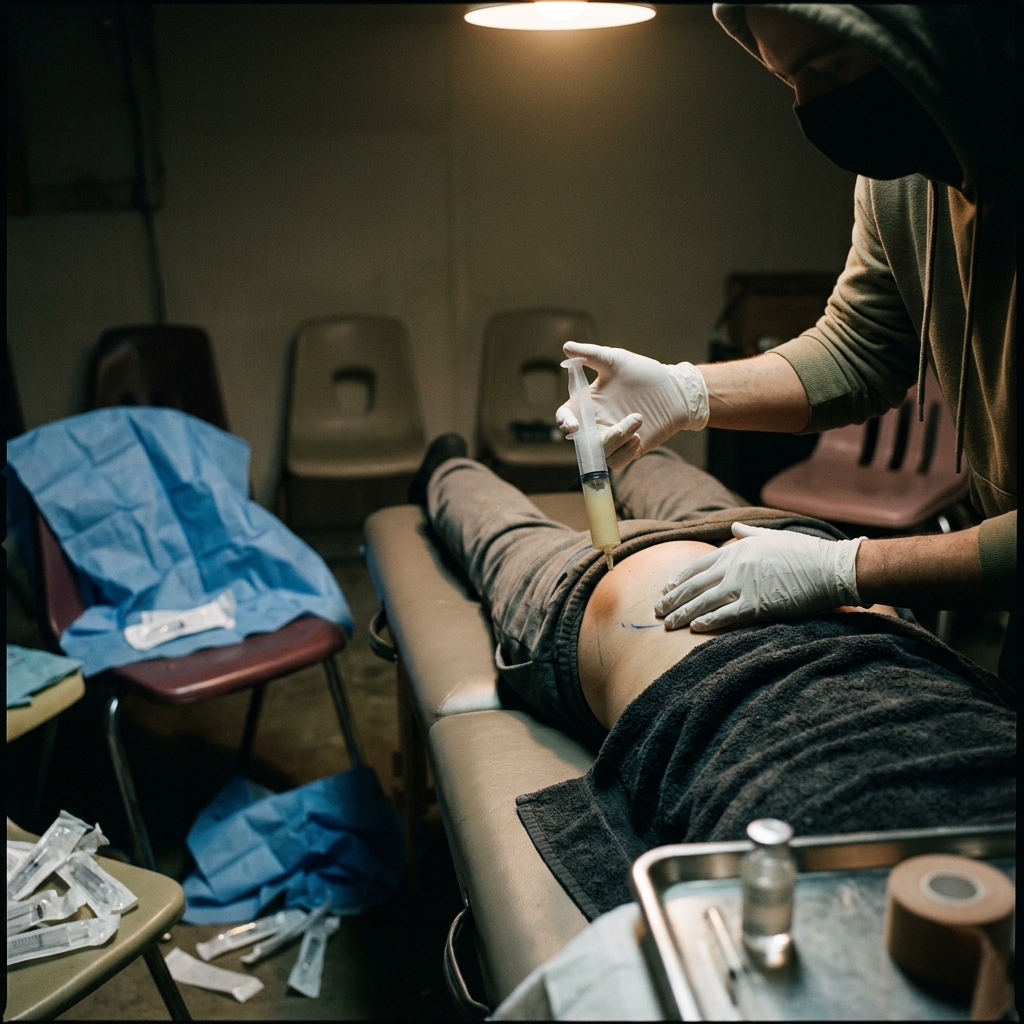
In recent years, demand for fuller buttocks has surged, fueled by celebrity culture, social media trends, and the perception that curves equal confidence and status. As legal cosmetic procedures grew more popular and more expensive, a dangerous underground market emerged: illegal butt injection parties, often called “pumping parties.” These gatherings, run by unlicensed individuals using non-medical-grade materials, have resulted in grave injuries, permanent disfigurement, and deaths.
One of the most widely reported examples involves a Philadelphia figure known as the “Black Madam”, Padge-Victoria Windslowe, who was accused of administering illegal buttocks injections that led to the death of 20-year-old Claudia Aderotimi and serious injuries to others. Her case illustrates how personal vanity, misinformation, and criminal negligence can intersect with devastating consequences.
From Cosmetic Trend to Underground Risk
Cosmetic buttock enhancement can be performed safely through surgical procedures such as fat transfer (Brazilian butt lift) or implants by licensed physicians in accredited facilities. These procedures involve strict protocols: informed consent, sterile technique, controlled anesthesia, and regulated materials. By contrast, underground butt injection parties bypass these safeguards entirely.
Key differences between legal buttock enhancement and illegal injection parties include:
- Provider qualifications: Licensed surgeons versus self-taught or completely untrained individuals.
- Materials used: FDA-approved implants or medical-grade fillers versus industrial silicone or unknown substances.
- Setting: Hospitals or surgical centers versus private homes, hotel rooms, or improvised spaces.
- Legal oversight: Regulated medical practice versus criminal activity subject to prosecution.
| Aspect | Legal Buttock Surgery | Illegal Butt Injection Party |
|---|---|---|
| Provider | Board-certified surgeon, licensed staff | Unlicensed individual, often with no formal training |
| Materials | Medical-grade implants or sterile fat | Industrial silicone or unknown fillers; often non-sterile |
| Location | Accredited clinic or surgical center | Home, hotel room, small apartment, or party venue |
| Legal status | Regulated healthcare practice | Criminal offense (assault, illegal practice of medicine, sometimes homicide) |
| Risk level | Known risks with standard controls | High, unpredictable risk of embolism, infection, death |
The “Black Madam” Case: A Snapshot of Underground Cosmetic Culture
The case of Padge-Victoria Windslowe, widely known as “Black Madam,” offers a detailed window into how illegal injection networks operate. Prosecutors and witnesses described a pattern of behavior stretching over years in which she performed thousands of buttocks injections on women seeking more volume and shape but unable or unwilling to pursue legal surgery.
According to court testimony, Windslowe organized and attended “pumping parties” in locations such as homes and hotels in and around Philadelphia. Clients were drawn by word-of-mouth, low prices compared to surgical procedures, and the promise of dramatic results. Some witnesses reported that celebrities and exotic dancers sought her services, using their bodies as advertising for her work.
In 2011, 20-year-old Claudia Aderotimi traveled from London to receive buttocks injections in the United States. She later died after silicone injected into her buttocks migrated through her bloodstream, causing embolisms in her lungs and brain. A Delaware County medical examiner concluded that the injection led directly to her death. Windslowe was subsequently charged with third-degree murder and related offenses.
Despite this tragedy, evidence showed that Windslowe continued performing procedures before being arrested in 2012 at another pumping party in East Germantown. The pattern highlighted how profit motives, denial, and the absence of regulatory oversight in underground operations can perpetuate harm even after fatal outcomes.
Medical Consequences of Illegal Silicone Injections
Legal and ethical issues surrounding illegal butt injections are underscored by severe medical risks. Industrial silicone and other unapproved substances are not designed for injection into human tissue. When these materials are administered by untrained providers, the danger multiplies.
Documented medical outcomes from illegal butt injections include:
- Systemic silicone embolism: Silicone entering the bloodstream can lodge in the lungs or brain, causing respiratory failure, neurological damage, or death.
- Severe infection: Non-sterile environments and materials increase the risk of abscesses, sepsis, and long-term tissue loss.
- Chronic pain and disfigurement: Misplaced or migrating material can produce lumps, scarring, and asymmetry.
- Organ damage: Migration beyond the injection site may affect vital organs, leading to lasting disability.
- Psychological trauma: Victims may suffer anxiety, depression, and body image distress after injuries or deformities.
Official medical references describe silicone embolism syndrome as a potentially fatal complication that can occur when large volumes of silicone enter the circulation, often after cosmetic injections. Symptoms can include acute shortness of breath, chest pain, confusion, or sudden collapse.
Criminal Liability and Legal Framework
Illegal butt injection parties fall at the intersection of health law, criminal law, and consumer protection. When a provider performs medical procedures without a license, they may face charges ranging from unauthorized practice of medicine to aggravated assault. When those procedures lead to serious injury or death, prosecutors may pursue more severe counts, including homicide.
In the Black Madam case, Pennsylvania authorities charged Windslowe with third-degree murder in connection with Aderotimi’s death and aggravated assault for injuries to another woman. Third-degree murder, under Pennsylvania law, applies to killings caused by actions demonstrating malice but not premeditation, such as extreme recklessness.
Key legal issues in cases like this include:
- Consent vs. legality: Even if clients consent to injections, their consent does not legalize unlicensed medical practice.
- Standard of care: Courts examine whether the provider’s actions meet any recognized medical standard; in underground cases, they typically do not.
- Malice and recklessness: Continuing to perform risky procedures after known adverse outcomes can demonstrate the required mental state for serious charges.
- Evidence from experts: Medical examiners and physicians explain causal links between procedures and outcomes, as in Aderotimi’s case.
Investigations in other jurisdictions have probed similar illegal practices, and authorities have examined at least two additional deaths involving suspected unlicensed butt injection providers nationwide. Windslowe’s prosecution is notable because she was among the first in this context to face murder charges, signaling a stricter legal approach to underground cosmetic operations.
Why People Still Attend Pumping Parties
Despite widely reported tragedies, many people continue to seek underground butt injections. Several social and economic forces contribute to this pattern:
- Cost barriers: Legal surgery can be expensive, often costing thousands of dollars and requiring time off work for recovery. Underground providers offer much lower prices.
- Body image pressure: Media and entertainment industries glorify certain body types, making quick, dramatic alteration appealing for dancers, models, and influencers.
- Peer influence: Word-of-mouth recommendations and the visibility of results in social circles create a sense of normalcy around illegal procedures.
- Mistrust or fear of formal medicine: Some individuals distrust hospitals or fear judgment from licensed providers, turning instead to informal networks.
- Lack of awareness: Many do not fully understand the medical risks of injecting industrial or unknown substances into their bodies.
Witnesses in high-profile cases testified that celebrity clients and performers sometimes acted as “walking billboards” for underground providers, inadvertently encouraging others to seek similar procedures. This blend of aspiration and misinformation makes community education and public health messaging crucial.
Public Health and Regulatory Responses
In response to severe injuries and deaths linked to illegal cosmetic injections, public health and law enforcement agencies have stepped up efforts to address the problem. Strategies include:
- Targeted prosecutions: Bringing criminal cases against unlicensed providers to deter future operations.
- Professional warnings: Medical organizations and regulators issuing bulletins warning about the dangers of non-medical-grade fillers and unlicensed injection practices.
- Community outreach: Public health campaigns aimed at populations most likely to seek underground services, explaining safe alternatives.
- Licensing enforcement: Tighter scrutiny of spas, salons, and clinics to ensure they do not secretly offer illegal injections.
Studies and case reports on silicone embolism and injection-related complications have helped shape guidance for emergency physicians and surgeons who treat victims of these procedures. However, enforcement is challenging: pumping parties are often mobile, informally organized, and rely on personal networks, making them difficult to detect before harm occurs.
Warning Signs of Dangerous Cosmetic Offers
Individuals considering cosmetic enhancement can reduce risks by recognizing red flags that suggest an illegal or unsafe operation. Warning signs include:
- Procedures offered in private homes, hotel rooms, or party settings.
- Providers unable or unwilling to show medical licenses, board certifications, or proof of training.
- Use of non-medical-grade materials such as “industrial silicone,” “lubricant,” or substances from online marketplaces.
- Prices far below typical surgical costs, especially for complex procedures.
- Absence of medical records, consent forms, or aftercare instructions.
- Pressure to act quickly or in groups at social events.
Prospective patients should verify credentials with state medical boards and seek consultations with licensed physicians before undergoing any invasive cosmetic procedure. In life-threatening emergencies, early recognition and treatment of complications like silicone embolism can improve outcomes.
Frequently Asked Questions (FAQs)
Are buttock injections ever safe?
Yes, certain buttock enhancement procedures can be performed safely by licensed surgeons using FDA-approved materials or a patient’s own fat. Safety depends on proper training, sterile technique, and regulated products. Illegal parties using industrial silicone or unverified fillers are inherently unsafe.
What is a “pumping party”?
A pumping party is an informal gathering where an unlicensed person performs cosmetic injections—often buttock or hip enhancements—on multiple clients in a social setting such as a home or hotel room. These events are illegal and have been linked to serious injuries and deaths.
What happened in the Black Madam case?
Padge-Victoria Windslowe, known as Black Madam, was accused of performing illegal buttocks injections that caused the death of Claudia Aderotimi, who suffered silicone embolism after an injection. Windslowe was charged with third-degree murder and aggravated assault and had conducted thousands of procedures at underground events before her arrest.
Can a provider be charged with murder for a cosmetic procedure?
Yes. When unlicensed providers perform dangerous procedures that result in death, prosecutors may charge them with homicide, including third-degree murder in some jurisdictions. This typically requires showing that the provider acted with extreme recklessness or malice.
What should I do if I had an illegal injection and now feel unwell?
If you experience symptoms such as shortness of breath, chest pain, fever, severe pain at the injection site, or sudden neurological changes after an injection, seek emergency medical care immediately. Inform providers about the procedure and materials used so they can evaluate you for complications like silicone embolism or infection.
References
- ‘Black Madam’ testifies about ‘thousands’ of illegal butt injections she performed — WHYY. 2015-02-26. https://whyy.org/articles/black-madam-testifies-about-thousands-of-illegal-butt-injections-she-performed/
- ‘Black Madam’: I’ve been haunted since butt-injection death — Associated Press (AP News). 2015-02-26. https://apnews.com/general-news-ccc3f395a21844c69e3262fe12031c60
- Black Madam: Amber Rose hired me for buttocks injections — 6ABC / WPVI-TV. 2015-02-27. https://6abc.com/post/black-madam-amber-rose-hired-me-for-buttocks-injections/537270/
- Police: Woman from Philadelphia dies after cosmetic butt injection — CBS New York (via YouTube). 2014-07-02. https://www.youtube.com/watch?v=dwfqZGDrN_s
- ‘Black Madam’ charged in death of woman who received silicone butt injections — NBC News. 2012-02-08. https://www.nbcnews.com/news/world/black-madam-charged-death-woman-who-received-silicone-butt-injections-flna908471
- ‘Black Madam’ to stand trial for illegal butt injections — CNN. 2012-05-18. https://www.cnn.com/2012/05/18/justice/black-madam-illegal-cosmetic-procedure
Similar Articles








Read full bio of medha deb


