
Home Security Scams: 6 Warning Signs And How To Verify Sellers
Learn how to spot pressure tactics, verify sellers, and review contracts before buying a home security system.
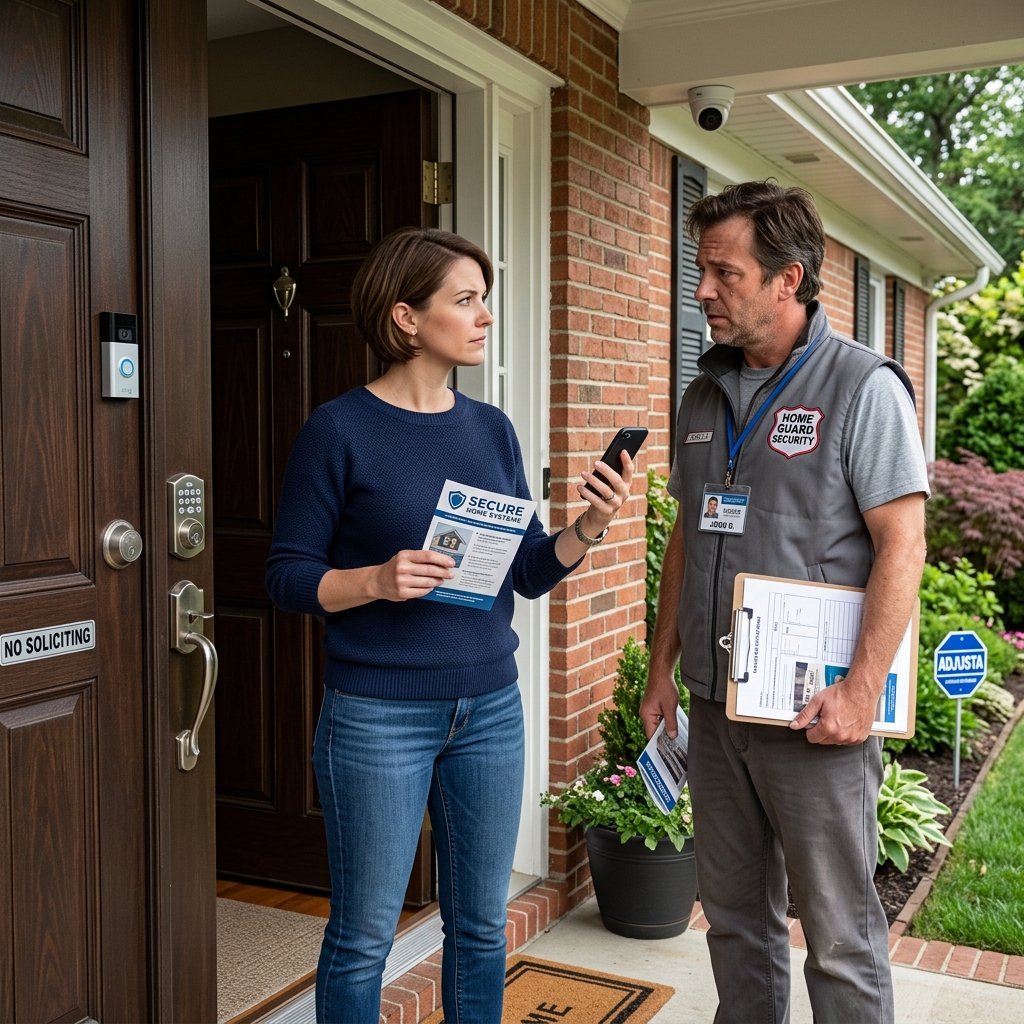
Buying a home security system should help you feel safer, not leave you with a costly contract or equipment you do not need. Scam artists often target homeowners with aggressive sales tactics, misleading claims, and confusing paperwork, especially when they show up uninvited or push for a quick decision. The best defense is to slow the process down, verify every claim, and compare offers before you agree to anything.
Why home security sales attract scammers
Home security is a product people often buy out of concern for their safety, and that emotional pressure creates an opening for dishonest sellers. Some scammers use fear to rush consumers into signing, while others promise big discounts, free equipment, or limited-time deals that disappear if you wait. In many cases, the real goal is not to provide protection but to lock you into a long contract, charge hidden fees, or collect personal information.
Because security systems can involve installation, monitoring, remote access, and automatic payments, the purchase is more complicated than buying a simple appliance. That complexity can make it harder to spot misleading terms unless you take time to review every detail.
Common warning signs to watch for
Scams rarely look the same, but the tactics often follow familiar patterns. If a seller uses any of the behaviors below, treat the interaction as a red flag and slow down before sharing information or signing documents.
- Unsolicited visits: A salesperson appears at your door without an appointment and says they are checking equipment, updating your service, or offering a special promotion.
- Pressure to decide immediately: You are told the offer expires today, only one package remains, or you must sign now to keep a discount.
- Claims that your current provider is gone: Someone says your existing security company has been bought out, closed, or stopped servicing your area, but you have not confirmed it yourself.
- Promises that sound too good to be true: The seller offers free systems, free installation, or unusually cheap monitoring without explaining the terms clearly.
- Vague or missing paperwork: You are asked to sign forms that do not clearly list the price, cancellation rights, warranty terms, or service obligations.
- Requests for personal information too early: The salesperson asks for banking details, account numbers, or other sensitive information before you have verified the company.
How to verify a salesperson or company
One of the simplest ways to avoid a scam is to confirm that the person in front of you really works for the company they claim to represent. Ask for a business card, a company phone number, and a photo ID. Then contact the company directly using a number you find independently, not the number handed to you by the salesperson.
If someone claims to represent your current alarm provider, do not rely on that statement alone. Call your provider’s official customer service line and ask whether the visit, call, or offer is legitimate. If the person is truly affiliated with the company, the provider should be able to confirm it.
You can also look for signs of a real business presence before agreeing to a home visit. A legitimate company usually has a website, a physical business address, and customer feedback that can be checked across multiple sources. If you cannot find consistent information about the company, that is a signal to stop and investigate further.
What to do when someone comes to your door
Door-to-door sales are one of the most common ways scammers reach homeowners. You are not required to keep the conversation going, and you do not need to let the person into your home just because they say they are from a security company. If the visit was unannounced, it is reasonable to end the interaction and contact the company later, after you have verified the representative’s identity.
Keep the exchange brief. Do not share details about your alarm setup, your work schedule, your travel plans, or whether someone is usually home during the day. Information like that can be useful to a dishonest seller and, in the worst case, could also help a criminal understand your household routines.
Research before you buy
Even if a company appears professional, you should still research it before signing anything. Look for a pattern of reviews rather than a single glowing testimonial. A scammer may be able to produce a few positive comments, but repeated complaints about misleading sales practices, hidden fees, or unreturned deposits are harder to ignore.
It is also useful to compare the company’s marketing promises with what it actually offers. Some sellers advertise low monthly pricing but add charges for equipment, activation, maintenance, app access, or cancellation. Others tie inexpensive starter packages to expensive long-term monitoring agreements. Reading the full terms helps you understand the real cost of the system.
Review the contract line by line
A home security contract should tell you exactly what you are buying. If the salesperson wants to hurry you through the paperwork, pause the process and ask for time to review it on your own. A trustworthy company should not object to that request.
Before you sign, check for the following details:
| What to confirm | Why it matters |
|---|---|
| Total installation and equipment cost | Shows the full upfront expense and helps you compare offers accurately |
| Monthly monitoring fee | Reveals the ongoing cost you will pay over time |
| Contract length | Explains how long you are committed to the service |
| Cancellation terms | Tells you whether and how you can end the contract early |
| Warranty information | Defines what repairs or replacements may be included |
| Company contact information | Lets you reach the seller later if there is a billing or service dispute |
Read every page, including the fine print. If something is missing or unclear, ask for a rewritten copy before you sign. A reputable company should be willing to explain the terms in plain language.
Be cautious with claims of “free” equipment
“Free” is one of the most persuasive words in sales, but in the home security market it often has conditions attached. Equipment may be advertised as free while the real cost appears in the form of a long contract, mandatory monitoring, installation fees, or equipment financing. In other cases, the device itself may be low quality or not well matched to your home.
Instead of focusing on the headline offer, calculate what you will actually pay over the full term of the agreement. A package that looks cheap at first can become expensive once recurring charges are included.
Protect your personal and financial information
Never hand over bank account information, card numbers, or access credentials before you have verified the seller and reviewed the contract. If a company asks for payment details before answering basic questions about pricing, service, or cancellation rights, that is a bad sign.
Also be careful with remote access apps, smart-home integrations, and device permissions. A security system may connect to cameras, locks, or sensors, so you should understand what data the company can collect and who can access it. The more connected the system, the more important it is to know how your information is stored and protected.
Use a slower decision process
Scammers benefit when buyers act fast. One of the most effective ways to protect yourself is to build in a waiting period. If a salesperson says the offer is urgent, treat that urgency as a reason to pause. Take at least a day to compare companies, read reviews, and look for complaints.
Use that time to ask practical questions:
- How much is required upfront?
- What happens if I move?
- Can I cancel, and if so, when?
- Is the equipment owned by me or leased?
- Are there fees for service calls or upgrades?
These questions do more than clarify pricing. They help reveal whether the company is transparent or trying to hide important terms.
Choose companies that let you compare options
It is safer to shop around than to agree to the first offer you hear. Compare several providers, including local firms and well-known national brands, and ask each one to explain the same basic points so you can evaluate them fairly. A good provider should respect the fact that you need time to decide.
If a company discourages comparison shopping, that itself is useful information. Honest sellers know their value can stand up to scrutiny. Dishonest ones tend to rely on confusion, urgency, and pressure.
Questions to ask before you sign
When you are ready to speak with a company, keep the discussion focused on specifics. The following questions can help you identify weak spots in the offer and determine whether the seller is credible.
- How long has the company been in business?
- Who installs and services the equipment?
- Is monitoring optional, or required?
- What are the cancellation rules?
- What fees are not included in the advertised price?
- How do I reach the company if I need support after installation?
Clear answers should come quickly and should match the written contract. If the sales representative avoids direct questions or gives inconsistent explanations, move on.
What to do if you think you were targeted
If you already signed something but now suspect a scam, act quickly. Gather copies of all paperwork, note the date and time of the interaction, and save any emails, text messages, flyers, or voicemails. If a charge has already been made, contact your bank or card issuer and ask about the best way to dispute it or block future payments.
You should also contact the company using independently verified information and ask for written clarification of the contract. If the seller gave false information or refuses to provide documents, that record may help if you need to file a complaint with a consumer protection agency.
FAQs
Is it safe to buy a security system from a door-to-door salesperson?
It can be safe only if you independently verify the company, review the paperwork carefully, and never feel rushed. An uninvited visit should always trigger extra caution.
What is the biggest red flag in a home security offer?
High-pressure sales tactics are among the clearest warning signs, especially when paired with vague pricing or a demand that you sign immediately.
Should I pay attention to reviews?
Yes. Reviews are not perfect, but repeated complaints about billing, cancellations, or misleading sales can reveal patterns that are worth taking seriously.
What if the salesperson says my current provider has been taken over?
Do not assume that is true. Call your provider directly using contact information you already trust and ask for confirmation.
Can I wait before signing?
Yes. Waiting is one of the best ways to protect yourself. A legitimate company will understand that you need time to compare options and read the contract.
References
- Six Common Home Security System Scams and How to Avoid Them — Angi. 2026. https://www.angi.com/articles/watch-out-home-security-scams.htm
- How to Avoid Security System Scams — Northeast Security Solutions. 2026. https://northeastsecuritysolutions.com/security-system-scams/
- 3 Tips to Avoid Home Security Scammers — Advanced Security. 2026. https://advancedsecurity.us/3-tips-to-avoid-home-security-scammers/
- The Best Ways to Avoid Scams When It Comes to Home Security — Johns Brothers Security. 2026. https://johnsbrotherssecurity.com/best-ways-to-avoid-scams-when-it-comes-to-home-security/
- The 2026 Guide to Home Security Systems — Security.org. 2026. https://www.security.org/home-security-systems/
Similar Articles








Read full bio of Sneha Tete




