
Foreclosure Relief Scams: 5 Warning Signs And How To Respond
Learn the warning signs of foreclosure scams and the safest steps to protect your home.
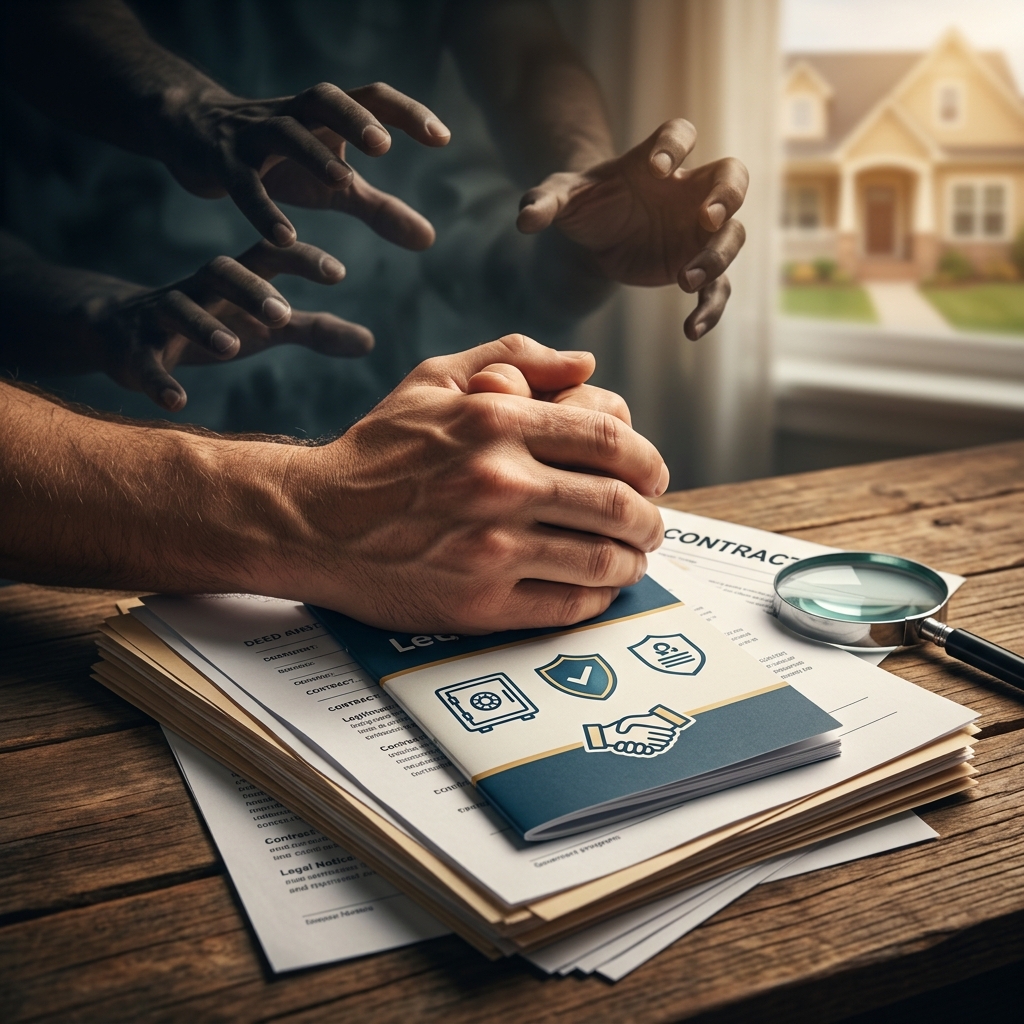
When a homeowner falls behind on mortgage payments, the stress can make any promise of help sound appealing. That pressure is exactly what scammers count on. Foreclosure relief fraud targets people who are afraid of losing their homes, and it often uses official-looking mail, urgent claims, and requests for money or paperwork that can make a bad situation worse. The safest response is to slow down, verify every offer, and work only with trusted sources.
Why foreclosure scams are so effective
Foreclosure is frightening, and scammers know that fear can override caution. They often present themselves as a rescue team, a government-linked program, a legal helper, or a mortgage expert with a special relationship to lenders. In reality, their goal is often to collect fees, take control of a property, or trick a homeowner into signing away rights that are hard to recover.
These schemes usually sound helpful at first. A scammer may say they can reduce your payments, stop the foreclosure process, or get you a better loan arrangement. They may also claim that quick action is required. That pressure tactic is meant to keep you from checking the offer with your lender, a counselor, or an attorney.
Common warning signs to watch for
Most foreclosure relief scams share the same basic features. If you see one or more of the signs below, stop and verify before you sign anything or send money.
| Red flag | Why it matters |
|---|---|
| Requests for money up front | Legitimate help does not usually require advance payment before any result is delivered. |
| Instructions to stop mortgage payments | This can damage your credit and weaken your options with the lender. |
| Requests to send payments to a third party | Your lender or servicer should be the only place you send mortgage payments unless you have verified written instructions. |
| Pressure to sign quickly | Urgency is used to keep you from reading the documents or getting advice. |
| Claims that someone can guarantee a solution | No outsider can guarantee a specific foreclosure outcome. |
Another major warning sign is any offer that asks you to transfer the title to your home. This can appear in a so-called rent-to-buy arrangement, a rescue lease, or a deed transfer that is described as temporary. Once your deed is signed away, getting the property back can become extremely difficult or impossible.
You should also be cautious if the company says it is doing a special loan “audit” or claims it has a secret formula that will force your lender to change the mortgage. These pitches are common in fraud cases because they sound technical and official without offering a real benefit.
How legitimate mortgage help usually works
Real assistance is usually slower, clearer, and less dramatic than scam offers. A reputable lender, servicer, housing counselor, or attorney will explain the process, tell you what information is needed, and discuss the possible results honestly. They will not promise a miracle.
If you are behind on payments, the most direct place to start is your mortgage servicer or lender. Contact them as soon as you can, even if the foreclosure process has already begun. The earlier you speak with them, the more options you may have. Depending on your situation, possible solutions can include repayment plans, forbearance, or other alternatives the lender may consider.
You can also seek help from a HUD-approved housing counselor. These counselors can help you understand your mortgage choices, organize your documents, and prepare for conversations with your lender. In many cases, their help is available at no cost.
Practical steps that protect you
The best defense is a cautious, documented approach. A homeowner in distress should focus on verifying, comparing, and keeping records. The following habits can reduce the risk of being taken advantage of:
- Contact your lender or servicer directly instead of relying on a stranger’s promise.
- Read every paper carefully before you sign it.
- Ask questions if any term is unclear.
- Keep copies of letters, emails, payment records, and names of people you speak with.
- Get advice from a housing counselor or attorney before transferring property or accepting a complex agreement.
- Insist on written terms instead of oral promises.
These steps matter because foreclosure scams often rely on confusion. A paper trail gives you something to review later and helps you compare what was promised with what was actually offered.
Documents and payment requests that deserve extra caution
Some scam patterns are especially dangerous because they can change ownership, transfer control, or hide the true cost of the deal. Be very careful if someone asks you to sign documents you do not understand, leave blanks in a contract, or agree to terms that are explained only verbally. Never assume a rushed explanation is enough.
Payment method also matters. Fraudsters often prefer methods that are difficult to reverse or trace. If someone tells you to make mortgage payments to a person or company other than your lender or servicer, verify that instruction directly with the institution that actually services the loan. Do not rely on the phone number, email, or letter provided by the person asking for payment unless you confirm it independently.
Who scammers often pretend to be
Foreclosure relief criminals often borrow the look and language of trusted institutions. They may use logos, seals, letterhead, or names that sound official. Some pretend to be government offices. Others imply they are lawyers, counselors, or mortgage specialists. The presentation can be polished, but appearance is not proof.
Real government agencies do not charge homeowners for help just to preserve a home. If someone claims to be tied to a public program, verify the identity through an official source before sharing any personal information. The same rule applies to lawyers and counseling agencies: confirm the license, the organization, and the physical contact information independently.
What to do before you accept any offer
If you are considering a mortgage assistance offer, use a simple decision process. First, pause. Second, confirm who is contacting you and why. Third, compare the offer with information from your lender, a counselor, or a qualified attorney. Fourth, ask what you are giving up in exchange for the promised help. Fifth, refuse any deal that requires immediate action without a full explanation.
That process is especially important when the offer says it can save your home for a fee. A scammer may frame the payment as a one-time charge, a processing cost, or a service package. But if the person cannot explain exactly what work will be done and how the result will be delivered, the risk is high.
Questions to ask a helper
A few direct questions can reveal whether a company is legitimate. Ask who they work for, whether they are licensed, whether they charge any fee in advance, and whether they can provide written details. Ask how they are connected to your lender, and whether your lender has authorized them to act on your behalf. Ask what results are guaranteed in writing.
If the answers are vague, defensive, or designed to pressure you, treat that as a sign to walk away. Honest professionals can explain their role clearly. Scammers often try to overwhelm you with jargon or urgency instead of giving a straightforward answer.
What to do if you already shared information
If you have already signed papers, paid money, or shared account details with someone who may be a scammer, act quickly. Contact your lender or servicer directly and explain what happened. If you signed a document that may transfer ownership or change the terms of your mortgage, speak with a lawyer as soon as possible. The sooner you respond, the better your chances of limiting the damage.
You should also keep every message, receipt, and contract associated with the offer. These materials can help when you file a complaint or seek legal help. If bank or card information was shared, ask your financial institution what protective steps are available.
Safer sources of foreclosure help
Not every service that helps with foreclosure is risky. Trusted help usually comes from your lender, a HUD-approved housing counselor, or a licensed attorney you choose yourself. These professionals should be able to explain your options without promising a guaranteed outcome.
Housing counselors can be especially useful because they can help you review your budget, prepare documents, understand the foreclosure timeline, and speak more confidently with your servicer. This support can reduce panic and help you make better decisions under pressure.
When to seek legal help
Legal advice is important if you have already signed documents, if someone asked you to transfer your deed, if you are not sure whether you still own your home, or if a company is demanding fees you did not expect. A lawyer can help determine whether a contract is lawful and whether the paperwork was misleading.
If cost is a concern, look for legal aid or low-cost housing law help in your area. Many communities offer consumer protection services for homeowners facing foreclosure. Acting early is important because once title or possession changes, the remedies may become more limited.
Frequently asked questions
Can someone legally charge me an up-front fee to stop foreclosure?
In general, advance fees for mortgage relief or foreclosure help are a major warning sign and may be prohibited depending on the service and location. Any company asking for money before delivering results should be treated with extreme caution.
Should I stop making payments if a rescue company tells me to?
No. Stopping payments without guidance from your lender or servicer can hurt your credit and make your situation worse. Always verify advice like this directly with a trusted housing professional.
Is a rent-to-buy offer safe?
Not automatically. Some of these offers are designed to take the title from the homeowner while giving the false impression that ownership can be regained later. Get legal advice before signing anything that changes ownership.
Who is the first person I should call if I am behind on my mortgage?
Your mortgage servicer or lender is usually the best first call. After that, a HUD-approved housing counselor can help you organize your next steps and understand what options may be available.
What if the company sounds professional but pressures me to act now?
Pressure is a common scam tactic. A legitimate helper should give you time to read, ask questions, and compare the offer with other sources of advice.
Building a safer response to mortgage trouble
Foreclosure relief scams thrive when people feel isolated. The safest response is to move the problem into daylight: talk to your lender, speak with a counselor, and check any offer before agreeing to it. If someone’s pitch depends on secrecy, urgency, or upfront payment, that is a strong reason to step back.
Homeowners do not have to navigate foreclosure pressure alone. Reliable help exists, but it is usually careful, documented, and transparent. Taking time to verify an offer can protect both your money and your home.
References
- How to spot and avoid foreclosure relief scams — Consumer Financial Protection Bureau. 2026. https://www.consumerfinance.gov/consumer-tools/mortgages/how-to-spot-and-avoid-foreclosure-relief-scams/
- Mortgage Relief Scams — Federal Trade Commission. 2026. https://consumer.ftc.gov/articles/mortgage-relief-scams
- Foreclosure Rescue Scams — Westchester County Department of Consumer Protection. 2026. https://consumer.westchestercountyny.gov/foreclosure-rescue-scams
- Foreclosure-related scams — Mass.gov. 2026. https://www.mass.gov/info-details/foreclosure-related-scams
- Beware of Foreclosure Scams — U.S. Department of the Treasury. 2026. https://home.treasury.gov/data/troubled-assets-relief-program/housing/beware-of-scams
Similar Articles








Read full bio of medha deb




