
Holiday Shopping and the Hidden Dangers of Counterfeit Gifts
Learn how to spot fake holiday gifts, understand the legal risks of counterfeits, and protect your family, your wallet, and legitimate brands.
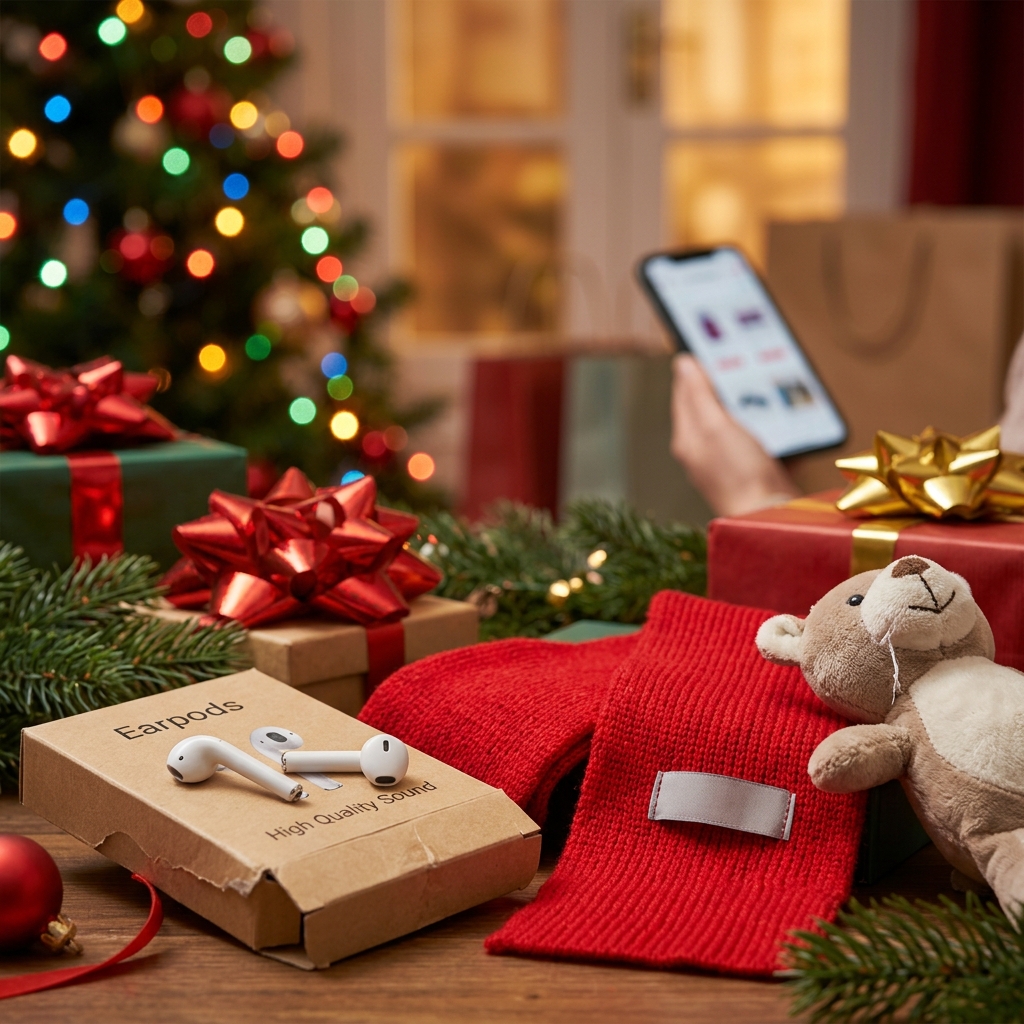
The holiday season invites generous gifting, crowded sales, and seemingly unbeatable deals. It also invites something far less festive: a surge in counterfeit products disguised as legitimate holiday bargains. While many shoppers focus on saving money, counterfeiters focus on exploiting that mindset, pushing fake goods that can be unsafe, illegal, and financially damaging for consumers and businesses.
This guide explains what counterfeit goods are, why they spike around Christmas and other holidays, the legal and safety risks they pose, and how you can protect yourself, your family, and legitimate brands when shopping online or in-store.
Understanding What Counts as a Counterfeit
Counterfeits are not simply generic products or inexpensive alternatives. They are goods deliberately made to imitate a genuine brand and to mislead buyers.
According to leading intellectual property authorities, counterfeiting typically includes:
- Manufacturing, importing, or selling products that are not genuine but are presented as authentic.
- Using logos, trademarks, or distinctive brand elements without authorization to make fake items look identical or nearly identical to the real ones.
- Packaging items in ways that closely mimic legitimate brand packaging to deceive consumers at a glance.
In simple terms, counterfeits are imitation products designed to trick you into believing you are buying the real thing. They differ from generic or “dupe” products that may resemble popular items but do not falsely claim to be from the actual brand.
Why Counterfeits Flourish During the Holidays
December gift-buying creates a perfect environment for counterfeiters. Increased demand for toys, electronics, luxury fashion, cosmetics, and seasonal foods aligns with higher pressure on consumers to stretch their budgets, making “too good to be true” deals especially tempting.
Counterfeiting intensifies during Christmas and other major holidays for several reasons:
- High demand for branded gifts: Popular electronics, designer apparel, and children’s toys are prime targets.
- Time pressure: Last-minute shoppers may skip careful research and buy from unfamiliar sellers.
- Online marketplace volume: Large platforms host millions of listings, making it easier for fake goods to blend in with genuine ones.
- Social media promotions: Influencer posts and targeted ads can steer consumers to unverified sellers.
- Cross-border shipping: International shipments increase, and counterfeit goods are often moved across borders to reach holiday shoppers.
For brands, this surge presents a “nightmare” of lost revenue, damaged reputation, and complex enforcement challenges. For consumers, it raises real risks of unsafe products and wasted money.
Legal Risks: It Is Not Just a Bad Bargain
Many people view counterfeit goods as merely a cheaper alternative. In reality, buying or selling counterfeits can have significant legal consequences.
Trademark and Intellectual Property Violations
Most counterfeit activity involves trademark infringement or trademark counterfeiting. Laws in many countries prohibit the manufacture and sale of products that misuse a brand’s protected marks, logos, or trade dress.
In the United States, federal laws such as the Trademark Counterfeiting Act and related statutes impose civil and criminal penalties on those who intentionally traffic in counterfeit goods. Consequences for sellers can include:
- Significant fines and damages for trademark infringement.
- Possible imprisonment for deliberate, large-scale counterfeiting activity.
- Seizure of counterfeit inventory and loss of profits.
- Reputational harm and loss of business relationships.
Liability Risks for Influencers and Online Sellers
Brand ambassadors, influencers, and small online sellers may face legal exposure if they promote or sell counterfeit goods—especially when they know or reasonably should know items are fake.
Risks can include:
- Legal claims from brands for trademark infringement and unfair competition.
- Regulatory scrutiny for deceptive advertising, particularly if relationships with sellers are not properly disclosed.
- Loss of credibility with followers, partners, and legitimate brands.
Legal Consequences for Consumers
For individual buyers, the primary impact is usually financial and safety-related. However, purchasing and transporting counterfeit goods can itself be unlawful in some jurisdictions.
Customs and border agencies have authority to detain counterfeit goods, and consumers may face:
- Confiscation of items at the border or upon inspection.
- Potential civil penalties for knowingly importing counterfeit products.
- No recourse against counterfeiters when something goes wrong, as many sellers disappear after the sale.
Safety Hazards: When Fake Gifts Become Dangerous
The most serious problem with counterfeit holiday gifts is not just economic loss—it is the risk of injury or harm to the recipient. Counterfeiters rarely comply with safety standards or regulations, focusing only on appearance and price.
High-Risk Product Categories
Government agencies have documented significant dangers associated with counterfeit versions of everyday goods:
| Product Type | Common Counterfeit Risks | Example Hazards |
|---|---|---|
| Electronics | Poor wiring, substandard components, lack of testing. | Overheating, fires, explosions, electric shock. |
| Toys & Children’s Products | Non-compliant materials, small parts, toxic paints. | Choking hazards, exposure to harmful chemicals. |
| Health & Beauty Products | Unknown ingredients, unsanitary manufacturing. | Skin burns, allergic reactions, ineffective treatments. |
| Food & Supplements | Mislabeling, false ingredient claims, lack of inspection. | Foodborne illness, dangerous contaminants. |
| Protective Gear (e.g., helmets) | Weak construction, poor materials. | Failure on impact, serious injury or death. |
Because counterfeit goods bypass regulatory oversight, they may contain hazardous substances, lack required safety warnings, or fail to perform in critical situations. When choosing gifts for children or for activities involving electricity, impact, or ingestion, the risk of counterfeits should not be taken lightly.
Economic Impact on Brands and Legitimate Businesses
Counterfeiting is not merely a nuisance for large brands. It erodes trust, depresses legitimate sales, and diverts revenue from companies that invest in safety, innovation, and employment.
Key economic harms include:
- Lost revenue and market share for rights holders, especially during peak sales periods.
- Brand dilution, where consumers struggle to distinguish genuine products from convincing fakes.
- Increased enforcement costs, including monitoring marketplaces, coordinating with customs, and pursuing legal actions.
- Damage to reputation when consumers blame brands for poor quality, unaware they purchased counterfeit items.
Smaller businesses can be particularly vulnerable, lacking the resources to run global brand-protection programs yet suffering disproportionate harm from fake goods impersonating their products.
How Consumers Can Spot Counterfeit Holiday Deals
Although counterfeiters are sophisticated, there are practical warning signs that can help you recognize risky holiday offers. Exercising careful judgment before clicking “buy now” can dramatically reduce your exposure.
Red Flags When Shopping Online
- Suspiciously low prices: If a product is much cheaper than on the brand’s official site or major retailers, treat it as a serious warning.
- Unfamiliar websites or sellers: Domains that mimic known brands but include misspellings or extra characters may be counterfeit operations.
- Poor-quality product photos: Blurry images, inconsistent branding, or missing views of key logos can indicate a seller is concealing the product’s true source.
- Limited or vague descriptions: Minimal detail about materials, safety approvals, or warranty coverage is common with fake goods.
- Lack of contact information: No physical address, customer service phone number, or clear return policy suggests the seller may disappear after the sale.
In-Person Shopping Warning Signs
- Packaging quality: Look for misspellings, flimsy boxes, inconsistent fonts, or missing safety labels.
- Product construction: Inspect stitching on clothing, seams on toys, and fixtures on electronics. Genuine products usually have consistent, clean workmanship.
- Labels and ingredients: Legitimate food and cosmetics list ingredients and provide regulatory details. Missing or unclear information should prompt you to walk away.
- Unusual retail settings: Brand-name items sold in temporary pop-up stalls, flea markets, or informal venues at very low prices may be counterfeit.
Practical Steps to Protect Yourself While Holiday Shopping
With some simple habits, you can significantly reduce your chances of purchasing counterfeit goods during the holiday rush.
Smart Consumer Strategies
- Buy from trusted retailers: Use well-known stores and official brand websites, especially for high-risk items such as electronics, toys, and cosmetics.
- Verify website authenticity: Check for secure connections (https), correct spelling of brand domains, and official logos.
- Compare with the brand’s site: Look at product images, descriptions, and typical pricing on the official site to spot discrepancies.
- Review return and warranty policies: Legitimate sellers usually offer clear return procedures and warranty details.
- Trust your instincts: If something feels off—whether the packaging, price, or seller—consider a different source.
What to Do If You Suspect a Counterfeit
- Stop using the product, especially if it is an item that could affect health or safety.
- Contact the brand with photos and purchase information; many companies have teams dedicated to investigating counterfeit reports.
- Report to authorities: In the United States, resources such as Stopfakes.gov and federal enforcement agencies provide reporting tools for counterfeit and pirated goods.
- Notify the platform: If you bought the item via an online marketplace, use its reporting mechanism to flag the seller.
- Document your purchase in case you pursue a refund or chargeback through your payment provider.
How Brands and Businesses Can Reduce Holiday Counterfeiting
Businesses that see counterfeit versions of their products circulating during the holidays can take proactive steps to safeguard their brands and customers.
Core Brand-Protection Measures
Industry organizations highlight multiple strategies for rights holders to limit the spread of fake goods:
- Register trademarks and other IP rights in key markets where products are sold, manufactured, or shipped.
- Record trademarks with customs authorities where possible, enabling border agents to identify and seize suspected counterfeits.
- Monitor supply chains to ensure authorized manufacturers and distributors adhere to contract terms and quality standards.
- Add hidden authenticity features, such as security codes or unique design elements that help distinguish genuine items from fakes.
- Train employees and partners to recognize counterfeit activity and escalate concerns promptly.
Working with Law Enforcement and Online Platforms
Effective anti-counterfeiting programs often rely on close cooperation between brands, law enforcement agencies, and major e-commerce platforms:
- Providing training to customs officials on how to recognize genuine products and spot fakes.
- Assisting in investigations and seizures involving counterfeit items.
- Using digital tools and monitoring services to detect suspicious listings and request takedowns.
- Maintaining clear reporting channels for consumers and resellers who encounter counterfeit goods.
Holiday Counterfeits: Frequently Asked Questions
Are consumers breaking the law if they buy counterfeit gifts?
In many countries, the primary legal focus is on the people manufacturing and selling counterfeit goods. However, importing or transporting counterfeit products can be illegal, and customs authorities may seize items and impose penalties if you knowingly bring fake goods into the country. Regardless of legal exposure, buying counterfeits contributes to unsafe markets and harms legitimate businesses.
How can I tell if an online deal on branded electronics is genuine?
Check the seller’s reputation, reviews, and how long they have been active. Compare the product description and images with those on the manufacturer’s official website. Be wary of prices far below typical retail and confirm that warranties or manufacturer support apply to purchases from that seller.
What should I do if I gave a counterfeit toy to a child by mistake?
Stop using the toy immediately, particularly if it includes small parts, batteries, or painted surfaces. Consult the brand’s official customer support to confirm authenticity and get guidance. Consider reporting the seller to the platform or relevant authorities, and replace the toy with one from a trusted retailer to ensure safety.
Do luxury goods bought from street vendors or pop-up stalls tend to be fake?
High-end designer items sold at deep discounts in informal settings are frequently counterfeit. Authentic luxury brands typically control their distribution channels and rarely authorize sales through temporary stalls or unverified vendors. If the price is dramatically lower than standard retail and documentation is missing, the risk of counterfeits is high.
Where can I report suspected counterfeit holiday goods?
Depending on your jurisdiction, you can usually report to consumer protection agencies, customs authorities, or specialized intellectual property enforcement programs. In the United States, official resources such as Stopfakes.gov and federal agencies like Customs and Border Protection and Homeland Security Investigations offer reporting mechanisms and guidance on counterfeit goods.
References
- Counterfeiting (Intended for a non-legal audience) — International Trademark Association. 2024-01-15. https://www.inta.org/fact-sheets/counterfeiting-intended-for-a-non-legal-audience/
- The Truth Behind Counterfeits — U.S. Customs and Border Protection. 2023-06-20. https://www.cbp.gov/trade/fakegoodsrealdangers
- Counterfeit Goods: A Danger to Public Safety — U.S. Immigration and Customs Enforcement (ICE). 2021-11-30. https://www.ice.gov/features/dangers-counterfeit-items
- A Counterfeit Christmas: How to Protect Your Business and Your Wallet — Klemchuk LLP. 2020-12-10. https://www.klemchuk.com/ideate/a-counterfeit-christmas-protect-your-business-and-your-wallet
- Counterfeiting during Christmas: A Nightmare for Brands and Customers — Countercheck Blog. 2019-12-18. https://blog.countercheck.com/counterfeiting-during-christmas-a-nightmare-for-brands-and-customers-e24e0d8643a
Similar Articles








Read full bio of medha deb


