
Essential Car Insurance Q&A for Everyday Drivers
Clear answers to the most common car insurance questions to help you choose the right protection at the right price.
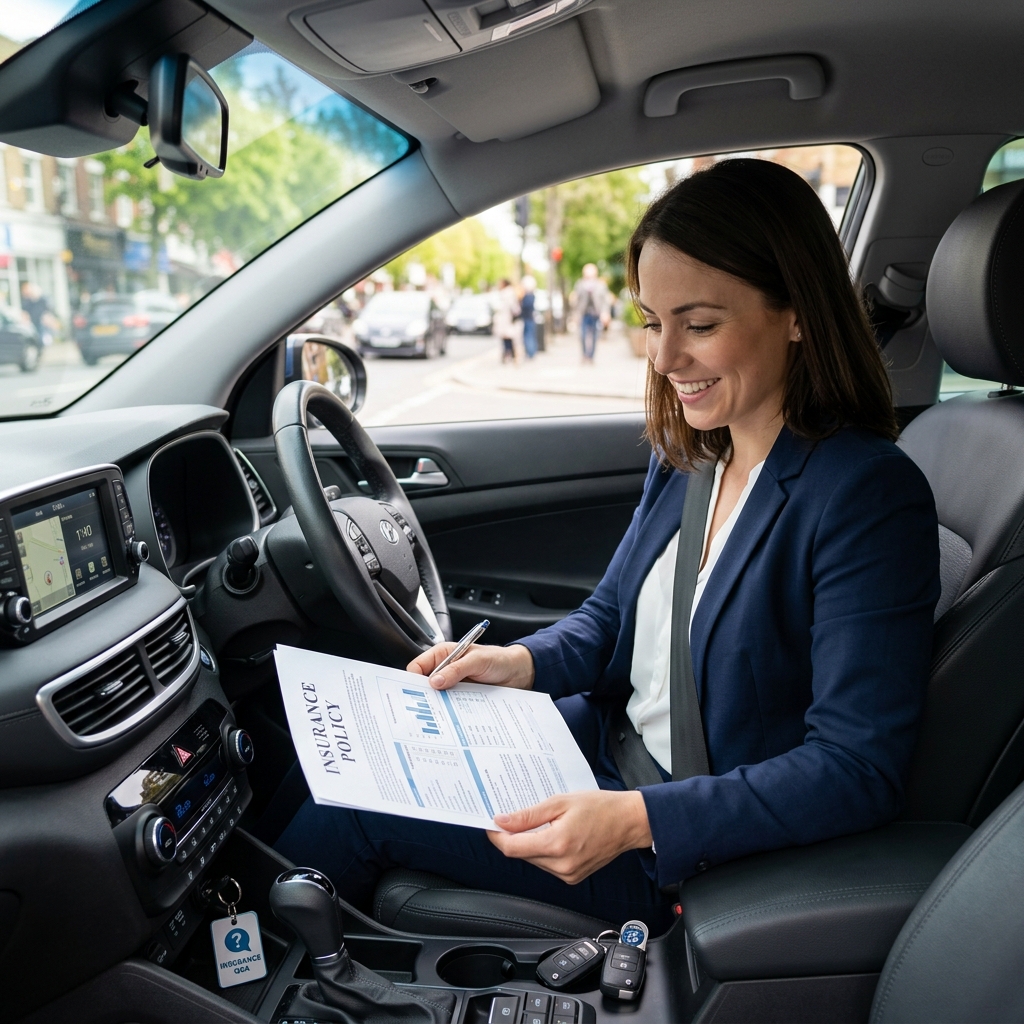
Car insurance terms and options can feel confusing until you break them down into simple questions and answers. This guide walks through the most common car insurance questions drivers ask, explaining how coverage works, what affects your premium, and how to make smart decisions about your policy.
Use this Q&A-style article as a practical reference when you compare quotes, speak with an insurance representative, or review your existing coverage.
Understanding the Basics of Car Insurance
What does a typical car insurance policy include?
A standard car insurance policy is a collection of separate coverages that work together to protect you financially if you cause an accident, suffer damage, or are injured. According to consumer insurance guidance, most policies include several core types of protection, each with its own limit and purpose.
| Coverage type | What it protects |
|---|---|
| Bodily injury liability | Injuries to other people if you are legally responsible for an accident. |
| Property damage liability | Damage you cause to someone else’s car or other property (e.g., fences, buildings). |
| Personal injury protection (PIP) or MedPay | Certain medical expenses and related costs for you and passengers, depending on state rules. |
| Collision coverage | Repair or replacement of your vehicle after a crash, regardless of fault. |
| Comprehensive coverage | Damage to your car from non-collision events, such as theft, vandalism, fire or falling objects. |
| Uninsured/underinsured motorist (UM/UIM) | Costs if you are hit by a driver with no insurance or not enough coverage. |
Beyond these, insurers often offer optional protections such as roadside assistance, rental reimbursement, gap coverage for loans, and accident forgiveness. These extras can be useful but should be evaluated against your budget and how you use your vehicle.
Is car insurance legally required?
In almost every U.S. state, drivers are required to carry at least a minimum level of liability coverage to legally operate a vehicle. Liability insurance is designed to ensure that people injured or whose property is damaged in accidents have some financial recourse.
Key points about legal requirements:
- Most states mandate minimum bodily injury and property damage liability limits.
- Two states, such as New Hampshire and Virginia, have alternative arrangements but still impose financial responsibility rules on drivers.
- If you finance or lease your vehicle, your lender will typically require collision and comprehensive coverage to protect its interest in the car.
Even if you could legally drive with very low limits, many legal and consumer resources emphasize that state minimum coverage is often not enough to fully protect your assets after a serious accident.
Key Questions About Coverage Choices
How much liability coverage do I really need?
Liability coverage is the foundation of your policy because it pays for other people’s injuries and property damage when you are at fault. Choosing limits that are too low exposes your savings, income, and property if a claim exceeds your policy’s maximum payout.
When deciding on liability limits, consider:
- Your total assets: Higher income or significant savings usually call for higher liability limits.
- Local medical and repair costs: In areas with high health care and vehicle repair costs, minimum limits can be exhausted quickly.
- Risk tolerance: If you want more peace of mind, selecting higher limits is often relatively inexpensive compared with the potential cost of a major claim.
Many legal practitioners and consumer advocates suggest choosing limits higher than the legal minimum and aligning them with the value of your assets, not just the state’s requirement.
Do I need collision and comprehensive coverage?
Collision and comprehensive coverage protect your own vehicle. They are not usually required by law, but they are contractually required if your car is financed or leased.
Ask yourself these questions:
- Could you afford to repair or replace your car out of pocket if it were totaled?
- Is the vehicle’s market value high enough to justify the premium and deductible?
- Is your car exposed to risks like theft, severe weather, or animal collisions?
Insurance guidance notes that comprehensive coverage applies to non-crash events, such as theft, vandalism, fire, and storm damage, while collision covers damage from a crash with another vehicle or object. For newer or more expensive cars, these coverages are often worth the cost. For older cars with low value, some drivers choose to drop them and rely on liability only.
What is personal injury protection (PIP) and MedPay?
Personal injury protection (PIP) and medical payments (MedPay) are coverages designed to help pay medical bills and related costs regardless of fault, subject to policy limits. Their availability and requirements vary by state.
- PIP may cover medical expenses, lost wages, and sometimes funeral costs, depending on the policy language and state rules.
- MedPay usually focuses on medical bills and is often optional, supplementing health insurance.
- Some states require one or both as part of a no-fault insurance system, where each driver’s own policy pays certain losses up to a set limit regardless of who caused the crash.
If you have strong health insurance, you may still want these coverages as they can help with deductibles, co-pays, and expenses not fully covered by health plans, especially after serious accidents.
Should I buy uninsured/underinsured motorist coverage?
Uninsured and underinsured motorist coverage (UM/UIM) protects you when a driver who hits you has no insurance or not enough coverage to pay for your injuries and damage. Some states require it; others make it optional.
Reasons many experts consider UM/UIM valuable:
- It can pay for medical treatment, lost income, and sometimes property damage when the at-fault driver cannot.
- It may help you avoid relying solely on lawsuits against drivers who have limited assets.
- Premiums for UM/UIM are often modest relative to the protection they offer, especially in areas with higher rates of uninsured drivers.
Because serious injuries can generate substantial bills, several legal sources recommend carrying robust UM/UIM limits rather than the minimum.
Premiums, Deductibles, and Discounts
What factors affect my car insurance premium?
Your premium is the amount you pay for your policy, typically monthly or annually. Insurers calculate this based on how risky they believe it is to insure you, using many different factors that are permitted under state law.[10]
Common pricing factors include:
- Driving record: Accidents, traffic violations, and claims history typically increase costs.
- Vehicle type: More expensive, powerful, or frequently stolen cars usually cost more to insure.
- Annual mileage: The more you drive, the more exposure you have to potential accidents.
- Location: Urban areas with dense traffic or higher theft rates often see higher premiums.
- Coverage limits and deductibles: Higher limits and lower deductibles raise premiums; lower limits and higher deductibles reduce them.
- Driver characteristics: Age, sometimes credit-based measures where permitted, and household composition can influence pricing.
Insurers use different weighting and models, which is why it is important to compare quotes from multiple companies rather than assuming one offer reflects the entire market.
What is a deductible and how does it affect my policy?
A deductible is the amount you agree to pay out of pocket on certain claims before your insurer pays the remainder. It typically applies to collision and comprehensive claims and can also appear on some optional coverages.
For example, if you have a $500 collision deductible and $3,000 in damage from a covered crash, you would pay $500 and the insurer would pay $2,500.
How deductibles influence your policy:
- Higher deductibles usually mean lower premiums because you share more of the risk.
- Lower deductibles offer more financial protection on each claim but increase your ongoing premium cost.
- You should choose a deductible you can reasonably afford to pay in an emergency, while balancing long-term cost savings.
How can I reduce my car insurance costs?
Insurers often offer multiple ways to lower your premium without sacrificing critical protection. Company guidance frequently emphasizes asking about discounts and tailoring coverage to your needs.
Potential cost-saving steps include:
- Bundling auto and home or renters insurance with the same company.
- Maintaining a clean driving record over time.
- Opting for telematics or usage-based programs that reward safe driving behavior.
- Completing approved driver safety courses where recognized.
- Adjusting deductibles after reviewing your emergency savings.
- Removing coverage that no longer makes sense for an older, low-value vehicle, while keeping legally required and essential protections.
Always verify how a discount affects your total coverage; saving a small amount is rarely worth a large reduction in important protection.
Claims, Policy Management, and Practical Tips
What should I do after an accident to handle insurance properly?
How you respond in the minutes and hours after an accident can make your claim smoother and protect your rights. Although procedures differ slightly among insurers, consumer and regulatory authorities suggest several common steps.
- Make sure everyone is safe, call emergency services if needed, and comply with law enforcement instructions.
- Exchange contact and insurance information with other drivers involved.
- Document the scene with photos, including vehicle positions, damage, and any relevant road conditions.
- Collect the names and contact details of witnesses, if available.
- Report the incident to your insurer as soon as reasonably possible, following their claim reporting process.
- Keep records of medical visits, repair estimates, and communication related to the accident.
Being factual and organized helps your insurer evaluate the claim and may speed up resolution.
How often should I review or update my car insurance policy?
Your insurance needs change over time, so it is wise to revisit your coverage periodically and after major life events.[10]
Consider reviewing your policy when:
- You buy, sell, or significantly upgrade a vehicle.
- Your daily commute or annual mileage changes substantially.
- Someone new starts driving your car regularly, such as a teen driver.
- You move to a new neighborhood or state.
- Your financial situation changes, making higher limits or different deductibles more appropriate.
During a review, ask your insurer or agent to walk through how each coverage works, confirm that listed drivers and vehicles are accurate, and check for new discounts or programs that may apply.
Quick FAQs: Common Car Insurance Questions Answered
FAQ 1: Does my car insurance follow the car or the driver?
In many situations, car insurance follows the vehicle first and then the driver, but the exact rules depend on policy language and state law. If you lend your car to someone with your permission, your policy may be considered primary for any accident, while their policy could provide secondary coverage. Always read your policy and clarify with your insurer before regularly lending your car.
FAQ 2: Am I covered when I rent a car?
Your personal auto policy may extend certain coverages to rental cars, but not always. Some policies cover rentals similarly to your own vehicle, while others have limitations, especially for business use or certain vehicle types. Rental companies also offer their own insurance options. Before renting, ask your insurer exactly what is and is not covered, and consider whether you need supplemental protection.
FAQ 3: Does my policy cover damage from weather, theft, or vandalism?
Damage from non-collision events—such as hail, falling branches, theft, or vandalism—is typically covered under comprehensive coverage. If you do not carry comprehensive, you may have to pay these losses yourself. Drivers in areas prone to storms, wildfires, or higher theft rates often find comprehensive especially important.
FAQ 4: What happens if I only carry state minimum coverage?
State minimum liability limits may satisfy legal requirements but are often too low to fully protect you in serious accidents. If injury or property damage costs exceed your policy’s maximum, you can be personally responsible for the difference. That may mean court judgments, wage garnishment, or other collection actions. For most drivers, choosing higher limits is a relatively inexpensive way to reduce this risk.
FAQ 5: How do I know if I am getting all the discounts I qualify for?
Insurers may not automatically apply every possible discount, especially if they are tied to new information such as updated mileage, safety programs, or life changes. To avoid missing savings:
- Ask your insurer for a full list of available discounts.
- Confirm they have accurate details about your mileage, vehicle safety features, and any completed driver training.
- Review your policy after events like buying a new car or moving, as these can unlock different pricing or bundles.
Final Thoughts: Using Q&A to Make Better Insurance Decisions
Car insurance becomes far more manageable when you look at it as a series of practical questions: what is legally required, what protects your finances, how much risk you can afford, and which options fit your budget. By understanding the main types of coverage, how premiums are calculated, and what happens during a claim, you can approach conversations with insurers more confidently.
As you compare policies, keep a written list of your key questions—from coverage limits and deductibles to rental car rules and discounts—and ask each company the same set. Consistent questions make it easier to compare answers and choose the protection that truly matches how you drive and what you need.
References
- 25 Most Asked Questions About Auto Insurance — Policygenius. 2023-05-10. https://www.policygenius.com/auto-insurance/frequently-asked-questions-about-car-insurance/
- Questions and answered about auto insurance (Training Manual) — Consumer Action. 2016-01-01. https://www.consumer-action.org/downloads/english/AutoInsuranceQ&A_Final.pdf
- 9 questions to ask your car insurance company — Liberty Mutual. 2022-02-15. https://www.libertymutual.com/insurance-resources/auto/questions-to-ask-your-car-insurance-company
- 5 Questions to Ask Your Car Insurance Rep — Travelers. 2021-07-01. https://www.travelers.com/resources/auto/insuring/5-questions-to-ask-your-car-insurance-rep
- 8 questions to ask before buying auto insurance — Insurance Information Institute. 2020-09-30. https://www.iii.org/article/8-questions-to-ask-before-buying-auto-insurance
- Answers to Common Auto Insurance Questions — AAA Club Alliance. 2022-06-01. https://cluballiance.aaa.com/insurance/askanagent/auto1-insurance-questions
- Questions and Answers about Auto Insurance — AutoAccident.com. 2025-01-10. https://autoaccident.com/questions-and-answers-about-auto-insurance/
Similar Articles








Read full bio of medha deb




