
Ending Guardianship in New York: A Practical Guide
Learn when and how a guardianship can be terminated in New York, who may file, and what to expect in court.
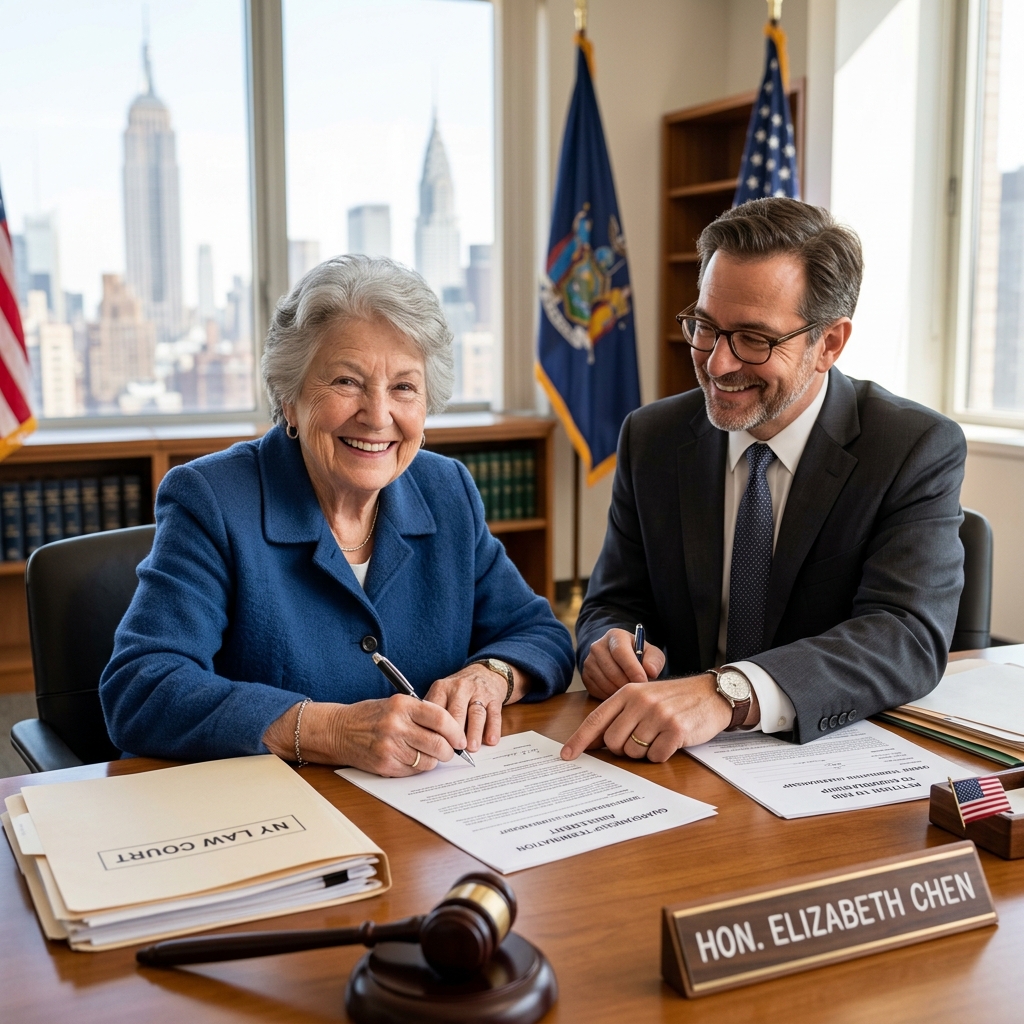
Guardianship gives another person legal authority to make decisions for a child or an incapacitated adult. In New York, that authority does not have to last forever. Under state law, guardianships can be ended (terminated), modified, or the guardian can be replaced when circumstances change.
This article explains in practical, plain language how guardianship termination works in New York, who may ask the court to end or change it, common legal grounds, and what to expect from the process.
Understanding Guardianship and Why It Can Be Reversed
New York recognizes guardianships for both minors and incapacitated adults. These court orders are designed to protect someone who cannot safely make important decisions on their own, but they are not intended to be permanent if the underlying reasons disappear.
Types of Guardianship Commonly Seen in New York
- Guardianship of a minor – A guardian is appointed to make decisions for a child when parents are unable or unavailable. This can cover personal, educational, and medical decisions.
- Guardianship of an incapacitated adult – Often created under New York Mental Hygiene Law Article 81, this type focuses on adults who cannot manage personal or financial affairs due to disability, illness, or cognitive decline.
- Limited guardianship – The guardian’s powers are restricted to certain areas (for example, finances only), based on the person’s needs and abilities.
Because guardianships significantly limit individual rights, courts take seriously any credible claim that the arrangement is no longer necessary or should be changed.
Key Reason Guardianship Can Be Ended
New York courts may end or alter a guardianship when evidence shows it is no longer in the person’s best interests or legally justified. Typical situations include:
- Recovery of capacity – An adult regains the ability to make responsible decisions about health, housing, or finances.
- Child reaches adulthood – Guardianship of a minor generally ends when the child turns 18, the age of majority.
- Parents are now fit to care for a child – Parents resolve issues that led to guardianship and demonstrate they can safely meet their child’s needs.
- Guardian misconduct or inability – A guardian fails to fulfill duties, becomes incapacitated, or engages in financial or personal abuse.
- Death of the ward – The guardianship ends, but the guardian must still complete final reporting and accounting duties to the court.
Who Can Ask to End or Change a Guardianship?
In New York, more than one person may have the right to tell the court that a guardianship should be revisited. According to New York court guidance, the first step is to obtain instructions from the court in the county where the guardianship was created, because procedures can vary locally.
| Potential Petitioner | Typical Scenario |
|---|---|
| The person under guardianship (ward) | Adult believes they have regained capacity and wants to restore their rights. |
| Parents of a minor | Parents can now provide safe, stable care and want guardianship of their child ended. |
| Current guardian | Guardian wishes to resign or believes guardianship is no longer necessary. |
| Relatives or interested parties | Family members or agencies allege abuse, neglect, or misuse of funds by the guardian. |
Anyone considering such a request should speak with the clerk’s office or review the New York courts’ official guardianship materials to confirm the local procedure before filing.
Legal Grounds for Terminating Guardianship
The court will not end guardianship simply because someone asks; it must find legal grounds and sufficient evidence. While each case is unique, courts generally look at several well‑recognized reasons.
1. The Ward No Longer Needs a Guardian
For adults, termination often hinges on whether they can again manage important decisions. Courts may consider medical records, functional assessments, and testimony from professionals who have evaluated the person’s capacity.
- Medical improvement – Conditions such as brain injury, mental illness, or substance use disorders may improve over time with treatment.
- Ability to handle daily life – Evidence the person maintains housing, pays bills, and manages health appointments responsibly.
- Support network – Family, community services, or supported decision‑making arrangements that help the person succeed without full guardianship.
2. Minor Reaches Age of Majority
Guardianship over a child normally ends automatically at age 18, unless another court order continues some form of oversight. At that point, the young adult gains full legal authority over their own decisions.
3. Parents Are Ready to Resume Care of a Child
When guardianship was created because parents could not safely care for their child, they may later demonstrate that those concerns have been addressed. Courts look for concrete improvements such as:
- Stable housing and income
- Ability to provide food, clothing, and supervision
- Plans for education and medical care
- Proof that past problems (like substance misuse or domestic violence) have been resolved or managed
If the guardian agrees that the child should return to the parents, the process may be simpler. If the guardian disagrees, a formal petition and hearing are typically required.
4. Guardian Resigns or Is Removed
A guardian may ask the court to end their appointment for personal reasons, or the court may remove a guardian if there is misconduct or inability to perform required duties.
Misconduct may include:
- Failure to submit required reports or accountings to the court
- Misuse or misappropriation of the ward’s funds and property
- Neglect of medical or personal needs
- Physical, emotional, or financial abuse
In these situations, the court may either terminate the guardianship completely or replace the guardian with someone else, depending on whether the ward still needs protection.
5. Death of the Person Under Guardianship
When an incapacitated adult dies, the guardianship naturally ends, but the guardian’s administrative duties generally continue for a short period. New York law and common practice require steps such as providing a death certificate to the court, notifying key agencies, and filing a final accounting.
Step‑by‑Step Process to Reverse Guardianship in New York
Although details differ by county, most New York guardianship termination efforts follow a similar pattern. The New York State Unified Court System recommends starting by requesting instructions from the court that created the guardianship.
Step 1: Get Information From the Original Court
- Contact the Supreme Court or Surrogate’s Court that issued the guardianship order.
- Request a copy of the original guardianship decision and any later orders.
- Ask the clerk or consult official court guidance to learn which forms and procedures apply in that county.
Step 2: Consult a Guardianship or Family Law Attorney
Ending guardianship affects important rights and responsibilities. Many people benefit from legal advice before filing. A New York guardianship lawyer can:
- Explain whether your situation meets common legal grounds for termination
- Help gather medical, financial, or personal evidence
- Prepare and file the petition with the correct court
- Represent you at hearings and negotiate with other parties
Step 3: Prepare and File a Petition or Motion
The formal request to end or change guardianship is usually made through a written petition or motion to the court. While exact titles and forms may differ, the document generally includes:
- Basic case information (names, case number, date of original order)
- Clear statement of what you are asking the court to do (terminate guardianship, modify terms, or replace guardian)
- Detailed reasons why guardianship is no longer necessary or should change
- Supporting evidence or list of documents you plan to submit (for example medical letters, financial records, or witness statements)
Step 4: Serve Notice on All Relevant Parties
New York courts typically require that certain people receive formal notice of the petition. This may include:
- The current guardian
- The person under guardianship (if they did not file the petition)
- Parents of a minor, if applicable
- Other interested parties identified in the original order (for example close family members or agencies)
Proper notice ensures that everyone has an opportunity to respond and appear at the hearing.
Step 5: Attend the Court Hearing
The court will schedule a hearing to examine whether guardianship should be changed or ended. At the hearing:
- The judge reviews the petition and any written responses.
- Parties may testify and present witnesses, documents, or professional evaluations.
- The guardian can explain why they believe guardianship is still necessary (if they oppose termination).
- The ward or parents may describe how circumstances have improved and how they plan to manage responsibilities.
The judge then issues a written decision, which may fully terminate guardianship, modify it, deny the request, or schedule additional proceedings.
Common Outcomes When Asking to End Guardianship
After reviewing evidence, the court may choose one of several outcomes:
- Full termination – Guardianship ends completely, and the ward regains full legal rights.
- Partial modification – Guardian’s powers are reduced, or guardianship is converted to a more limited order that fits current needs.
- Change of guardian – The court removes the current guardian and appoints a new one, while keeping guardianship in place.
- Denial of the petition – Guardianship continues unchanged if the court finds that protection is still necessary.
Practical Tips for Building a Strong Case
Whether you are the ward, a parent, or a guardian, thorough preparation can make a significant difference in a guardianship termination hearing.
Gather Persuasive Evidence
- Medical documentation – Letters or reports from physicians, therapists, or other professionals describing capacity and improvements.
- Financial records – Proof you can manage income, savings, bills, and debts responsibly.
- Housing and employment details – Lease agreements, proof of employment, or benefit statements demonstrating stability.
- Support plans – Information about community services, case management, or family support that will help maintain safety and stability.
Prepare Your Personal Explanation
The hearing is an opportunity to speak directly to the judge. Consider in advance how to explain:
- Changes since the guardianship was granted
- How you make decisions differently now
- What concrete steps you have taken to address past risks
- What specific plan you have for managing health, housing, finances, or parenting going forward
Consider Professional Representation
While some people represent themselves, guardianship proceedings can be complex. An attorney familiar with New York guardianship law can help navigate technical requirements and present evidence effectively.
Frequently Asked Questions (FAQs)
Can an adult under guardianship in New York file to end the guardianship?
Yes. Adults under guardianship may petition the court that established the guardianship to vacate or modify it. They must show that they can again manage their personal or financial affairs safely.
Is guardianship over a child automatically terminated at age 18?
Generally, yes. Guardianship of a minor usually ends when the child reaches age 18, although other court orders (such as custodial or support orders) may still apply.
What if the guardian is abusive or misusing money?
Family members, the ward, or others can report concerns to the court and may file a petition seeking removal of the guardian. The court can end guardianship or appoint a new guardian if it finds misconduct or failure to perform duties.
Do I need a lawyer to reverse guardianship?
A lawyer is not legally required, but guardianship cases often involve complex rules and significant rights. Consulting a New York attorney experienced in guardianship or family law is strongly recommended, especially when other parties oppose termination.
How long does the termination process take?
Timing varies by county and case complexity. Simple, uncontested cases may resolve in a relatively short period, while contested matters with extensive evidence or evaluations can take longer and require multiple hearings.
References
- Ending or Changing Guardianship — New York State Unified Court System. 2024-03-01. https://www.nycourts.gov/guardianship-basics/ending-or-changing-guardianship
- New York Guardianship Lawyer — Kerri Castellini, PLLC. 2023-06-15. https://trustandestateslawyers.com/new-york-trusts-and-estates-lawyer/guardian/
- Ending a Guardianship in New York — O’Connell & Aronowitz. 2022-10-10. https://oalaw.com/blog/trust-estates-law/ending-a-guardianship-in-new-york/
- How to Terminate a Guardianship in NY: A Comprehensive Guide — Sheryll Law, P.C. 2023-04-05. https://sheryll-law.com/how-to-terminate-a-guardianship-in-ny-a-comprehensive-guide/
- Terminating a Guardianship — Family Law Self-Help Center (Nevada Judicial System). 2021-08-01. https://www.familylawselfhelpcenter.org/self-help/guardianship/terminating-a-guardianship
Similar Articles








Read full bio of Sneha Tete


