
Sibling Custody In Wyoming: 2025 Practical Guide And Key Steps
A practical guide for Wyoming residents who want to legally protect and care for a brother or sister through custody or guardianship.
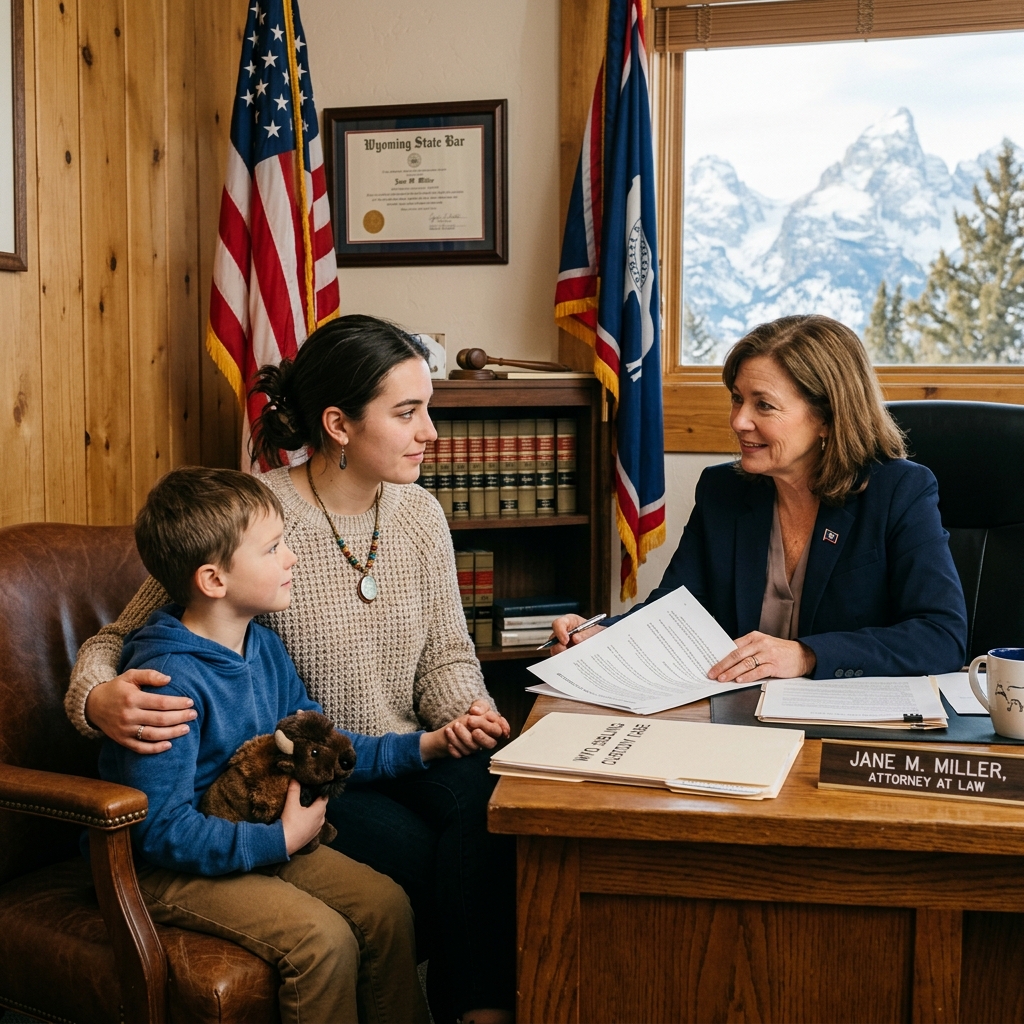
In Wyoming, it is possible in some situations for an older brother or sister, or another close relative, to become the legal custodian or guardian of a minor child. This process is legally complex and depends on the child’s situation, the involvement of the Department of Family Services (DFS), and what a judge determines is in the child’s best interests. Understanding the framework before you act can help you protect your sibling effectively.
Understanding Custody and Guardianship for Siblings
Wyoming law does not have a special, separate procedure labeled “sibling custody.” Instead, brothers and sisters generally seek custody or guardianship using the same laws that apply to parents, relatives, and kinship caregivers. The exact path you use depends on whether the child is already in state custody, living with a parent, or in an unsafe or unstable home.
Custody vs. Guardianship: Key Differences
To plan wisely, you need to know how custody and legal guardianship differ under Wyoming law.
- Legal custody typically refers to a court order in family court that determines where the child lives and who makes major decisions about the child’s education, medical care, and religious upbringing.
- Physical custody is about the child’s primary residence and day-to-day care, such as who the child lives with most of the time.
- Legal guardianship is a court-recognized transfer of legal responsibility for a child from DFS to a private caregiver, or through a probate or district court, giving the guardian many of the rights and duties a parent would have.
When you are trying to protect a sibling, guardianship may be more common if the child is already under the supervision or legal custody of DFS, whereas custody orders are more typical in disputes between private parties (parents and relatives) in family court.
How Joint, Sole, and Split Custody Work
Even though parents are the usual parties in custody cases, a sibling might become involved in limited scenarios, such as when parents are unavailable or a guardian arrangement is combined with a custody order. Wyoming recognizes several custody arrangements:
- Sole or primary physical custody – One adult has primary residential care of the child; the other adult may have visitation rights.
- Joint custody – Both adults share legal and physical custody, and each has substantial time with the child. This requires a high degree of cooperation.
- Split custody – If there are multiple children, each parent might have custody of at least one child. This arrangement is only approved if it clearly serves each child’s best interests.
For an older sibling seeking to bring a brother or sister into their home, the more realistic path is guardianship or limited custody tied to specific circumstances rather than a traditional “parent vs. parent” custody contest.
Kinship Guardianship and Sibling Care in Wyoming
Wyoming recognizes kinship guardianship as a permanency option for children who are in the custody of DFS and cannot return safely to their parents, but who do not need or want adoption. This system is important for siblings who want to offer a permanent, legally recognized home.
What Is Kinship Guardianship?
Kinship guardianship transfers legal responsibility for a child from DFS to a private caregiver, such as a grandparent, aunt, uncle, or older sibling, while preserving some legal ties to the parents. The guardian gains rights like:
- Physical custody and control of the child’s daily life.
- Authority to consent to medical, educational, and other major decisions.
- Responsibility to provide a safe and stable home for the child.
Parents typically lose the right to unilaterally make decisions but may keep limited visitation, depending on the court’s orders and the child’s needs.
Eligibility Rules That Affect Siblings
Wyoming’s DFS policies impose specific requirements for legal guardianship when the child is in state custody. These requirements may be adjusted when siblings are involved.
| Requirement | General Rule | Sibling-Specific Note |
|---|---|---|
| Child’s age and status | Child must be under 18 and in DFS legal custody immediately before guardianship is established. | Applies regardless of sibling relationship if DFS remains involved. |
| Residence with prospective guardian | Child must have lived with the prospective guardian for at least 6 months before filing for guardianship. | For sibling groups, this 6-month requirement can be waived when at least one sibling meets all guardianship conditions. |
| Guardian’s age | Guardian must generally be over 21, but DFS may waive this requirement in appropriate circumstances. | An older teenager or young adult sibling might qualify if DFS approves an age waiver. |
| Financial ability | Guardian must be able to support the child, with or without a subsidy or other resources. | Subsidies or assistance can be important for younger guardians. |
In addition, kinship guardianship requires home studies, background checks for adults in the home, references, and involvement from the attorney general’s office to ensure legal compliance.
The Best Interests of the Child Standard
All custody and guardianship decisions in Wyoming are guided by one core principle: the best interests of the child. Even when a sibling is willing and eager to help, the court’s first priority is the child’s safety, well-being, and long-term stability.
Factors Courts Commonly Consider
Wyoming statutes and court guidance indicate that judges look at a combination of factors when deciding custody or guardianship:
- The child’s physical and emotional needs and each proposed caregiver’s ability to meet those needs.
- The stability and safety of the proposed home environment.
- Any evidence of domestic violence, child abuse, or neglect.
- The existing relationship between the child and each caregiver, including siblings.
- The child’s adjustment to current school, community, and home.
Legislation and judicial guidelines emphasize that no single factor is decisive; the judge must weigh them collectively and focus on what arrangement promotes the child’s present and future welfare.
Sibling Bonds and Their Legal Weight
Keeping brothers and sisters together is often considered beneficial for children, especially after a crisis or removal from a parent’s care. DFS policies on kinship guardianship acknowledge sibling groups by allowing certain residency requirements to be waived when at least one child satisfies the criteria. This is an indirect recognition that preserving sibling relationships can serve the child’s best interests.
While there may not be an explicit statutory rule requiring siblings to be placed together in all circumstances, courts and agencies frequently consider the emotional value of sibling bonds when crafting permanency plans and guardianship arrangements.
Starting the Legal Process to Protect a Sibling
The steps you take depend heavily on whether your sibling is already known to DFS, involved in a child protection case, or living with a parent or other caretaker without court involvement.
When DFS Is Already Involved
If your sibling is in the legal custody of DFS, a kinship guardianship case usually proceeds through DFS and the attorney general’s office. Key steps include:
- DFS determines that guardianship is appropriate and makes a permanency decision.
- The DFS caseworker submits a guardianship request to the attorney general.
- The attorney general’s office prepares formal documents, including a petition for guardianship and consents from the parents and proposed guardian.
- The prospective guardian and parents sign the documents, which are then filed in court.
- The court reviews the petition and, if needed, holds a hearing before entering an order appointing the guardian.
As an older sibling, you would work closely with the DFS caseworker to demonstrate your suitability, complete home studies and background checks, and show that guardianship with you is in the child’s best interests.
When DFS Is Not Involved
If no child protection case exists and your sibling is living with a parent or another adult, the process is more like a traditional custody or guardianship proceeding in court. Although the specifics can vary, common steps include:
- Consulting with a family law attorney, especially if your case involves allegations of abuse, neglect, or domestic violence.
- Filing a petition in the appropriate Wyoming court (often in the county where the child lives) requesting custody or guardianship.
- Serving the petition on the child’s parents or current guardians, giving them notice and a chance to respond.
- Requesting temporary orders if necessary to protect the child while the case is pending, especially if the child’s safety is at immediate risk.
- Participating in mediation or settlement discussions, where permitted, to reach an agreement if possible.
- Going to trial if no agreement is reached, presenting evidence and testimony about why custody or guardianship with you serves the child’s best interests.
Regardless of the route, judges will require clear evidence that moving the child into your care is safer and more stable than the current situation.
Practical Preparation for a Sibling Custody Case
Legal standards are only part of the challenge. You also need to document your role in the child’s life and be ready to show the court that you can provide stability and care.
Building a Strong Record
Wyoming family law practitioners emphasize the importance of keeping detailed records when custody or guardianship may be contested. This advice applies equally to a sibling seeking custody:
- Maintain a caregiving journal noting school activities, medical appointments, and time you spend supporting your sibling.
- Save texts, emails, and other communications that demonstrate your involvement or highlight unsafe behavior by current caregivers.
- Keep copies of report cards, medical records, and letters from teachers or counselors showing the child’s needs and progress.
- Document any missed caregiving responsibilities or interference with your attempts to help the child.
These materials can help the court see both the problems in the current environment and the stability you offer.
Demonstrating Stability and Support
Court and DFS decisions often hinge on whether the proposed guardian or custodian can meet the child’s long-term needs. You can strengthen your case by showing that you:
- Have a safe, appropriate place for the child to live.
- Can provide or arrange for reliable transportation to school, activities, and medical care.
- Understand the child’s special needs, such as therapy, educational supports, or medical conditions.
- Have a plan for childcare if you work or attend school.
- Can rely on community resources, such as child support programs or public benefits, if needed.
For younger adults or older teens seeking guardianship, DFS and the court may look carefully at income, housing, and support networks to ensure the arrangement is realistic.
Frequently Asked Questions About Sibling Custody in Wyoming
Can a teenager get custody of a younger sibling?
Guardianship rules generally prefer guardians who are 21 or older, but DFS policy allows an age waiver in some cases. A mature older teen or young adult sibling might qualify if DFS and the court are convinced that guardianship is safe, stable, and in the child’s best interests.
Does the child have to live with me for six months first?
For kinship guardianship under DFS, there is usually a six-month residency requirement with the prospective guardian. However, this requirement can be waived for sibling groups when at least one sibling meets all other legal guardianship requirements. In private custody or guardianship cases, the residency rules may differ and depend on the court’s jurisdictional requirements.
What if the parents do not agree to the guardianship?
If parents do not consent, you may still be able to seek custody or guardianship, but the process is more adversarial. You will need to prove that the existing arrangement is unsafe or unsuitable and that your proposed arrangement better serves the child’s best interests. The court will carefully weigh parents’ rights against evidence of harm or instability.
Is domestic violence or abuse relevant to the judge’s decision?
Yes. Wyoming courts are required to consider credible evidence of domestic violence or child abuse when making custody decisions. If your sibling is exposed to violence or abuse, documenting it and presenting it safely through counsel or DFS can be critical to changing their living situation.
Do I need a lawyer to help me?
Although some forms are available for self-represented litigants, custody and guardianship cases can be complex, especially when they involve DFS or contested parental rights. Speaking with a family law attorney or seeking help from legal aid organizations can significantly improve your understanding of the process and your chances of success.
References
- Kinship Guardianship as a Permanency Option – Wyoming — Child Welfare Information Gateway. 2022-03-01. https://www.childwelfare.gov/resources/kinship-guardianship-permanency-option-wyoming/
- Child Custody and Visitation – Wyoming Judicial Branch — Wyoming Judicial Branch. 2021-06-01. https://www.wyocourts.gov/legal-help-by-topic/child-custody-and-visitation/
- Wyoming Custody — WomensLaw.org. 2023-05-01. https://www.womenslaw.org/laws/wy/custody/all
- Wyoming Child Custody: What You Need to Know — Puzzle Group. 2023-02-15. https://puzzlegroup.com/wyoming-child-custody-what-you-need-to-know/
- Parents & Caregivers – Wyoming Child Support Program — Wyoming Department of Family Services. 2022-08-10. https://childsupport.wyo.gov/parents-caregivers/
- Legislation – 2018 – HB0071 – Custody and Visitation — Wyoming Legislature. 2018-03-09. https://www.wyoleg.gov/Legislation/2018/HB0071
- Child Custody Attorney in Jackson, Wyoming — Freeburg Law. 2021-09-01. https://tetonattorney.com/wyoming-family-law-attorney/child-custody-attorney
Similar Articles








Read full bio of Sneha Tete


