
Elder Abuse Victims: Rights and Reporting
A practical guide to the protections, reporting channels, and support systems available to older adults facing abuse or neglect.
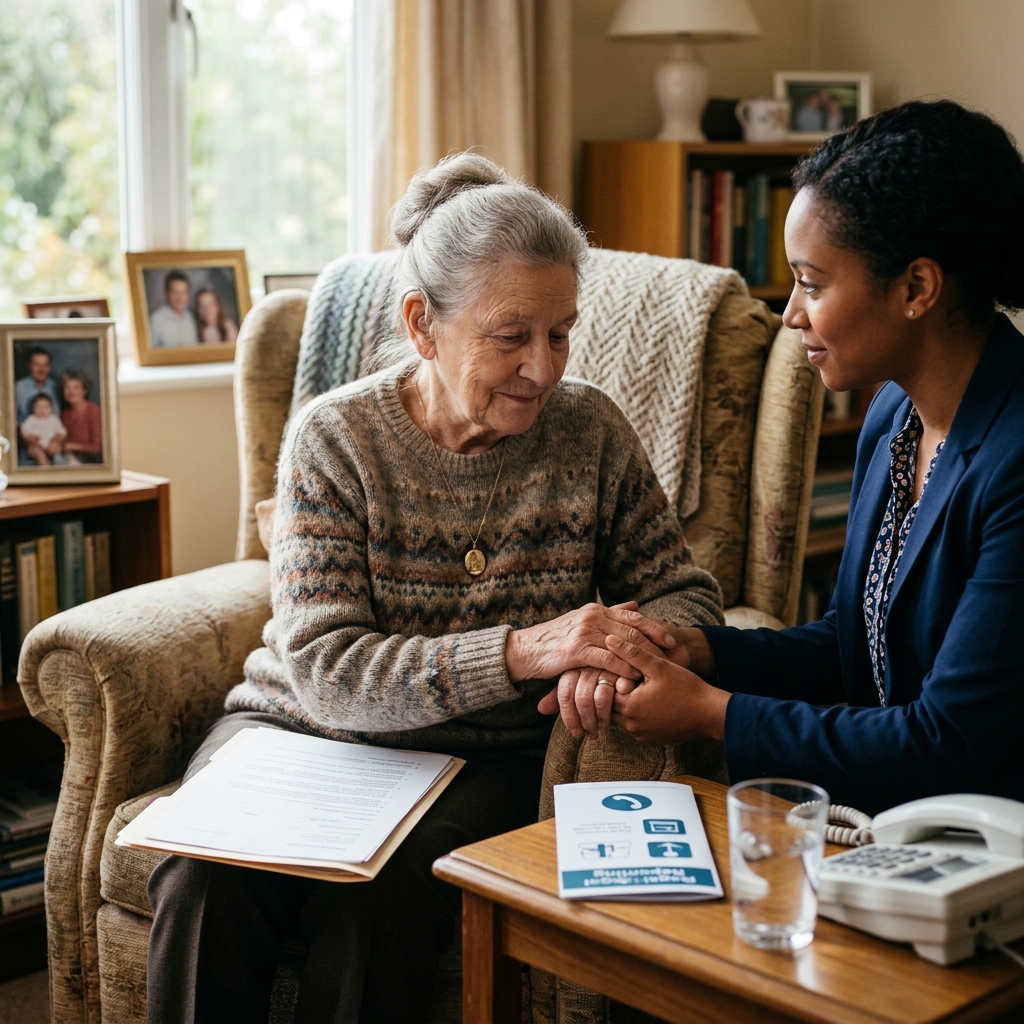
Older adults who experience abuse, neglect, or exploitation are entitled to protection, dignity, and access to help. The law recognizes that harm against a vulnerable adult is not only a private family matter or a care-setting concern; it can also raise civil, regulatory, and criminal issues that require a fast and coordinated response.
This guide explains the core rights commonly available to victims of elder abuse, how reporting systems work, and why prompt action matters. It also outlines the role of families, caregivers, professionals, and agencies that may be required to report suspected harm.
Why elder abuse requires a special response
Elder abuse can take many forms, including physical harm, emotional abuse, sexual abuse, neglect, isolation, and financial exploitation. In some cases, the abuse happens in a private home. In others, it occurs in a nursing facility, assisted living community, hospital, or another care environment.
What makes these cases especially serious is that older adults may face barriers to speaking up. They may depend on the abuser for housing, transportation, medication, money, or daily care. They may also fear retaliation, loss of services, or disbelief. For that reason, victim protection systems are designed to make reporting easier and to reduce the chance that abuse continues unchecked.
Many public resources for older adults emphasize that reporting is not just about punishment. It is also about stopping ongoing harm, preserving safety, and connecting the victim to medical, social, legal, and protective services as quickly as possible.
Common rights available to older victims
Although the exact rules vary by state and setting, older victims often have overlapping rights under elder protection laws, residents’ rights laws, adult protective services rules, and crime-victim protections. These rights are meant to support both immediate safety and longer-term recovery.
- Right to be safe: Older adults should live and receive services in an environment free from abuse, neglect, and exploitation.
- Right to dignity and respect: Care must be delivered without degrading treatment, harassment, or unfair discrimination.
- Right to report concerns: Victims may complain about abuse or poor care without being punished for speaking up.
- Right to privacy: Personal, medical, and family matters should be handled with confidentiality when possible.
- Right to participate in care decisions: Older adults generally have the right to understand treatment choices and take part in decisions affecting their wellbeing.
- Right to victim services: Victims may be eligible for referrals, counseling, emergency support, and other assistance depending on the facts of the case.
These rights matter because abuse often thrives where communication is limited and oversight is weak. A strong rights framework helps restore control to the older person and places responsibility on institutions and professionals to act responsibly.
Who may need to report suspected abuse
Reporting obligations are one of the most important tools in elder protection. Some people are required by law to report suspected abuse, while others are strongly encouraged to do so even if they are not mandatory reporters. The exact list of mandatory reporters depends on state law, but it often includes health professionals, social workers, nursing home staff, direct care workers, and other people who regularly interact with older adults in a professional capacity.
Mandatory reporting rules exist because these professionals are often in the best position to notice warning signs. They may see injuries, sudden changes in behavior, poor hygiene, unexplained withdrawal, missing money, medication problems, or signs that a caregiver is exerting control inappropriately.
Even when a person is not legally required to report, speaking up can still be critical. Delays can allow abuse to continue, evidence to disappear, and the victim’s health to worsen.
Warning signs that should prompt action
Not every suspicious situation is abuse, but certain patterns should raise concern. Families, neighbors, facility staff, and professionals should pay attention to changes that do not have a clear explanation.
- Unexplained bruises, burns, fractures, or repeated injuries
- Poor hygiene, dehydration, malnutrition, or untreated medical needs
- Sudden fearfulness around a specific person
- Unusual withdrawals from bank accounts or missing property
- Pressure to change wills, deeds, or financial documents
- Isolation from friends, relatives, or community supports
- Missed medications, ignored treatment plans, or poor supervision
- Unsafe living conditions, including lack of heat, food, or clean surroundings
One isolated sign may not prove abuse, but multiple warning signs often justify a report. The goal is not to investigate on your own; it is to alert the proper agency so trained professionals can assess the situation.
How the reporting process typically works
Once abuse is reported, the next steps depend on the setting and the type of harm involved. In many jurisdictions, adult protective services, law enforcement, or facility regulators will review the complaint and decide whether an investigation is needed. In long-term care settings, ombudsman programs may also help resolve complaints and protect residents’ rights.
A good report usually includes basic facts: the victim’s name, location, what happened, when it occurred, who may have caused the harm, and whether the person is in immediate danger. If there is immediate risk, emergency services should be contacted right away.
Investigators may interview the older adult, caregivers, witnesses, and facility staff; review records; inspect the environment; and determine whether emergency action, protective services, or criminal referral is appropriate. Some cases move through more than one system at the same time, especially when the conduct may involve both neglect and a crime.
| Concern | Typical response path |
|---|---|
| Immediate danger | Call emergency services or local police |
| Suspected neglect or exploitation | Report to adult protective services or a similar state agency |
| Facility-related complaint | Contact the ombudsman or facility regulator |
| Possible crime | Notify law enforcement and preserve evidence |
Support services that may be available to victims
Reporting abuse should ideally lead to more than an investigation. Older adults may need practical help to stabilize their lives. Federal and state victim-service systems may offer counseling referrals, transportation support, emergency placement, medical assistance, safety planning, and help understanding legal options.
In some cases, the victim may also be eligible for compensation programs that help cover crime-related expenses such as medical bills, therapy, or relocation costs. These programs do not replace criminal accountability, but they can reduce the financial burden created by abuse.
Support may also include access to long-term care ombudsman advocates, legal aid, disability resources, and community organizations that help older adults remain safe while preserving independence. For many victims, the most important benefit of these services is that they create a path forward after years of silence or fear.
The role of facilities, caregivers, and institutions
Nursing homes, assisted living providers, hospitals, home care agencies, and similar organizations have a strong responsibility to prevent harm. They are expected to maintain safe conditions, train staff, respond to complaints, and cooperate with investigations. In some states, providers must also notify residents about their rights and explain how complaints can be made.
When an institution fails to respond properly, the problem can become larger than a single incident. Repeated neglect, ignored complaints, inaccurate records, or retaliation against a reporting resident can indicate a deeper compliance issue. In those situations, regulators may examine staffing, supervision, documentation, and internal reporting systems.
Families should pay attention to whether a facility takes concerns seriously. A prompt and professional response is a positive sign, while dismissiveness, hostility, or secrecy may indicate that the complaint needs to be escalated.
What victims and families can do right away
When elder abuse is suspected, speed matters. A calm, organized response can protect the victim and improve the chance that evidence is preserved.
- Get the older adult to a safe place if possible
- Call emergency services if there is immediate danger
- Document injuries, messages, unusual transactions, or unsafe conditions
- Save records, receipts, photographs, and contact information for witnesses
- Avoid confronting a suspected abuser alone if that could create more risk
- Report the concern to the proper agency without delay
- Ask about victim services, legal aid, or ombudsman assistance
Families sometimes hesitate because they worry about making a mistake. It is better to report a genuine concern than to stay silent while the older adult remains at risk. Trained officials can determine whether the facts support action.
How victim rights connect to accountability
Elder protection is not only about immediate intervention. It is also about accountability. Depending on the facts, an abuser may face civil claims, administrative sanctions, licensing consequences, or criminal charges. Those outcomes can help prevent further harm and may give the victim a measure of justice.
At the same time, the legal system recognizes that older adults should not lose control over their own lives simply because abuse occurred. The strongest responses combine protection with respect for autonomy. That means involving the older person in decisions whenever possible, explaining options clearly, and avoiding unnecessary paternalism.
This balance is especially important when the victim has cognitive limitations. A person may need support making decisions without losing all voice in the process. Good elder protection systems seek the least restrictive solution that still keeps the person safe.
Frequently asked questions
What should I do if I think an older adult is in danger right now?
If there is immediate danger, contact emergency services or local police right away. Do not wait for a routine report process when a life or safety issue is unfolding.
Do I need proof before I report?
No. Reports are typically based on reasonable suspicion, not proof. Investigators are responsible for determining what happened.
Can a victim report abuse without permission from a caregiver or family member?
Yes. Older adults generally have the right to make complaints and seek help directly. In many systems, they may also ask for anonymous reporting or assistance from another person.
What if the abuse happened in a nursing home?
Facility abuse may be reported to the state regulator, the ombudsman program, adult protective services, or law enforcement depending on the situation. Multiple agencies may become involved.
Is financial exploitation treated seriously?
Yes. Stealing money, pressuring an older adult to sign documents, or using deception to gain access to assets can trigger both civil and criminal consequences.
Why early reporting protects both safety and evidence
The longer abuse continues, the harder it can be to investigate. Records may be altered, injuries may heal, witnesses may forget details, and financial losses may grow. Reporting early increases the chance that authorities can intervene before the harm becomes more severe.
Early reporting also helps protect the victim’s credibility and access to services. A documented complaint can support later requests for relocation, guardianship review, medical evaluation, restitution, or facility sanctions. In that sense, reporting is both a protective step and a record-building step.
For older adults and the people who care about them, the most important message is simple: abuse is never acceptable, and help is available. The right response can stop harm, preserve dignity, and create a safer path forward.
References
- Victims Rights – Elder Justice Initiative — U.S. Department of Justice. 2024-05-01. https://www.justice.gov/elderjustice/victims-rights2
- Related Resources | Elder Fraud & Abuse — Office for Victims of Crime. 2024-05-01. https://ovc.ojp.gov/program/elder-fraud-abuse/related-resources
- Senior Rights — Office of the Attorney General of Texas. 2024-05-01. https://www.texasattorneygeneral.gov/consumer-protection/seniors-and-elderly/senior-rights
- Victims’ Rights and Services — California Elder Justice Coalition. 2024-05-01. https://www.elderjusticecal.org/victims-rights-and-services.html
- Elder Rights Protection – ACL-AoA Fact Sheet Template — U.S. Administration for Community Living. 2017-03-01. https://acl.gov/sites/default/files/news%202017-03/Elder_Rights_Safeguards_for_the_Most_Vulnerable_Among_Us_1.pdf
- Protection Under the Law – Seniors Legal Rights — Minnesota Department of Public Safety. 2024-05-01. https://www.ag.state.mn.us/consumer/handbooks/SLR/CH7.asp
Similar Articles








Read full bio of medha deb




