
Navigating Driver’s License Renewal Challenges
Understanding consequences and solutions when you miss your license renewal deadline.
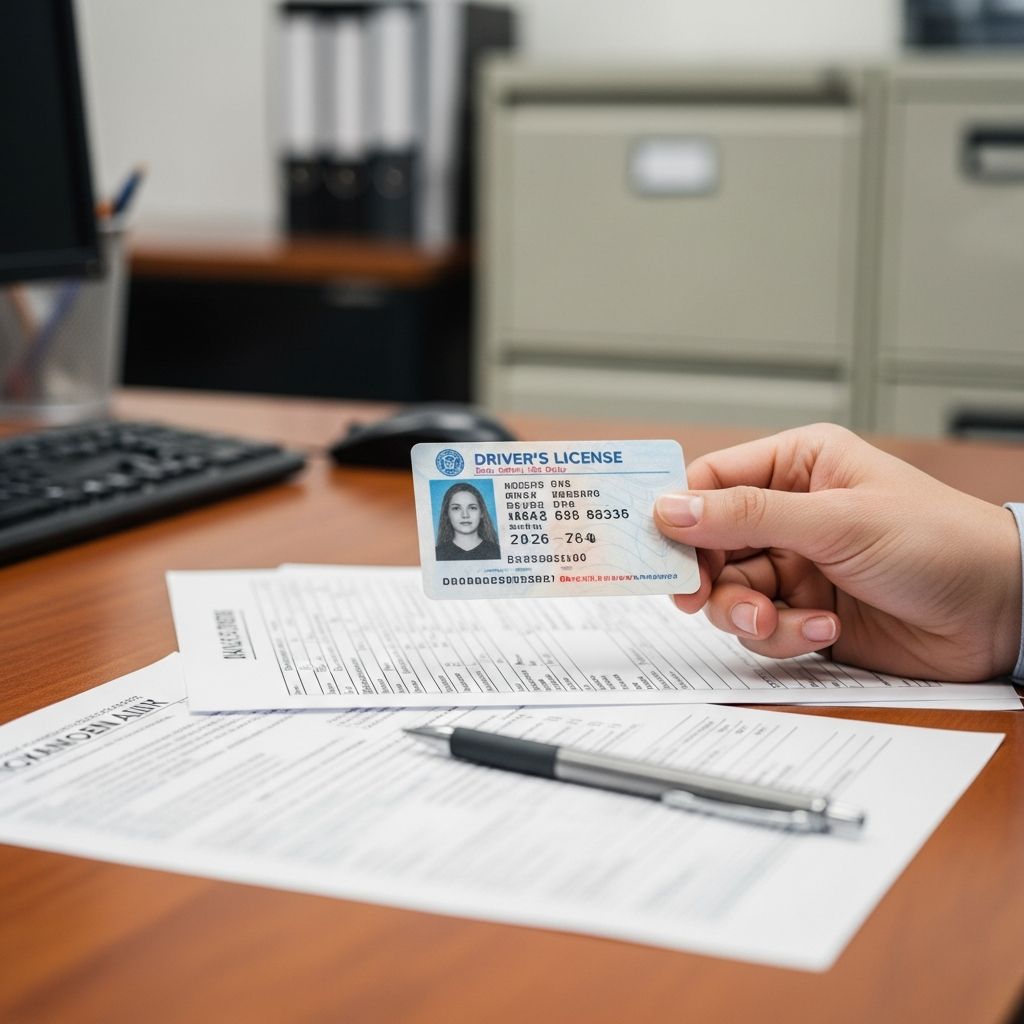
Understanding the Consequences of Delayed License Renewal
Your driver’s license is more than just identification—it’s a legal requirement for operating a vehicle on public roads. When renewal deadlines approach, many people put off the task, assuming they’ll handle it “eventually.” However, failing to renew your driver’s license before expiration can trigger serious legal and practical complications that extend far beyond simply not being able to drive. Understanding what happens when you miss this critical deadline is essential for every driver, regardless of age or driving experience.
Legal Penalties for Operating a Vehicle with an Expired License
One of the most immediate and severe consequences of failing to renew your license is the prohibition against driving. Unlike forgetting your license at home—a situation that may result in a warning—driving with an actually expired license constitutes a legal violation in all states. Law enforcement officers treat this offense seriously, and the penalties can be surprisingly harsh.
The specific consequences vary dramatically depending on your state of residence. In California, for instance, operating a vehicle with an expired license is classified as a criminal offense, potentially resulting in fines reaching $1,000 and up to six months of jail time. Other states impose less severe but still significant penalties. South Carolina, for example, establishes a one-week grace period after expiration, after which drivers face potential fines up to $300 and possible incarceration for up to 30 days if caught driving.
These penalties exist because expired licenses indicate that a driver has not undergone required testing or vision screening in the mandated timeframe. States use renewal requirements to ensure that drivers maintain current knowledge of traffic laws and can physically operate vehicles safely.
How Long Can You Actually Drive After Your License Expires?
This is where confusion often sets in. Many drivers believe they have automatic grace periods, but the reality is far more complicated. Grace periods—the time window during which you can renew without facing additional requirements—vary significantly by state and do not mean you can legally drive during this time.
In South Carolina, for example, there is no grace period permitting you to drive with an expired license, though you can renew your license within nine months of expiration without retaking tests. This means while the renewal process itself may be streamlined during this window, driving remains illegal the entire time.
Other states offer different frameworks. Georgia allows drivers with licenses expired less than two years to renew without retesting. Indiana permits a 180-day grace period for renewal, after which drivers must pass a written test and vision screening until three years post-expiration, when the driving test becomes required as well. These variations underscore the importance of understanding your specific state’s regulations.
Extended Expiration and Increased Testing Requirements
If you fail to renew within your state’s grace period, the consequences escalate substantially. After a certain timeframe—typically six months to two years depending on jurisdiction—states require you to retake various examinations before license reinstatement.
South Carolina illustrates this progression clearly. If your license has expired for more than nine months, you must retake both the written examination and the driving test to renew. Similarly, Texas requires drivers who miss the two-year grace period to apply for an entirely new license, necessitating both written and behind-the-wheel testing. These requirements exist because extended periods without driving qualification assessments make state officials doubt whether you remain competent behind the wheel.
The testing requirements become increasingly onerous the longer you delay. What might have been a simple online renewal fifteen months ago now requires scheduling driving tests, gathering documentation, and demonstrating your ability to operate a vehicle under official observation.
Understanding State-Specific Renewal Frameworks
Each state structures its driver’s license renewal program differently, reflecting varying regulatory philosophies. South Carolina’s system, for instance, allows drivers to renew licenses online if they meet specific criteria—including being a U.S. citizen, having no more than five points on their record in two years, and not having renewed online in the previous cycle. The renewal fee is $25, and the license remains valid for eight years from issuance.
However, not every driver qualifies for online renewal. Non-citizens must renew in person, as must anyone who renewed online during their previous renewal cycle or who has certain license restrictions. For those renewing in person, the process includes providing vehicle insurance information, passing a vision screening, and potentially taking a knowledge test if traffic violations exceed five points in the past two years.
Georgia’s system operates with a two-year grace period for renewal without retesting, after which expired licenses require the driver to pass vision, written, and driving tests. These differences mean that moving between states or not understanding your state’s specific rules can create unexpected complications.
Special Circumstances and Military Exceptions
Recognizing that circumstances sometimes prevent timely renewal, many states offer exceptions for specific situations. South Carolina law provides extended renewal opportunities for active military personnel stationed outside the state and their immediate family members living with them. If military duty or family status prevented renewal, individuals have up to 60 days after returning to the state to renew as though their license had not expired. These provisions acknowledge that military service imposes unique constraints on timely license administration.
Other states may offer similar accommodations for medical emergencies, extended hospitalization, or other documented hardships, though availability varies. Drivers facing unusual circumstances preventing timely renewal should contact their state DMV to inquire about available options.
The Consequences Beyond Legal Penalties
Criminal and civil penalties represent only part of the impact of driving with an expired license. Practical consequences often prove equally significant. Insurance companies may deny coverage for accidents occurring while you were driving with an expired license, leaving you personally liable for damages, medical expenses, and property destruction. Employment opportunities may suffer, particularly for positions requiring clean driving records or involving vehicle operation. Car rental companies refuse to rent to drivers with expired licenses, and loan applications for vehicle purchases face complications when applicants cannot demonstrate valid driving authorization.
Additionally, an expired license can complicate air travel identification verification, access to certain facilities, and various governmental transactions that require current identification. The cascading effects of a missed renewal extend into numerous life domains.
Practical Steps to Restore Your Driving Privileges
If your license has expired, immediate action is necessary. First, you must cease driving immediately—continuing to operate a vehicle while knowing your license is expired only compounds legal exposure. Next, determine your state’s specific grace period and current renewal requirements by visiting your state’s DMV website or contacting them directly.
If you remain within the grace period, renew immediately using available methods—online if eligible, by mail, or in person. Most states offer online renewal for drivers meeting basic criteria, allowing completion in minutes rather than hours-long DMV visits. Payment of renewal fees through these channels usually ranges from $20 to $40.
For those exceeding the grace period, you’ll need to schedule a driving test appointment with your state DMV. Preparation for this test should include reviewing your state’s current traffic laws, as regulations may have changed since your previous license issuance. Practice driving courses are available in many states and can rebuild confidence for those who’ve gone extended periods without operating a vehicle.
Avoiding Future Renewal Lapses
Creating reminders well in advance of expiration dates prevents future complications. Many states send renewal notices to registered addresses, but relying on these alone leaves room for error—mail gets lost, people move without updating addresses, or notices arrive when recipients are traveling. Setting calendar alerts three months before expiration date provides adequate buffer time for completing renewal processes.
Enrolling in automatic renewal programs where available ensures renewal completion without manual intervention. Some states offer these services, automatically processing renewal applications when licenses near expiration, contingent on continued eligibility.
FAQ: Common Driver’s License Renewal Questions
Q: Can I renew my license online if it has already expired?
A: Typically, online renewal remains available during grace periods but may require additional documentation. Once grace periods expire, most states require in-person renewal with testing. Check your state DMV’s website for specific policies.
Q: What happens if I’m caught driving with an expired license?
A: Expect citations, fines ranging from $100 to $1,000 depending on state, possible jail time, points on your driving record, and potential insurance complications. Severity increases for repeat offenses.
Q: How long is the renewal grace period in most states?
A: Grace periods vary widely—typically ranging from a few months to two years. South Carolina allows nine months, Indiana permits 180 days, and Texas offers two years. Verify your state’s specific grace period.
Q: Will I need to retake the driving test if I renew after the grace period?
A: Usually yes, once you exceed your state’s grace period. The specific testing requirements depend on how long past expiration your license is. Some states require only written and vision tests initially, with driving tests required if expiration extends beyond additional time windows.
Q: Can I get my license reinstated immediately after expiration?
A: If within your state’s grace period and meeting eligibility criteria, renewal can happen quickly—sometimes within the same day for in-person renewals or within 15 business days for mail renewals. After grace periods expire, timelines depend on test availability.
Q: What if I moved to a different state while my license was expired?
A: You cannot legally drive in your new state with an expired out-of-state license. Contact your new state’s DMV to understand resident requirements and license transfer procedures, which may require retesting depending on reciprocity agreements and your license’s expiration status.
References
- South Carolina Driver’s License Renewal: A Complete Guide — Zutobi. 2025. https://zutobi.com/us/sc-car/driver-guides/south-carolina-drivers-license-renewal
- Three Easy Steps to Take if Your Driver’s License Just Expired — DriverEd.com. 2025. https://driversed.com/trending/three-easy-steps-take-if-your-drivers-license-just-expired
- South Carolina Code Section 56-1-210: Expiration of License; Renewal and Re-examination — South Carolina Legislature. 2025. https://law.justia.com/codes/south-carolina/title-56/chapter-1/section-56-1-210/
- License Expired — Georgia Department of Driver Services. 2025. https://dds.georgia.gov/license-expired
- Renewals — South Carolina Department of Motor Vehicles. 2025. https://dmv.sc.gov/driver-services/renewals
- South Carolina Driving Laws for Seniors and Older Drivers — Nolo. 2025. https://www.nolo.com/legal-encyclopedia/south-carolina-driving-laws-seniors-older-drivers.html
Similar Articles








Read full bio of Sneha Tete




