
Do You Have a Valid Workers’ Compensation Claim?
Learn how to tell if your work-related injury or illness qualifies for workers’ compensation benefits and what steps to take next.
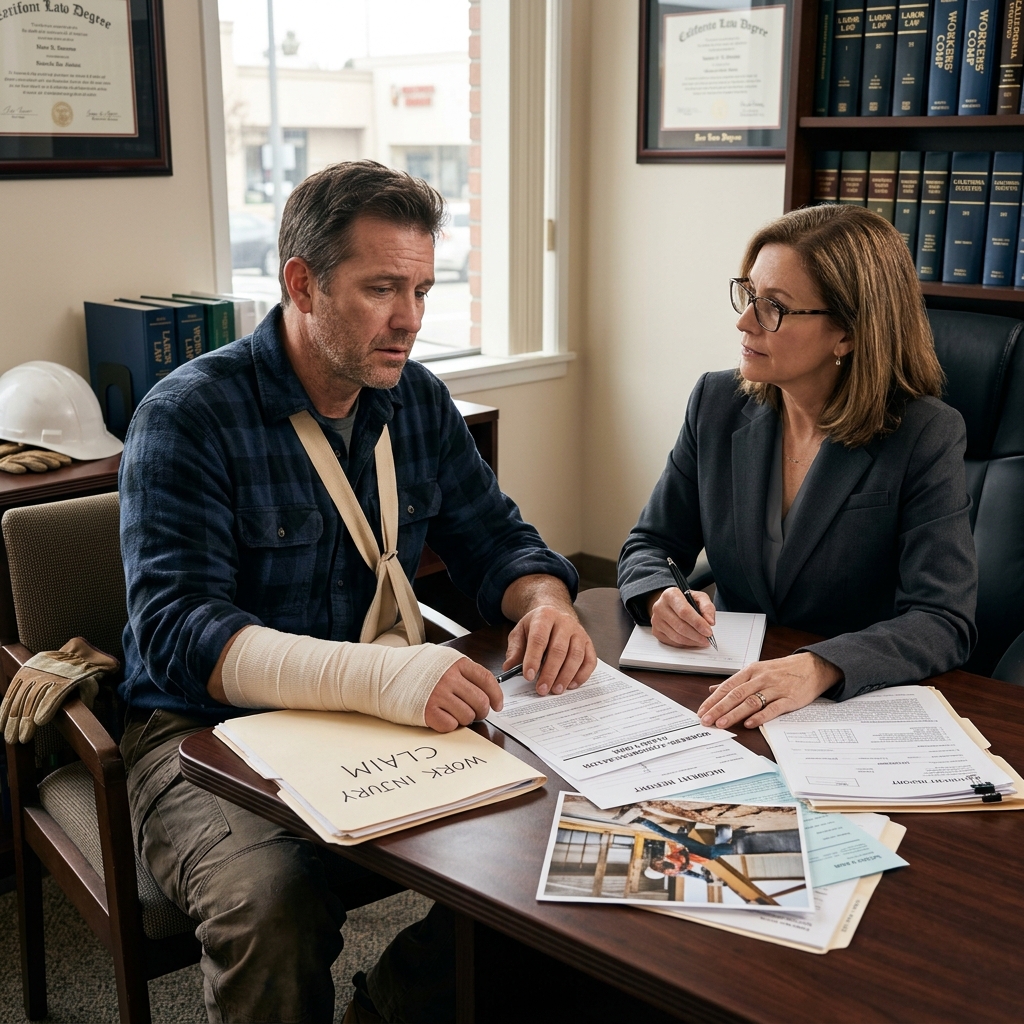
Workers’ compensation is designed to protect employees who suffer injuries or illnesses that are connected to their jobs. If you were hurt at work, became sick because of workplace conditions, or developed a repetitive stress injury over time, you may be wondering whether you have a valid workers’ compensation claim and what to do next.
This guide explains the core elements of a workers’ compensation claim, who is covered, what types of harm qualify, how deadlines work, and practical steps to protect your rights. It is general information, not legal advice; state rules vary, so you should confirm how the law applies where you live.
Core Requirements for a Workers’ Compensation Claim
Although details differ by state, most workers’ compensation systems use similar eligibility criteria. In general, you must show three key things to have a valid claim:
- You are an employee covered by workers’ compensation insurance.
- Your injury or illness is work-related.
- You suffered a loss that the law recognizes, such as medical expenses or lost wages.
Meeting all three requirements does not guarantee that an insurer will immediately approve your claim, but it does form the legal foundation for seeking benefits.
Are You a Covered Employee?
Workers’ compensation benefits generally apply only to employees, not to everyone who performs services for a business. To qualify, you typically must have an employee–employer relationship with a company that is legally required to carry workers’ compensation coverage.
Employee vs. Independent Contractor
The distinction between an employee and an independent contractor is central to workers’ compensation eligibility. Most systems cover:
- Full-time employees
- Part-time employees
- Temporary or seasonal employees
By contrast, independent contractors, freelancers, and many gig workers are usually excluded unless state law or a contract provides otherwise.
| Worker Type | Usually Covered? | Notes |
|---|---|---|
| Full-time employee | Yes | Generally covered if employer carries required insurance. |
| Part-time or temporary employee | Yes | Coverage usually applies regardless of hours worked. |
| Independent contractor | No (with exceptions) | Typically excluded from workers’ comp; misclassification disputes are common. |
| Volunteer | Often no | Some states cover specific volunteers (e.g., emergency services). |
Does Your Employer Have Coverage?
Most states require employers with at least one or a small number of employees to purchase workers’ compensation insurance or become self-insured.
Typical rules include:
- Many jurisdictions require coverage if an employer has at least one employee, while others set higher thresholds (for example, five employees in Missouri).
- Some employers, such as certain small agricultural operations or domestic employers, may be exempt, though employees in those sectors can sometimes be covered under special rules.
- If an employer is unlawfully uninsured, many states allow injured workers to claim benefits through dedicated funds or agencies, then seek recovery from the employer.
If you are unsure whether your employer has coverage, you can often check with your state’s labor department or workers’ compensation board.
What Counts as a Work-Related Injury or Illness?
To be compensable, the harm must arise out of and in the course of employment—that is, it must be connected to what you do for your job or the conditions where you work.
Injuries Clearly Related to Work
Common examples of work-related injuries include:
- Physical trauma from accidents, such as slips, falls, or machine malfunctions on the job.
- Musculoskeletal injuries from lifting, carrying, or repetitive motions.
- Occupational diseases caused by exposure to chemicals, dust, noise, or other hazards.
- Repetitive stress injuries such as carpal tunnel syndrome from frequent typing or tool use.
Generally, if you were performing tasks that benefit your employer and were injured as a result, the injury is considered work-related.
Gray Areas and Disputed Situations
Some situations are less straightforward, and insurers may dispute whether the injury is work-related. Issues commonly arise with:
- Commuting: Injuries on a normal commute are often not covered, but job-required travel or deliveries may be.
- Lunch breaks or rest periods: Injuries in shared break areas might be covered; injuries off-site may depend on circumstances.
- Company events: Harm at mandatory meetings, trainings, or functions is more likely to qualify than injuries at optional social gatherings.
- Misconduct: Many systems exclude injuries from fighting, intentionally self-inflicted harm, or being under the influence of drugs or alcohol.
Because these scenarios are fact-specific, legal advice can be important when an insurer disputes the “work-related” nature of an injury.
What Losses Must You Show?
Workers’ compensation focuses on specific kinds of losses, primarily medical needs and wage replacement. To have a viable claim, you usually must demonstrate at least one of the following:
- Medical expenses: Costs of treatment reasonably necessary for the work-related condition.
- Lost wages: Time away from work due to disability, whether temporary or permanent.
- Permanent impairment: Long-term loss of function or capacity that persists after you reach maximum medical improvement.
- Death benefits: Support for dependents of workers who die due to work-related causes.
Medical-Only vs. Disability Claims
In some states, you can file a claim even if you did not miss much work but needed medical treatment. For example, Massachusetts allows “medical only” claims for workers disabled less than five days, while longer disability periods support claims for wage replacement benefits.
A doctor’s assessment is typically required to establish the type and duration of disability, such as temporary total, temporary partial, or permanent disability.
Deadlines and Reporting Requirements
Even if you are clearly eligible, you may lose your right to benefits if you miss critical deadlines. Workers’ compensation systems generally impose two main time limits:
- Deadline to notify your employer of the injury or illness.
- Deadline to officially file a workers’ compensation claim.
Notifying Your Employer
Most states require prompt notice to the employer, often within a window such as 30 to 45 days after an injury. Some allow more time in occupational disease cases where symptoms emerge slowly.
Best practices include:
- Report the incident as soon as you realize it may be work-related.
- Provide written notice describing when, where, and how it occurred, along with the nature of your symptoms.
- Keep copies of any incident reports or communications.
Filing the Claim
After notice to the employer, you must file a formal claim within the timeframe set by state law. For instance, some states allow several years from the date of injury or from when you first realized the condition was connected to work.
If you miss the filing deadline, the insurer or state agency may dismiss your claim even if the underlying injury is otherwise covered.
The Role of Fault and No-Fault Protection
Workers’ compensation is typically a no-fault system: you can receive benefits even if your own mistake or carelessness contributed to the injury, as long as it arose from your work.
However, systems generally exclude injuries caused by serious misconduct, such as:
- Intentional self-harm or attempted fraud.
- Violence or fighting not related to legitimate job duties.
- Being impaired by illegal drugs or alcohol on the job.
In exchange for this no-fault protection, employees usually give up the right to sue their employer in court for additional damages, except in limited circumstances such as intentional harm or third-party liability.
Special Categories and Exceptions
Some categories of workers face different rules or partial exemptions. Whether you have a claim may depend on sector-specific laws in your state.
- Domestic workers: Babysitters, nannies, and housekeepers can be covered in certain jurisdictions, especially if they earn above a threshold or work regular hours.
- Agricultural and farm workers: Coverage requirements vary widely; some small farms are exempt, while others must insure their workers.
- Seasonal and casual workers: Often covered if classified as employees, but specific exemptions may apply.
- Emergency service volunteers: Some states provide workers’ compensation coverage for volunteer firefighters or emergency personnel.
If you fall into one of these groups, check local rules or seek legal guidance to determine whether you can file a claim.
Practical Steps If You Think You Have a Claim
If you believe your injury or illness is work-related and you meet employee coverage requirements, taking organized steps early can strengthen your claim.
- Get medical care immediately. Tell the healthcare provider that the injury or illness is related to your job so it is documented accordingly.
- Report the incident to your employer. Do this in writing if possible, and keep copies of any forms you submit.
- Follow state procedures for filing a claim. This may involve submitting specific forms to a workers’ compensation board or an insurer.
- Track your symptoms and work impact. Keep a record of time missed, activity limitations, and treatment recommendations.
- Consider legal advice. A workers’ compensation attorney can help with disputed claims, appeals, or complex issues such as permanent disability ratings.
Common Reasons Claims Are Denied
Even seemingly strong claims are sometimes denied by insurers or contested by employers. Understanding common reasons for denial can help you avoid preventable problems.
- Late reporting or filing: Missing notice or claim deadlines is a frequent basis for denial.
- Disputes about work-relatedness: The insurer may argue that the injury happened off the job or stems from a pre-existing condition not aggravated by work.
- Coverage disputes: The employer may claim you are an independent contractor or that the business is exempt from coverage requirements.
- Insufficient medical evidence: Lack of clear documentation linking the condition to work or describing disability can harm a claim.
- Alleged misconduct: Claims involving intoxication, fighting, or intentional self-harm are often rejected.
Most systems provide a formal appeals process, allowing you to challenge a denial before a workers’ compensation agency or hearing officer.
FAQs About Workers’ Compensation Claims
1. Can I file a claim if I am partly at fault for my injury?
Yes. In most workers’ compensation systems, benefits are available regardless of fault, as long as the injury or illness arose out of and in the course of employment. Only limited categories of misconduct are excluded.
2. Do I need to miss work to have a valid claim?
Not necessarily. Many states permit claims for medical treatment alone, even if you are disabled for only a short period. However, longer absences from work are often required before wage replacement benefits begin.
3. What if my employer does not have workers’ compensation insurance?
If an employer is required to provide coverage but fails to do so, some states allow you to file a claim with a special fund or agency that pays benefits and later seeks reimbursement from the employer.
4. Are mental health conditions ever covered?
In certain circumstances, mental health conditions such as work-related stress disorders or trauma can be covered if you can show a clear connection to your employment and meet state-specific standards. These claims tend to be more complex and may require detailed medical evidence.
5. How long do I have to bring a workers’ compensation claim?
Deadlines vary widely by state. You usually must notify your employer relatively quickly and file a formal claim within a period that may range from one to several years, depending on the jurisdiction and type of condition.
6. Can I sue my employer instead of filing for workers’ compensation?
In most situations, workers’ compensation is your exclusive remedy against your employer for work-related injuries, meaning you cannot file a separate lawsuit for damages. Limited exceptions may apply when an employer intentionally harms a worker or when third parties are responsible.
References
- Eligibility for Workers’ Compensation Benefits — Justia. 2024-01-10. https://www.justia.com/workers-compensation/eligibility-for-benefits/
- Worker’s Compensation Eligibility — Rob Levine & Associates. 2023-07-21. https://roblevine.com/faqs/workers-compensation-eligibility/
- Check eligibility for workers’ compensation benefits — Commonwealth of Massachusetts, Mass.gov. 2023-05-08. https://www.mass.gov/info-details/check-eligibility-for-workers-compensation-benefits
- Are You Eligible for Workers’ Compensation Benefits? — Nolo. 2022-11-15. https://www.nolo.com/legal-encyclopedia/are-you-eligible-workers-compensation-32963.html
- Who is eligible for workers’ compensation benefits in Ohio? — Kademenos, Wisehart, Hines, Dolyk & Wright Co. LPA (JusticeWorkersComp.com). 2022-06-03. https://www.justiceworkerscomp.com/faqs/eligibility-for-ohio-workers-compensation-benefits.cfm
- What Is Considered a Workers’ Compensation Injury? — Insureon. 2023-04-05. https://www.insureon.com/blog/what-counts-as-a-workers-comp-claim
- Workers Compensation — California Department of Insurance. 2023-02-14. https://www.insurance.ca.gov/01-consumers/105-type/95-guides/09-comm/WorkersCompensation.cfm
Similar Articles








Read full bio of Sneha Tete




