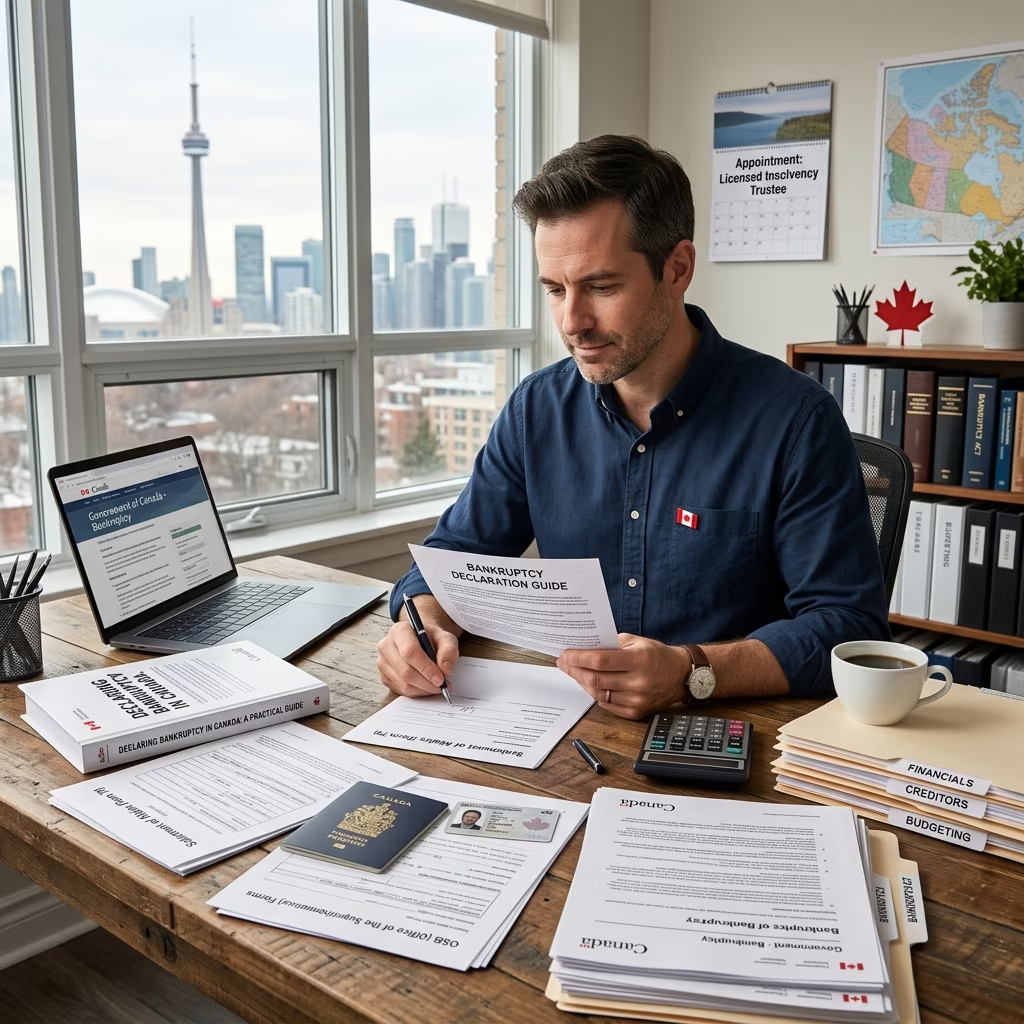
Personal bankruptcy in Canada is a formal legal process that can erase most unsecured debts and give an honest but overwhelmed debtor a fresh start, subject to specific conditions and duties. It is governed by the federal Bankruptcy and Insolvency Act and must be administered by a Licensed Insolvency Trustee (LIT), the only professionals legally authorized to file bankruptcy on your behalf in Canada.
This guide explains in clear, practical terms how bankruptcy works, who qualifies, how the process unfolds, and what consequences and alternatives you should weigh before deciding.
1. What Personal Bankruptcy Is (and What It Is Not)
Bankruptcy is a structured legal mechanism designed to help individuals who cannot realistically repay their debts obtain relief and rebuild their finances. When you file for bankruptcy:
- Most unsecured debts can be eliminated at the end of the process (“discharged”).
- Creditors must stop collection actions and contact (a “stay of proceedings”).
- Wage garnishments and many lawsuits related to eligible debts are halted.
Bankruptcy is not:
- A way to escape all financial responsibilities (some debts cannot be discharged).
- A quick fix with no long-term consequences for your credit and access to borrowing.
- Something you can file on your own; it must be done through a Licensed Insolvency Trustee.
2. Basic Eligibility to File Bankruptcy in Canada
Not everyone in financial difficulty is eligible, and not everyone who is eligible should file. Under Canadian rules, you generally must meet several conditions to file personal bankruptcy.
2.1 Core Legal Requirements
To qualify to file for personal bankruptcy in Canada, you typically must:
- Owe at least $1,000 in unsecured debt.
- Be unable to pay your debts as they come due (you are in ongoing default or close to it).
- Be insolvent, meaning the total value of what you owe exceeds the value of what you own.
- Reside in Canada, do business in Canada, or have property in Canada.
These criteria ensure that bankruptcy is reserved for situations where debts genuinely cannot be repaid from available income and assets.
2.2 Financial Reality Check Before Filing
Even if you technically qualify, a Licensed Insolvency Trustee will usually review your full financial picture to see whether other options might work better. Expect to discuss:
- Your monthly income and regular expenses.
- All debts, including credit cards, lines of credit, payday loans, tax debts, and student loans.
- Your assets, such as vehicles, savings, investments, and home equity.
- Any recent major financial changes (job loss, illness, family breakdown).
This assessment helps determine whether bankruptcy is appropriate or if alternatives, such as a consumer proposal, might be preferable.
3. The Role of the Licensed Insolvency Trustee
A Licensed Insolvency Trustee is central to the bankruptcy process. In Canada, LITs are federally regulated professionals authorized to administer bankruptcies and other insolvency proceedings.
Key responsibilities of a trustee include:
- Reviewing your financial situation and explaining all options (not just bankruptcy).
- Preparing and filing the legal documents required to start bankruptcy.
- Notifying creditors and handling communications with them.
- Managing any assets that must be realized (sold or otherwise dealt with) for the benefit of creditors.
- Ensuring you complete mandatory duties (such as counselling and reporting) so you can obtain a discharge.
Your trustee acts as an intermediary between you, your creditors, and the government, ensuring the process follows the law and is as orderly as possible.
4. Step-by-Step Overview of the Bankruptcy Process
While each case has its own details, most personal bankruptcies follow a similar sequence.
4.1 Initial Consultation
The process usually begins with a confidential meeting with a Licensed Insolvency Trustee. This consultation is often free. During it, you will:
- Describe your debts, income, assets, and household situation.
- Ask questions about bankruptcy and other options.
- Receive an initial recommendation tailored to your circumstances.
4.2 Preparing the Paperwork
If you choose to proceed with bankruptcy, the trustee will prepare detailed forms outlining your financial situation. You must provide accurate information and supporting documents (such as pay stubs, bank statements, and contracts).
Once you sign the necessary documents, the trustee files them with the federal system responsible for insolvency proceedings. This formally begins your bankruptcy.
4.3 Stay of Proceedings and Creditor Notification
After the filing, a stay of proceedings normally takes effect. This means most creditors must:
- Stop collection calls and letters.
- Cease wage garnishments and many legal actions related to your debts.
Your trustee then sends notice of the bankruptcy to your creditors, who may review your file and, in some cases, participate in meetings or raise objections.
4.4 Your Duties During Bankruptcy
Bankruptcy is not passive. To qualify for discharge, you must fulfil several ongoing duties, which commonly include:
- Providing monthly statements of income and expenses.
- Making required payments, including any surplus income contributions.
- Attending two mandatory financial counselling sessions.
- Informing your trustee of significant changes in employment, income, or assets.
Failure to complete these duties can delay or prevent your discharge.
4.5 Discharge: The Endpoint of Bankruptcy
The discharge is the court or administrative decision that releases you from most debts included in the bankruptcy. For many first-time bankruptcies without surplus income, discharge can occur in about nine months if all duties are fulfilled and there are no objections.
In cases involving surplus income or repeat bankruptcies, the process may take substantially longer, and in some situations the court or creditors can challenge your discharge, requiring additional hearings or conditions.
5. How Long Bankruptcy Lasts and What Affects the Timeline
The length of the bankruptcy process depends mainly on two factors: whether this is your first bankruptcy and whether you have surplus income under federal guidelines.
| Situation | Approximate Time to Discharge |
|---|---|
| First bankruptcy, no surplus income | About 9 months, if duties are completed and no objections. |
| First bankruptcy, with surplus income | About 21 months. |
| Second bankruptcy, no surplus income | About 24 months. |
| Second bankruptcy, with surplus income | About 36 months. |
| Any bankruptcy opposed by creditor or court | Potential additional delay until issues are resolved. |
Surplus income refers to income above government-set thresholds for reasonable living costs; if you earn more than those benchmarks, you may have to make additional payments as part of your bankruptcy, which lengthens the process.
6. What Happens to Your Assets and Debts
6.1 Treatment of Assets
When you file bankruptcy, your non-exempt assets are generally assigned to the trustee for the benefit of creditors. Depending on your province and personal situation, certain essential assets may be protected by law, while others may need to be sold or otherwise dealt with.
The trustee’s role includes:
- Identifying assets that are exempt under provincial or territorial rules.
- Managing non-exempt assets (for example, selling them or arranging for you to buy them back from the estate).
- Distributing proceeds to creditors according to legal priorities.
6.2 Debts Commonly Affected
Bankruptcy typically addresses unsecured consumer debts, which may include:
- Credit cards and lines of credit.
- Personal loans and payday loans.
- Some tax debts and other unsecured obligations, depending on circumstances.
Certain debts may survive bankruptcy, such as some fines, alimony and child support obligations, and specific educational debts, depending on legal criteria. A trustee can clarify which of your debts would be discharged and which would not.
7. Costs and Financial Impact of Bankruptcy
Declaring bankruptcy is not free. You must pay administration costs and, if applicable, surplus income contributions. The exact amount depends on your household income, size, and provincial guidelines.
Key financial impacts include:
- Trustee fees and administrative costs – often structured as monthly payments to make them more manageable.
- Surplus income payments – if your income exceeds government benchmarks, you may have to pay a portion of the surplus (often set at a percentage, such as 50%) to creditors through the trustee.
- Credit rating consequences – a bankruptcy will appear on your credit report for several years, which can limit access to new credit and may influence housing and employment decisions.
Trustees can explain expected costs in your specific situation and help you understand whether you may qualify for payment arrangements or other accommodations.
8. Advantages and Drawbacks of Bankruptcy
Bankruptcy is a powerful tool, but it has trade-offs. Weighing these helps you decide if it is the right option.
8.1 Potential Advantages
- Elimination of most unsecured debts, giving you a clearer financial future.
- Immediate relief from collection pressure once the stay of proceedings takes effect.
- Structured process with clear rules, timelines, and oversight.
- Mandatory counselling that can support better long-term financial habits.
8.2 Key Drawbacks
- Loss or restructuring of certain assets, depending on exemptions and your province.
- Lasting impact on your credit profile and potential difficulty accessing loans.
- Obligation to report income and potentially make surplus payments for months or years.
- Emotional and social stress, as bankruptcy is part of the public record (though most consumer bankruptcies are not widely publicized).
Because of these drawbacks, many people explore less drastic options before choosing bankruptcy.
9. Common Alternatives to Bankruptcy
Depending on your situation, you may have choices that provide relief without the full consequences of bankruptcy. A Licensed Insolvency Trustee or other qualified professional can help you compare these options.
- Consumer proposal – A formal offer to creditors to pay part of what you owe over time, often at a reduced amount, administered by a trustee. It can stop collection action and may allow you to keep more assets than bankruptcy does.
- Debt management plan – An informal arrangement, often through a non-profit credit counselling organization, to consolidate payments and negotiate lower interest rates.
- Debt consolidation loan – A new loan used to pay off multiple existing debts, simplifying payments if you qualify and can manage the new terms.
- Informal negotiations – Direct agreements with creditors to adjust payments or settle debts.
Bankruptcy is usually considered a last resort when other methods either are not available or cannot realistically solve the problem.
10. Frequently Asked Questions
10.1 Can I file for bankruptcy if I live outside Canada?
In some circumstances, individuals living abroad can file for bankruptcy in Canada if they have sufficient ties to the country, such as having carried on business in Canada in the year before filing, having recently resided in Canada, or having most of their property in Canada. A trustee can review your specific situation to confirm eligibility.
10.2 Will all my debts disappear after bankruptcy?
Most unsecured consumer debts may be discharged, but certain obligations can survive bankruptcy depending on the law. These can include some fines, family support obligations, and specific educational or court-ordered debts. Your trustee will explain which of your debts can be eliminated and which cannot.
10.3 I don’t remember which trustee handled my past bankruptcy. What can I do?
If you have been through bankruptcy before and do not recall the trustee, you can contact the federal Office of the Superintendent of Bankruptcy, which maintains records and can direct you to the appropriate trustee.
10.4 What happens if I do not complete my bankruptcy duties?
If you fail to meet obligations such as counselling, income reporting, or required payments, your discharge can be denied or delayed. In that case, you may need to work with your trustee or a lawyer to address outstanding requirements and apply for discharge later, often with additional conditions.
10.5 How private is my bankruptcy?
Bankruptcy filings form part of the public record, but most personal bankruptcies are not broadly advertised, and someone generally must take deliberate steps to access the information. The practical level of public visibility is often lower than people fear, though privacy concerns are understandable and important to discuss with your trustee.
References
- Bankruptcy — Canada Revenue Agency. 2024-02-08. https://www.canada.ca/en/revenue-agency/services/tax/businesses/topics/business-registration/maintain-business/receivership-bankruptcy/bankruptcy.html
- Filing bankruptcy in Canada — BDO Debt Solutions. 2023-11-01. https://debtsolutions.bdo.ca/solutions/bankruptcy/
- Considering bankruptcy — Office of the Superintendent of Bankruptcy Canada. 2023-09-15. https://ised-isde.canada.ca/site/office-superintendent-bankruptcy/en/you-owe-money/you-owe-money-considering-bankruptcy
- Filing for Bankruptcy – Pros and Cons in Canada — Credit Counselling Society. 2023-06-20. https://nomoredebts.org/blog/bankruptcy/when-declaring-bankruptcy-not-right-for-you
- Can I File For Bankruptcy In Canada If I’m Living Abroad? — Doyle Salewski Inc. 2022-05-10. https://doylesalewski.ca/blog/can-file-bankruptcy-canada-im-living-abroad/