
Custody of a Niece or Nephew in California
Understand the legal paths for relatives seeking care, guardianship, or custody in California.
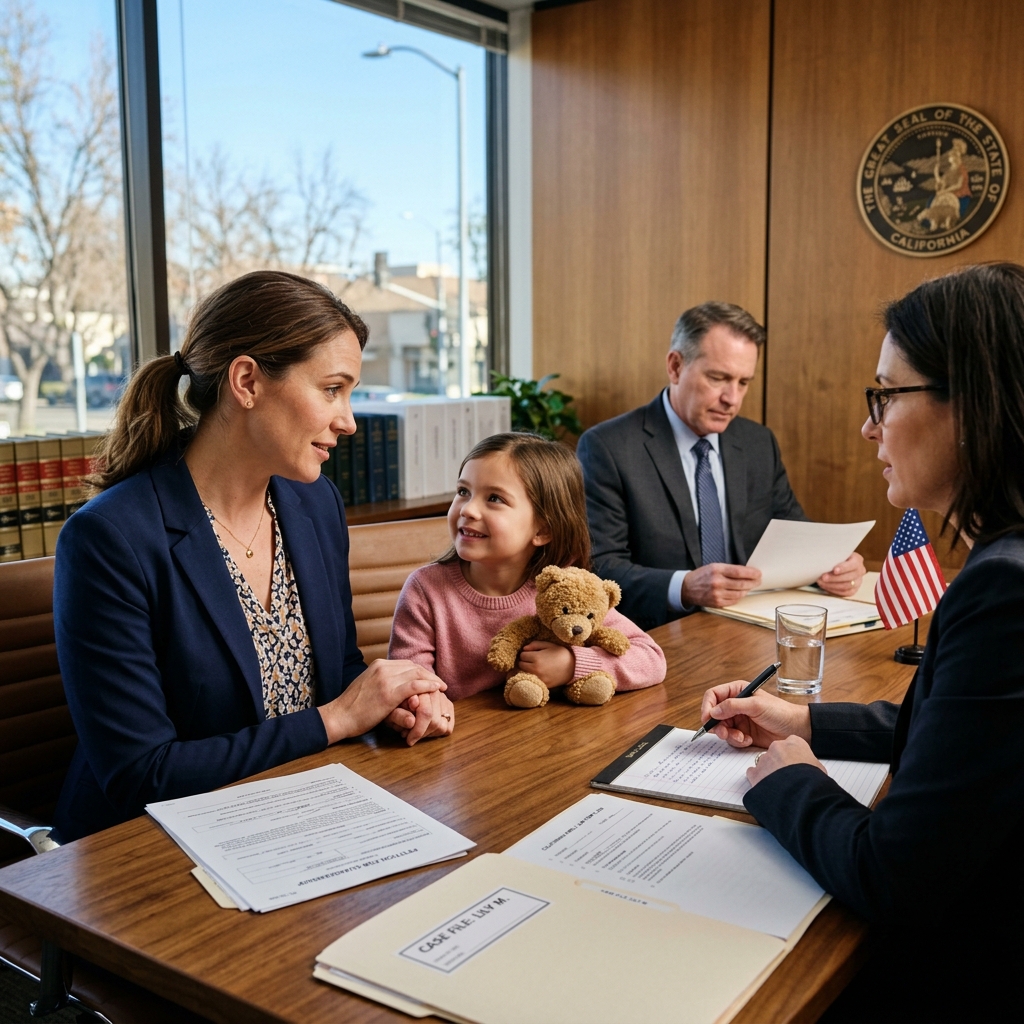
When a child cannot safely remain with a parent, a relative such as an aunt or uncle may wonder whether the law allows them to step in. In California, the answer depends on the specific facts, the type of court case involved, and whether the request is for custody or guardianship. Courts focus first on the child’s safety and stability, then on whether a nonparent can provide a better long-term home.
This article explains the main legal routes relatives use to care for a niece or nephew in California, what evidence tends to matter, and how the court process usually works. It also outlines practical issues such as notice to family members, investigations, and emergency options when a child is in immediate danger.
How California Treats Parents and Relatives
Under California law, parents usually have the strongest legal right to care for their children. A relative does not automatically receive custody just because they are willing and able to help. Instead, the court starts with the presumption that parents should remain responsible unless there is a serious reason to believe that doing so would harm the child.
That does not mean relatives are excluded. If the parents are absent, unable to care for the child, or unfit due to neglect, abuse, substance misuse, incarceration, or other serious problems, a court may consider another adult who can provide a stable home. In many cases, the relative’s existing relationship with the child becomes an important part of the judge’s analysis.
Custody and Guardianship Are Not the Same
People often use the words “custody” and “guardianship” interchangeably, but California treats them differently. Custody usually refers to a family law order about who has legal and physical responsibility for a child. Guardianship is a probate-court process that gives a nonparent legal authority to care for the child when the parents cannot or should not do so.
For many aunts and uncles, guardianship is the more realistic route. It can allow the relative to make decisions about school, medical care, and daily life while the parents remain in the picture to some degree. Custody, on the other hand, can become the focus when the child has already been living with the relative or when a family court is being asked to make a broader placement decision.
| Issue | Custody | Guardianship |
|---|---|---|
| Typical court | Family court | Probate court |
| Main purpose | Allocate parental responsibility | Assign legal care to a nonparent |
| Best for | Disputes about who should have care | Situations where parents cannot care safely |
| Effect on parents | Can limit parental decision-making | Parents may retain some rights unless terminated |
When a Relative May Be Able to Step In
A judge does not remove a child from a parent lightly. The requesting relative usually needs to show that the child would face harm, instability, or other serious detriment if left with the parent. In practice, this means the relative should be ready to explain why the current home is unsafe or unworkable and why placement with the aunt or uncle is better for the child.
Common situations that may support a request include chronic neglect, physical abuse, sexual abuse, untreated mental illness, severe substance abuse, domestic violence, or repeated abandonment. A parent’s temporary hardship alone is not always enough; the court generally looks for more substantial evidence that the child’s welfare is at risk.
What the Court Wants to See
California courts rely on evidence, not suspicion. A relative asking for custody or guardianship should be prepared to document the child’s living conditions and the problems in the parent’s care. The stronger and more specific the evidence, the more persuasive the request will be.
- Police reports involving violence, threats, or child endangerment
- Medical records showing injuries, missed care, or untreated conditions
- School records reflecting chronic absenteeism, behavior problems, or neglect
- Statements from teachers, neighbors, caregivers, or family members
- Photos, text messages, or records showing unsafe housing or drug use
The judge may also consider whether the child has been living with the aunt or uncle already, how long that arrangement has lasted, and whether the relative has provided consistent care. A stable home, reliable income, and a clear plan for school and healthcare can all help.
How the Process Usually Begins
The first step is often to decide whether the situation calls for an emergency response or a longer-term court case. If the child is in immediate danger, a relative may need to seek temporary orders quickly or contact child protective services. If the child is safe for the moment but cannot remain with the parent long term, a guardianship petition may be the better path.
Once papers are filed, the court sets a hearing date and requires notice to the child’s parents and, in some cases, other close relatives. The legal papers must usually be formally delivered, and the court expects proof that the required notice was completed.
The Role of Investigations and Home Review
California guardianship cases often include an investigation before the judge makes a decision. A court investigator or similar official may review the facts, interview the adults involved, and assess whether guardianship is needed or appropriate. The investigator’s report can have a major influence on the outcome.
Courts may also look at the relative’s home environment. This can include whether the home is safe, whether there is enough space for the child, whether the caregiver can meet daily needs, and whether the relative has any criminal or child welfare issues that would raise concerns. The goal is not perfection; it is a reliable and safe caregiving environment.
Can the Parents Object?
Yes. Even if a relative believes the child would be safer or better off living with them, the parents may object. If the parents appear at the hearing and challenge the request, the court must weigh their rights against the evidence that the child would be harmed by remaining in their care.
If both parents are involved, the relative usually needs to show why neither parent should remain the primary caregiver. If only one parent is available or active, the court may focus on whether that parent is unable or unfit to care for the child. The relative’s burden becomes easier when the facts show serious and ongoing danger rather than a temporary dispute.
Emergency and Temporary Options
Sometimes a child cannot wait for a full hearing. In urgent cases, a relative may ask the court for temporary relief while the larger case moves forward. These orders are designed to address immediate safety concerns, not to permanently decide the case in one step.
Temporary arrangements can be useful when a parent is in crisis, when there is no safe overnight placement, or when the child needs immediate medical or educational stability. However, temporary orders usually require a clear showing of urgency, and they do not guarantee that the final outcome will be the same.
What Happens After the Judge Makes a Decision
If the court grants guardianship or another form of placement authority, the relative will likely have ongoing duties. These can include making school and healthcare decisions, keeping records, and in some cases filing periodic reports with the court. The arrangement may continue until the child turns 18, the court changes the order, or a parent successfully asks to end the guardianship.
The legal relationship can also change over time. If the parents stabilize, comply with services, or fix the problems that led to the case, they may later seek reunification or modification. For that reason, relatives should think not only about getting into court, but also about how they will support the child’s long-term needs if the arrangement lasts for years.
Practical Steps for Relatives Who Want to Help
Aunt and uncle caregivers often begin by focusing on the child’s immediate safety and then building a record for court. Even before filing, it helps to show consistency and calm decision-making.
- Keep a timeline of incidents, missed visits, and safety concerns
- Save messages, photos, reports, and other documents
- Make sure the child has medical care and school enrollment
- Speak with a family law or probate attorney about the best filing strategy
- Consider whether guardianship, custody, or an emergency order fits the facts best
Courts look favorably on adults who can show they are focused on the child rather than on conflict with the parents. A well-prepared relative is often more effective than one who acts impulsively without records or a clear plan.
Factors the Judge May Weigh
Every case is fact-specific, but judges commonly compare the child’s current conditions with the relative’s ability to provide safety and stability. The more serious the concern in the parent’s home, the more persuasive the relative’s petition may be.
| Factor | What the Court May Consider |
|---|---|
| Child safety | Whether there is abuse, neglect, or exposure to danger |
| Caregiver stability | Housing, income, schedule, and ability to meet daily needs |
| Relationship with the child | Existing bond, time spent together, and emotional support |
| Parental fitness | Whether the parents can safely care for the child now |
| Child’s needs | Schooling, health care, counseling, and routine |
Common Questions About Relative Care in California
Can an aunt or uncle automatically get custody?
No. A relative usually must ask the court for authority and prove that staying with the parent would not be safe or appropriate.
Is guardianship easier than custody?
It can be more practical in many family situations because it is designed for nonparents who need legal authority to care for a child.
Does the child’s opinion matter?
Yes, especially if the child is old enough to express a reasoned preference. The court may consider the child’s views alongside the other evidence.
What if the parents agree at first and later change their minds?
That can happen. Consent helps, but it does not always prevent a future objection or request to end the arrangement.
Can the child live out of state with a relative?
Possibly, but interstate placement issues can make the case more complex and may require additional legal steps.
Why Legal Advice Matters
Relative-care cases often involve overlapping legal systems, urgent safety concerns, and family conflict. A lawyer can help decide whether to pursue guardianship, custody, or emergency relief, and can also help gather the right evidence before filing. This matters because the wrong filing strategy can delay protection for the child.
For an aunt or uncle who is already caring for a child, professional guidance can also help preserve school enrollment, medical decision-making, and other practical matters while the case moves through court. In a close family dispute, careful legal planning often makes a significant difference.
References
- Guardianships in California — California Courts Self-Help Guide. 2025. https://selfhelp.courts.ca.gov/guardianship
- Can Aunts and Uncles Get Child Custody Rights in California? — Bamieh & De Smeth. 2024. https://www.bamiehdesmeth.com/blog/can-aunts-uncles-get-child-custody-rights-california/
- Can I get custody/guardianship of my niece? — Justia Ask A Lawyer. 2024-06-22. https://answers.justia.com/question/2024/06/22/can-i-get-custody-guardianship-of-my-nie-1019347
- Can an Aunt File for Custody of Niece or Nephew? — LegalMatch Law Library. 2024. https://www.legalmatch.com/law-library/article/how-to-get-custody-of-my-niece-or-nephew.html
- Guardianships in California — California Courts Self-Help Guide. 2025. https://selfhelp.courts.ca.gov/guardianship
Similar Articles








Read full bio of medha deb


