
Crime Victim Anonymity and Privacy Rights
How the law protects crime victims’ identities, privacy, and safety in a justice system built on open courts and public records.
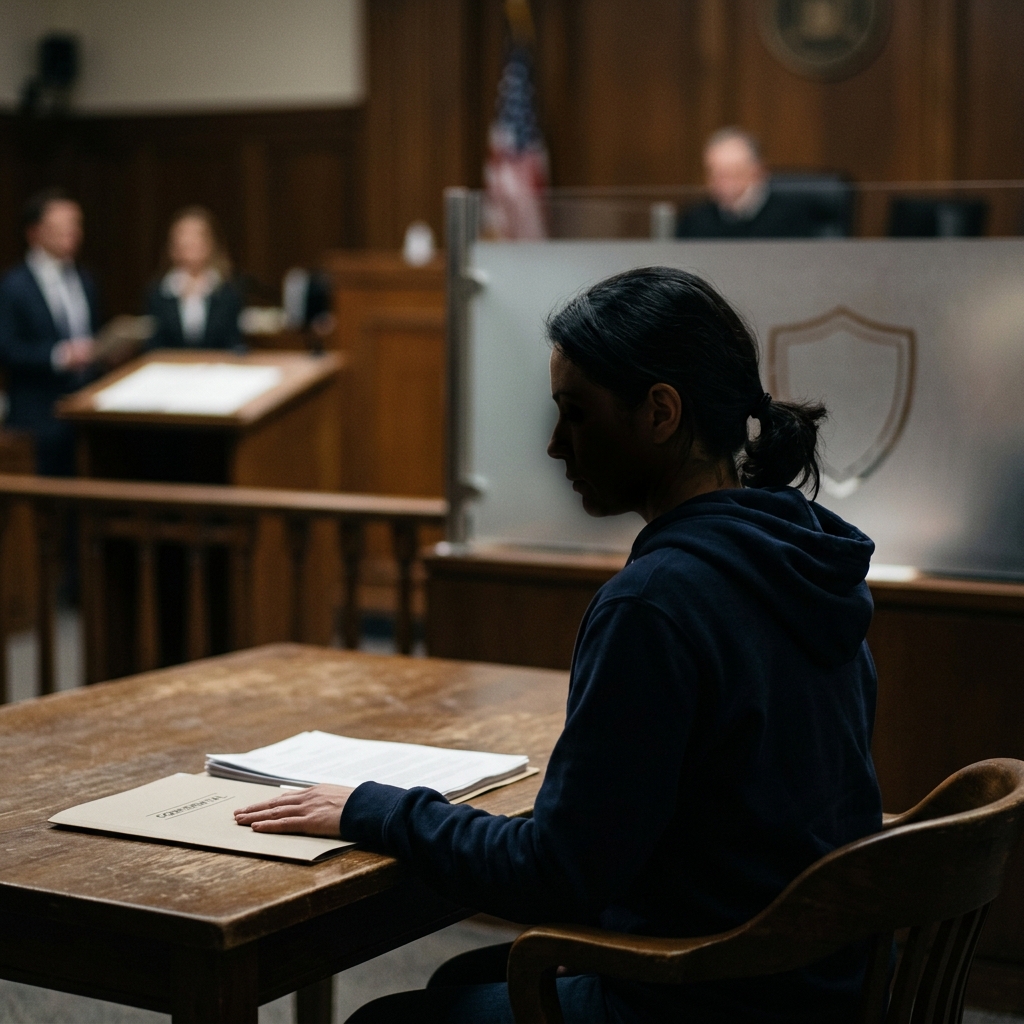
When a crime occurs, the public often focuses on the accused and the outcome of the trial. Far less attention is paid to the victim’s need to stay safe, protect their reputation, and keep deeply personal information out of the public eye. At the same time, most justice systems are built on the idea that courts should be open and records accessible to the public. Balancing these two goals—transparency and victim privacy—is a core challenge of modern criminal law.
This article explains how the law approaches crime victim anonymity, what privacy protections exist, where the limits are, and what victims and advocates can do in practice. Although specific rules vary by jurisdiction, many legal systems in the United States follow similar themes and tools to safeguard victims’ identities and sensitive information.
Open Justice vs. Victim Privacy: The Core Tension
Courts are generally open to the public so that justice can be seen to be done and the community can monitor the behavior of judges, prosecutors, and police. This is often protected by constitutional or statutory guarantees of open courts and public access to judicial records in the United States.
At the same time, victims of crime—especially those harmed by sexual violence, domestic abuse, stalking, or crimes against children—face serious risks if their identities and personal histories become widely known. These include:
- Retaliation or intimidation by the accused, their associates, or others
- Social stigma, especially in cases involving sexual assault or intimate partner violence
- Loss of employment or housing if contact information becomes public
- Emotional harm from having intimate details discussed in open court
Modern victims’ rights laws attempt to reconcile these competing interests by preserving public access to proceedings while limiting unnecessary disclosure of identifying or highly sensitive information.
What “Anonymity” Means in Criminal Cases
“Anonymity” does not always mean that a victim’s name is completely unknown. Instead, it often refers to practical anonymity: preventing the victim’s identity and private details from being easily accessible through public records or media coverage.
Common forms of anonymity include:
- Omitting or redacting names from certain public documents, especially in cases involving minor victims or sexual offenses
- Using initials or pseudonyms in written opinions and filings, such as “Jane Doe” or “Child A”
- Protecting addresses, phone numbers, and workplaces provided for notification or safety planning
- Closing limited portions of hearings when highly intimate evidence is presented, if permitted by law
In civil lawsuits brought by victims, courts often apply a balancing test when deciding whether to allow a plaintiff to proceed under a pseudonym, weighing the victim’s privacy and safety against the presumption of open proceedings.
Key Legal Sources of Victim Privacy Protection
Victim anonymity and privacy are grounded in several types of legal authority. The specific mix will depend on the state or federal jurisdiction, but common sources include:
1. Federal Crime Victims’ Rights Act
The federal Crime Victims’ Rights Act (CVRA), 18 U.S.C. § 3771, lists multiple rights for victims in federal criminal cases. One explicit right is to be treated with fairness and with respect for the victim’s dignity and privacy. While the CVRA does not guarantee complete anonymity, courts often interpret this clause as a basis to limit disclosure of sensitive information when doing so will not interfere with the defendant’s rights or the public interest.
2. State Constitutional and Statutory Rights
Many states have constitutional amendments and statutes that grant victims a right to be treated with dignity, respect, and privacy. Some laws explicitly address anonymity, particularly for children and victims of sexual offenses.
Examples of common state-level protections include:
- Restrictions on publishing the names, addresses, or photographs of child victims in criminal records or law enforcement reports
- Confidentiality rules for victim compensation applications and related files
- Protections against disclosing the location of shelters or domestic violence programs
- Limits on releasing victim contact information used for case notifications
3. Rape Shield and Related Evidence Rules
Rape shield laws in most U.S. jurisdictions restrict evidence of a sexual assault victim’s prior sexual behavior from being admitted at trial, except under narrow circumstances. While these laws are primarily framed as evidence rules, they function as powerful privacy protections by preventing invasive questioning and public disclosure of intimate personal history.
4. Privacy and Health Information Laws
When victims seek medical, mental health, or social services, their records are often protected by:
- Health privacy laws, such as federal health information regulations
- Confidentiality provisions for counseling and advocacy communications
- Rules governing disclosure of forensic exam results and photographs in sexual assault cases
These frameworks limit who may access sensitive records and under what conditions, and they interact with criminal procedure when records are requested as evidence.
Typical Mechanisms Used to Protect Victim Identity
Lawyers, judges, and victim advocates rely on a toolkit of specific procedures to safeguard anonymity while cases move through the system. Some of the most common tools include:
| Protection Tool | How It Works | When Commonly Used |
|---|---|---|
| Redaction of identifying information | Names, addresses, phone numbers, and other identifiers are removed or blacked out from public copies of documents. | Police reports, charging documents, and court filings provided to the public or media. |
| Pseudonyms and initials | Victims are referred to as “Jane Doe,” initials, or generic descriptors instead of full names. | Sexual assault cases, civil suits arising from abuse, cases involving minors. |
| Motions to seal or limit access | The court seals specific documents or restricts access to viewing them, often while leaving the overall case public. | Medical and mental health records, forensic photos, detailed financial records. |
| Protective orders for discovery | The defense receives necessary evidence but is prohibited from sharing it beyond the case, sometimes under penalty of contempt. | Evidence containing sensitive personal data or safety-related information. |
| Closed portions of hearings | A limited part of a hearing is conducted outside public view to avoid exposing highly intimate or dangerous information. | Testimony about confidential addresses, shelter locations, or graphic sexual details. |
Privacy in Criminal Justice Records
Criminal justice systems generate large volumes of records: police reports, charging documents, court transcripts, victim impact statements, and correctional files. Each presents its own privacy risks for victims. Many jurisdictions address these risks through specific statutory provisions.
Police and Prosecutor Records
Law enforcement and prosecutor files may contain:
- Full names and birth dates
- Home and work addresses and contact information
- Details of injuries, medical treatment, and psychological impact
- Statements from victims, family members, and witnesses
Some states prohibit disclosure of certain victim details to the general public, especially in cases involving minors, sexual offenses, or domestic violence. In other jurisdictions, agencies must redact identifying information before releasing records under public records laws.
Court Filings and Transcripts
Court documents are typically part of the public record. However, legislatures and courts have created exceptions for victim privacy. These may include:
- Statutory limits on including full addresses in pleadings
- Rules requiring that certain sensitive attachments be filed under seal
- Court orders restricting publication of child victim names in written opinions
Balancing tests are often used when the defense seeks access to records that are otherwise confidential, such as medical or counseling files. Courts consider relevance, the necessity of disclosure for a fair trial, and the victim’s privacy interests.
Victim Compensation and Services Records
Victims who apply for state compensation programs or receive services from government-funded agencies often provide extensive personal information. Many states designate these records as confidential, subject to limited exceptions for official use.
This means that although government staff may access the information to process claims or provide services, the records are generally not available for public inspection, and disclosure without legal authorization can be unlawful.
Special Considerations for Child Victims
Children receive some of the strongest anonymity protections in criminal law. Recognizing their vulnerability and the long-term impact of exposure, many jurisdictions provide that law enforcement and courts may not disclose a child victim’s name, address, or photograph to the public without consent.
Common measures include:
- Mandatory use of initials or pseudonyms in court documents
- Closed or partially closed hearings when a child victim testifies
- Cameras barred from recording child witnesses in the courtroom
- Restrictions on media publication of identifying information
In some states, these protections apply automatically; in others, a motion from the prosecutor or victim’s attorney is required. The underlying goal is to enable children to participate in the justice process without suffering additional trauma or long-term reputational harm.
Victims’ Practical Options to Guard Their Privacy
Legal protections are most effective when victims understand them and know how to use them. While the specific steps available depend on the jurisdiction and the nature of the case, common options include:
Working With Prosecutors and Advocates
- Request that sensitive information (such as home addresses) be kept off the public record whenever possible.
- Ask the prosecutor to seek protective orders, sealing orders, or in-camera (judge-only) review before certain records are disclosed.
- Consult with a victim advocate about safety planning and privacy practices related to court participation.
Controlling Personal Information in Services and Records
- Ask medical and social service providers for their privacy policies and how records may be shared with law enforcement or courts.
- Request lists of entities that have received the victim’s personal information and, where permitted, ask for corrections or limitations on further disclosure.
- Use alternative contact information (such as a P.O. box or confidential address program) if available and appropriate.
Seeking Legal Representation
In some states and in federal practice, victims may retain their own attorney to assert privacy rights, file motions, and respond to subpoenas for their personal records. Counsel may:
- File motions to quash or narrow subpoenas that seek irrelevant or overly broad information
- Ask for redaction, sealing, or limited disclosure of sensitive materials
- Argue for use of pseudonyms or non-identifying descriptions in pleadings
Limits on Anonymity and Privacy
Despite the growth of victims’ rights laws, anonymity is not absolute. Courts must also protect the accused’s right to due process and a fair trial, which can require access to information about the victim’s identity and relevant history. Public access rights also limit the extent to which proceedings can be closed or records sealed.
Some key limits include:
- The defense typically has the right to know the victim’s identity to prepare its case, even if that information is not made widely public.
- Evidence that is critical to the issues in the case may be admitted even when it is deeply personal, if exclusion would unfairly prejudice the defendant.
- Courts are often reluctant to seal entire cases or close full trials, preferring narrower measures such as redaction or partial closure.
For these reasons, victims should view anonymity as a spectrum. In some cases, strong privacy protections are possible; in others, the need for open and fair proceedings may require compromise. Understanding available tools helps victims and their advocates seek the maximum feasible protection without undermining the integrity of the process.
Frequently Asked Questions About Crime Victim Anonymity
Can a crime victim keep their name completely secret?
In most criminal cases, the defense will know the victim’s name to protect the accused’s right to confront witnesses and prepare a defense. However, the victim’s name may be withheld from the general public, redacted from certain records, or replaced with a pseudonym in opinions and filings, especially in cases involving children or sexual violence.
Are victim addresses and phone numbers always public?
No. Many jurisdictions explicitly protect victim contact information, particularly when it is provided for notification or safety purposes. Police, prosecutors, and courts may be required to redact addresses and phone numbers before releasing records. Victims can also request that alternate contact methods be used when possible.
Can the media publish a victim’s identity?
Legal rules about media publication vary. Some states restrict publishing the names of child victims or victims of certain offenses, while in other jurisdictions the media may lawfully report information obtained from open court or public records. Even when publication is legal, ethical guidelines often discourage identifying victims of sexual assault or minors.
What can victims do if they feel their privacy has been violated?
Options depend on the nature of the disclosure and the governing laws. Victims may be able to:
- Raise concerns with the prosecutor, victim advocate, or court
- File complaints with relevant agencies or privacy officers, especially for improper disclosure of health or service records
- Seek legal advice about possible civil remedies, if available under state law
Do victims have a say in whether records are sealed?
Victims often have the right to be heard on matters affecting their privacy and safety, especially in federal cases under the Crime Victims’ Rights Act. However, the ultimate decision about sealing or redaction rests with the court, which must balance multiple interests. Providing clear, specific information about the harm that disclosure would cause can help the judge understand why additional protection is needed.
References
- Strengthening Sexual Assault Victims’ Right to Privacy — U.S. Office for Victims of Crime. 2002-09-01. https://ovc.ojp.gov/sites/g/files/xyckuh226/files/publications/infores/VictimsRightToPrivacy/pfv.html
- Right to Privacy – VictimLaw — Office for Victims of Crime Training and Technical Assistance Center. 2021-03-01. https://victimlaw.ovcttac.gov/victims-rights/right-to-privacy/
- Crime Victims’ Rights Act (18 U.S.C. § 3771) — U.S. Department of Justice. 2020-01-15. https://www.justice.gov/usao/resources/crime-victims-rights-ombudsman/victims-rights-act
- Protecting Victims’ Privacy Rights: The Use of Pseudonyms in Civil Lawsuits — National Crime Victim Law Institute. 2012-06-01. https://evawintl.org/wp-content/uploads/NCVLI-protecting-victims-privacy-rights-the-use-of.pdf
- Washington: Privacy, Privilege, and Confidentiality — National Crime Victim Law Institute. 2021-10-01. https://ncvli.org/wp-content/uploads/2022/01/Washington-Privacy-Privilege-and-Confidentiality-last-updated-2021.pdf
- Know Your Rights: Crime Victims’ Rights Booklet — New York State Office of Victim Services. 2022-06-01. https://ovs.ny.gov/system/files/documents/2022/06/rights-crime-victims-booklet.pdf
Similar Articles








Read full bio of Sneha Tete




