
Corporate Landlords and the Battle Over Rent‑Controlled Housing
How San Francisco tenants are using local rent control laws and harassment claims to fight corporate landlord strategies.
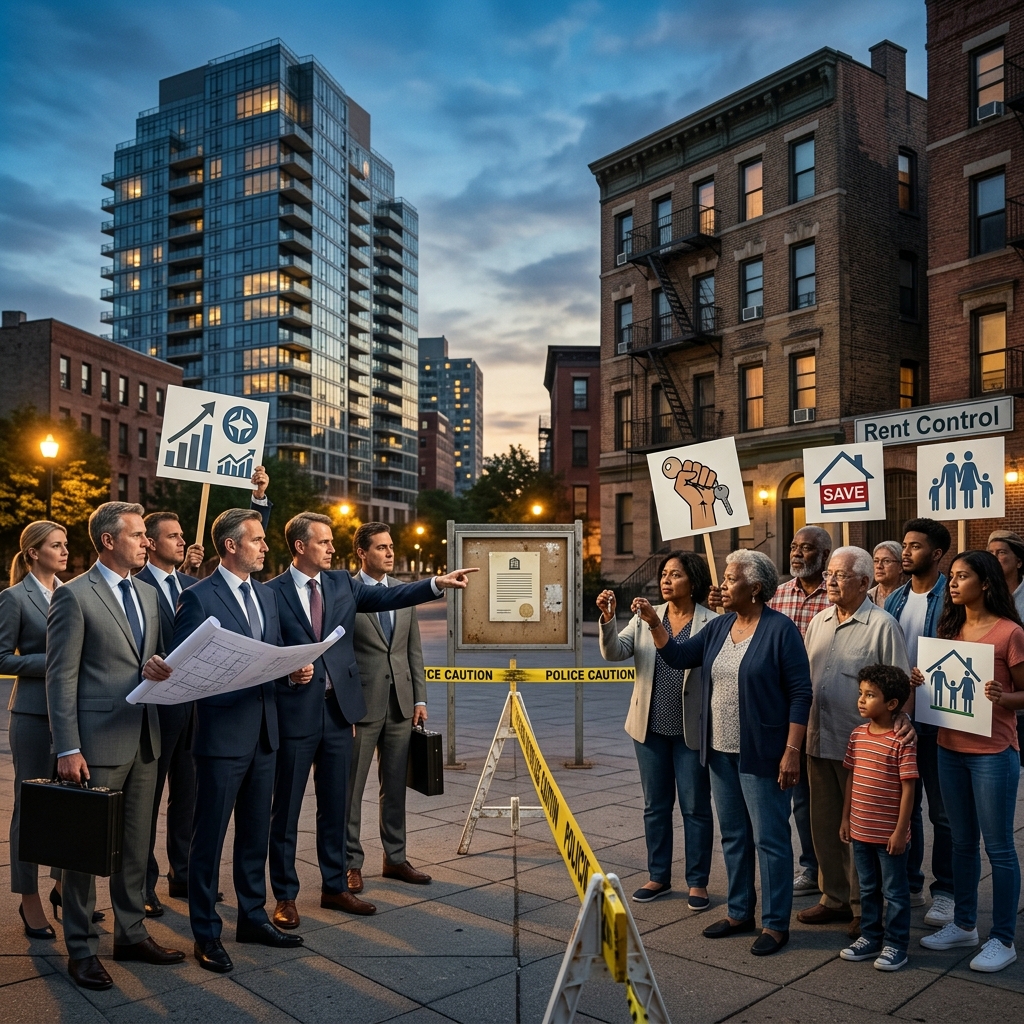
In recent years, San Francisco has become a flashpoint for conflicts between corporate landlords and rent‑controlled tenants. Large property ownership companies stand accused of using aggressive business strategies to push out long‑term residents paying below‑market rents, while tenants and advocacy groups have turned to the courts to enforce local rent laws and basic habitability standards.
This article examines how these disputes arise, the legal tools renters use to respond, and what the high‑profile lawsuits against major landlords reveal about the future of rent‑controlled housing in San Francisco.
Rent Control in San Francisco: Why These Units Matter
To understand the intensity of recent litigation, it is crucial to grasp the role of rent control in San Francisco’s housing landscape. The city’s Rent Ordinance covers most multi‑unit residential buildings constructed before 1979 and provides two core protections:
- Limits on rent increases – Landlords may raise rents only by a set annual percentage tied to inflation, plus certain regulated surcharges (such as capital improvement or operating cost increases) approved by the Rent Board.
- Just‑cause eviction requirements – Tenants in covered units can be evicted only for specific reasons recognized by law (for example, nonpayment of rent, owner move‑in, or substantial breach of lease).
These rules mean long‑term tenants often pay significantly less than market rates. As the gap between controlled rents and new market rents widens, owners have strong financial incentives to replace long‑term residents with new tenants.
Corporate Landlords and the Business Case for Displacement
San Francisco’s high property values have attracted institutional and corporate landlords that acquire portfolios of rent‑controlled buildings. Lawsuits and tenant advocacy groups allege that some of these owners build profit models around systematically replacing long‑term tenants with higher‑paying newcomers.
Common elements of this alleged business strategy include:
- Purchasing older, rent‑controlled buildings with long‑term tenants already in place.
- Taking out large loans and expecting future rent increases to cover debt service.
- Implementing policies that make life difficult or uncertain for existing residents, encouraging them to accept buyouts or move out voluntarily.
One major San Francisco landlord, Veritas Investments, became central to this debate after tenants from dozens of its buildings sued, claiming the company was intentionally trying to drive them out of rent‑controlled housing through harassment and neglect.
Allegations of Harassment and Constructive Eviction
Tenant lawsuits against corporate landlords typically rely on a pattern of actions that, taken together, amount to harassment or constructive eviction (making the unit so unlivable that tenants are effectively forced to leave). In the cases brought against Veritas and similar owners, tenants and advocates have described tactics such as:
- Disruptive construction – Extended, noisy, and intrusive renovations near occupied units, allegedly “intended and designed” to inconvenience rent‑controlled tenants and drive them out.
- Frequent utility shut‑offs – Repeated interruptions of water, electricity, or gas, sometimes without adequate notice, leaving tenants without basic services.
- Neglect of essential repairs – Failing to correct serious habitability issues in occupied units, or performing substandard work that does not resolve problems.
- Administrative pressure – Confusing rent ledgers, disputed payments, and allegedly fraudulent late fees that heighten fear of eviction.
- Problematic construction practices – Tenant complaints that hazardous materials like asbestos or lead paint were removed without proper safeguards during renovation.
When combined over time, these behaviors are portrayed in court filings as a deliberate campaign to push out protected tenants and unlock much higher market rents on vacated units.
Rent Increases and Loopholes: Financial Pressure on Tenants
Beyond harassment claims, tenants have also challenged how some landlords use legally permitted rent increases. Under San Francisco law, owners can seek additional rent hikes to cover capital improvements, operating and maintenance costs, and certain other expenses, but these increases must be documented and approved by the Rent Board.
Concerns arise when landlords:
- Pass through large capital improvement costs to tenants, raising rents by up to the allowable percentage for many years.
- Leverage operating and maintenance cost increases to add further rent hikes.
- Use mortgage and property tax pass‑throughs in narrow legal windows before new restrictions take effect, as was reported for some petitions filed just before a 2018 ordinance limiting such increases.
Tenant groups argue that, especially when stacked together, these rent increases can become financially unsustainable for long‑term tenants, pressuring them to leave even without a formal eviction. Corporate landlords respond that they are using legally available mechanisms and that rising costs require some pass‑through to tenants.
Tenant Lawsuits: Claims, Plaintiffs, and Legal Theories
Large multi‑building lawsuits in San Francisco typically join dozens of tenants from many properties under a single case, alleging that corporate landlords violated local and state housing laws. For example:
- In 2018, tenants from approximately 30 buildings owned by a major landlord filed suit, accusing the company of rent ordinance violations, harassment, and unsafe conditions.
- Disability rights advocates have separately alleged that neglect and construction practices by corporate owners endanger disabled tenants and undermine access to rent‑controlled housing.
Common legal theories in these cases include:
- Violations of the San Francisco Rent Ordinance – Such as improper rent increases, failure to follow just‑cause eviction rules, or illegal buyout tactics.
- Breach of the implied warranty of habitability – Claiming that conditions (mold, pests, lack of heat, unsafe construction, etc.) render units unfit for human habitation.
- Harassment and retaliation – Alleging that landlords intentionally interfere with quiet enjoyment of the premises or punish tenants for asserting legal rights.
- Disability discrimination and access violations – When neglect or construction obstructs safe living conditions for disabled tenants.
Landlords’ Defense: Investment, Maintenance, and Denial of Wrongdoing
Corporate landlords strongly dispute these accusations. In public statements, representatives for major owners have argued that:
- They invest in aging housing stock and perform needed renovations that ultimately benefit residents.
- Tenant complaints and building‑code violations are relatively limited compared with the size of their portfolios.
- Allegations in lawsuits are overblown or boilerplate, not supported by specific evidence of systematic wrongdoing.
Some companies frame the litigation as an attempt to secure large settlements from deep‑pocketed corporate owners, rather than a reflection of widespread legal violations. This sharp contrast between tenant narratives and landlord defenses underscores how difficult it can be to assess the true scope of problems inside private residential buildings.
Regulatory and Court Responses
Beyond individual lawsuits, the broader legal environment shapes these conflicts. San Francisco continues to adjust its rent and eviction rules, while state courts review whether local measures are consistent with California law.
For example, in 2022 the Board of Supervisors adopted an ordinance extending notice periods for certain at‑fault evictions, aiming to provide tenants more time and protection. However, the California Court of Appeal later held that the entire ordinance was preempted by state law, directing the trial court to block its enforcement. This decision illustrates how local attempts to strengthen tenant protections can be narrowed or invalidated by higher courts.
At the same time, tenants use administrative channels such as the Rent Board to challenge improper rent increases and seek enforcement of rent control rules. These overlapping systems – local ordinances, state statutes, administrative bodies, and appellate courts – create a complex legal landscape in which both landlords and tenants must navigate disputes.
Illustrative Table: Key Points of Conflict
| Issue | Tenant Perspective | Landlord Perspective |
|---|---|---|
| Disruptive construction | Used strategically to make living conditions unbearable and drive out rent‑controlled tenants. | Necessary upgrades and modernization work, often in older buildings, not targeted harassment. |
| Utility shut‑offs | Frequent interruptions of water, gas or electricity amount to harassment and neglect. | Occasional, unavoidable service disruptions tied to repairs or infrastructure improvements. |
| Rent increases and pass‑throughs | Complex surcharges and cost pass‑throughs are used to push tenants out financially. | Lawful mechanisms to recover costs associated with capital improvements, taxes and maintenance. |
| Habitability | Serious problems are ignored or poorly fixed, undermining health and safety. | Owners respond to complaints and maintain properties; some allegations exaggerate isolated issues. |
Implications for Long‑Term and Vulnerable Tenants
These conflicts have significant consequences for residents, particularly seniors, disabled tenants, and low‑income households who rely on rent‑controlled units to remain in the city. When long‑term renters are displaced, they may face:
- Substantially higher rents in any new unit they can find, often far above prior controlled levels.
- Loss of community ties built over decades in the same neighborhood or building.
- Health and safety risks associated with living in unsafe conditions while contests over repairs and construction unfold.
Advocacy organizations emphasize that the erosion of rent‑controlled stock disproportionately harms people with disabilities and seniors, who may be less able to relocate or absorb large rent increases. Lawsuits become one tool among many to try to preserve these critical housing protections.
Practical Steps for Rent‑Controlled Tenants
While the lawsuits against major landlords highlight systemic issues, individual tenants still need practical strategies to protect their rights. In San Francisco, rent‑controlled tenants can consider the following steps:
- Document problems early – Keep written records of repair requests, utility shut‑offs, construction notices, and any correspondence with the landlord.
- Verify rent increases – Compare any proposed rent hike with the annual allowable percentage and confirm whether additional surcharges have been approved by the Rent Board.
- Seek local assistance – Tenant unions, legal aid organizations, and housing clinics can help evaluate whether a landlord’s actions may violate the Rent Ordinance or habitability standards.
- Learn just‑cause rules – Understanding which eviction grounds are legal under city law can help tenants respond appropriately to notices or threats of eviction.
These measures do not eliminate the power imbalance between large landlords and individual renters, but they can make it easier to assert legal protections and, when necessary, participate in broader collective actions.
Frequently Asked Questions (FAQs)
Are all apartments in San Francisco covered by rent control?
No. Rent control generally applies to most multi‑unit residential buildings constructed before 1979, with several exceptions such as newer construction and certain single‑family homes. Tenants should confirm coverage by checking the history and type of their building against the city’s Rent Ordinance guidelines.
What counts as tenant harassment by a landlord?
Harassment can include repeated actions designed to interfere with a tenant’s quiet enjoyment or to pressure them to leave, such as unnecessary entry, disruptive construction without proper notice, prolonged utility shut‑offs, threats, or retaliation for asserting rights. In major lawsuits, tenants allege that harassment is used systematically to push rent‑controlled residents out of their homes.
Can landlords pass on the cost of building renovations to tenants?
Under San Francisco rules, landlords may seek rent increases to cover capital improvements and certain operating cost increases, but these must be documented and approved by the Rent Board, and are subject to caps and specific formulas. Tenants can challenge improper or excessive pass‑throughs through administrative or legal channels.
Why do tenants sometimes sue landlords instead of relying on city enforcement?
Tenants may turn to private lawsuits when they believe city enforcement is insufficient, too slow, or unable to address complex patterns of behavior across many buildings. Class‑like or multi‑tenant suits allow residents to present evidence of systemic harassment, neglect, or unlawful rent practices directly to the courts.
How do state courts affect local tenant protection laws?
California courts review whether city ordinances conflict with state statutes. When a court finds that a local law is preempted, as happened with San Francisco’s extended notice ordinance for certain evictions, the city may be barred from enforcing it. This interplay can limit or reshape the protections available to tenants under local law.
References
- Big SF landlord Veritas sued by long-term renters claiming harassment — San Francisco Chronicle. 2018-10-18. https://www.sfchronicle.com/bayarea/article/Big-SF-landlord-Veritas-sued-by-long-term-renters-13300906.php
- Tenants from 30 Buildings Sue Largest SF Landlord — San Francisco Anti-Displacement Coalition. 2018-10-12. https://sfadc.org/2018/10/12/tenants-from-30-buildings-sue-largest-sf-landlord/
- Leading S.F. Landlord Accused of Gaming Rent Control Loophole — KPIX / CBS News. 2018-09-27. https://www.youtube.com/watch?v=uYSUoEsTbLI
- Searching for Truth in Tenants’ Lawsuit Against S.F. Corporate Landlord — San Francisco Public Press. 2019-03-19. https://www.sfpublicpress.org/searching-for-truth-in-tenants-lawsuit-against-s-f-corporate-landlord/
- Lawsuit Alleges Corporate Landlord’s Neglect is Endangering Disabled Tenants and Undermining Access to Rent-Controlled Housing — Disability Rights Education & Defense Fund. 2018-10-18. https://dredf.org/1086-post-press-release/
- Rent Control — San Francisco Tenants Union. Last updated 2023. https://sftu.org/rent-control/
- S.F. Apartment Assn. v. City & County of S.F. — California Court of Appeal (Justia summary). 2024-02-07. https://law.justia.com/cases/california/court of appeal/2024/a166228.html
Similar Articles








Read full bio of Sneha Tete


