
Car Insurance Claims Without a Police Report
Learn when you can pursue a car insurance claim without a police report, what evidence to gather, and how state laws and insurer rules affect your rights.
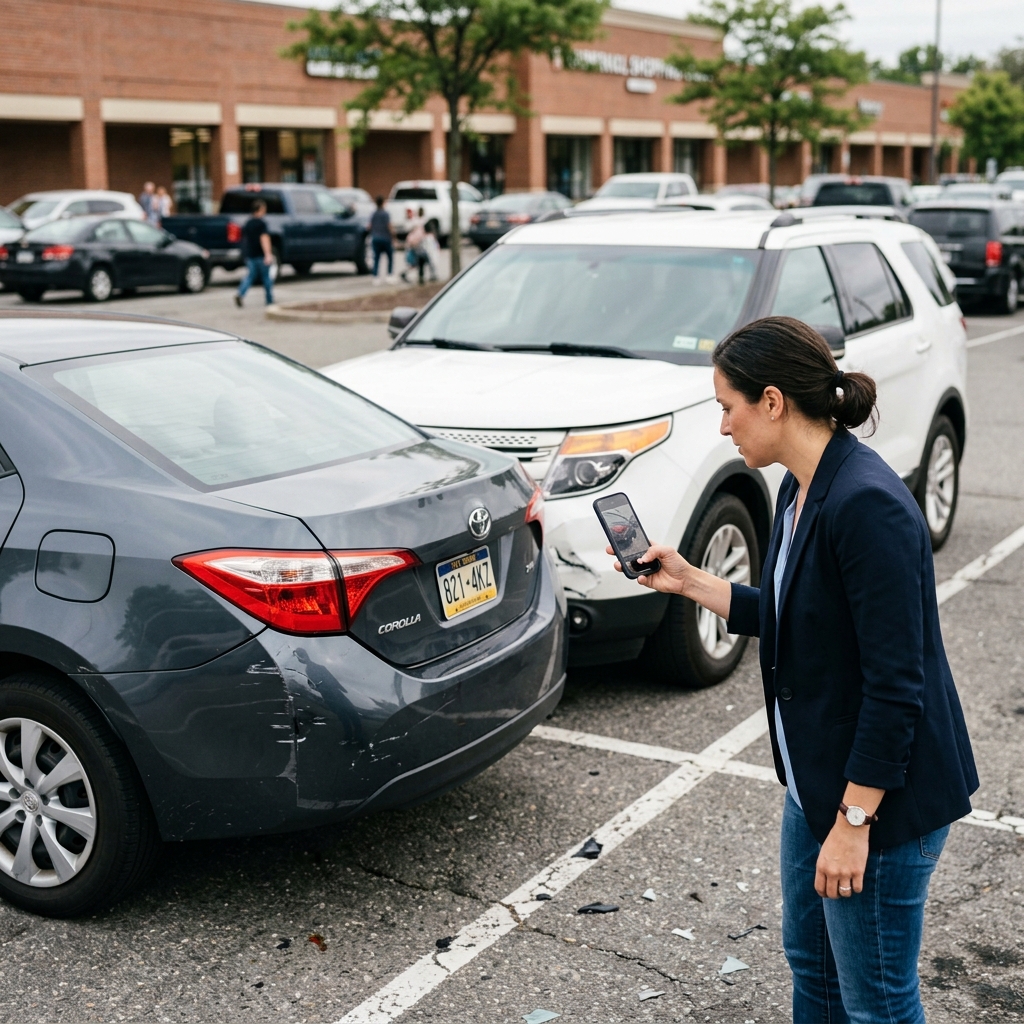
After a car accident, it is common to wonder whether you must have a police report before you can contact your insurance company. In many everyday crashes, drivers exchange information, go home, and later ask if they made a mistake by not calling law enforcement. This guide explains how car insurance claims work when no officer documented the collision, what your insurer is likely to ask for, and when state law may still require you to report the crash.
Do You Need a Police Report to File a Claim?
In most situations, you can file a car insurance claim without a police report. Insurers generally care more about timely notice of the accident and enough detail to investigate than about whether an officer wrote an official report. A missing report may mean the adjuster relies more heavily on your photos, statements, and repair estimates, but it rarely blocks you from opening a claim.
However, the role of a police report changes depending on the severity of the crash and your state’s legal requirements:
- Minor collisions (low-speed impacts, no injuries, modest property damage) are often handled without police involvement and can usually be claimed directly with your insurer.
- Serious accidents involving injuries, fatalities, or substantial property damage frequently trigger legal duties to report the crash to law enforcement or a state crash reporting system.
- Some states require police reports above certain damage thresholds or whenever someone is injured, even if insurance claims can still proceed without one.
Why Insurers Value Police Reports—but Don’t Always Require Them
A police report is often useful because it is an official, third-party account of the accident. Insurers and courts may use it to understand what happened and who appears to be at fault, but it is not the only way to prove a crash. According to major insurers, the claims process itself is similar with or without a police report.
Police reports can help by:
- Providing basic facts such as the date, time, location, and vehicle information.
- Recording statements from drivers and witnesses at the scene while memories are fresh.
- Noting visible damage, traffic conditions, and contributing factors like speeding or failure to yield.
When a report does not exist, the insurer simply looks for other evidence that can serve the same function. Your own documentation becomes the foundation of the claim, particularly in disputed cases.
Common Situations Where There Is No Police Report
There are several reasons why a car accident might not result in an official police report, even when damage occurs:
- Low-impact parking lot incidents, where drivers exchange information and leave once they confirm nobody is hurt.
- Private property collisions, where law enforcement may decline to create a full traffic accident report.
- Officer discretion, when police respond but decide that a detailed crash report is unnecessary for very minor events.
- Delayed discovery of damage, such as noticing a dent or mechanical problem days after an impact.
In each of these scenarios, your right to contact your insurer typically remains intact. You may need to explain why there is no official record and provide stronger supporting evidence, but the absence of a report alone rarely bars coverage.
Legal Duties to Report an Accident vs. Insurance Requirements
It is important to distinguish between legal reporting obligations and insurance company rules. State traffic laws may require you to notify police or a motor vehicle agency when crashes reach certain thresholds, even if an insurer never asks for a police report.
Typical legal triggers for mandatory reporting include:
- Any fatality or potential fatal injury.
- Injuries requiring medical attention, such as ambulance transport or emergency room care.
- Property damage above a statutory dollar amount, which may vary by state (for example, a $500 threshold in some jurisdictions).
By contrast, insurers generally require only that you report the accident to them promptly and cooperate with their investigation. They may recommend calling police, but the policy language often focuses on notice, cooperation, and proof of loss rather than a specific report form.
Insurance Claim Requirements at a Glance
| Aspect | Police Report Required? | What Insurer Typically Needs |
|---|---|---|
| Opening a claim | No, usually not required. | Date, time, location, contact info, policy number, description of events. |
| Determining fault | Helpful but not mandatory. | Statements, photos, damage pattern, witness information, any official reports. |
| Paying property damage | Often not required for minor damage. | Repair estimates, photos, inspection by adjuster. |
| Serious injury claims | Commonly present but not always legally required for insurance purposes. | Medical records, bills, witness statements, crash documentation from any source. |
How to Build a Strong Claim Without a Police Report
When there is no police report, your documentation must fill the gap. Insurers rely heavily on the consistency, detail, and timing of your information to decide how to handle the claim. The more carefully you capture the facts, the easier it is for the adjuster to understand the crash.
Essential Evidence to Gather
Try to collect the following information as soon as it is safe to do so:
- Driver and vehicle details
- Names, phone numbers, and addresses of all drivers involved.
- Insurance company names and policy numbers.
- License plate numbers and vehicle descriptions.
- Accident facts
- Date, time, and exact location of the collision.
- Direction of travel, approximate speeds, and lane positions.
- Weather, lighting, and traffic conditions at the time.
- Photographs and video
- Wide shots of the scene and roadway.
- Close-ups of vehicle damage and impact points.
- Any dash cam footage or nearby surveillance video, if available.
- Witness information
- Names and contact details of bystanders who saw the crash.
- Short, written or texted statements in their own words, if they are willing.
Creating a Clear Written Account
Without a police report, a well-organized written summary becomes especially important. Consider writing a dated statement for your own records that includes:
- A simple timeline from just before the crash to the moments after impact.
- A factual description of what each vehicle was doing, avoiding speculation.
- Notes on any injuries, pain, or symptoms you noticed immediately or later.
- Steps you took after the accident, such as seeking medical care or contacting your insurer.
This personal record can help you stay consistent when speaking with adjusters or lawyers and may be useful evidence if questions arise about delay or memory.
Filing the Claim: Step-by-Step
Once you have gathered basic information, you can move forward with the claims process. Official guidance from state insurance regulators emphasizes prompt reporting and careful documentation.
- Notify your insurance company quickly
Report the accident to your insurer or agent as soon as reasonably possible, even if you believe the other driver was at fault or you are far from home. - Provide core accident details
Share the date, time, location, and a concise description of what occurred. Avoid guessing about speed or fault; stick to what you observed. - Submit photographs and supporting documents
Send scene photos, damage pictures, medical records, and witness information so the adjuster can see how the crash happened. - Cooperate with the investigation
Answer follow-up questions truthfully and supply any additional records the insurer requests, such as repair estimates or medical bills. - Ask whether a late written report would help
If your state allows drivers to file crash reports themselves with police or the motor vehicle agency, consider whether creating one after the fact might help document key facts.
When a Police Report Is Especially Helpful
While you can proceed without a police report in many situations, there are circumstances where calling law enforcement is strongly advisable:
- Serious injury or suspected impairment — If anyone appears seriously hurt or you suspect a driver is impaired, you should prioritize safety and contact emergency services. State laws often require reporting in these cases, and insurers will expect thorough documentation.
- Hit-and-run collisions — Claims involving unidentified drivers or vehicles are easier to pursue when a police report exists recording your prompt report of the incident.
- Disputed fault — When drivers disagree about who caused the crash, a neutral report that captures both versions and physical evidence can reduce later conflicts.
- Large financial losses — Significant property damage or extensive medical treatment increases the stakes. A detailed official record can support negotiations and potential legal claims.
Balancing Practical Considerations and Legal Obligations
Deciding whether to contact law enforcement is often a judgment call at the scene. Practical issues like traffic congestion, long wait times, and the apparent minor nature of the crash may discourage drivers from calling. Yet ignoring legal requirements can create problems later, especially if injuries worsen or damage turns out to be more extensive than first believed.
General best practices include:
- Erring on the side of reporting crashes that involve any injury, even if symptoms seem minor initially.
- Documenting the scene thoroughly if you decide not to call police, understanding that your evidence must stand in place of an official report.
- Reviewing your state’s accident reporting rules so you know in advance when a call to police or a later written report is mandatory.
FAQs: Car Insurance Claims Without a Police Report
Can my insurer deny my claim solely because I did not get a police report?
In most cases, insurers do not automatically deny claims just because there is no police report. Denials usually stem from policy exclusions, lack of coverage, missed deadlines, or insufficient evidence, not the absence of an official accident report.
Will my claim take longer if there is no police report?
Claims may take longer when adjusters must piece together the accident from alternative evidence instead of referencing a ready-made report. Insurers may request additional documents, witness statements, or photographs to reach a decision.
What if I discover damage days after the incident?
You can still report the damage to your insurer, but you should explain when you first noticed the problem and provide any photos or notes from the original incident. A delayed report may require more detailed documentation to connect the damage to the earlier crash.
Do different states have different rules about reporting accidents?
Yes. Accident reporting laws vary by state, including thresholds for property damage, when injuries must be reported, and whether drivers must file written reports themselves. Some states also allow or require reports through motor vehicle departments rather than directly to police.
Is a police report required to bring a legal claim or lawsuit?
A police report is helpful but is not always required to pursue a civil claim after a crash. Courts can rely on witness testimony, photographs, medical records, and other evidence to decide a case. However, many attorneys prefer working with clients who reported serious accidents to law enforcement promptly.
References
- Can I file a car insurance claim without a police report? — Progressive Insurance. 2024-03-01. https://www.progressive.com/answers/insurance-claim-without-police-report/
- Can I File a Car Insurance Claim Without a Police Report? — FindLaw. 2023-09-12. https://www.findlaw.com/injury/car-accidents/can-i-file-a-car-insurance-claim-without-a-police-report.html
- Can You Claim a Car Accident Without a Police Report? — Mercury Insurance. 2023-05-10. https://www.mercuryinsurance.com/resources/basics-101/can-you-file-insurance-claim-without-police-report.html
- Can You File a Claim Without a Police Report? — Justin Lowe, P.C. 2022-11-08. https://www.justinlowepc.com/blogs/can-you-file-a-claim-without-a-police-report/
- Tips for Filing Auto Insurance Claim — Georgia Office of Commissioner of Insurance and Safety Fire (oci.ga.gov). 2021-07-15. https://oci.georgia.gov/insurance-resources/auto/auto-claim-tips
- Can You File a Car Accident Claim Without a Police Report in Atlanta? — 844Spartan Law Firm. 2023-02-21. https://844spartan.com/blog/georgia-law/can-you-file-a-car-accident-claim-without-a-police-report-in-atlanta/
- Can You File a Car Accident Claim Without a Police Report in California? — Cutter Law P.C. 2023-04-03. https://cutterlaw.com/faqs/can-you-file-car-accident-claim-without-police-report/
Similar Articles








Read full bio of medha deb




