
Bankruptcy In Tennessee: Chapter 7 Vs Chapter 13 Guide For 2025
Understand how Tennessee bankruptcy works, including relief options, risks, and key tradeoffs.
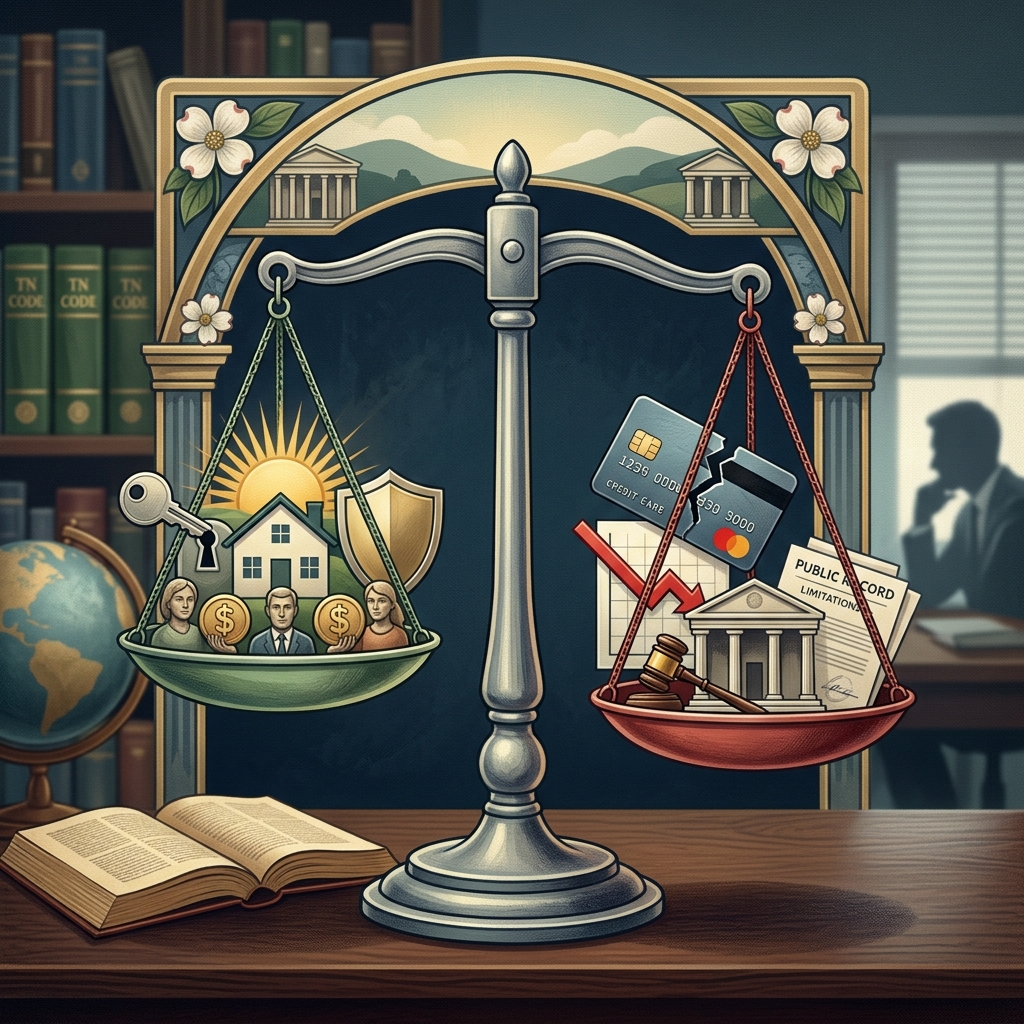
For many people facing overwhelming debt, bankruptcy can provide a legal way to reset their finances. In Tennessee, the decision is rarely simple because the state’s exemption rules, federal bankruptcy law, and the differences between Chapter 7 and Chapter 13 all affect the outcome. The best choice depends on what you owe, what you own, and whether you need time to catch up on secured debts such as a mortgage or car loan.
Bankruptcy is designed to help honest debtors get relief while also giving creditors an orderly process for repayment. It can stop collection efforts quickly, but it can also affect credit, property ownership, and future borrowing. Understanding both the benefits and drawbacks can help you decide whether filing is the right move.
How bankruptcy works in Tennessee
Bankruptcy cases are handled in federal court, not state court, even though Tennessee law plays an important role in determining what property you may keep. The two most common consumer options are Chapter 7 and Chapter 13. Chapter 7 is often called liquidation bankruptcy because some nonexempt assets may be sold to pay creditors. Chapter 13 is a repayment plan that lets you pay part or all of your debts over time while protecting property you might otherwise lose.
In practical terms, the process begins when you file the required paperwork with the bankruptcy court. Once the case is filed, an automatic stay usually goes into effect. That stay can pause lawsuits, wage garnishments, foreclosure actions, and most collection calls while the case is pending.
| Feature | Chapter 7 | Chapter 13 |
|---|---|---|
| Main purpose | Discharge eligible unsecured debt | Repay debt through a court-approved plan |
| Time frame | Usually a few months | Typically 3 to 5 years |
| Asset impact | Nonexempt property may be sold | Property is usually protected if payments are made |
| Best for | People with limited income and few assets | People who need time to catch up on secured debts |
Possible advantages of filing
The strongest benefit of bankruptcy is debt relief. If a court discharges eligible debts, you are no longer legally responsible for paying them. That can give you room to rebuild your finances without the pressure of constant collection activity.
- Immediate collection relief: Once the case is filed, the automatic stay can stop many creditor actions right away.
- Potential debt discharge: Chapter 7 may eliminate many unsecured debts, including credit cards and medical bills, if the debt qualifies.
- Structured repayment: Chapter 13 can make monthly payments more manageable by stretching them out over time.
- Protection from lawsuits: Creditors generally cannot keep pursuing collection litigation after the stay begins.
- Fresh financial start: Bankruptcy may create the stability needed to rebuild savings and budgeting habits.
Another benefit is predictability. Rather than dealing with multiple creditors on different schedules, you may end up with one court-supervised case or one monthly plan payment. For some households, that is easier to manage than a stack of due dates, late fees, and collection notices.
Chapter 7 is often attractive because it can move quickly. In many cases, people receive a discharge within a few months if there are no complications. That speed matters when debts are spiraling and a family needs relief fast.
Common drawbacks to consider
Bankruptcy can solve debt problems, but it is not a free pass. The biggest downside is that some property may be lost in Chapter 7 if it is not protected by Tennessee exemptions. If you own nonexempt assets with significant value, the trustee may sell them to pay creditors.
- Property risk: Nonexempt assets can be vulnerable in Chapter 7.
- Credit consequences: A bankruptcy filing can remain on a credit report for years and may affect borrowing opportunities.
- Not all debts disappear: Certain obligations, such as many taxes, child support, and student loans, are usually harder to discharge.
- Public record: Bankruptcy filings are part of the public court record.
- Costs and paperwork: Filing requires detailed financial disclosures, court forms, and possible attorney fees.
Chapter 13 also has tradeoffs. Although it allows you to keep property, it requires disciplined payments for several years. If your income drops or your expenses rise, the plan may become difficult to complete. Missing payments can threaten the case and reduce the protection you were hoping to gain.
Why Tennessee exemptions matter
Exemptions are one of the most important parts of a Tennessee bankruptcy analysis. They determine what property you may keep if you file. Tennessee has specific exemption rules that can protect some home equity, household items, retirement accounts, and other property. The amount protected can vary depending on your circumstances, such as whether you own a home, are married, or have minor children.
This matters because a person with limited exempt property may benefit from Chapter 7, while someone with equity in a home or valuable personal assets may lean toward Chapter 13. The more property you need to preserve, the more important it becomes to review exemption rules before filing.
In many cases, debtors worry most about a house or car. If a mortgage or vehicle loan is current, Chapter 7 may still allow retention of the property, but the lender’s lien remains in place unless the debt is reaffirmed or otherwise addressed. If payments are already behind, Chapter 13 may provide the time needed to catch up.
When Chapter 7 may be the better option
Chapter 7 is often best suited for people who have mostly unsecured debt, limited disposable income, and few assets they cannot protect. It can be a strong option if you need a fast discharge and do not have significant home equity or other nonexempt property at risk.
It may also be appropriate if you are overwhelmed by medical bills, credit card balances, or collection accounts and there is no realistic way to repay them within a few years. Because the process is generally shorter, Chapter 7 can offer a faster path to stability.
When Chapter 13 may make more sense
Chapter 13 is often considered when protecting property is a priority. If you are behind on mortgage payments and want to keep your home, a repayment plan may be the better route. The same is true if you are behind on a car loan or have valuable assets that would not be safe in Chapter 7.
Chapter 13 can also help people who do not qualify for Chapter 7 or who want to catch up on secured debts without facing immediate foreclosure or repossession. Because you make payments over time, it can function like a court-supervised budget that gives you breathing room while you cure arrears.
What debts may remain after bankruptcy
Many people assume bankruptcy wipes out every debt, but that is not the case. Some obligations are treated differently under the law. Even after a successful case, you may still owe certain debts that are not discharged or are only discharged in limited situations.
- Domestic support obligations: Child support and alimony usually remain due.
- Recent taxes: Some tax debts are not dischargeable, especially if they are recent or tied to filing problems.
- Student loans: These are generally difficult to erase absent special circumstances.
- Secured debt: If you keep collateral such as a car or house, the lender’s lien may still exist.
Because nondischargeable debts can survive the case, it is important to look at the entire financial picture rather than focusing only on credit card balances. A bankruptcy filing may help substantially, but it may not solve every obligation.
Practical questions to ask before filing
Before filing, it helps to ask a few direct questions about your finances and your goals. These questions can clarify whether bankruptcy is truly the right tool for your situation.
- Do I need to stop a foreclosure, repossession, or wage garnishment quickly?
- Do I have property with value that I want to protect?
- Are most of my debts unsecured, or do I owe mainly on secured loans?
- Can I realistically make a three- to five-year payment plan?
- Are there debts that bankruptcy may not eliminate?
If you answer yes to protecting property or catching up on missed payments, Chapter 13 may deserve closer attention. If you need fast relief and do not have many assets to preserve, Chapter 7 may be worth considering.
Frequently asked questions
Will bankruptcy stop creditors right away?
Yes. In most cases, the automatic stay begins when the case is filed and can pause many collection actions immediately.
Can I keep my car or house?
Often yes, but it depends on the chapter you file, whether you are current on payments, and whether the property is protected by exemptions or a repayment plan.
Does bankruptcy erase every debt?
No. Some debts, including domestic support obligations and certain taxes, may survive the filing.
Which chapter is faster?
Chapter 7 is usually faster because it often ends within a few months, while Chapter 13 generally lasts several years.
Will filing hurt my credit?
Bankruptcy can affect credit for years, but for people already struggling with delinquent accounts, the long-term effect may be less damaging than continuing missed payments and collections.
Making a careful decision
The value of bankruptcy in Tennessee depends on what problem you are trying to solve. If your main goal is eliminating unsecured debt, Chapter 7 may offer the cleanest path. If your goal is catching up on a house payment, keeping important property, or creating time to pay debt in an orderly way, Chapter 13 may be more practical.
Because the choice can affect your home, vehicle, wages, and credit for years, a full review of your income, assets, and debts is essential before filing. Bankruptcy can be a powerful tool, but it works best when matched to the right financial situation and the right chapter.
References
- Understanding Bankruptcy — United States Bankruptcy Court, Middle District of Tennessee. 2024-01-01. https://www.tnmb.uscourts.gov/understanding-bankruptcy
- Chapter 7 or Chapter 13 bankruptcy? — Tennessee Bankruptcy Law. 2024-01-01. http://www.tennesseebankruptcylaw.com/7v13.html
- Pros and Cons of Filing for Bankruptcy — American Bar Association. 2024-01-01. https://www.americanbar.org/groups/public_education/resources/law_issues_for_consumers/everydaylaw0/personal_finance/bankruptcy/pros_and_cons_of_bankruptcy/
- Pros and Cons of Filing For Bankruptcy — LendingTree. 2024-01-01. https://www.lendingtree.com/bankruptcy/pros-and-cons-of-filing-for-bankruptcy/
- BANKRUPTCY CHAPTER 7 AND 13 QUESTIONS AND ANSWERS — Louisiana Association for Justice, Education and Treatment. 2023-06-01. https://www.laet.org/wp-content/uploads/2023/06/Bankruptcy.pdf
Similar Articles








Read full bio of Sneha Tete




