
Pitfalls to Avoid in Trial Opening Statements
Discover critical mistakes that undermine courtroom openings and proven strategies for captivating juries from the first word.
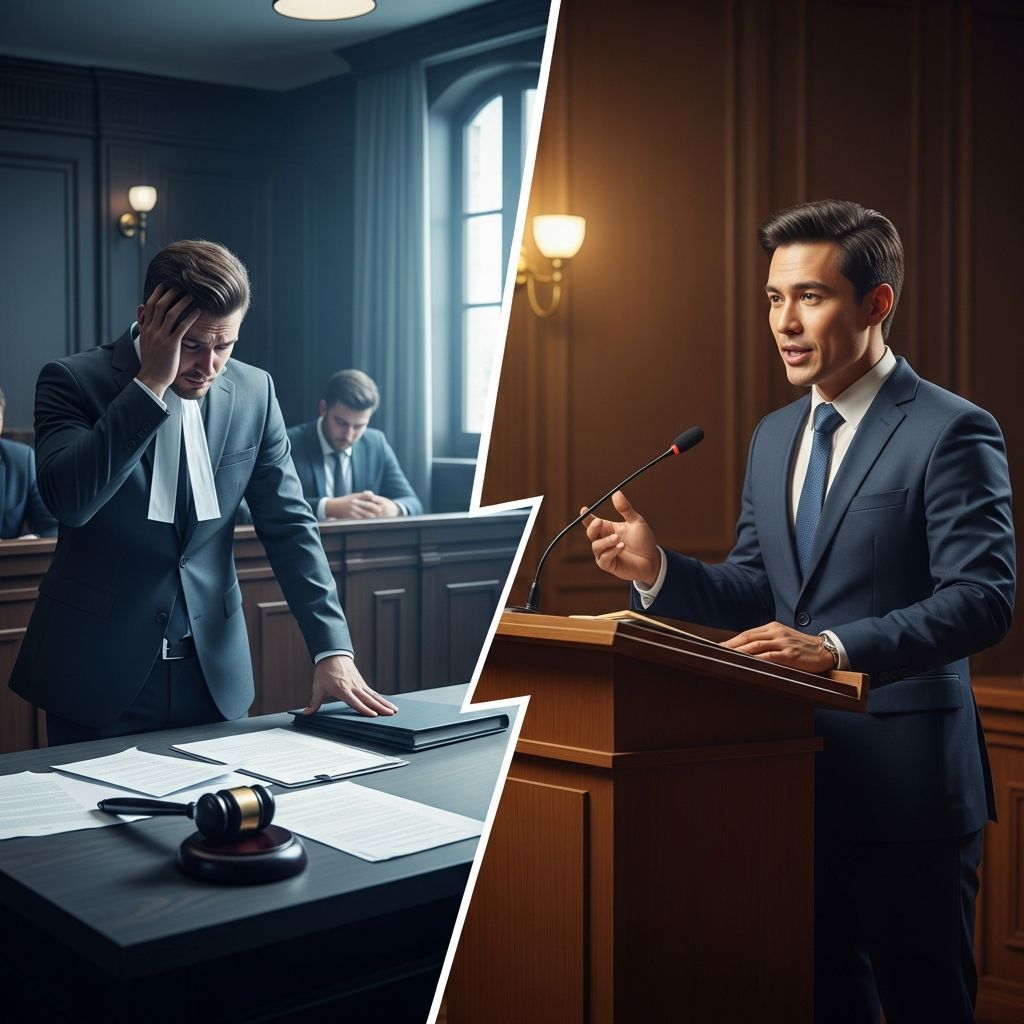
Opening statements represent a pivotal moment in any trial, where attorneys have the rare opportunity to frame the narrative and connect with jurors before evidence unfolds. A strong launch can establish credibility, evoke empathy, and outline a persuasive roadmap. Conversely, missteps at this stage can alienate the jury, sow doubt, or bury key themes under irrelevance. This article dissects frequent errors drawn from trial observations and expert analyses, offering actionable guidance to refine your approach and maximize impact.
Launching with Personal Histories Instead of Case Essence
One of the most frequent miscalculations occurs when attorneys pivot to autobiography right out of the gate. Recounting life stories, childhood anecdotes, or career milestones might feel reassuring to the speaker, but it rarely resonates with jurors eager for case specifics. This detour signals self-focus over substance, prompting disengagement as panelists wonder when the actual dispute will surface.
Consider the courtroom dynamic: Jurors arrive curious about the conflict at hand, not the lawyer’s journey. Diving into ‘I began my practice in…’ or ‘My first case taught me…’ squanders prime attention. Instead, anchor immediately in the dispute’s human core—perhaps the moment of harm or the defendant’s negligence—to forge an emotional bridge.
- Prioritize the client’s story: Begin with vivid imagery of the incident’s stakes.
- Omit resume recitals: Save credentials for introductions or closings if needed.
- Test for relevance: Ask if the detail advances the theme; if not, excise it.
Effective openings immerse jurors in the narrative’s urgency, positioning you as guide rather than protagonist. By sidelining personal lore, you respect their time and direct focus where it belongs: the justice sought.
Overloading with Facts and Chronologies Early On
Jurors often enter trials overwhelmed by new names, dates, and sequences. Bombarding them with exhaustive timelines—precise addresses, witness titles, or minute-by-minute recaps—creates cognitive fatigue before themes solidify. This ‘data dump’ transforms a compelling preview into a tedious ledger, eroding retention and enthusiasm.
Legal trainers emphasize simplicity: Opening statements preview the roadmap, not the full atlas. Details like ‘The incident transpired at 3:47 PM on Elm Street, involving witnesses John Doe, CPA, and Jane Smith, MD’ clutter without clarifying. Pare to essentials that propel the story, using approximations like ‘mid-afternoon on a busy avenue’ to paint pictures without paralysis.
| Problematic Detail | Streamlined Alternative | Benefit |
|---|---|---|
| May 16, 2007, at 1400 hours | Spring 2007, early afternoon | Evokes scene without memorization burden |
| Plaintiff: Sarah Johnson, age 42, retail manager | A dedicated mother and worker | Humanizes without overwhelming |
| 20+ exhibits listed | Key photos and documents we’ll review | Teases evidence, builds anticipation |
Visual aids amplify clarity here. A simple timeline graphic or thematic board reinforces flow minus verbal overload. The goal: Orient jurors swiftly, priming them for testimony without exhaustion.
Technical Glitches and Self-Deprecating Asides
Nothing derails momentum like audible frustrations: ‘Is this microphone working?’ or ‘These lights are blinding.’ Such outbursts spotlight logistics over litigation, imprinting annoyance in jurors’ minds. Similarly, admitting unpreparedness—’I didn’t have much time to prepare’—undermines authority, implying carelessness toward their service.
Preparation mitigates these: Conduct tech rehearsals and arrive early. If issues arise, signal staff discreetly; never vocalize to the jury. Nervous confessions fare worse, planting seeds of unreliability. Project poise—deep breaths, focused eye contact—to convey command.
- Pre-trial checklist: Test audio, visuals, and pacing in the actual venue.
- Mindset shift: View nerves as energy; channel into passion.
- Audience-first: Every word should serve their understanding, not your comfort.
Polished delivery reassures jurors of your competence, fostering trust essential for persuasion.
Formulaic Pleasantries and Gratuitous Thanks
Starters like ‘Thank you for your service’ or ‘I’m honored to be here’ sound courteous but ring hollow. They fill space without advancing argument, blending into auditory wallpaper. Professional advocates bypass these for substantive hooks, recognizing juries crave insight over amenities.
Gratitude has a place—brief nods to introducers suffice—but leading with it dilutes urgency. Opt for present-tense immersion: ‘Imagine driving home, trusting the road ahead…’ This activates empathy instantly, bypassing banalities.
Argument Creep and Unkept Promises
Blur the line between preview and plea, and risk judicial rebuke or jury confusion. Phrases veering into ‘This proves negligence because…’ invite objections, fracturing flow. Likewise, overpromising—’Witness X will admit full fault’—backfires if testimony wavers, eroding credibility.
Stick to ‘what we expect to show’: Factual roadmaps sans conclusions. Themes like accountability or restoration weave implicitly, letting evidence argue explicitly.
Dramatic Excess or Flat Delivery Traps
Overly theatrical flourishes—gory recreations or filmic hyperbole—can unsettle rather than engage, prompting visceral recoil over rational buy-in. Conversely, monotone fact-readings lull to disinterest. Balance vivid storytelling with measured tone: Present-tense propulsion (‘She steps on the brake, but the vehicle surges forward’) heightens immediacy without excess.
Strategies for Magnetic Openings
To counter pitfalls, embrace proven tactics:
- Hook with humanity: Open via relatable scenario or rhetorical question tied to themes.
- Theme-first structure: State core injustice early, then roadmap evidence.
- Visual integration: Employ boards, photos for 70% retention boost over words alone.
- Practice rigorously: Rehearse for 10-15 minutes, varying intonations.
These elevate openings from rote to riveting, aligning juror emotions with your case.
Frequently Asked Questions (FAQs)
What is the single biggest error in most opening statements?
Buried leads—failing to spotlight the case’s emotional core immediately—rank highest, as they lose jury attention before themes land.
How long should an opening statement be?
Aim for 10-20 minutes for complex civil cases, shorter for criminal; focus on quality over quantity to sustain engagement.
Can visuals salvage a weak verbal opening?
Partially, but they amplify strong narratives; integrate as thematic anchors, not crutches.
Is present tense always superior?
Yes for dynamism—’The driver accelerates recklessly’ grips more than past recaps.
How to recover from an opening stumble?
Pivot gracefully to a key theme; juries forgive humanity if substance follows swiftly.
Mastering the Art of Jury Connection
Refining openings demands iteration: Mock trials reveal blind spots, peer feedback hones phrasing. Study triumphs—cases won on narrative clarity—and internalize. Ultimately, exceptional openings transform passive listeners into invested allies, tipping scales through shared conviction.
By evading these pitfalls, attorneys not only avoid pitfalls but construct launchpads for victory. The courtroom awaits your most compelling voice.
References
- Some Common Mistakes in Opening Statements — F. Dennis Saylor IV and Daniel I. Small, Holland & Knight. 2017-01-26. https://www.hklaw.com/files/Uploads/Documents/Articles/20170126_MLW.pdf
- The Eight Worst Ways to Start a Speech — Public Words. 2017-09-12. https://publicwords.com/2017/09/12/eight-worst-ways-start-speech/
- Opening Statements: What Works and What Doesn’t — Tamara Freeze, The Lawyer Stories. 2021-12-23. https://thelawyerstories.com/2021/12/23/opening-statements-what-works-and-what-doesnt-tamara-freeze/
- Opening Statement: Creating a Competitive Advantage — Advocate Magazine. 2015-01-01. https://www.advocatemagazine.com/article/2015-january/opening-statement-creating-a-competitive-advantage
Similar Articles








Read full bio of Sneha Tete




