
Law Firms: Key Risks Of Office Pets And Practical Alternatives
Discover critical reasons to exclude pets from legal offices, from safety risks to professional image concerns.
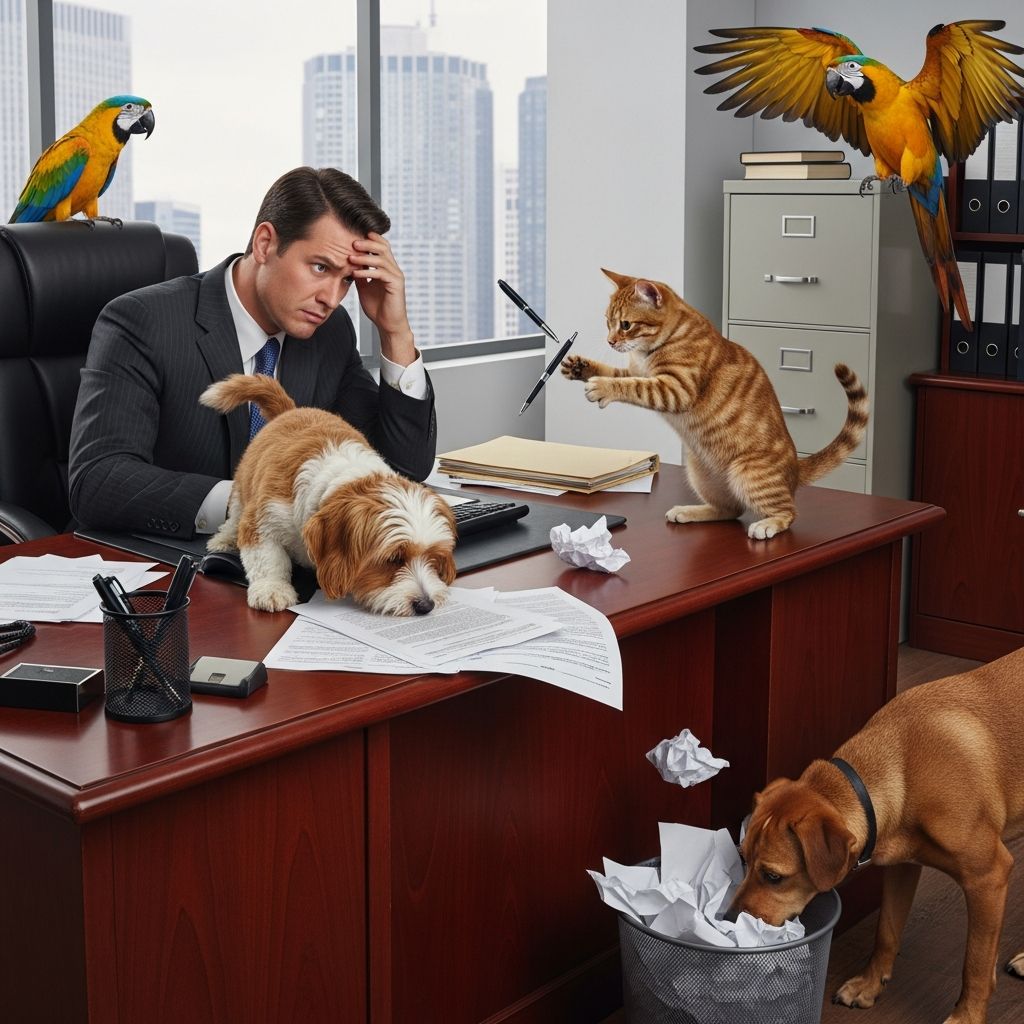
Law firms thrive on precision, confidentiality, and professionalism. Introducing pets into such environments introduces unnecessary complications that can undermine operations and reputation. This article explores key challenges, drawing from workplace safety standards and legal practice insights, to explain why pet-free policies remain the prudent choice for legal professionals.
Workplace Safety Hazards from Pets
Office spaces in law firms contain sensitive equipment, confidential documents, and high-traffic areas that become perilous with pets present. Electrical cords, shredders, and open file cabinets pose immediate dangers to curious animals, potentially leading to injuries or destructive incidents.
Beyond pet welfare, human safety is at stake. Employees navigating hallways may trip over leashes or startled animals, resulting in slip-and-fall accidents. In high-stakes legal settings where focus is paramount, such mishaps can interrupt critical tasks or cause physical harm.
- Tripping risks from leashes or pets under desks
- Chewing on vital cables risking electrical fires
- Interactions between multiple pets sparking aggression
Overstimulation from office noises—phones ringing, printers whirring, and foot traffic—can heighten pet anxiety, leading to unpredictable behavior. The U.S. Occupational Safety and Health Administration (OSHA) emphasizes hazard-free workplaces, and uncontrolled pets directly contravene these guidelines by introducing biological and physical risks.
Distractions That Derail Legal Productivity
Legal work demands uninterrupted concentration for research, drafting, and client strategy. Pets disrupt this flow by requiring feeding, walks, playtime, and attention, pulling attorneys away from billable hours.
Consider a midday deposition preparation interrupted by a barking dog or an associate stepping out for a potty break. Such diversions compound over a day, eroding efficiency. Studies on workplace interruptions show even brief distractions reduce cognitive performance by up to 40%, a statistic particularly detrimental in time-sensitive legal matters.
| Pet-Related Activity | Time Lost per Day (Estimate) | Impact on Legal Tasks |
|---|---|---|
| Walks and bathroom breaks | 30-60 minutes | Delays client calls, filings |
| Feeding and play | 20-40 minutes | Interrupts research focus |
| Cleaning accidents | 15-30 minutes | Diverts from document review |
Team dynamics suffer too. While one colleague enjoys their pet, others face constant noise or movement, fragmenting collaborative efforts like case brainstorming sessions.
Health Concerns Including Allergies and Sanitation
Not all legal professionals tolerate pet dander, fur, or saliva. Allergies affect up to 20% of the U.S. population, manifesting as respiratory issues, skin irritation, or severe asthma attacks in shared spaces.
Sanitation challenges exacerbate this. Pet hair infiltrates carpets, HVAC systems, and client chairs, creating ongoing hygiene issues. Accidents—urine, vomit, or shedding—necessitate frequent cleanings, diverting janitorial resources and fostering odors that clash with a firm’s polished image.
The Centers for Disease Control and Prevention (CDC) warns of zoonotic diseases transmissible from pets to humans, such as ringworm or parasites, especially risky in client-facing environments where vulnerable individuals like children or immunocompromised persons visit. Proper protocols like mandatory vaccinations help, but enforcement remains inconsistent.
- Allergen spread via air circulation
- Pet waste creating slip hazards
- Potential disease transmission
Legal and Insurance Liabilities for Firms
Permitting pets exposes law firms to substantial liabilities. A dog bite during a client meeting could trigger lawsuits under premises liability laws, with employers vicariously liable for employee pets.
Insurance policies often exclude coverage for pet-related incidents, leaving firms to bear costs of medical bills, settlements, or property damage. The U.S. Chamber of Commerce notes that bites or scratches can result in claims exceeding $50,000, straining small practices. Lease agreements frequently prohibit animals, risking eviction or penalties.
Service animals under the Americans with Disabilities Act (ADA) are distinct—trained for specific tasks and protected legally. Casual pets lack this status, blurring lines and inviting discrimination claims if access is inconsistently managed.
Undermining Professionalism and Client Trust
Law firms project authority and seriousness. A slobbering dog or roaming cat during consultations erodes this gravitas, signaling casualness over competence. Clients seeking representation in divorce, criminal defense, or corporate litigation expect a formal setting, not a petting zoo.
Not everyone shares pet enthusiasm. Fearful or indifferent clients may feel uncomfortable, shortening meetings or opting for competitors. Surveys indicate 30-40% of adults harbor pet phobias or dislikes, impacting retention.
In court-bound practices, attorneys can’t bring pets anyway, highlighting the impracticality. Professionalism standards from the American Bar Association stress environments conducive to client confidence, where distractions like animal antics detract.
Alternatives to Office Pets for Stress Relief
Recognizing pets’ morale benefits, firms can pursue pet-free alternatives. Designated break areas with calming decor mimic therapeutic effects without risks. Nearby doggy daycares provide exercise and socialization during work hours.
Virtual pet cams allow remote check-ins, satisfying owners without office intrusion. Wellness programs—yoga, meditation apps, or team walks sans pets—boost satisfaction equivalently. Policies should survey staff for buy-in, designating pet-free zones universally.
For hybrid models post-pandemic, home offices suit pets best, preserving work-life boundaries. Firms adopting clear no-pet rules report higher focus and fewer incidents, per management analyses.
Developing a Robust No-Pet Policy
Firm leaders should formalize policies in writing, covering exceptions for service animals only. Communicate via handbooks, emails, and signage. Include:
- Zero-tolerance for unauthorized animals
- Required ADA documentation for assistance pets
- Disciplinary steps for violations
Lease reviews ensure compliance. Liability riders on insurance safeguard against inadvertent issues. Annual training reinforces professionalism.
Frequently Asked Questions (FAQs)
Can service animals be accommodated in law firms?
Yes, under the ADA, trained service animals are permitted for disability-related tasks. They must remain under control and in designated areas.
What if an employee has severe pet allergies?
A pet-free policy protects allergic individuals, complying with equal opportunity laws and preventing health claims.
Do pets really reduce stress in high-pressure legal work?
Short-term yes, but long-term disruptions outweigh benefits. Alternatives like therapy sessions prove more effective.
How common are pet bites in offices?
Incidents rise 25-50% in pet-friendly spaces, per safety reports, amplifying liability.
Can a no-pet policy hurt firm recruitment?
Minimal impact; most prioritize salary, culture, and stability over pets. Clear policies attract focused talent.
This comprehensive analysis underscores the multifaceted risks of pets in law firms. Prioritizing safety, productivity, and professionalism ensures sustainable success.
References
- Why You Should Avoid Bringing Your Dog to the Office — Dogtopia. 2023. https://www.dogtopia.com/blog/why-you-should-avoid-bringing-your-dog-to-the-office/
- The Risks of Bringing Your Dog or Other Pet to Work — Salvi Law. 2024-05-15. https://www.salvilaw.com/blog/the-risks-of-bringing-your-dog-or-other-pet-to-work/
- Dogs in the Law Office — Attorney at Work. 2022-08-10. https://www.attorneyatwork.com/dogs-in-the-law-office/
- What to Know About Allowing Pets in the Office — U.S. Chamber of Commerce. 2025-01-22. https://www.uschamber.com/co/run/human-resources/allowing-pets-at-work-pros-and-cons
- The Calming Influence of Pets and Animals in the Legal Environment — Legal Burnout. 2023-11-05. https://www.legalburnout.com/post/animals-in-the-law
- Pros and Cons of Pets in the Office — CaterCow. 2024. https://www.catercow.com/blog/pros-and-cons-of-pets-in-the-office
- Benefits and Drawbacks of a Pet-Friendly Office — Passport Health. 2018-11-01. https://www.passporthealthusa.com/employer-solutions/blog/2018-11-benefits-and-drawbacks-of-a-pet-friendly-office/
Similar Articles








Read full bio of Sneha Tete




