
Why Hookah Lounges Persist Amid Strict Tobacco Laws
Unraveling the legal loopholes, exemptions, and regulatory challenges that keep hookah bars operating despite widespread smoking bans.
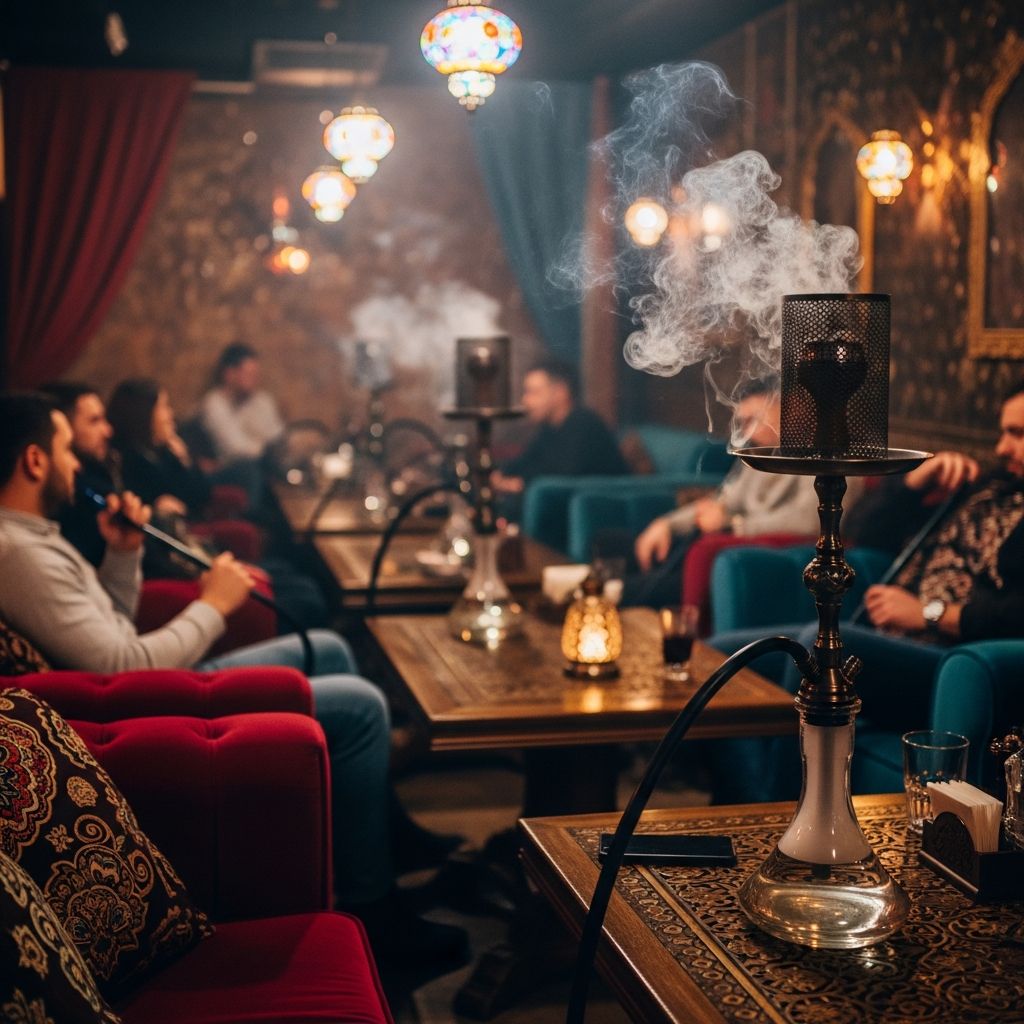
Hookah lounges, also known as shisha bars, have carved out a niche in the American nightlife scene despite aggressive anti-smoking legislation. These establishments offer flavored tobacco smoked through water pipes, attracting patrons seeking a social, communal experience. Yet, with indoor smoking bans in nearly every state, their survival hinges on clever interpretations of the law, targeted exemptions, and varying local enforcement priorities. This article delves into the regulatory maze that allows these venues to operate, the health implications involved, and the evolving landscape of tobacco control.
The Rise of Hookah Culture in Modern America
Originating from the Middle East and South Asia, hookah smoking has exploded in popularity among young adults in the U.S., particularly near college campuses and in urban areas with diverse populations. Venues provide an inviting atmosphere for groups to share sessions lasting up to an hour, often paired with music, games, and beverages. This social appeal contrasts sharply with solitary cigarette smoking, contributing to its growth even as overall tobacco use declines.
Estimates suggest hundreds of hookah bars operate nationwide, with new ones opening monthly. Their persistence challenges public health efforts, as a single session can expose users to tobacco equivalent to 100 cigarettes, according to health authorities. Despite this, legal frameworks have not fully caught up, creating opportunities for businesses to flourish.
Navigating Federal Tobacco Regulations
At the federal level, the U.S. Food and Drug Administration (FDA) oversees hookah tobacco as a tobacco product, subjecting it to the same restrictions as cigarettes. Retailers must verify customer age (21+ since 2019), display health warnings, and comply with flavor bans in some contexts. However, enforcement in lounges is trickier since shisha is often repackaged and served directly, potentially shielding patrons from warning labels.
Federal law prohibits sales to minors but does not explicitly classify hookah products as ‘cigarettes’ or ‘smokeless tobacco,’ leaving gaps for state-level innovation. This ambiguity allows lounges to argue their products fall outside certain definitions, complicating uniform regulation.
State-by-State Variations in Smoking Prohibitions
Most states enforce clean indoor air acts banning smoking in public places, workplaces, and hospitality venues. Yet, hookah bars exploit jurisdiction-specific loopholes. In California, robust public smoking bans exist, but exemptions for ‘tobacco retail businesses’ enable operations—provided no food is sold, which could reclassify the venue as a restaurant.
New York State’s Clean Indoor Air Act (CIAA) explicitly prohibits tobacco smoking indoors, yet bars persist by claiming retail tobacco exemptions or using non-tobacco shisha. New Jersey offers limited carve-outs for cigar bars (15% tobacco sales revenue) and tobacco retailers, but courts have ruled most hookah spots ineligible.
| State | Key Exemption | Hookah Status |
|---|---|---|
| California | Tobacco retail (no food sales) | Allowed with restrictions |
| New York | Retail tobacco or non-tobacco shisha | Gray area; permits required for non-tobacco |
| New Jersey | Cigar bars (15% tobacco revenue) | Generally prohibited |
| NYC Specific | Non-tobacco permit | Tobacco banned; non-tobacco permitted with approval |
This table illustrates how exemptions differ, creating a patchwork of legality. Local ordinances often add layers, such as NYC’s ban on tobacco shisha in bars and restaurants, offset by permits for herbal alternatives.
Common Legal Loopholes and Defenses
- Retail Tobacco Store Exemption: Venues claiming primary sales from tobacco products and accessories dodge indoor bans. However, serving food or alcohol typically disqualifies them, as seen in multiple state rulings.
- Non-Tobacco or Herbal Shisha: Some bars switch to nicotine-free molasses, arguing it isn’t ‘smoking’ under laws defining it as burning tobacco. Enforcement struggles due to verification challenges.
- ‘Heating’ vs. Burning Argument: Operators contend shisha is heated, not combusted, sidestepping ‘smoking’ definitions. Courts increasingly reject this, but it buys time.
- Grandfather Clauses: Pre-existing bars may retain exemptions if operating before bans, though few qualify long-term.
- Waivers and Permits: Local health departments sometimes grant temporary waivers, perpetuating operations amid bureaucratic delays.
These strategies highlight why shutdowns are rare: proving violations demands resources, and many violations fall into ‘gray areas’ prosecutors deprioritize.
Health Risks Fueling Regulatory Pushback
Public health experts warn hookah smoking delivers high doses of nicotine, tar, carbon monoxide, and heavy metals. Sessions produce smoke volumes far exceeding cigarettes, with secondhand exposure risking bystanders. Youth uptake is alarming, with flavored shisha masking harshness and appealing to non-smokers.
States like Maryland require ventilation and minor-sale prohibitions for exempted lounges. Yet, lax enforcement persists, prompting calls for broader definitions of ‘smoking’ encompassing all waterpipe use.
Opening a Hookah Bar: Practical Challenges
Entrepreneurs face steep hurdles: zoning approvals, ventilation systems, age verification tech, and compliance audits. Smoking bans technically cover all public tobacco use, but loopholes vary by city. Prospective owners must consult local health departments early, as permits can take months.
Business models adapt by emphasizing non-tobacco options or hybrid cafe setups skirting food-sale pitfalls. Insurance costs rise due to liability risks, underscoring the high-stakes gamble.
Enforcement Realities and Government Priorities
Despite laws, hookah bars thrive because enforcement is underfunded. Health inspectors prioritize restaurants and schools over niche venues. Fines exist—up to thousands per violation—but repeat offenders often negotiate settlements.
In high-density areas like NYC, dedicated non-tobacco permits formalize operations, channeling compliance rather than prohibition. This pragmatic approach balances business interests with health goals.
Future Directions in Hookah Regulation
Tobacco control evolves rapidly. FDA flavor restrictions could limit shisha appeal, while states refine exemptions to exclude lounges explicitly. Proposed laws mandate hookah-specific warnings and ban indoor use outright.
Advocates push for comprehensive clean air acts covering all inhalants. As cannabis legalization intersects—some states allow it in hookahs where recreational use is permitted—new complexities arise, though federal prohibitions linger. Expect tighter youth access rules and ventilation standards ahead.
Frequently Asked Questions (FAQs)
Is it legal to smoke hookah at home?
Yes, adults 21+ can legally own and use hookah pipes with shisha tobacco privately in most U.S. states.
Can hookah bars serve minors?
No, federal law bans tobacco sales to under-21s; states enforce strict ID checks.
Are non-tobacco hookah lounges exempt from smoking bans?
Often yes, but some jurisdictions like NYC require permits, and definitions vary.
Why don’t authorities shut down all hookah bars?
Resource constraints, legal gray areas, and exemptions make enforcement low-priority.
Is hookah safer than cigarettes?
No, health risks are comparable or higher due to prolonged exposure.
Key Takeaways for Patrons and Operators
For consumers, awareness of risks and local rules is crucial. Operators must stay vigilant on compliance to avoid fines. As regulations tighten, innovation in safer alternatives or outdoor setups may define the industry’s future.
References
- Is Hookah Even Legal? — MOB Hookah. 2023. https://www.mobhookah.com/blogs/blogs/is-hookah-even-legal
- Hookah lounge — Wikipedia. 2026-04-01. https://en.wikipedia.org/wiki/Hookah_lounge
- Hookah Bars and New York’s Clean Indoor Air Act — Public Health and Tobacco Policy Center. 2010. https://tobaccopolicycenter.org/documents/HookahBarsCIAA.pdf
- Hookah Bars — LBI Health. 2011. https://lbihealth.com/wp-content/uploads/2018/01/ph_adminsitrative_advisory_2011_hookah_bars.pdf
- Regulating Hookah and Water Pipe Smoking — Public Health Law Center. 2016. https://www.publichealthlawcenter.org/sites/default/files/resources/tclc-guide-reg-hookah-2016.pdf
- 5 Key Things To Know When Opening a Hookah Bar — Rockbot Blog. 2023. https://blog.rockbot.com/5-key-things-when-opening-a-hookah-bar-laws-and-regulations
- Non-Tobacco Hookah Establishment Permit — NYC.gov. 2026. https://nyc-business.nyc.gov/nycbusiness/description/non-tobacco-hookah-establishment-permit
Similar Articles








Read full bio of Sneha Tete




