
When Credit Furnishers Get It Wrong: Fixing Errors on Your Report
Learn how credit furnishers shape your credit report, what happens when they report inaccurate data, and the concrete steps you can take to fix errors.
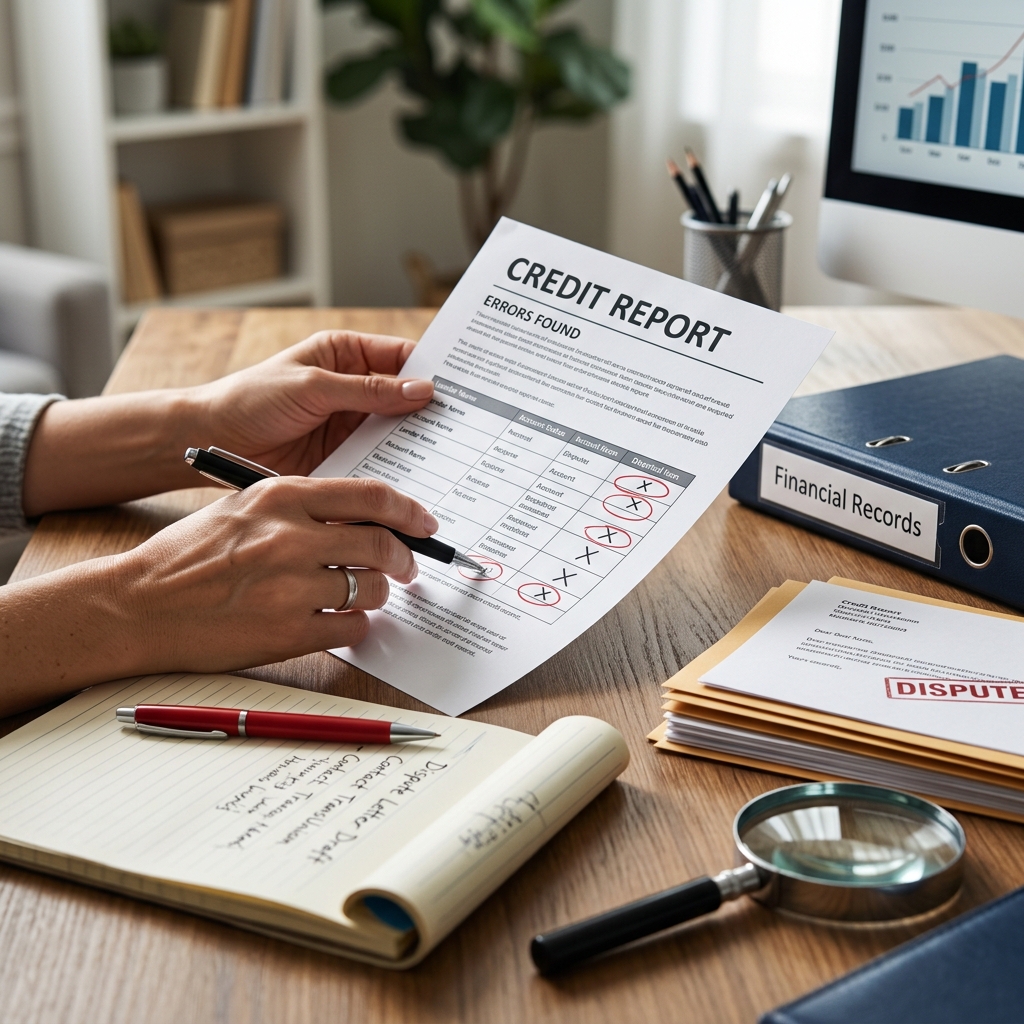
Your credit report is more than a list of accounts. It is a profile that lenders, landlords, insurers, and sometimes employers use to decide whether to trust you with money, housing, or opportunity. A major part of that profile is built from information supplied by entities known as credit furnishers. When those furnishers make mistakes, the impact on your life can be serious—but you also have powerful rights to correct the record.
This guide explains who furnishers are, how their reports influence your credit, what laws protect you, and how to respond when a furnisher reports inaccurate information about you.
Understanding Credit Furnishers and Their Role
Credit furnishers are businesses and organizations that send information about your credit accounts and payment behavior to credit reporting companies (often called credit bureaus or consumer reporting agencies). Examples include banks, credit card issuers, auto lenders, mortgage companies, collection agencies, and even some landlords and utilities.
Credit reporting agencies like Equifax, Experian, and TransUnion compile this data from many furnishers into individual credit reports, which are then used to generate credit scores.
What Furnishers Typically Report
While each furnisher may report slightly different information depending on the type of account, they commonly provide:
- Identifying details (name, address, Social Security number) so accounts link to the correct person
- Account type and status (credit card, auto loan, mortgage, collection account, open or closed)
- Credit limits or loan amounts and current balances
- Payment history, including on-time payments and late payments
- Past-due amounts, charge-offs, and collections activity
Not every creditor is required by law to report to the credit bureaus. Furnishing information is often voluntary, but once a company chooses to furnish data, it must follow federal rules about accuracy and how disputes are handled.
How Furnishers Affect Your Credit Score
The information furnishers send does not just sit in your file; it feeds directly into credit scoring models. Key scoring factors include:
- Payment history: Late or missed payments reported by furnishers can significantly lower your score.
- Amounts owed: High balances relative to your credit limits can hurt your score.
- Length of credit history: Longstanding accounts reported over many years may boost your score.
- New credit and inquiries: New accounts and hard inquiries originating from furnishers can have a smaller, but still meaningful, impact.
Because of this, a single inaccurate late payment or wrongly reported collection can change your credit score enough to affect whether you qualify for a loan or what interest rate you pay.
Common Furnisher Errors and Why They Matter
Even reputable creditors can make mistakes when reporting information. Errors can occur during data entry, when accounts are transferred, after identity theft, or when a furnisher fails to update outdated information. These inaccuracies may lead to credit denials, higher borrowing costs, or lost job opportunities.
Typical Mistakes Furnishers Make
Some of the most frequent problems include:
- Incorrect personal details – misspelled names, wrong addresses, or mixed files with another person’s information.
- Wrong payment status – payments reported late when they were on time, or accounts listed as past due after they were brought current.
- Accounts that do not belong to you – often linked to identity theft or file mixing.
- Outdated negative information – debts that should no longer appear because they are too old, but remain on your report.
- Duplicate accounts – the same debt listed multiple times, sometimes after a sale to a collection agency, exaggerating your debt load.
Under the Fair Credit Reporting Act (FCRA), furnishers that provide information to consumer reporting agencies must ensure that the information is accurate and complete, and must correct or delete inaccurate data.
Potential Consequences of Furnisher Errors
Even a seemingly small mistake can have practical consequences. Possible outcomes include:
- Denial of a mortgage, credit card, or auto loan
- Higher interest rates or less favorable loan terms
- Increased security deposits for utilities or cell phone services
- Rejection of rental housing applications
- Negative impact on employment opportunities where credit checks are used
Because of these stakes, federal law gives you clear rights to access your reports and dispute errors.
Your Legal Rights: FCRA and Related Protections
The Fair Credit Reporting Act (FCRA)
Key Rights Under Federal Law
Among other protections, the FCRA and related legislation provide that you have the right to:
- Obtain free credit reports from each of the three major credit bureaus at least once every 12 months through the official AnnualCreditReport.com system.
- Dispute inaccurate or incomplete information with both the credit reporting company and the furnisher.
- Have disputes investigated by both entities, usually within 30 days of receiving your dispute.
- Have unverifiable or incorrect data corrected or removed, and have those corrections sent to all relevant credit reporting agencies.
- Receive notice when negative information is reported by certain financial institutions.
Additionally, if you are denied credit or experience another adverse action based on a credit report, you are entitled to a notice explaining which credit reporting agency provided the report, and you may obtain a free copy of that report within a limited time.
Obligations of Furnishers When You Dispute
When you submit a dispute about information reported by a furnisher, that furnisher must:
- Conduct a reasonable investigation of your dispute within the required time frame, typically 30 days.
- Review all relevant information you provide and the data they previously supplied.
- Update, correct, or delete information that is incomplete or inaccurate, and notify all credit reporting agencies that received the incorrect data.
- Mark the information as “disputed” if they continue to report it while the dispute is unresolved.
If the furnisher concludes the information is accurate, it may continue to report it; however, you may ask the credit reporting company to include a statement of your dispute in your file so future report users see your side of the story.
Step-by-Step Plan to Fix Furnisher Errors
Correcting a furnisher’s mistake is often a process rather than a single action. The most effective strategy is to work with both the credit reporting agencies and the furnisher, and to create a clear paper trail.
Step 1: Get and Review Your Credit Reports
Start by requesting your reports from each major credit reporting company:
- Equifax
- Experian
- TransUnion
Under federal law, you can obtain at least one free report per year from each company through the centralized AnnualCreditReport.com system. Additional free reports may be available in certain circumstances, such as after being denied credit or during special programs.
Carefully review each report. Look for:
- Accounts you do not recognize
- Incorrect balances or credit limits
- Wrong payment statuses (e.g., reported late when paid on time)
- Duplicate entries for the same debt
- Personal information errors (name, address, Social Security number)
Step 2: Pinpoint the Furnisher Responsible for the Error
Each item on your report should list the company that provided the information. That is the furnisher you will need to contact. Common furnishers include:
- Your bank or credit card issuer
- Your mortgage or auto lender
- A collection agency
- Your landlord or a property management company
Make a list of each inaccurate item, the corresponding furnisher, and the credit reporting company that shows the error. If an error appears on more than one report, you will need to dispute it with each bureau that lists it.
Step 3: Gather Supporting Documentation
Evidence is critical for a successful dispute. Collect documents that support your position, such as:
- Account statements showing on-time payments
- Letters or emails from the creditor confirming changes
- Proof of identity and address, if needed (driver’s license, utility bill)
- Police report or identity theft affidavit, if the error is fraud-related
Keep originals for your records, and plan to send copies with your dispute letters. Organize everything by account so it is easy for an investigator to follow your explanation.
Step 4: Dispute with the Credit Reporting Companies
You should dispute errors directly with each credit reporting agency that displays the incorrect information. Although online disputes are available, many consumer advocates recommend putting disputes in writing so you have a solid record of what you sent and when.
A clear dispute letter typically includes:
- Your full name, address, and contact information
- A statement that you are disputing specific information on your credit report
- Identification of each item in question (e.g., account number, creditor name) and a brief explanation of what is wrong
- A request for correction or removal of the inaccurate information
- Copies of documents that support your position
- A copy of the credit report with the disputed items clearly marked
It is wise to send your dispute by mail using a trackable method and to keep copies of everything you send.
Step 5: Dispute Directly with the Furnisher
In addition to contacting the credit reporting companies, you also have the right to dispute inaccurate information directly with the furnisher itself. This can be especially important because:
- The furnisher is the original source of the data and can correct it at its origin.
- Once the furnisher updates its records, it must notify the credit reporting agencies of the change.
- A direct dispute may highlight errors that have not yet reached all the bureaus.
Your letter to the furnisher should cover similar information as your letter to the credit bureau: what is wrong, why, and what proof you have. Again, send copies of supporting documents and use a mailing method that provides confirmation of delivery.
Step 6: Track Deadlines and Outcomes
Once your dispute is received, both the credit reporting agency and the furnisher generally have 30 days to investigate and respond. During this period, they must review the information you provided and compare it with their records.
| Stage | Expected Time Frame | What Happens |
|---|---|---|
| Dispute submitted | Day 0 | You send letters to the bureau(s) and furnisher(s) |
| Investigation period | Up to ~30 days | Furnisher and bureau review information and evidence |
| Results issued | By about Day 30–45 | You receive notice of whether the information was changed or left as is |
If the investigation confirms the data was inaccurate or cannot be verified, the furnisher must correct or delete it and notify the credit reporting agencies, which must update your reports.
Step 7: Escalate if the Problem Is Not Resolved
Sometimes, even after you dispute, a furnisher may insist its information is accurate. If that happens, you still have options:
- Request a statement of dispute: Ask the credit reporting agency to add a brief statement to your file explaining that you disagree with the item and summarizing why.
- File a complaint with a regulator: You can submit a complaint to the Consumer Financial Protection Bureau (CFPB) or other relevant regulator outlining the issue.
- Consult a consumer law attorney: If the error is serious and not corrected, an attorney who focuses on credit reporting issues can evaluate whether additional remedies may be available under the FCRA or state law.
Proactive Habits to Avoid Long-Term Damage
Responding to errors after they appear is important, but you can reduce the risk of long-term harm by monitoring your reports and accounts consistently.
Monitor Your Credit Regularly
Federal law allows you to obtain free credit reports from each major bureau through the official AnnualCreditReport.com service. Reviewing your reports regularly can help you:
- Catch identity theft early
- Spot misapplied payments or account mix-ups
- Verify that closed accounts are reflected correctly
- Ensure old negative information falls off when it should
Consider setting a recurring reminder to request at least one report every few months, rotating among Equifax, Experian, and TransUnion.
Keep Your Own Paper Trail
Because disputes rely heavily on documentation, it is wise to save:
- Monthly account statements
- Payment confirmations and receipts
- Letters and emails from creditors or collection agencies
- Copies of any dispute letters you send, along with mailing receipts
If a furnisher later misreports your account, you will be better prepared to show exactly what happened and when.
FAQs About Furnishers and Credit Report Disputes
Do all creditors have to report to the credit bureaus?
No. Reporting is generally voluntary. However, once a company chooses to furnish information, it must comply with FCRA requirements on accuracy and dispute handling.
Should I dispute an error online or by mail?
Online dispute portals can be fast, but sending a detailed dispute letter by mail gives you a clearer paper trail and lets you fully explain your position and attach organized evidence. Many consumer advocates prefer written, mailed disputes for significant issues.
What if the furnisher says the information is correct but I still disagree?
You can request that the credit reporting agency include a statement of dispute in your file and with future reports. You can also file complaints with regulators and consider seeking legal advice if the inaccurate information continues to harm you.
How long can negative information stay on my report?
In most cases, negative information can be reported for up to seven years, and some types of bankruptcy information can appear for up to ten years, as long as the information is accurate. If negative entries remain past these limits, you can dispute their continued reporting.
Is it enough to dispute only with the credit bureau?
You are allowed to dispute directly with the credit bureau, but it is often more effective to also dispute with the furnisher that supplied the information. This increases the chances that the underlying data will be corrected at its source and that all credit reporting agencies will be notified of the change.
References
- Data Furnishers Explained: Their Role in Your Credit Report — Business Insider. 2022-08-22. https://www.businessinsider.com/personal-finance/credit-cards/credit-furnisher
- Disputing a Furnisher’s Error in Your Credit Report — Super Lawyers. 2023-05-01 (last updated, approximate). https://www.superlawyers.com/resources/consumer-law/how-furnishers-impact-your-credit-report-and-what-to-do-if-they-get-data-wrong/
- The Fair Credit Reporting Act (FCRA) — Electronic Privacy Information Center (EPIC). 2023-04-10. https://epic.org/fcra/
- Disputing Errors on Your Credit Reports — Federal Trade Commission (FTC). 2023-02-01. https://consumer.ftc.gov/articles/disputing-errors-your-credit-reports-0
- Credit Reporting — Office of the Comptroller of the Currency (OCC). 2022-09-15. https://www.occ.gov/topics/consumers-and-communities/consumer-protection/credit-reporting/index-credit-reporting.html
- Credit Reporting — National Association of Consumer Advocates (NACA). 2021-11-01. https://www.consumeradvocates.org/for-consumers/credit-reporting/
- What Are Credit Bureaus and How Do They Work? — Experian. 2023-06-05. https://www.experian.com/blogs/ask-experian/what-is-a-credit-bureau/
Similar Articles








Read full bio of Sneha Tete




