
Understanding Wage Laws in the United States
A practical guide to federal and state wage rules, minimum pay, overtime, and common protections for workers and employers.
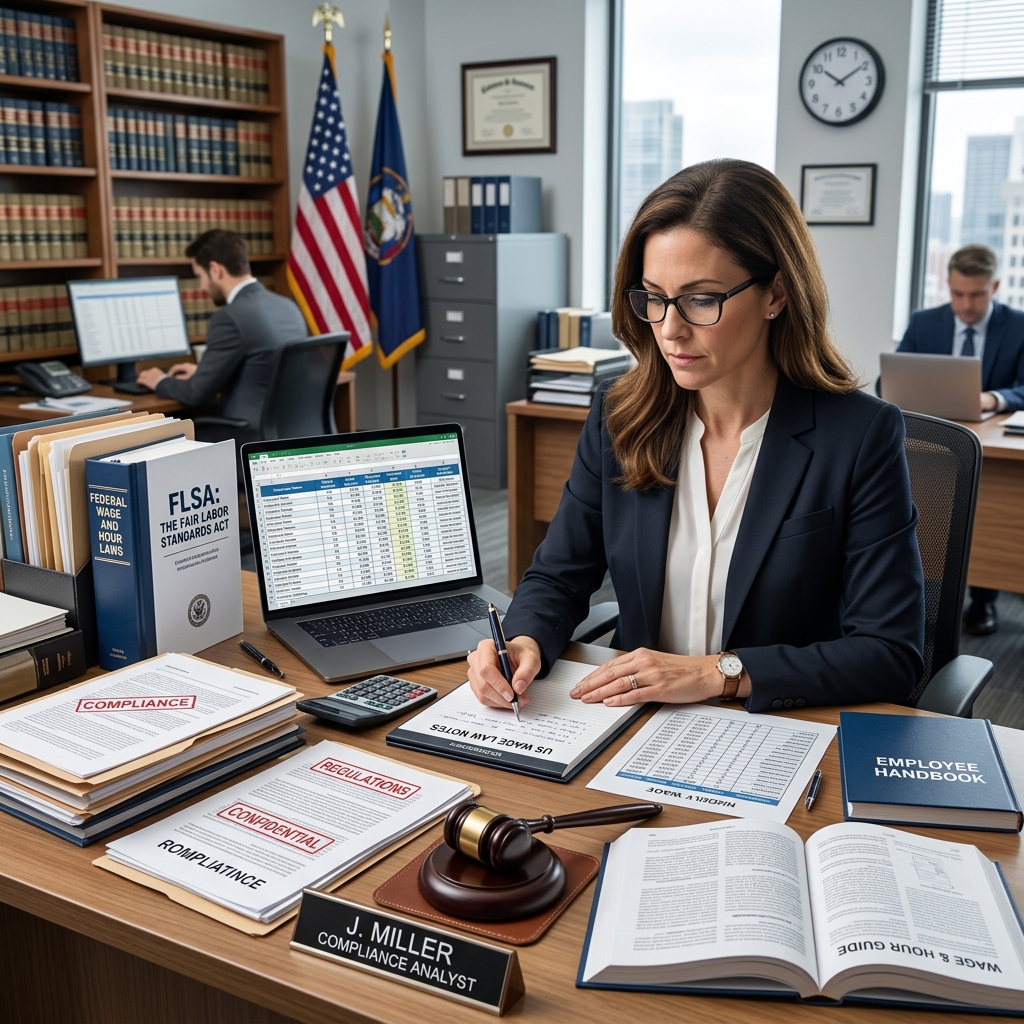
Wage laws in the United States are designed to ensure that workers receive fair pay for their labor and that employers follow consistent standards when setting and paying wages. These rules come from a combination of federal statutes, state and local laws, and regulations issued by government agencies. Understanding how these pieces fit together helps both workers and businesses avoid violations, resolve disputes, and plan responsibly.
Core Principles Behind Wage Regulation
The modern system of wage regulation in the U.S. largely comes from the Fair Labor Standards Act (FLSA)
At the same time, individual states and some cities or counties can adopt their own wage rules that are more protective than federal law. When federal and state rules differ, workers covered by both are generally entitled to the higher wage or more generous protection.
Federal Minimum Wage: The National Baseline
The federal minimum wage is the lowest hourly amount that covered employers may pay many non-exempt employees under federal law. The current federal minimum wage is $7.25 per hour for most workers, a rate that has been in effect since July 24, 2009.
How the Federal Minimum Wage Works
- Coverage: Most employees in the private sector and government are covered by the FLSA, especially if they work for businesses engaged in interstate commerce or meet certain revenue thresholds.
- Non-exempt status: Workers who are “non-exempt” from the FLSA are generally entitled to both minimum wage and overtime pay.
- Exempt categories: Some employees, often in executive, administrative, or professional roles, may be exempt from overtime requirements if they meet strict duties and salary tests.
Federal law prohibits employers from paying less than the minimum wage to covered non-exempt employees, even by agreement. Any unlawful underpayment can lead to back pay obligations, penalties, and enforcement actions.
State and Local Minimum Wages
While the FLSA sets a national floor, many states have chosen to adopt higher minimum wage standards. According to recent legislative summaries and official state data, the majority of states now set minimum wages above the federal level.
Variations Across States
Official data compiled by the U.S. Department of Labor shows a wide range of minimum wage rates among states and territories.
| State category | Minimum wage situation | Effect on workers |
|---|---|---|
| States with higher minimum wages | Most states set a minimum wage above $7.25 per hour. | Covered workers generally receive the state rate, which is higher than the federal minimum. |
| States with no state minimum wage | Some states, such as Alabama and South Carolina, do not have their own minimum wage statute. | Covered workers rely on the federal minimum wage of $7.25 per hour. |
| States with a lower statutory minimum wage | A few states list minimum wage rates below $7.25 per hour. | In those states, the federal minimum wage still applies to most covered employees, because federal law overrides lower state rates. |
Some local jurisdictions—such as certain cities or counties—also adopt their own minimum wage ordinances that exceed both federal and state levels. When this happens, employers must pay whichever lawful rate is highest among federal, state, and local rules for covered workers.
Overtime Pay and the 40-Hour Workweek
Beyond minimum wage, one of the most important protections in U.S. wage law is the requirement for overtime pay. The FLSA generally requires covered employers to pay at least time-and-a-half the employee’s regular rate of pay for all hours worked over 40 in a workweek.
Basic Overtime Requirements
- Standard threshold: Overtime pay is generally owed when a non-exempt employee works more than 40 hours in a single workweek.
- Rate of pay: The minimum overtime rate is one-and-one-half times the employee’s regular hourly rate.
- No automatic weekend premium: Federal law does not require extra pay solely for working weekends, holidays, or rest days unless the total hours exceed 40 in the workweek.
For example, an employee who earns $7.25 per hour and works overtime would be entitled to at least $10.88 per hour for overtime (calculated at 1.5 times $7.25). Employers must accurately track hours worked to ensure correct overtime calculations.
Exemptions and Special Cases
Some categories of workers are exempt from overtime requirements. These exemptions typically apply to employees in specific roles, such as certain executive, administrative, or professional positions, and rely on both job duties and salary level tests. Agricultural workers, for instance, may be excluded from overtime premiums under federal law, although larger farms must still pay at least the minimum wage.
Pay Deductions and Protecting Take-Home Wages
Wage laws do more than set minimum pay rates—they also limit how and when employers can reduce an employee’s pay. The FLSA and related regulations generally prohibit deductions that would bring an employee’s pay below the minimum wage or reduce overtime compensation.
Common Deduction Rules
- Minimum wage protection: Employers may not deduct amounts for items such as employer-required uniforms, tools, or workplace shortages if those deductions cause total pay to fall below minimum wage.
- Overtime protection: Deductions may not be used to lower the amount owed in overtime; overtime must be calculated on the full regular rate.
- Lawful deductions: Certain deductions permitted by law—such as required taxes or court-ordered wage garnishments—remain valid but must still comply with minimum wage protections.
Employers should clearly communicate any lawful deductions and review them periodically to ensure they do not violate wage laws. Workers who suspect unlawful deductions can contact labor authorities or seek legal advice.
Recordkeeping and Paydays
Accurate records and predictable paydays are central to enforcing wage protections. Federal law requires covered employers to keep detailed records of hours worked and wages paid. These records support compliance, audits, and resolution of disputes.
Required Records
- Hours worked: Employers must record the hours an employee works each day and total them for each workweek.
- Rate of pay: The regular hourly pay rate, overtime rate, and any piece-rate or commission structures should be documented.
- Personal and employment details: Basic identifying information such as employee name, address, date of birth (for younger workers), and occupation must be kept.
Payroll records generally must be retained for several years, and records used to compute wages, such as time cards or work schedules, should be preserved for set periods. The FLSA also requires that employees be paid on a regular, predetermined payday, and that final paychecks be issued no later than the first regular payday following the worker’s last day of employment.
How Different Wage Laws Interact
U.S. wage regulation is layered. Workers and employers often need to consider federal law, state statutes, and local ordinances simultaneously.
General Rules for Conflicts
- Federal floor: The federal minimum wage sets a baseline that applicable state and local laws may not undercut for covered workers.
- State and local enhancements: States and localities can adopt higher minimum wages or stricter overtime rules; when they do, the more protective rule applies.
- No duplication of lower standards: An employer cannot rely on a lower state rate when a higher federal or local rate applies to the worker.
For example, if a state sets a minimum wage at $10.00 per hour and the federal rate remains $7.25 per hour, covered employers in that state must pay at least $10.00. Conversely, in states without a minimum wage law, the federal rate governs most covered employment.
Enforcement and Worker Remedies
The U.S. Department of Labor’s Wage and Hour Division is primarily responsible for enforcing federal wage and hour laws, including the FLSA. Workers who believe they have been underpaid or denied required overtime can file complaints with the agency or pursue private legal action under certain circumstances.
Typical Enforcement Outcomes
- Back wages: Employers may be ordered to pay unpaid minimum wages or overtime due to workers.
- Civil penalties: Repeated or willful violations can lead to additional monetary penalties.
- Injunctions: Courts may issue orders requiring employers to comply with wage laws and adjust their practices.
State labor departments and local agencies may also enforce their own wage rules, giving workers multiple avenues to seek relief. Employers can reduce risk by reviewing wage policies regularly and consulting official guidance when laws change.
Practical Tips for Workers and Employers
For Workers
- Keep personal records of hours worked, including overtime.
- Review pay stubs for hourly rates, overtime, and deductions.
- Compare your wages to applicable federal, state, and local minimum wage levels.
- Contact trusted legal or government resources if you suspect violations.
For Employers
- Confirm which federal, state, and local wage rules apply to your workforce.
- Ensure payroll systems correctly calculate overtime and respect minimum wage requirements.
- Train managers and supervisors on basic wage and hour obligations.
- Maintain accurate time and pay records and schedule periodic compliance audits.
Frequently Asked Questions (FAQs)
1. What is the current federal minimum wage?
The current federal minimum wage is $7.25 per hour for many non-exempt workers, as established by the FLSA and in effect since July 24, 2009.
2. Do states have to follow the federal minimum wage?
States cannot set a lower binding wage for covered workers than the federal minimum. They may, however, adopt higher minimum wages. When both state and federal laws apply, workers are entitled to the higher of the two rates.
3. When is overtime pay required?
Under federal law, most non-exempt employees must receive overtime pay at least equal to 1.5 times their regular rate of pay for hours worked over 40 in a workweek.
4. Are employers required to pay extra for weekends and holidays?
Federal law does not require premium pay specifically for working weekends or holidays, unless the worker’s total hours exceed 40 in the workweek, in which case overtime rules apply. Some employers or union contracts may voluntarily provide additional premium pay.
5. What should I do if I think my wages are too low?
First, compare your pay to the federal minimum wage and any higher state or local rates where you work. If you believe you are being underpaid or denied required overtime, you can contact the U.S. Department of Labor, your state labor department, or seek independent legal advice.
References
- Summary of the Major Laws of the Department of Labor — U.S. Department of Labor. 2024-01-10. https://www.dol.gov/general/aboutdol/majorlaws
- State Minimum Wage Laws — U.S. Department of Labor, Wage and Hour Division. 2024-01-01. https://www.dol.gov/agencies/whd/minimum-wage/state
- State Minimum Wages — National Conference of State Legislatures. 2025-01-16. https://www.ncsl.org/labor-and-employment/state-minimum-wages
- Minimum Wage — Legal Information Institute, Cornell Law School. 2023-06-01. https://www.law.cornell.edu/wex/minimum_wage
- United States Labor Law — Cornell Law School (summary based on federal statutes). 2022-11-15. https://www.law.cornell.edu/wex/employment_law
- Labor Laws and Worker Protection — USA.gov. 2023-08-20. https://www.usa.gov/labor-laws
- Federal Labor Laws — The Complete Guide for 2026 — Employer Pass. 2026-01-05. https://www.employerpass.com/employer-insights/federal-labor-laws
Similar Articles








Read full bio of Sneha Tete




