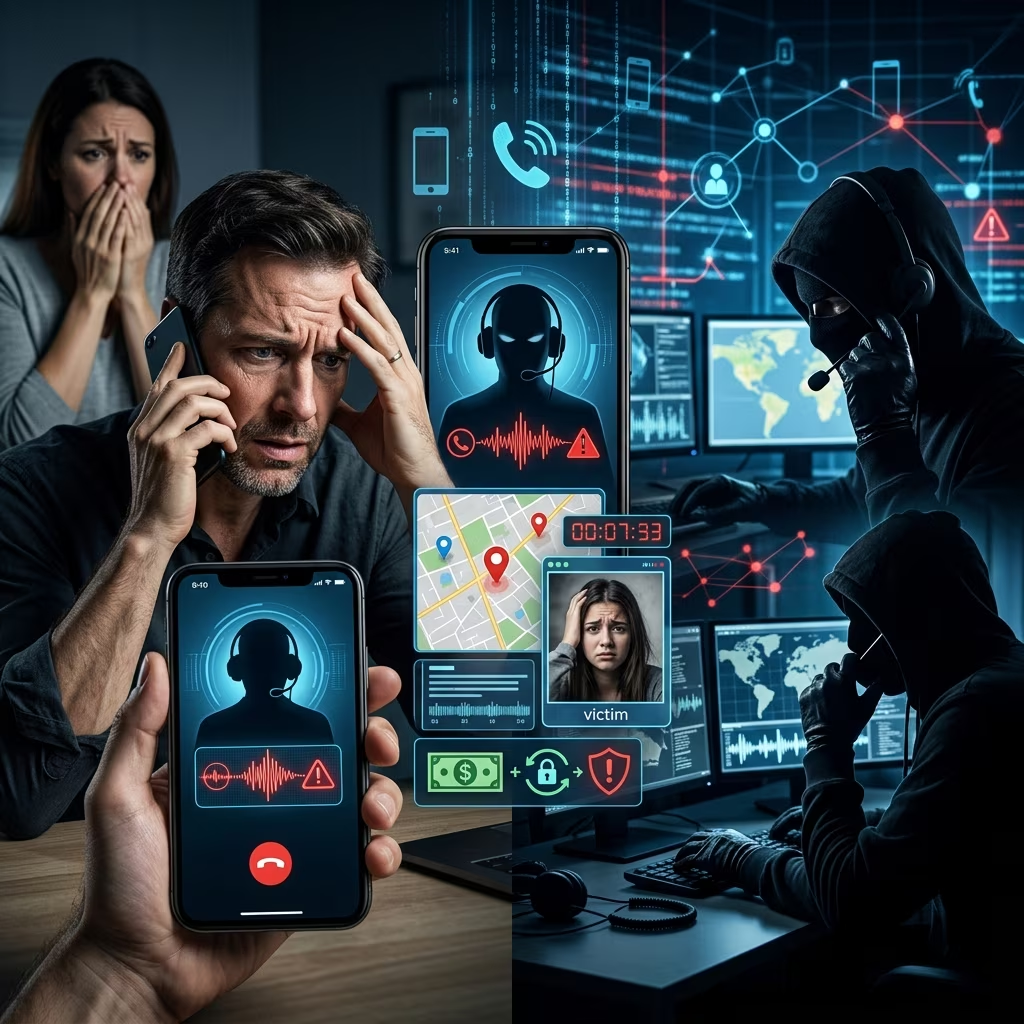
Virtual kidnapping phone scams are a dangerous form of extortion in which criminals falsely claim to have abducted a loved one and demand immediate payment. Rather than physically kidnapping anyone, these scammers rely on fear, urgency, and convincing details to pressure victims into sending money quickly.
Law enforcement agencies, including the FBI, have warned the public about a growing number of these schemes, noting that thousands of victims have collectively lost tens of millions of dollars to extortion scams in recent years. Authorities stress that awareness and rapid critical thinking are key to avoiding becoming a victim.
What Is a Virtual Kidnapping Scam?
A virtual kidnapping scam occurs when a criminal contacts someone and falsely claims to have kidnapped that person’s relative or friend. The scammer typically demands money—often through wire transfer or digital payment—while insisting that the victim not hang up or contact law enforcement.
Instead of actually abducting someone, the criminal relies on psychological manipulation. They may:
- Use a convincing story about where and why the supposed kidnapping occurred.
- Play screaming or crying sounds in the background to make the threat appear real.
- Refer to details gathered from social media or public records to make the call sound personalized.
The goal is to create maximum fear in a short period of time so the victim sends money before verifying whether the loved one is truly in danger.
How Scammers Typically Operate
Although every scheme is slightly different, virtual kidnapping scams often follow a recognizable pattern. Understanding this pattern can help you respond more safely if you ever receive a suspicious call.
Step-by-Step Pattern of a Typical Scam
| Stage | What Scammers Do | What Victims Often Experience |
|---|---|---|
| Initial Contact | Call or text using spoofed or unknown numbers; claim to be kidnappers. | Surprise, confusion, immediate fear. |
| Establishing Credibility | Provide details about the supposed victim (name, school, workplace) taken from social media. | Victim believes the caller knows the family, feels the threat might be real. |
| Emotional Manipulation | Use crying recordings or staged voices, threaten violence if instructions are not followed. | Overwhelming fear, difficulty thinking clearly. |
| Urgent Ransom Demand | Demand immediate payment via wire transfer or digital methods; insist victim must stay on the line. | Victim feels intense pressure to pay quickly to “save” the loved one. |
| Preventing Verification | Order victim not to contact anyone, including the supposed victim or police. | Victim focuses on following instructions, not checking whether the threat is real. |
| Payment and Disappearance | Once money is sent, scammers cut off contact; funds are quickly moved and often difficult to recover. | Victim later learns no kidnapping occurred; emotional and financial harm remains. |
Tools and Tactics Used
Modern technology makes it easier for scammers to appear credible. Law enforcement has documented several common tools used in virtual kidnapping schemes:
- Caller ID spoofing: Criminals can manipulate caller ID to make it look like the call comes from a trusted number, such as a local area code or even a known contact.
- Social media research: Names, photos, school information, travel plans, and family relationships posted online are mined to create realistic stories.
- Altered images: In some cases, scammers alter publicly available photos to fabricate so-called “proof of life” images.
- Pre-recorded audio: Audio clips of screaming or crying are played to heighten emotional distress.
- Untraceable payment methods: Wire transfers, prepaid cards, and certain digital payment platforms are commonly used, making it difficult to recover funds.
Why These Scams Are So Effective
Virtual kidnapping schemes work because they target human emotions. The threat of harm to a loved one instantly triggers fear, urgency, and a desire to protect. At that moment, people are less likely to question whether the story is plausible.
Psychological Pressure and Fear
According to law enforcement reports, scammers intentionally keep victims on the phone to maintain high anxiety and prevent rational decision-making. They speak quickly, repeat threats, and insist that every second counts. This combination of fear and time pressure is designed to override skepticism.
Victims often report that they paid the ransom because they believed it was the only way to stop immediate physical harm, even when some details did not fully make sense.
The Role of Social Media
The FBI has warned that criminals frequently rely on publicly posted photos and personal information to tailor their threats. When scammers know the names of family members, schools, workplaces, or travel plans, they can present a scenario that feels plausible in the moment.
Photos posted online may even be edited to serve as false evidence that a loved one is being held, a tactic that adds another layer of perceived credibility for victims who already feel panicked.
Common Warning Signs of a Virtual Kidnapping Scam
While each case is different, many virtual kidnapping calls share recognizable warning signs. If you experience several of the following at once, you may be dealing with a scam:
- Unknown or suspicious phone number, often with an area code from outside your region.
- Caller claims to have abducted a family member or friend but refuses to allow them to speak clearly on the call.
- Intense pressure to stay on the phone and follow instructions without pause.
- Demands for immediate payment via wire transfer, prepaid cards, or cryptocurrency.
- Instructions not to contact law enforcement or anyone else.
- Threats become more aggressive if you ask questions or attempt to verify the situation.
- Details about the supposed kidnapping are vague or inconsistent when you ask follow-up questions.
Practical Steps to Protect Yourself and Your Family
Prevention involves both limiting the information scammers can use and planning how you will react if you receive a suspicious call. The following steps align with guidance from law enforcement agencies warning about virtual kidnapping schemes.
Reduce Your Exposure Online
- Review privacy settings on social media and restrict who can see posts that contain personal details.
- Avoid sharing real-time location information, travel plans, or schedules.
- Limit public photos that clearly show children, schools, workplaces, or home addresses.
- Be cautious about posting missing-person information or other sensitive updates; scammers may exploit such posts.
Create a Family Verification Plan
Ahead of time, discuss with close relatives what everyone should do if they receive a kidnapping-related call or text.
- Establish a code word: Choose a word or phrase known only to close family members that can be used to quickly confirm identity over the phone.
- Agree on contact procedures: Decide who will attempt to reach the supposed victim and who will contact law enforcement.
- Practice scenarios: Having a mental script can help you respond more calmly if you ever face a real or fake emergency.
What to Do During a Suspicious Call
If you receive a call claiming that a loved one has been kidnapped, try to remain as calm as possible and consider the following steps:
- Ask the caller to let you speak directly with the supposed victim and request information only they would know.
- Quietly attempt to reach the loved one through another phone, text, or messaging app.
- Listen carefully to the background noises and details; does the story make sense given where your loved one should be?
- Do not provide personal information that the caller does not already have.
- If you suspect a scam, end the call and contact law enforcement for guidance.
If You Have Been Targeted or Victimized
Reporting virtual kidnapping attempts and completed scams helps law enforcement track patterns and potentially identify perpetrators. The FBI encourages victims to report incidents through its Internet Crime Complaint Center (IC3).
Information to Document
Whether or not you paid money, try to preserve as much information as possible for investigators.
- Phone numbers used by the callers, including any numbers mentioned in texts.
- Dates and times of calls and messages.
- Methods of payment requested and any transactions made.
- Audio recordings or screenshots of calls, texts, or images provided as “proof of life.”
- Names, phrases, or locations mentioned by the scammer.
Reporting the Incident
Victims in the United States can submit complaints online to the FBI’s IC3 and may also contact local law enforcement for immediate assistance. When filing a report, include all documented information and describe the sequence of events and any financial loss.
Even if you recognize the scam before paying, reporting attempted extortion provides valuable data for ongoing investigations and public safety efforts.
Frequently Asked Questions (FAQs)
Are virtual kidnapping scams common?
Extortion scams, including virtual kidnapping, have affected tens of thousands of victims and resulted in tens of millions of dollars in reported losses in recent years. While not every extortion case involves a kidnapping claim, law enforcement considers virtual kidnapping significant enough to issue repeated public warnings.
Do scammers usually know my loved one personally?
In many documented cases, scammers do not personally know the victim or their family. Instead, they rely on names, relationships, and photos gathered from social media to give the impression of familiarity. This means people with highly visible online profiles may be more easily targeted, even by strangers in other countries.
What is the safest way to respond if I suspect a scam?
If you suspect the call is fraudulent, your priority is to verify your loved one’s safety while minimizing engagement with the scammer. Try to contact the supposed victim through another channel, reach out to law enforcement, and avoid sending money. When possible, document the call details before ending the conversation.
Can I get my money back if I paid a ransom?
Recovering funds sent to scammers is often difficult because money is usually moved quickly through multiple accounts or converted into other forms of value. However, it is still important to report the incident promptly to both law enforcement and your financial institution, which may be able to take limited protective actions.
How can I help protect vulnerable relatives?
Older adults, people who are not comfortable with technology, and those living alone may be especially vulnerable. Share information about virtual kidnapping scams with them, encourage them to hang up on suspicious calls, establish family code words, and make sure they know how to reach you or other trusted contacts quickly.
Key Takeaways for Staying Safe
Virtual kidnapping scams exploit fear and the instinct to protect loved ones. By understanding how these schemes operate, limiting the information available to criminals, and planning how to respond, you can reduce your risk dramatically.
- Be cautious about the personal details you share publicly online.
- Recognize the common warning signs of virtual kidnapping calls.
- Establish family code words and verification plans before a crisis occurs.
- Do not rush into sending money; attempt to verify the situation and contact law enforcement.
- Report both successful and attempted scams to appropriate authorities to support broader prevention efforts.
References
- FBI warns of ‘virtual kidnapping’ scam — CBS News (video). 2018-02-21. https://www.youtube.com/watch?v=Tn8xDLGoPuE
- FBI Warns Of Growing Number Of ‘Virtual Kidnapping’ Scams — NBC News (Nightly News). 2016-04-05. https://www.youtube.com/watch?v=hrmhJZnYCMs
- The FBI is warning the public about criminals altering photos found on social media or other sites — FBI (Facebook post). 2017-11-03. https://www.facebook.com/FBI/posts/1264926549014242
- The FBI is warning the public about criminals altering photos for virtual kidnapping scams — FBI (Instagram post). 2017-11-03. https://www.instagram.com/p/DR5DLHykpPD/
- Virtual Kidnapping Phone Scam Happening in New Mexico, FBI Warns — FindLaw Legal Blogs. 2016-04-11. https://www.findlaw.com/legalblogs/consumer-protection/virtual-kidnapping-phone-scam-happening-in-new-mexico-fbi-warns