
Understanding Cyberstalking: Law, Risks and Protection
A practical guide to recognizing cyberstalking, its legal consequences, and how to protect yourself from online harassment.
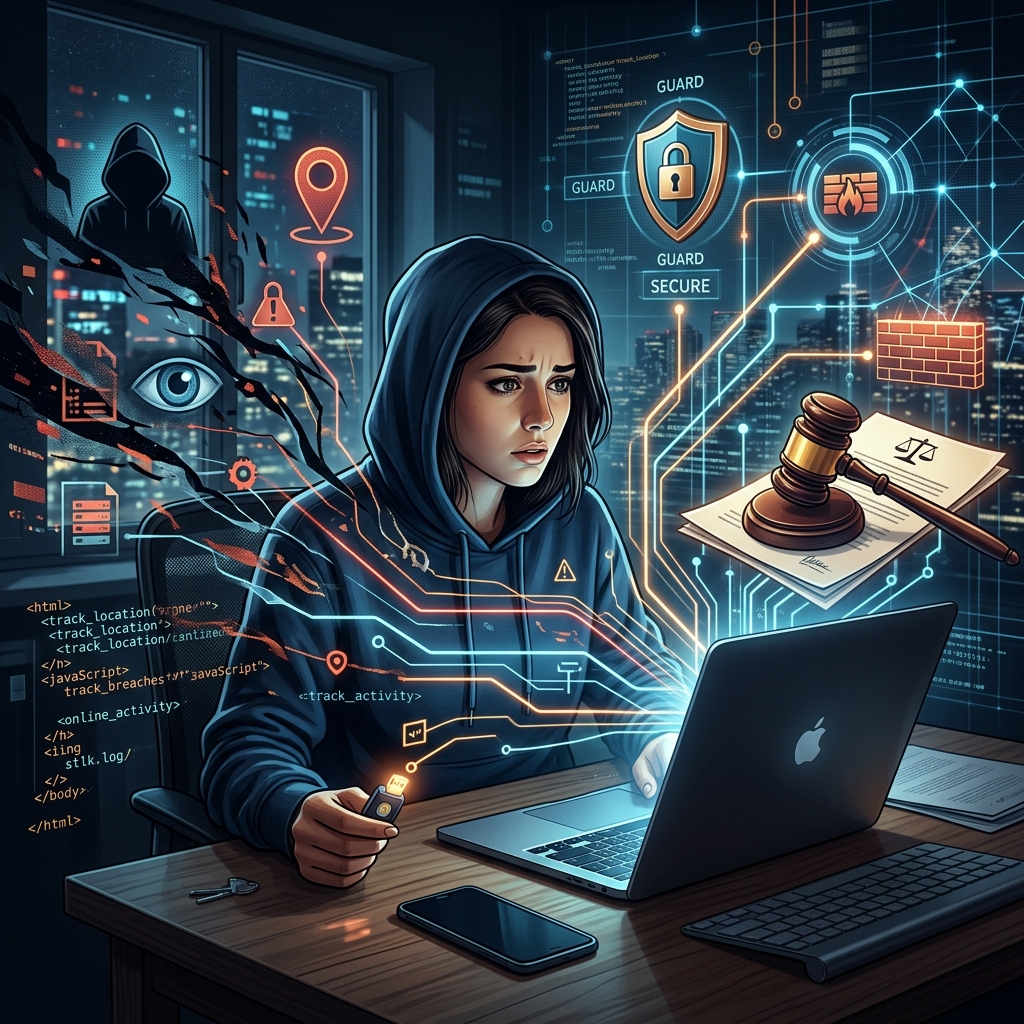
Cyberstalking is a form of persistent, unwanted digital harassment that can seriously impact a person’s safety, privacy, and mental health. While online conflict and rude comments are common, cyberstalking goes further: it involves repeated actions that make someone feel threatened, monitored or controlled through technology. This article explains what cyberstalking is, how it differs from other online abuse, how laws treat it, and practical steps you can take to respond and protect yourself.
From Traditional Stalking to Cyberstalking
Stalking historically referred to repeated, unwanted contact or surveillance that causes a reasonable person to feel fear or severe distress. With the spread of the internet, smartphones and social media, those behaviors increasingly occur online, leading lawmakers and courts to recognize cyberstalking as a modern variant of stalking.
- Traditional stalking often involves physical following, appearing at a person’s home or workplace, or leaving unwanted items or notes.
- Cyberstalking replaces or extends those behaviors into digital spaces, using emails, messages, social media, forums, apps, or other online tools.
Both forms share key elements: repetition, lack of consent, and a pattern that causes fear, intimidation, or severe discomfort. What changes in the cyber context is the speed, reach, and relative anonymity of the behavior, which can intensify the harm.
What Counts as Cyberstalking?
There is no single global legal definition of cyberstalking, but most descriptions focus on ongoing, targeted harassment or surveillance conducted via the internet or other communication technologies. In plain terms, cyberstalking typically includes:
- Repeated messages or contacts that continue after you clearly ask the person to stop.
- Monitoring your online activity, profiles or check-ins to track where you are or who you interact with.
- Using social media or digital tools to threaten, intimidate, or coerce you.
- Gathering or posting personal information (such as addresses, phone numbers, or workplace details) to create fear or invite others to harass you.
- Breaking into accounts or devices to read private communications or install tracking tools.
The core idea is that the conduct is repeated, unwanted, and reasonably frightening or distressing, rather than a one-off rude comment or disagreement.
Examples of Common Cyberstalking Behaviors
Cyberstalking can look very different depending on the situation, but many cases include one or more of the following behaviors:
- Message bombardment: Sending dozens or hundreds of emails, texts, or direct messages, sometimes at all hours, including insults, accusations, or threats.
- Account compromise: Illegally accessing someone’s email or social media, impersonating them, or reading their private messages.
- Location tracking: Pressuring someone to share their location or using apps, posts, or check-ins to follow their movements.
- Public shaming and smears: Posting false or deeply personal information about the victim on forums, social networks, or comment sections to damage reputation.
- Sign-ups and spam attacks: Registering someone’s email or number on numerous sites so they receive unwanted messages or spam.
- Sexualized harassment: Sending explicit messages or images, threatening to distribute intimate photos, or demanding sexual contact while refusing to stop.
Sometimes cyberstalking happens entirely online; other times it is closely connected to in‑person stalking or domestic abuse. When digital harassment is part of a broader pattern of control, it may be treated as a serious criminal offense.
Cyberstalking vs. Cyberbullying and Other Online Abuse
Cyberstalking sits within a wider group of harmful online behaviors, including cyberbullying, online hate, and digital harassment. Understanding the differences can help you describe what is happening and seek appropriate help.
| Behavior | Typical Context | Key Features |
|---|---|---|
| Cyberstalking | Often adults, sometimes linked to intimate partner violence or personal disputes. | Persistent monitoring or contacting that causes fear or serious distress; may include threats, tracking, and account compromise. |
| Cyberbullying | Frequently among children and teenagers, sometimes within school communities. | Repeated online aggression, teasing, humiliation, or exclusion designed to hurt or embarrass another young person. |
| Online harassment | Any age; may occur in workplaces, fandoms, gaming or comment sections. | Insults, slurs or hostile messages that may be frequent but do not always involve systematic tracking or fear of physical harm. |
Many laws focus on the impact of the behavior rather than the label. If repeated contact or surveillance makes you feel unsafe, it may fit a legal definition of stalking, even if the person calls it a “joke” or “venting.”
Key Legal Elements: When Does Cyberstalking Become a Crime?
Legal approaches differ across countries and states, but several common elements often appear in stalking and cyberstalking statutes:
- Repetition or pattern: One message rarely qualifies. Laws typically require a course of conduct over time.
- Intent or knowledge: In many jurisdictions, the person must know (or reasonably should know) that their actions cause fear or distress.
- Impact on the victim: Laws often ask whether a reasonable person in the victim’s position would feel frightened, threatened, or seriously bothered.
- Use of technology: Modern statutes explicitly mention electronic communications, social networks, and other digital tools.
Because cyberstalking may also involve other criminal acts, such as identity theft, hacking, or threats of violence, prosecutors sometimes combine stalking charges with computer crime or harassment laws.
Potential Legal Consequences
Depending on the jurisdiction and severity of the conduct, cyberstalking can lead to:
- Criminal charges, fines, and possible jail time.
- Restraining or protective orders requiring the person to stop contacting or monitoring the victim.
- Civil lawsuits seeking damages for emotional distress, reputational harm, or financial loss.
These consequences usually depend on evidence. Keeping records of messages, posts, and other digital traces is therefore important if you decide to involve law enforcement or legal counsel.
Impact of Cyberstalking on Victims
Cyberstalking may feel less visible than being followed in the street, but its effects can be just as serious. Research on cyberbullying and online harassment shows that ongoing digital abuse can lead to anxiety, depression, feelings of helplessness, and disruptions in work, school, or social life.
Common impacts include:
- Emotional distress: Fear, anger, shame, or constant worry about the next message or incident.
- Sleep and concentration problems: Stress may make it hard to rest or focus on daily tasks.
- Social withdrawal: Victims may avoid online spaces or real-world activities to escape monitoring or harassment.
- Safety concerns: If the stalker knows personal details or makes threats, victims may fear physical harm.
Children and teenagers can be particularly vulnerable. Guidance from youth-focused organizations emphasizes the importance of open conversation and support from adults when a young person experiences digital harassment.
Practical Steps if You Are Being Cyberstalked
If you believe you are being cyberstalked, you are not powerless. While each situation is unique, several practical steps can help you manage risk and document what is happening.
Immediate Digital Safety Measures
- Stop direct engagement: Avoid responding to threatening or harassing messages. Answers can escalate the behavior or be used against you later.
- Adjust privacy settings: Tighten privacy on social networks, limit who can view your posts, and restrict who can send you messages or friend requests.
- Block or mute accounts: Use platform tools to block the person’s profiles, phone numbers, or email addresses.
- Review connected apps: Check which apps have access to your location or social accounts and remove unnecessary permissions.
Collect and Preserve Evidence
Accurate records are crucial if you choose to report cyberstalking to a platform or to authorities.
- Save messages and posts: Take screenshots and keep copies of emails, texts, and social media posts that show the pattern of harassment.
- Note dates and times: Maintain a simple log of incidents, including when they occurred and on which platform.
- Avoid deleting your account immediately: Closing profiles can sometimes disrupt evidence collection. Consider changing privacy settings and passwords first.
Report the Behavior
- Use platform reporting tools: Most major services allow you to report threatening or harassing content and request its removal.
- Contact local authorities: If you feel unsafe or are being threatened, consider contacting the police or relevant law enforcement agency. Bring your evidence log and screenshots.
- Seek legal advice: A lawyer familiar with digital law can explain available remedies, such as restraining orders or civil claims.
Look After Your Emotional Well‑Being
- Talk to someone you trust: Sharing what is happening with a friend, family member, or colleague can reduce isolation and help you think through options.
- Reach out to professionals: Counselors or mental health professionals can offer strategies for managing anxiety and stress related to cyberstalking.
- Take breaks from devices: Short, planned breaks from social media or messaging can help you regain a sense of control.
Preventive Strategies: Reducing Your Exposure
No one can fully prevent others from misusing technology, but you can take proactive steps to reduce how much information is available and to make it harder for someone to monitor or impersonate you.
- Limit personal information online: Think carefully before sharing addresses, phone numbers, daily schedules, or travel plans publicly.
- Use strong, unique passwords: This reduces the risk of account compromise and unauthorized access.
- Enable two‑factor authentication: Extra login verification can help protect accounts even if a password is stolen.
- Review friend and follower lists: Remove unknown or suspicious accounts, and be cautious about accepting new requests.
- Regularly check privacy and security settings: Platforms update their tools; periodic checks ensure your protections remain effective.
Frequently Asked Questions About Cyberstalking
Is one threatening message considered cyberstalking?
A single threatening message can be serious and may violate platform rules or local laws, especially if it includes credible threats of harm. However, cyberstalking usually refers to a repeated pattern of behavior that causes ongoing fear or distress. Still, you should consider documenting and reporting any threat that makes you feel unsafe.
Does cyberstalking always involve physical danger?
Not always. Some cyberstalking cases stay entirely online, focused on monitoring or reputation attacks. Others are tied to offline abuse or domestic violence. The risk of physical danger increases when the stalker knows or reveals personal details such as your home or work address, or explicitly threatens violence.
Can strangers cyberstalk, or is it usually someone the victim knows?
Cyberstalking can be carried out by either strangers or people the victim knows. In many cases, the person is a former partner, acquaintance, or coworker who uses online tools to maintain unwanted contact and control. In other cases, strangers may fixate on public figures or individuals they meet in gaming, forums, or social media communities.
Is cyberstalking treated differently for minors?
When minors are involved, behaviors may also fall under cyberbullying or child protection laws. Schools and child-focused agencies often have specific policies and procedures for responding to online harassment between students, and parents or guardians are encouraged to be involved in reporting and support.
What should I do if someone is cyberstalking my child?
Experts recommend that parents first listen and reassure the child that they are not to blame, then help them step away from the device, preserve evidence, and block the aggressor. It can be helpful to contact the child’s school if peers are involved, and to report the behavior to the relevant platform and, where appropriate, to law enforcement.
Final Thoughts
Cyberstalking is more than an online annoyance: it can be a serious violation of privacy and safety, and in many jurisdictions it is recognized as a crime. Understanding the behaviors that fall under cyberstalking, the legal concepts involved, and the practical steps you can take to respond can help you regain control if you or someone you know is affected. Never hesitate to seek support—from trusted people, professionals, platforms, or authorities—when digital harassment becomes persistent or frightening.
References
- Ciberacoso — Wikipedia (background source, cited via its references). 2024-01-10. https://es.wikipedia.org/wiki/Ciberacoso
- El Ciberacoso — Asociación Stop Violencia de Género Digital. 2022-05-01. https://stopviolenciadegenerodigital.com/el-ciberacoso/
- ¿Qué es el ciberacoso? — Understood.org. 2023-03-15. https://www.understood.org/es-mx/articles/que-es-el-ciberacoso
- Ciberacoso: causas, riesgos y cómo evitarlo — McAfee. 2023-09-20. https://www.mcafee.com/learn/es/ciberacoso/
- ciberacoso | Definición — Real Academia Española. 2020-07-08. https://dle.rae.es/ciberacoso
- ¿Qué es el ciberacoso? — Secretaría de Educación Pública (video via YouTube). 2022-04-01. https://www.youtube.com/watch?v=IpgKJy_psi8
Similar Articles








Read full bio of Sneha Tete


