
Tenant Rights During Foreclosure: Essential Guide
Protect your home and finances when your rental faces foreclosure with proven strategies and legal protections.
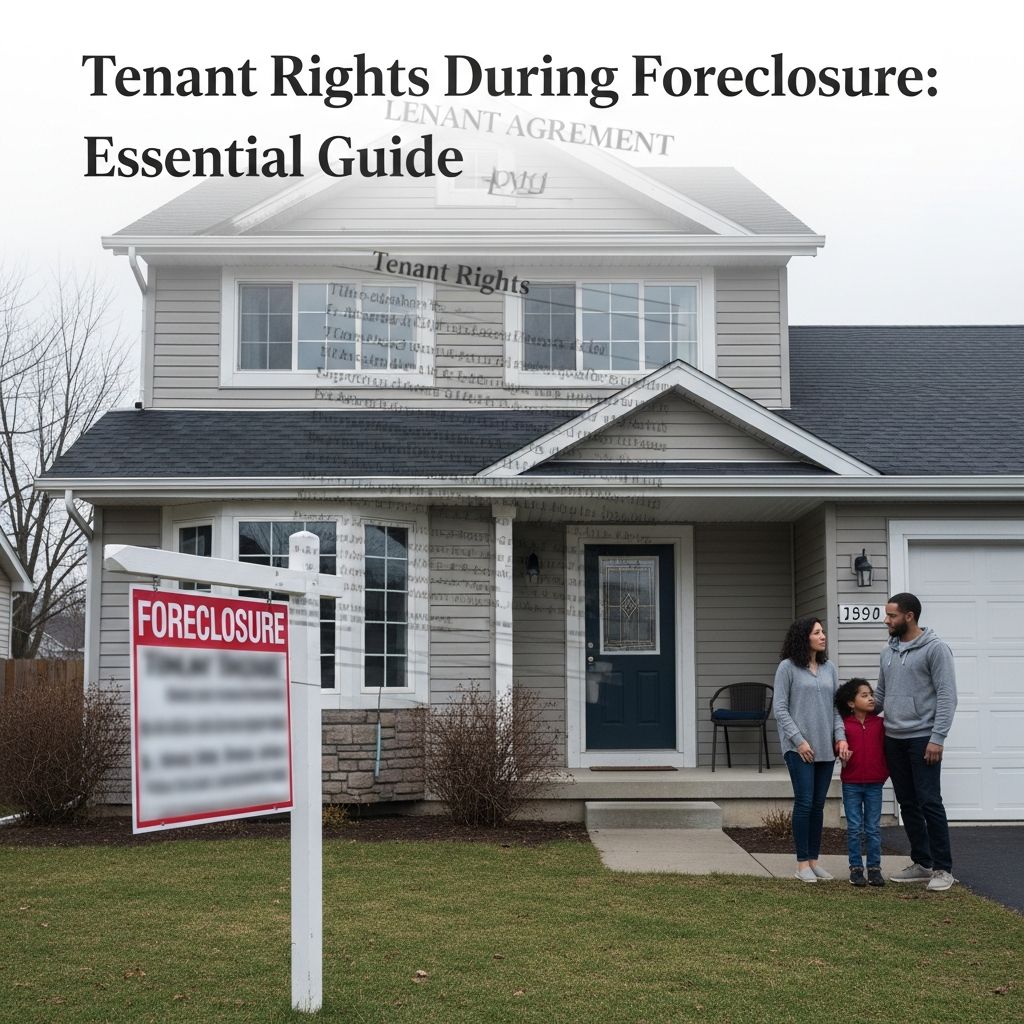
When the property you rent enters foreclosure, uncertainty can quickly turn into stress. As a tenant, you have specific legal protections under federal and state laws that safeguard your right to stay, receive proper notices, and avoid exploitation. This comprehensive guide outlines actionable steps to navigate this challenging situation, drawing from official guidelines to help you maintain stability.
Understanding Foreclosure and Its Impact on Renters
Foreclosure occurs when a landlord defaults on their mortgage, leading the lender to reclaim the property. For tenants, this doesn’t automatically mean immediate eviction. The Protecting Tenants at Foreclosure Act (PTFA), extended through various federal measures, ensures bona fide tenants can remain until their lease expires or with adequate notice. In pre-foreclosure stages, your landlord remains responsible for maintenance and utilities, but post-sale, the new owner assumes these duties.
Key stages include pre-foreclosure (notice of default), auction, and post-foreclosure occupancy. Rights vary by state; for instance, California mandates 90-day notices for month-to-month tenants in foreclosed homes. Always verify your local laws through county recorder offices.
Immediate Actions: Detecting and Responding to Foreclosure Notices
The first sign is often a notice posted on the property or mailed to the address. Do not ignore these—contact the issuer immediately to confirm your tenant status. Simultaneously, notify your landlord in writing and request updates.
- Document everything: Keep records of all communications, photos of notices, and dates.
- Check public records: Visit your county recorder’s office or website to track the foreclosure status, distinguishing pre- from post-foreclosure.
- Avoid verbal assurances: Landlords may claim the issue is resolved; independently verify with official sources.
If you’re a Section 8 voucher holder, reach out to your local housing authority right away, as foreclosures rarely constitute ‘good cause’ for termination.
Navigating Rent Payments: Who Gets Your Money?
Confusion over rent is common. During pre-foreclosure, pay your landlord as per your lease. Post-foreclosure, direct payments to the new owner only after verifying ownership with documents like the deed or trustee’s sale record.
| Scenario | Pay To | Verification Needed |
|---|---|---|
| Pre-Foreclosure | Landlord | Lease agreement |
| Post-Foreclosure, Lease Intact | New Owner | Deed proof |
| No Lease, Month-to-Month | New Owner after Notice | 90-day notice (CA example) |
Never prepay rent at a landlord’s insistence if it violates your agreement. If maintenance lapses, consider self-help remedies like rent withholding, but consult legal aid first. Banks or new owners must honor existing leases unless they intend to occupy the property themselves.
Legal Protections: Federal and State Safeguards for Tenants
Federal law under the PTFA provides key defenses: bona fide tenants (those without ties to the foreclosed owner) get at least 90 days’ notice post-sale, or until lease end, whichever is later. States enhance this; California’s Tenant Protection Act requires just-cause eviction and extended notices.
In just-cause cities, foreclosure alone isn’t grounds for eviction. Long-term lessees may stay indefinitely if paying rent and complying with terms. HUD counselors can clarify options and mediate.
- Month-to-month: 90 days minimum notice.
- Fixed-term lease: Honored fully, barring owner-occupancy exceptions.
- Section 8: Enhanced protections against termination.
Eviction Defenses: Challenging Unlawful Actions
New owners must follow formal eviction processes—no self-help like changing locks. If harassed, demand written communication and report violations to agencies. Contest improper notices in court; tenants often prevail on procedural errors.
Police involvement may be needed for unauthorized entry (e.g., CA Civil Code 1954). Sue for damages if rights are violated. Public pressure tactics, like letters to banks copied to officials, can deter aggressive evictions.
Negotiation Strategies: Securing Cash for Keys and Beyond
Proactive negotiation preserves cash and eases transitions. Approach the new owner with a ‘cash for keys’ proposal: vacate voluntarily in exchange for moving costs (often $1,000–$5,000). Banks frequently agree to avoid court.
Draft a formal agreement specifying amounts, timelines, and property condition. If rejected, explore relocation assistance programs via HUD.
Avoiding Scams and Protecting Your Belongings
Scammers pose as owners demanding rent. Always demand proof of ownership before payments or access. Upon moving (typically 30–90 days post-sale), remove all items promptly to prevent loss.
- Verify contacts via public records.
- Ignore unsolicited ‘foreclosure rescue’ offers—use free HUD counseling instead.
- Secure renters insurance for added protection.
Seeking Professional Help: Legal Aid and Counseling Resources
Free assistance abounds. Contact HUD-approved counselors at (800) 569-4287 for negotiations and options. Legal aid societies offer eviction defense; in California, tenant hotlines provide intake. Private attorneys specialize in housing law—initial consults are often low-cost.
Organize community efforts: advocate for local just-cause ordinances to expand protections.
Frequently Asked Questions (FAQs)
Can I be evicted immediately after foreclosure?
No, federal law requires at least 90 days’ notice for bona fide tenants, with state extensions possible.
Who do I pay rent to after the sale?
The verified new owner; confirm with deed records before paying.
What if my landlord stops maintenance?
Report to code enforcement; consider withholding rent after legal advice.
Is cash for keys common?
Yes, many banks offer it to expedite vacancy.
How do Section 8 tenants fare?
Strong protections; contact housing authority immediately.
Long-Term Strategies: Building Community Protections
Beyond individual actions, push for policy changes. Urge city councils for just-cause laws, which 15 California cities have enacted, barring foreclosure evictions. Publicize stories via media to pressure banks. Boycott unethical institutions and support tenant unions.
(Word count: 1678)
References
- What should I do if the house or apartment I’m renting goes into foreclosure? — Consumer Financial Protection Bureau. 2023-05-15. https://www.consumerfinance.gov/ask-cfpb/what-should-i-do-if-the-house-or-apartment-im-renting-goes-into-foreclosure-en-1545/
- Action Guide for California Tenants in Foreclosure Situations — Tenants Together. 2022-08-10. https://www.tenantstogether.org/resources/action-guide-california-tenants-foreclosure-situations
- Avoiding Foreclosure — U.S. Department of Housing and Urban Development. 2024-01-22. http://www.hud.gov/helping-americans/avoiding-foreclosure
- Navigating Post-Foreclosure Evictions In California — Fortra Law. 2023-11-05. https://fortralaw.com/navigating-post-foreclosure-evictions-california/
- Tenants Caught in Foreclosure: Who Gets the Rent? — Nolo via Anthem EAP. 2021-06-18. https://www.anthemeap.com/sycamore-community-schools/find-legal-support/resources/renters-right/legal-assist/tenants-caught-in-foreclosure-who-gets-the-rent
- Protecting Tenants at Foreclosure — National Low Income Housing Coalition. 2014-01-01. https://nlihc.org/sites/default/files/2014AG-176.pdf
Similar Articles








Read full bio of Sneha Tete




