
Tenant Privacy And Repairs: What Tenants Need To Know In 2025
Understand when landlords may enter, how notice works, and what tenants can do when repairs are delayed.
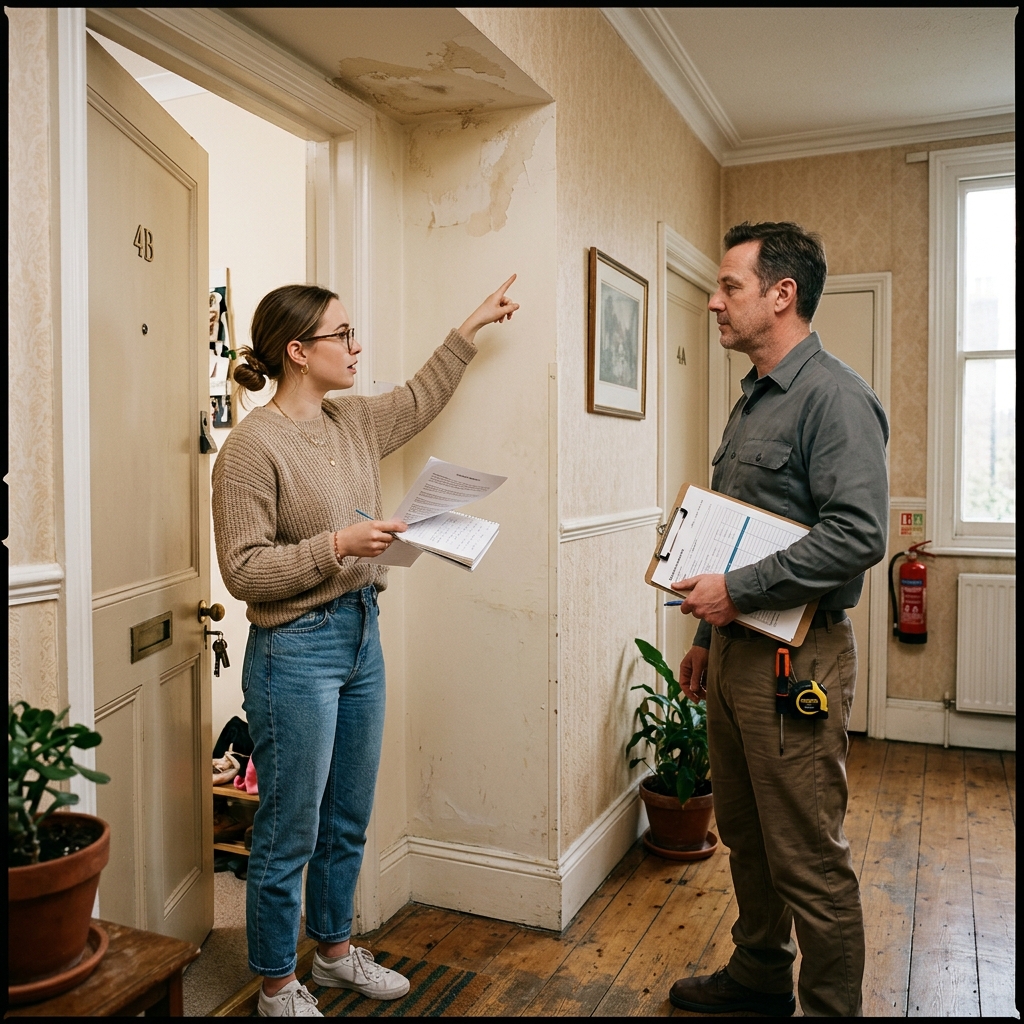
Renting a home does not mean giving up privacy. Tenants generally have the right to occupy their homes without unnecessary interference, and landlords usually need a valid reason before entering. At the same time, landlords have a legal duty to keep rental housing in a condition that is fit for living, which often means making repairs when something breaks or becomes unsafe.
These two sets of rights often overlap. A landlord may need to enter a unit to fix a leak, replace a broken appliance, or inspect a hazard, but that access must still respect the tenant’s privacy. Understanding the balance between entry rules and repair obligations can help both sides avoid conflict and resolve maintenance problems more quickly.
The basic balance between privacy and upkeep
A residential lease gives a tenant the right to exclusive use of the property during the tenancy, subject to limited lawful entry by the landlord. That means the landlord does not have free access to walk in whenever it is convenient. Instead, entry is usually tied to a specific purpose such as maintenance, inspection, or an emergency.
At the same time, the landlord’s duty to maintain habitable housing means repairs cannot be ignored simply because the tenant prefers privacy. If a problem affects health, safety, or the basic livability of the unit, repair duties become urgent. The legal challenge is not choosing privacy or repairs, but allowing reasonable access while keeping entry controlled and lawful.
When a landlord may enter a rental unit
Most landlords may enter for legitimate reasons, but they typically must do so in a reasonable way. Common grounds for entry include the following:
- Making requested or necessary repairs
- Inspecting the property for damage or maintenance issues
- Addressing an emergency that threatens people or property
- Showing the unit to prospective tenants, buyers, or inspectors when permitted by law or lease terms
- Performing routine maintenance that the lease or local law allows
Some states and lease agreements require advance notice before entry, often 24 hours, while others use a broader standard of reasonableness. Even where a lease gives the landlord some access rights, entry must still be tied to a proper purpose and conducted at a reasonable time unless a true emergency exists.
What counts as reasonable notice
Notice rules vary by state, local ordinance, and lease language. In many places, advance notice is expected when a landlord wants to enter for repairs or inspections. Written notice is often the clearest method because it creates a record of when the landlord gave notice and why entry is needed.
A reasonable notice period usually gives the tenant enough time to prepare for entry without creating unnecessary delay in addressing the problem. The notice should generally identify the purpose of the visit and the approximate time or window for access. If the tenant is asked to be away during repairs, the tenant may also ask for a more specific arrival time or for the landlord to coordinate entry more precisely.
Emergency entry is different
Urgent hazards change the rules. If there is a gas leak, flooding, fire, a broken main water line, or another serious threat, a landlord may be allowed to enter without prior notice or permission. In these situations, the need to protect life and property outweighs the ordinary notice requirement.
Even so, emergency entry should still be limited to what is necessary to address the danger. After the emergency ends, normal notice expectations return. If a landlord repeatedly labels routine maintenance as an emergency to avoid notice, that conduct may violate tenant rights and the lease.
The landlord’s duty to make repairs
Rental housing must generally meet basic habitability standards. That means it should be safe and suitable for everyday living. Problems involving heat, water, plumbing, sewage, electricity, pests, structural defects, or serious mold can all implicate the landlord’s repair duties depending on the facts and state law.
The obligation is not limited to cosmetic issues. A cracked tile or a scuffed wall may be annoying but not legally urgent. By contrast, a malfunctioning furnace in winter or a leaking roof that causes water intrusion may create a habitability problem that the landlord must address within a reasonable time.
What the tenant should do when repairs are needed
Tenants should usually report repair problems as soon as they discover them. Written notice is the safest approach because it documents the issue, the date of notice, and the tenant’s request for action. If the problem is urgent, an immediate phone call or in-person report may be appropriate, followed by written confirmation.
Good repair notices should be clear and specific. They should identify the exact problem, where it is located, whether it is getting worse, and why it may affect habitability or safety. A vague complaint such as “something is wrong with the bathroom” is less useful than “the toilet is overflowing and the water is backing into the floor.”
How a landlord should respond
A responsible landlord should confirm the problem, schedule access, and keep the tenant informed. Good communication reduces conflict and helps the repair happen sooner. In many situations, landlords should give an estimated date for the repair, explain whether parts or contractors are needed, and tell the tenant if the work will require someone to be home.
Prompt action matters most when the problem affects safety or habitability. A delay in fixing a nonessential item is not always unlawful, but a delay in addressing a serious defect may violate the lease or state housing law. Landlords who understand repair timelines and document their efforts are in a much stronger position if a dispute develops.
Tenant responsibilities also matter
Tenants are not usually responsible for ordinary wear and tear, but they may be responsible for damage caused by neglect, misuse, or the actions of household members, guests, or pets. A tenant cannot create a problem and then demand that the landlord pay for the repair if the tenant caused the damage.
Tenants also need to keep the unit reasonably clean and sanitary. If poor housekeeping creates a health or pest problem, the landlord may have limited responsibility until the tenant’s own conduct is addressed. In practice, many repair disputes involve both sides, so the question of who caused the condition can be just as important as who must fix it.
What to do if repairs are ignored
If a landlord fails to make required repairs after proper notice, tenants may have several possible remedies depending on the state. Common options include repair-and-deduct, rent withholding in limited circumstances, reduced rent, complaints to housing authorities, or claims for damages. Some tenants may also have the right to move out if the premises become uninhabitable.
The availability and timing of these remedies vary widely. Some states require the tenant to give the landlord a final chance to repair before taking action. Others require inspections by a housing agency or written notice that clearly states the landlord has not acted within a reasonable period. Because the law is state-specific, tenants should avoid self-help remedies unless local law clearly allows them.
Repair-and-deduct and similar remedies
Repair-and-deduct is one of the most familiar tenant remedies. Under this approach, the tenant arranges the repair, pays for it, and then deducts the cost from rent if the landlord fails to act within the allowed time. This remedy is not universal, and where it exists, it often comes with strict requirements.
Tenants using this remedy should keep copies of all notices, invoices, photos, and receipts. They should also make sure the repair was necessary and reasonably priced. Spending excessive amounts or fixing items not covered by the landlord’s duty can create a rent dispute instead of solving the original problem.
How privacy issues can create repair disputes
Repair disputes often arise because tenants feel the landlord is entering too often or at inconvenient times. A landlord who repeatedly arrives without notice may be trying to fix problems, but the pattern can still disrupt the tenant’s quiet enjoyment of the home. In other cases, a tenant may block access out of frustration, which can delay necessary repairs and create more serious damage.
The best solution is usually a written communication that sets boundaries while still allowing reasonable access. A tenant can request advance notice, ask for repairs during working hours, or require that the landlord coordinate with the tenant before entry. A landlord, in turn, should give notice and limit visits to what is necessary to complete the work.
Practical ways to reduce conflict
- Put repair requests in writing
- Save copies of texts, emails, and notices
- Take photos or videos of the defect
- Offer several access windows when possible
- Confirm who will enter the unit and why
- Ask for follow-up after the repair is completed
These steps help create a record if the disagreement later becomes a legal issue. They also make it easier to prove that the tenant acted reasonably and that the landlord either complied or failed to comply with the repair request.
Comparing common situations
| Situation | Typical privacy rule | Typical repair rule |
|---|---|---|
| Routine plumbing leak | Notice is usually required before entry | Landlord must fix within a reasonable time |
| Broken heater in winter | Entry should still be scheduled when possible | Repair is usually urgent because of habitability |
| Gas smell or active leak | Immediate entry may be allowed | Emergency repair is required at once |
| Minor cosmetic issue | Landlord may need permission or notice | May not rise to a legal habitability issue |
When legal help may be useful
If a landlord keeps entering without notice, refuses to make important repairs, or retaliates after the tenant complains, outside help may be necessary. Legal aid organizations, tenant clinics, housing agencies, and private attorneys can help assess the strength of the tenant’s rights and the best next step.
Legal assistance is especially valuable when the issue affects health and safety, the landlord claims the tenant caused the damage, or the lease uses unusual language about entry. A short consultation can clarify whether the tenant should send another notice, contact an inspector, withhold rent, or pursue another remedy allowed under state law.
FAQs
Can a landlord enter whenever they want?
No. Landlords generally need a lawful reason to enter, and many states require advance notice unless there is an emergency.
Do repairs always require 24 hours’ notice?
Not always. Twenty-four hours is common, but the exact rule depends on state law and the lease agreement.
What if the landlord says the tenant caused the problem?
The landlord may still need to investigate, but responsibility for the repair can shift if the tenant, a guest, or a pet caused the damage.
Can a tenant refuse entry?
A tenant can refuse improper or unreasonable entry, but blocking access to necessary repairs may create legal problems if the landlord has followed the required notice rules.
What is the safest way to request repairs?
Send a written notice, describe the problem clearly, keep a copy, and follow up if the landlord does not respond within a reasonable time.
References
- Tenant Privacy Rights and the Right to Repairs — FindLaw. 2026-07-09. https://www.findlaw.com/realestate/landlord-tenant-law/tenant-privacy-rights-and-the-right-to-repairs.html
- Tenant’s responsibility for repairs — California Department of Real Estate. 2026-07-09. https://www.dre.ca.gov/publications/ResourceGuidebook/gb09_dealingwith.html
- Residential Tenants’ Rights Guide — New York State Office of the Attorney General. 2026-07-09. https://ag.ny.gov/sites/default/files/tenants_rights.pdf
- Tenant Privacy — Texas Law Help. 2026-07-09. https://texaslawhelp.org/article/tenant-privacy
- NC General Statutes – Chapter 42 Article 5 — North Carolina General Assembly. 2026-07-09. https://www.ncleg.net/EnactedLegislation/Statutes/PDF/ByArticle/Chapter_42/Article_5.pdf
Similar Articles








Read full bio of medha deb


