
Divorce: 12 Essential FAQs And Steps For Your Future In 2025
Clear, practical answers to the most common legal, financial, and parenting questions people face when considering or going through divorce.
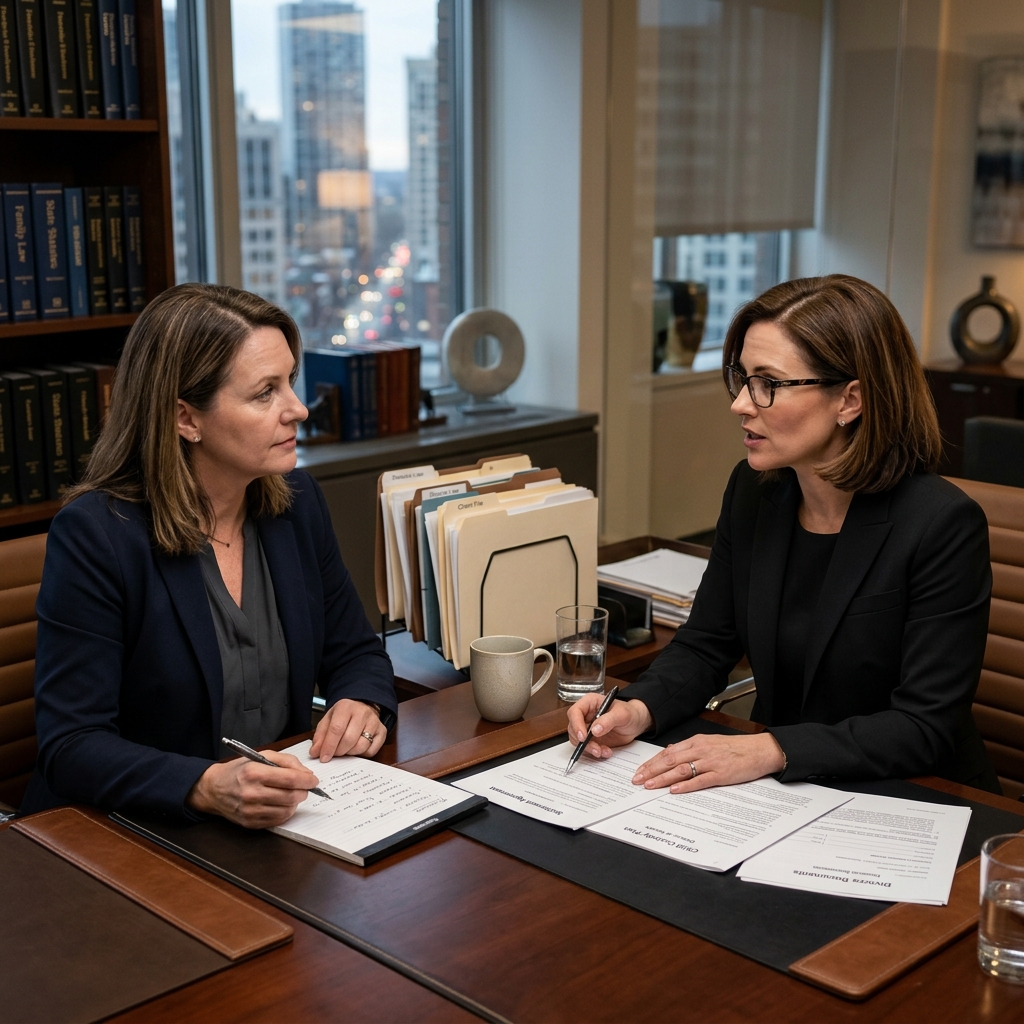
Divorce is more than the emotional end of a relationship. It is a legal process that reshapes your rights, finances, and parenting responsibilities. Understanding the basic rules and common questions can help you make informed decisions and avoid costly mistakes.
This guide explains the most frequently asked questions about divorce in plain language. It highlights key legal concepts, typical steps, and practical issues you are likely to encounter, while recognizing that details vary by state and country.
1. What Does Divorce Legally Do?
Legally, a divorce is a court order that ends a valid marriage and defines each spouse’s rights and obligations after separation.
In most jurisdictions, a divorce decree will address:
- Legal end of the marriage – You are no longer married and can remarry in the future.
- Division of property and debts – Marital assets and obligations are allocated between spouses.
- Child custody and parenting time – If you have children, the court establishes who has decision-making authority and where the children live.
- Child support – The court may order financial support for children based on legal guidelines.
- Spousal support (alimony) – In some cases, one spouse is ordered to support the other financially for a period of time.
Once the court issues a final judgment of divorce, it becomes legally binding unless later modified under specific circumstances, such as major changes in income or children’s needs.
2. Do I Need a Legal Reason (Grounds) to Get Divorced?
Yes, every divorce must be based on an accepted legal reason, called grounds for divorce. The type of grounds available depends on your state or country’s law.
2.1 No-Fault vs. Fault-Based Grounds
| Type of Grounds | Typical Legal Basis | Key Features |
|---|---|---|
| No-fault | Irreconcilable differences or irretrievable breakdown of the marriage | Does not require proving misconduct; widely available in all U.S. states; often simpler and less adversarial. |
| Fault-based | Adultery, cruelty, abandonment, substance abuse, or other serious misconduct | Requires evidence of wrongdoing; may influence certain outcomes, such as support or property, in some jurisdictions. |
Most couples today use no-fault grounds because they avoid public accusations and reduce the need for contested litigation.
3. Where Can I File for Divorce?
Divorce law is typically controlled at the state level, not the federal level, in countries like the United States. You cannot simply pick any court you prefer; you must meet that jurisdiction’s requirements.
3.1 Residency Requirements
Courts usually require that at least one spouse be a legal resident or domiciled in the state for a minimum time before filing.
- Many states require around six months of residency before filing.
- Some states accept a shorter period if specific conditions are met.
- The correct forum is typically the state where you currently live and intend to remain.
Residency rules are particularly important for mobile families, people working abroad, or those who recently moved. If you or your spouse live in different states or countries, speaking with a lawyer can help you determine where you are allowed to file and which laws would apply.
4. How Does the Divorce Process Work?
Although procedures differ by jurisdiction, most divorces follow a similar overall pattern.
4.1 Typical Stages of a Divorce Case
- Starting the case
- One spouse (the petitioner) files a legal document, often called a petition for dissolution of marriage or divorce complaint, with the court.
- The petition states the grounds for divorce, basic facts about the marriage, and your requests regarding property, support, and parenting.
- Serving the other spouse
- The court issues a summons, which is formal notice that a case has started.
- Copies of the summons and petition must be officially delivered to the other spouse (the respondent) using legally approved methods, known as service of process.
- Response
- The respondent usually has a limited number of days to file a written answer agreeing or disagreeing with the requests in the petition.
- If the respondent does not respond in time, the court may proceed and grant a default divorce under certain conditions.
- Exchange of financial information (disclosure)
- Both spouses must share information about income, assets, debts, and expenses.
- This may involve forms, financial statements, and supporting documents such as tax returns or bank records.
- Negotiation and settlement efforts
- Many courts encourage or require mediation or other forms of alternative dispute resolution to help couples reach agreements without a trial.
- Lawyers may negotiate a written marital settlement agreement, covering all major issues.
- Trial, if necessary
- If the couple cannot agree, a judge holds a hearing or trial (typically without a jury) and makes final decisions on disputed issues.
- Final judgment of divorce
- Once agreements are approved or trial decisions are made, the judge signs a final order dissolving the marriage and setting out all terms.
4.2 How Long Does Divorce Take?
Timeframes vary widely depending on the jurisdiction, complexity of the case, and level of conflict.
- Some states have a mandatory waiting period between filing and finalizing the divorce. For example, one large state requires at least six months from the date the case starts.
- Uncontested cases with full agreement may be resolved fairly quickly once paperwork is complete.
- Highly contested cases, or those involving complex property or custody disputes, can last a year or longer.
5. What Is the Difference Between Contested and Uncontested Divorce?
The terms contested and uncontested describe whether the spouses disagree about any important issues.
- Uncontested divorce
- Both spouses agree to end the marriage and accept the proposed arrangements for property, support, and parenting.
- They submit paperwork reflecting their agreement, and the judge usually approves it if it meets legal standards.
- This type of divorce is generally faster, less expensive, and less stressful.
- Contested divorce
- One spouse disputes some or all of the other’s requests, such as property division, custody, or support.
- The case may involve multiple court hearings, evidence collection, and legal arguments.
- If the couple cannot resolve their differences through negotiation or mediation, a judge decides for them after a trial.
6. How Is Property Divided in Divorce?
Dividing property is one of the most significant legal and financial aspects of divorce. The rules depend on whether your jurisdiction follows equitable distribution or community property principles, among other factors.
6.1 Marital vs. Separate Property
Courts typically distinguish between:
- Marital property – Assets and debts acquired during the marriage, such as wages, real estate purchased together, pensions accrued while married, and shared credit card balances.
- Separate property – Items owned before marriage, certain inheritances or gifts to one spouse, and property protected by valid agreements, depending on local law.
Only marital property is usually divided in divorce, while separate property is generally retained by the original owner, subject to limited exceptions.
6.2 Common Factors in Property Division
In many jurisdictions, judges look at a range of factors when determining a fair division of marital property.
- Length of the marriage
- Each spouse’s income, earning capacity, and health
- Contributions to acquiring or preserving property, including non-financial contributions such as caregiving
- Childcare responsibilities after divorce
- Any prenuptial or postnuptial agreements
Negotiated settlements may allow spouses to trade assets (for example, one keeps the home while the other receives more retirement funds) as long as the overall division is legally acceptable.
7. What About Child Custody and Child Support?
When children are involved, courts focus on the best interests of the child. Parents can submit agreed parenting plans, or the court can impose arrangements if they cannot agree.
7.1 Types of Custody
- Legal custody – Authority to make major decisions about the child’s education, healthcare, and religious upbringing.
- Physical custody – Where the child lives on a day-to-day basis.
- Joint custody – Both parents share legal and/or physical custody.
- Sole custody – One parent has primary legal or physical custody, often with visitation rights for the other.
Courts evaluate factors like the child’s needs, each parent’s caregiving history, the stability of each home, and any safety concerns.
7.2 How Child Support Is Determined
Child support is usually based on legal guidelines that consider:
- Each parent’s income
- Number and ages of children
- Parenting time schedules
- Special needs, such as medical or educational expenses
Orders can be modified later if circumstances change significantly, such as job loss or a child’s evolving needs.
8. What Is Spousal Support (Alimony)?
Spousal support, often called alimony, is money paid by one spouse to the other after separation or divorce. Its purpose is to reduce unfair economic hardship, especially when one spouse has far lower income or sacrificed career opportunities during the marriage.
Courts look at factors such as:
- Length of the marriage
- Standard of living during the marriage
- Each spouse’s income and earning potential
- Health, age, and caregiving responsibilities
- Whether one spouse needs time to gain education or skills to become self-supporting
Support may be temporary (rehabilitative), long-term, or, in rare cases, indefinite, depending on the law and circumstances.
9. Do I Need a Lawyer to Get Divorced?
Not every divorce requires full legal representation, but having a lawyer is often beneficial, especially when the case involves children, significant property, or any form of dispute.
You may consider hiring a lawyer if:
- There is disagreement about custody, support, or property division.
- Your spouse has already hired legal counsel.
- You own a home, retirement accounts, or a business.
- There are concerns about domestic violence, safety, or coercion.
In simpler cases, self-help resources provided by court systems can guide you through forms and basic steps, but it is still wise to have at least one legal consultation to understand your rights.
10. Practical Steps Before Filing for Divorce
Beyond legal questions, several practical steps can help you prepare for divorce and protect your financial stability.
10.1 Organizing Financial Information
Collecting and understanding your financial records will assist both with legal disclosure and personal planning. Helpful documents include:
- Recent pay stubs and tax returns
- Bank statements and investment account summaries
- Retirement plan statements
- Mortgage, car loan, and other debt records
- Household budget and recurring bills
10.2 Protecting Your Credit and Financial Future
Divorce can affect your credit score and long-term financial health.
- Review all joint credit accounts and consider a plan to pay down or close them where appropriate.
- Monitor your credit reports to ensure new debts are not created in your name without your knowledge.
- Develop a realistic post-divorce budget reflecting housing, insurance, childcare, and other necessary expenses.
10.3 Updating Important Documents
After separation, you may need to review and update:
- Beneficiary designations on life insurance and retirement accounts
- Wills, trusts, and powers of attorney
- Health insurance coverage and emergency contacts
11. Divorce FAQ
The following brief answers address common concerns people raise when first considering divorce.
11.1 Can My Spouse Stop Me from Getting a Divorce?
In jurisdictions that allow no-fault divorce, one spouse generally cannot prevent the other from ending the marriage, even if they refuse to cooperate. However, a non-cooperative spouse can delay the process and force contested proceedings.
11.2 What Happens If My Spouse Does Not Respond to the Papers?
If the respondent fails to respond within the required time, the court may allow the case to move forward without their participation and enter a default judgment, provided proper notice and service requirements have been met.
11.3 Do We Have to Go to Court If We Agree on Everything?
Even in fully agreed divorces, a judge typically must review and approve the settlement to ensure it meets legal standards. Many uncontested cases require only minimal court appearances or can be completed largely through paperwork.
11.4 Can the Same Lawyer Represent Both of Us?
Because of conflicts of interest, lawyers usually cannot represent both spouses in a divorce. One lawyer may prepare documents if the other spouse chooses not to be represented, but that lawyer’s duty will be to a single client only.
11.5 Is Mediation the Same as Divorce Court?
No. Mediation is a voluntary or court-directed process where a neutral professional helps you reach agreement, but does not make binding decisions. If you settle, your agreement is then submitted to the court for approval, avoiding a contested trial.
11.6 Will the Court Consider Domestic Violence or Abuse?
Yes. Allegations or evidence of domestic violence can strongly affect custody, visitation, and safety-related orders. Courts may issue protective orders and tailor parenting arrangements to protect children and adult survivors.
12. When Should I Seek Professional Help?
Legal rules provide structure, but divorce is also an emotional and financial transition. You may benefit from several types of professional support:
- Family law attorney – For legal advice and representation in negotiations or court.
- Financial planner – To understand long-term consequences of property division and support, and plan for retirement or major expenses.
- Therapist or counselor – To manage stress, grief, and communication challenges during and after separation.
- Mediator – To help resolve disagreements without escalating conflict or costs.
Combining legal information with appropriate support can help you approach divorce as a structured process rather than an overwhelming crisis.
References
- The Divorce Process & Legal Requirements — Justia. 2023-05-01. https://www.justia.com/family/divorce/the-divorce-process/
- What are the basic steps for filing for divorce? — WomensLaw.org (National Network to End Domestic Violence). 2022-11-10. https://www.womenslaw.org/laws/general/divorce/basic-info/what-are-basic-steps-filing-divorce
- The divorce process — Judicial Council of California, California Courts Self-Help Guide. 2023-04-15. https://selfhelp.courts.ca.gov/divorce
- Divorce in the United States — U.S. state law overview summarized via secondary sources. 2021-09-01. https://en.wikipedia.org/wiki/Divorce_in_the_United_States
- Divorce and Separation — U.S. Department of State, Global Community Liaison Office. 2022-06-30. https://www.state.gov/global-community-liaison-office/foreign-service-life/divorce-and-separation
- 6 Things to Consider Before Filing for Divorce — MetLife Legal & Financial Education. 2023-02-20. https://www.metlife.com/stories/legal/filing-for-divorce/
Similar Articles








Read full bio of Sneha Tete


