
Suing Religious Leaders for Sexual Misconduct
Navigating legal options for survivors of sexual abuse by clergy: statutes, evidence, and accountability paths.
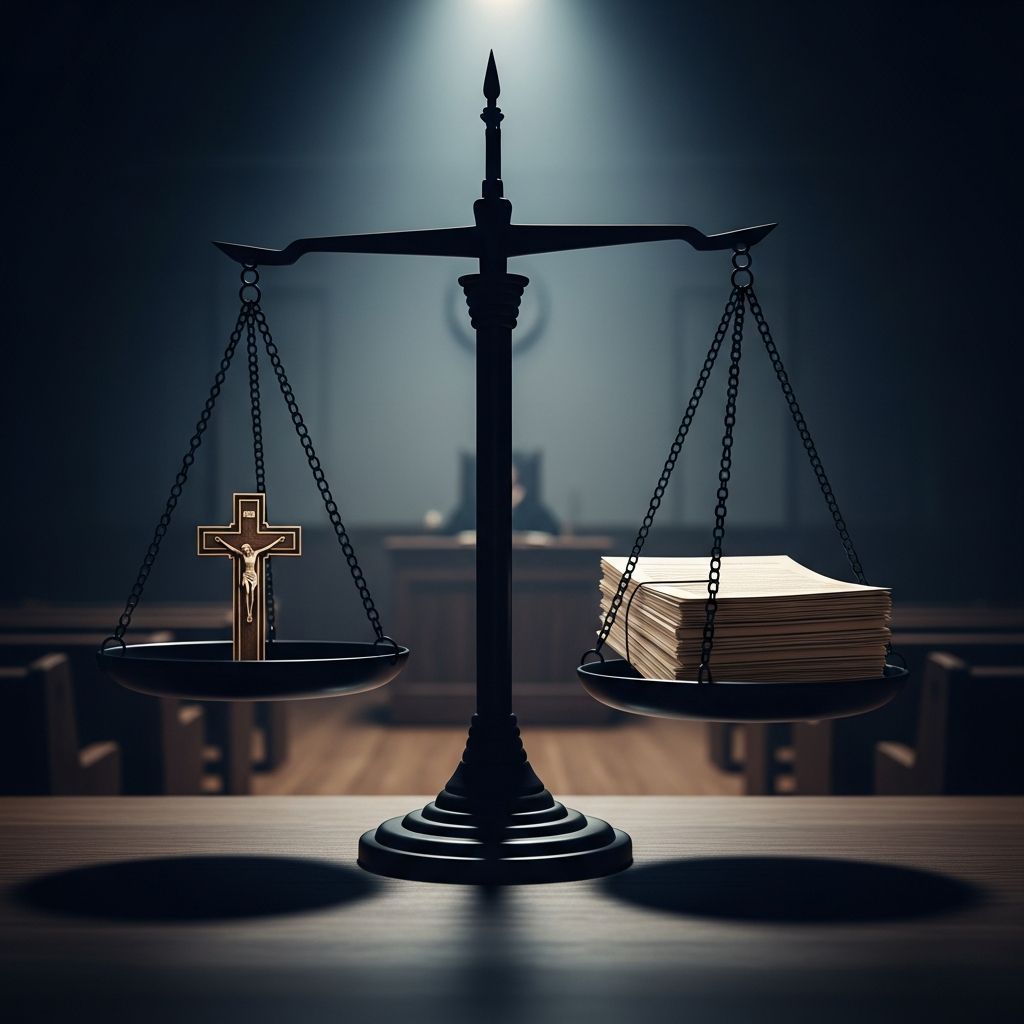
Survivors of sexual abuse perpetrated by religious figures face unique legal challenges when seeking accountability. Courts increasingly hold institutions responsible when leaders exploit their positions of trust. This article examines eligibility for civil claims, essential evidence, procedural steps, and recent reforms enabling justice decades later.
Defining Sexual Misconduct in Religious Contexts
Sexual misconduct by clergy spans unwanted advances, grooming, assault, and exploitation under spiritual authority. It often occurs during counseling, youth programs, or private meetings where power imbalances prevent true consent. Courts recognize that pastoral roles create inherent vulnerabilities, rejecting claims of mutual relationships in many jurisdictions.
Behaviors qualifying as actionable include:
- Non-consensual touching or intercourse;
- Grooming through gifts, secrecy, or special attention;
- Manipulation via religious doctrine or confession;
- Repeated boundary violations disguised as mentoring.
These acts violate not just criminal codes but also civil duties of care owed by religious organizations to their members.
Who Qualifies to Bring a Claim?
Any individual harmed by a religious leader’s misconduct may pursue a lawsuit, regardless of age at the time of abuse. Minors, adults in counseling, volunteers, and even other clergy qualify if the abuse tied to official duties.
| Victim Category | Common Scenarios | Legal Basis |
|---|---|---|
| Minors/Children | Youth groups, altar service, camps | Negligent supervision, fiduciary breach |
| Adult Parishioners | Counseling sessions, marriage prep | Clergy-penitent privilege abuse |
| Fellow Staff/Volunteers | Training, retreats | Employment-related negligence |
| Estate Representatives | Deceased survivors | Wrongful death or survival actions |
Family members can file on behalf of incapacitated or deceased victims, preserving claims through representatives.
Institutional Negligence: Holding Churches Accountable
Successful suits often target organizations for failing to prevent foreseeable harm. Liability arises when churches receive complaints but reassign abusers, suppress reports, or neglect background checks. Discovery frequently uncovers internal memos detailing cover-ups, bolstering claims of reckless endangerment.
Key institutional failures include:
- Ignoring prior allegations against the same individual;
- Transferring offenders without disclosure;
- Discouraging victims from police reports;
- Adequate training or screening programs.
Recent high-profile cases against Catholic dioceses, Southern Baptist entities, and others demonstrate juries awarding millions when patterns of negligence emerge[10].
Navigating Statutes of Limitations
Traditional time bars once shielded abusers, but reforms now revive old claims. Many states enacted “lookback windows” or eliminated limits for childhood abuse, allowing filings decades later. For instance, New York’s Child Victims Act retroactively suspended deadlines, enabling thousands of suits.
Current trends:
- Elimination: No age or time cap for minors in states like California;
- Extensions: Up to age 55 in some jurisdictions;
- Discovery Rule: Clock starts upon realizing harm’s link to abuse.
Survivors must verify state-specific rules promptly, as windows close.
Building a Viable Case: Critical Evidence Types
Credible proof distinguishes winnable claims. Personal accounts gain strength from corroboration.
- Testimony: Detailed, consistent narratives of events and impacts;
- Records: Therapy notes documenting trauma, PTSD diagnoses;
- Church Files: Personnel dossiers revealing complaints or transfers;
- Witnesses: Contemporaries observing grooming or odd behaviors;
- Prior Reports: Police files, letters to bishops establishing patterns.
Attorneys subpoena hidden documents during discovery, often exposing systemic issues. Even without physical evidence, cumulative patterns persuade courts.
The Litigation Journey: From Intake to Resolution
Claims begin with confidential attorney consultations. Firms specializing in these cases assess viability gratis, then:
- Compile evidence and identify defendants (clergy, diocese, insurers);
- File complaints detailing abuse and negligence;
- Engage discovery, depositions;
- Negotiate settlements—most resolve pre-trial.
Bankruptcy proceedings in scandal-hit dioceses create structured funds for claimants, prioritizing child victims. Trials, though rare, yield precedent-setting verdicts.
Potential Compensation and Damages
Awards address lifelong scars, including:
- Medical/therapy costs;
- Lost wages from disability;
- Pain, suffering, emotional distress;
- Punitive sums for egregious cover-ups.
Settlements range widely but often exceed six figures per survivor, with trusts distributing billions collectively.
Overcoming Common Legal Hurdles
Defenses like consent falter against authority imbalances; courts deem such “relationships” coercive. First Amendment arguments shielding doctrine rarely block negligence claims. Dead abusers pose no bar—institutional liability persists.
Choosing Specialized Representation
Firms experienced in clergy cases navigate confidentiality pacts, insurer tactics, and interfaith nuances. Many operate on contingency, advancing costs. Free evaluations ensure no upfront risk.
Frequently Asked Questions
Can I sue if the abuse happened 30 years ago?
Yes, in states with extended or removed statutes for child abuse, lookback laws revive claims regardless of elapsed time.
Does the church have to pay if the priest is dead?
Absolutely; suits target vicarious liability of the institution, not just individuals.
What if no one else complains about this leader?
Isolated incidents suffice with strong personal evidence; patterns strengthen but aren’t required.
Is counseling privilege a defense?
No, abuse exploiting pastoral roles voids protections in liability suits.
How long until settlement?
1-3 years typical, faster in mediated or bankruptcy contexts.
Steps Forward for Survivors
Reporting empowers change. Contact advocacy groups or attorneys promptly. Reforms continue expanding access, signaling institutional reckoning.
References
- Am I Eligible To File a Clergy Sexual Abuse Lawsuit Against the Catholic Church? — File Abuse Lawsuit. 2023. https://fileabuselawsuit.com/am-i-eligible-to-sue-catholic-church-for-clergy-abuse/
- Clergy Sex Abuse Lawsuits Against Churches — Lawsuit Information Center. 2024. https://www.lawsuit-information-center.com/clergy-sex-abuse-lawsuits-against-churches.html
- Do I Need a Lawyer to File a Sexual Assault Lawsuit Against the Mormon Church? — Federal Lawyer. 2023. https://federal-lawyer.com/injury-lawsuit/sex-abuse/mormon-church/need-lawyer/
- What Qualifies as a Church Lawsuit? — File Abuse Lawsuit. 2024. https://fileabuselawsuit.com/what-qualifies-as-a-church-lawsuit/
- Am I Eligible for a Catholic Church Lawsuit? — Jenner Law Firm. 2023. https://www.jennerlawfirm.com/faqs/am-i-eligible-to-file-clergy-sexual-abuse-lawsuit-against-catholic-church/
- Defenses to Liability – Sexual Misconduct — Church Law & Tax. 2022. https://www.churchlawandtax.com/pastor-church-law/liabilities-limitations-and-restrictions/sexual-misconduct/defenses-to-liability/
Similar Articles








Read full bio of Sneha Tete


