
Private Pool Fence: When You Need One And How To Comply Safely
Understand when a private pool must be fenced, what safety barriers are allowed, and how laws and building codes affect homeowners.
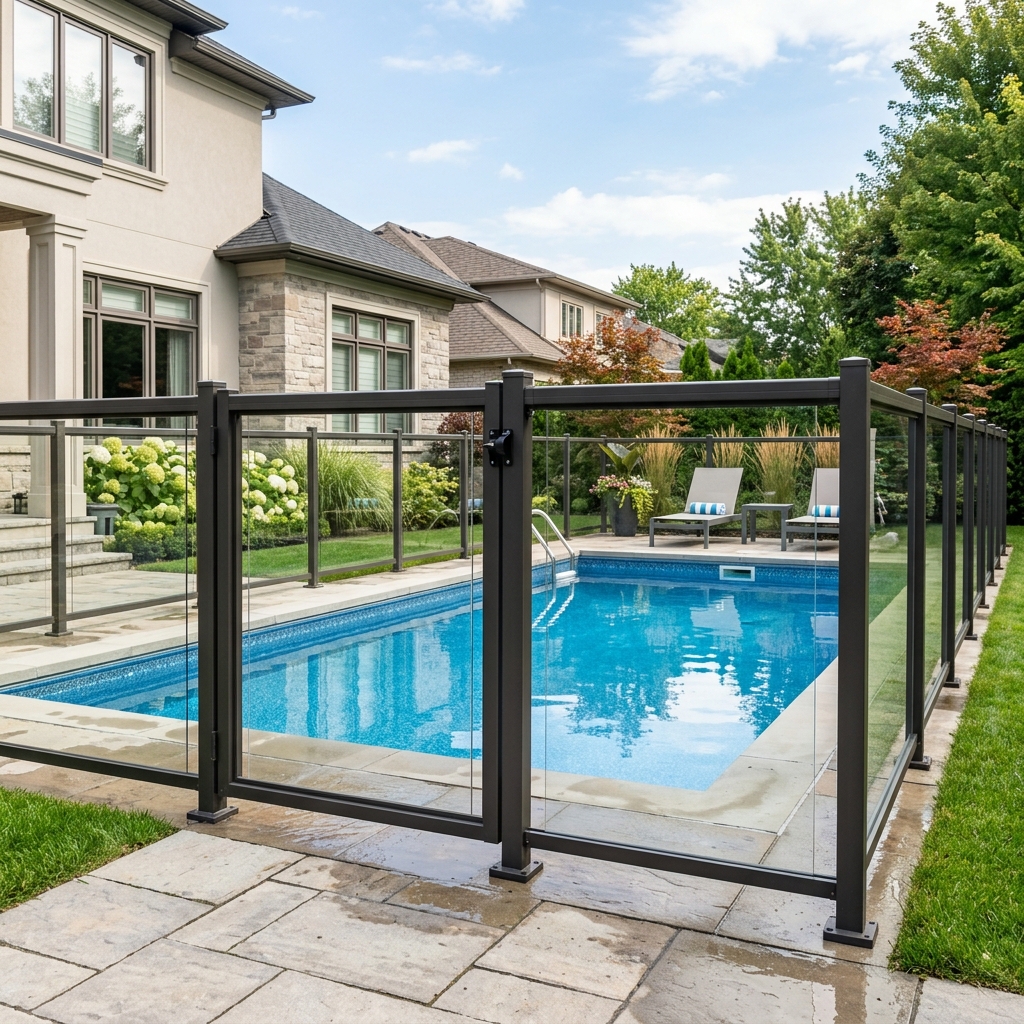
Private swimming pools offer relaxation, entertainment, and added value to a property, but they also create serious safety and legal obligations. In many places, a pool cannot legally exist without a compliant safety barrier. Even where the law is less strict, a fence or other barrier is strongly recommended to help prevent child drownings and reduce the risk of costly lawsuits.
This guide explains when a private swimming pool typically needs a fence, how common laws define a barrier, what types of pools are covered, and what options property owners have to stay safe and compliant.
Why Fences Around Private Pools Matter
Residential pools are often located in backyards where children, guests, or neighbors may have access. Public health and safety agencies consistently identify pool barriers as one of the most effective ways to reduce drownings, especially among young children.
Key reasons fences and barriers are so important include:
- Preventing unsupervised access – Fences and self-latching gates help stop toddlers from wandering into the water when adults are distracted.
- Reducing accidental drownings – Barriers provide a critical extra layer of protection, even when supervision lapses.
- Limiting legal liability – Many jurisdictions treat an unfenced or improperly fenced pool as a legal hazard, potentially increasing the risk of negligence claims after an accident.
- Meeting insurance requirements – Homeowners’ and landlords’ insurance policies may require compliant barriers as a condition of coverage.
How Laws Typically Define a “Pool” That Needs a Fence
Not every small container of water is considered a swimming pool for legal purposes. Building codes and statutes usually define which bodies of water require barriers by depth, size, and intended use.
Common elements of a legal definition include:
- Minimum water depth – Many laws treat any structure with water deeper than about 18–24 inches as a pool that must be enclosed.
- Width or surface area – Some statutes require a certain width (for example, more than eight feet at any point) in addition to depth.
- Intended for swimming – The structure must be designed or used for swimming or bathing, distinguishing it from decorative ponds or narrow drainage features.
- Permanent versus temporary – Local codes often treat permanent in-ground or fixed above-ground pools differently from removable or inflatable children’s pools.
Because definitions vary by jurisdiction, owners should always confirm how local law classifies their specific pool.
Types of Residential Pools and How Barrier Rules Apply
Barrier requirements usually depend on pool type as well as depth. Although terminology varies, most laws distinguish among in-ground, partially in-ground, above-ground, and temporary pools.
In-Ground and Partially In-Ground Pools
In-ground pools, including those that are only partially below grade, almost always require a fence or other approved barrier around the pool area.
- Considered permanent structures and treated as a long‑term safety hazard.
- Typically must be completely enclosed by a wall, fence, or other barrier of a specified minimum height (often 48–60 inches).
- Openings, gaps, and gate design are regulated to prevent children from climbing through or over the barrier.
Fixed Above-Ground Pools
Fixed above-ground pools that exceed the depth threshold (commonly around 18–24 inches) often require a barrier as well.
- Some codes allow the pool’s own rigid walls to serve as the barrier if they are tall enough and not easily climbable.
- When the pool wall qualifies as the barrier, the ladder or steps must usually be lockable, removable, or separately enclosed.
- If the pool sides are low or easily climbable, a standard fence around the pool area is typically required.
Temporary, Inflatable, and Kiddie Pools
Shallow, seasonal, or inflatable pools may not always trigger the same legal requirements as permanent structures. In many areas:
- Shallow wading or “kiddie” pools below the minimum regulated depth do not legally require a fence.
- Once a temporary pool holds water deeper than the threshold defined by local law, barrier requirements may apply just like any other residential pool.
- Even when not required by statute, placing temporary pools in a fenced area and emptying them when not in use is considered good safety practice.
What Counts as a Pool Fence or Safety Barrier?
The term “fence” in many pool laws is part of a broader concept: the safety barrier. A barrier can take different forms, but its core purpose is to prevent unsupervised access, especially by young children.
Common Barrier Types
- Traditional fences – Made of wood, vinyl, metal, or mesh, installed around the pool or yard.
- Walls and buildings – A house wall or property wall can sometimes form part of the required enclosure.
- Natural barriers – In limited situations, cliffs, steep rock formations, or other natural obstacles may substitute for built fencing, if local codes allow.
- Pool structure – For certain above-ground pools, the pool wall itself can qualify as the barrier if it meets height and climb-resistance standards.
- Safety covers – A powered or lockable cover that meets recognized safety standards can exempt the pool or spa from some fence requirements in some jurisdictions.
Typical Technical Requirements for Barriers
Although details differ, many building codes adopt similar technical standards designed to keep small children from squeezing through or climbing over a barrier.
| Requirement | Typical Standard (Examples) | Safety Rationale |
|---|---|---|
| Minimum height | Often at least 48 inches (4 feet); some states require 5–6 feet. | Taller fences are harder for children to climb. |
| Maximum opening size | Openings must not allow a 4‑inch sphere to pass through. | Prevents a small child’s head from fitting through a gap. |
| Horizontal rail spacing | Rails closer than about 45 inches apart must face the pool side or be configured to prevent climbing. | Reduces the ability to use rails as a ladder. |
| Ground clearance | Bottom of fence typically 1–2 inches above ground or deck. | Stops children from crawling under the barrier. |
| Gate operation | Self-closing and self-latching, often with latch height above child reach. | Ensures gate returns to locked position after every use. |
When a Backyard Fence May Be Enough
Some owners already have a fence around their yard and wonder if they must install a separate barrier close to the pool. Whether a single perimeter fence is sufficient depends heavily on local regulations and the fence’s design.
In many jurisdictions, a backyard fence may satisfy pool barrier requirements if:
- The fence completely surrounds the pool area and meets all height, opening, and gate standards.
- There is no direct, unfenced path from neighboring properties, public areas, or the street into the pool area.
- Any doors from the house leading into the pool area are protected by alarms or other safety features, if the house wall is treated as part of the barrier.
However, some safety guidelines recommend an isolation fence that fully encloses the pool itself rather than using the house as a side of the barrier, because an isolated fence reduces the chance that a child can slip out of the house unnoticed and reach the water.
Exceptions for Safety Covers and Special Cases
While fences are the most familiar barrier, certain safety covers and design approaches may substitute for a fence in limited circumstances.
Powered and Lockable Safety Covers
Some building codes allow a pool or spa equipped with a compliant safety cover to be exempt from certain barrier rules. To qualify:
- The cover typically must meet recognized standards such as the American Society for Testing and Materials (ASTM) performance criteria for safety covers.
- Powered covers may require a key switch or secured control that children cannot operate.
- The cover must be strong and properly anchored to support the weight of a child and prevent access to the water when closed.
Even where safety covers are legally sufficient, many experts still encourage physical fences as an additional safeguard, especially when the pool is frequently left open.
Above-Ground Pools with Non-Climbable Walls
Certain codes allow an above-ground pool with non-climbable walls of at least a specified height (often around 4 feet) to be treated as its own barrier, without an additional fence, if:
- The exterior walls are smooth or otherwise difficult to climb.
- Any ladder or step system can be locked, removed, or secured to block unsupervised access.
Property owners should be cautious when relying on this approach, because any deck, planter, or nearby object that functions as a step could defeat the barrier and may violate code requirements.
Landlords, Tenants, and Shared Responsibility
When a residential pool is part of a rental property, both landlords and tenants have roles to play in maintaining a safe environment.
- Landlords are typically responsible for ensuring that the property complies with all building codes and pool barrier laws before leasing the home, and for making necessary structural repairs.
- Tenants must usually keep gates closed, avoid disabling safety features, and notify the owner or manager if a barrier becomes damaged.
- Lease agreements can clarify responsibilities for pool maintenance, access rules, and supervision expectations, but they cannot override statutory safety requirements.
For multi-unit properties, such as duplexes or small apartment buildings with shared pools, additional regulations may apply, including signage, posted rules, and enhanced barrier standards.
Practical Steps to Stay Safe and Compliant
Because pool laws vary widely, the safest approach is to treat your local building and health departments as primary sources of guidance. General best practices include:
- Check local codes first – Review state statutes, municipal ordinances, and building codes for pool definitions, barrier requirements, and permit procedures.
- Obtain permits as required – Many jurisdictions require permits for both pools and fences, including replacements or substantial alterations.
- Use professional installers – For permanent pools and fences, a licensed contractor familiar with local code can help avoid expensive mistakes.
- Inspect the barrier regularly – Check for loose panels, gaps under the fence, broken latches, and objects near the fence that a child could climb.
- Combine multiple layers of protection – Fences, self-closing gates, door alarms, safety covers, and vigilant supervision work together to reduce risk.
Frequently Asked Questions About Private Pool Fences
1. Is a fence always legally required around a private pool?
In many states and counties, yes. Laws often require a compliant barrier around residential pools that exceed a certain depth, regardless of whether they are in-ground or above-ground. However, some jurisdictions allow alternatives such as approved safety covers or non-climbable above-ground pool walls with lockable ladders.
2. Do small inflatable or kiddie pools need to be fenced?
Shallow inflatable pools that do not meet the minimum depth or size threshold in local laws are often exempt from formal barrier requirements. Nonetheless, safety guidelines recommend emptying them after use and keeping them within a fenced area whenever possible, since even a small amount of water can pose a drowning risk to very young children.
3. Can I use my house wall as part of the pool barrier?
In many building codes, a house wall can form part of the enclosure if all access points into the pool area are protected—typically by self-closing, self-latching doors or door alarms mounted at adult height. However, some safety experts encourage installing an additional isolation fence around the pool itself for greater protection.
4. How tall does a pool fence have to be?
Common minimum heights are around 48 inches (4 feet), though some states require 5 or even 6 feet, especially for higher-risk installations. Your local code will specify the exact requirement and may include additional rules about fence design, such as maximum opening sizes and rail spacing.
5. Are alarms or cameras enough instead of a fence?
Some jurisdictions allow door or gate alarms as a supplemental safety measure but not as a complete substitute for a physical barrier. Surveillance cameras can help monitor activity but do not stop a child from entering the pool area. Fences and compliant barriers remain the foundation of most legal and safety requirements.
6. What happens if my pool is out of compliance?
If a pool lacks a required barrier or is fenced improperly, code enforcement authorities may issue citations, fines, or orders to remedy the violation. After an accident, the absence of a proper fence can also be a major factor in civil lawsuits, potentially increasing the owner’s liability exposure.
References
- 36-1681 – Pool enclosures; requirements; exceptions; enforcement — Arizona State Legislature. 2018-08-03. https://www.azleg.gov/ars/36/01681.htm
- Safety Barrier Guidelines for Residential Pools — U.S. Consumer Product Safety Commission. 2012-03-01. https://www.poolsafely.gov/wp-content/uploads/2016/04/Safety-Barrier-Guidelines-for-Residential-Pools.pdf
- Residential Swimming Pools – Requirements, Permits and Safety — Anne Arundel County Department of Health. 2023-05-10. https://www.aahealth.org/environmental-health/public-swimming-pools-and-spas/residential-swimming-pools-requirements-permits
- Pool Fencing Laws & Requirements by State — Aluminum Fences Direct. 2023-04-18. https://aluminumfencesdirect.net/blog/pool-fencing-requirements-by-state/
- Pool Fence Requirements Tennessee: State & Local Codes — Pool Guard Tennessee. 2022-06-01. https://poolguardusa.com/pool-fence-requirements-tennessee/
- Swimming Pool Fence Requirements — New Castle County Government. 2020-01-01. https://www.newcastlede.gov/DocumentCenter/View/516/Swimming-Pool-Fence-Requirements-PDF
- When do Private Swimming Pools Need a Fence? — Rocket Lawyer. 2023-07-01. https://www.rocketlawyer.com/real-estate/landlords/legal-guide/when-do-private-swimming-pools-need-a-fence
Similar Articles








Read full bio of medha deb


