
Stopping Debt Collection Abuse: A Practical Legal Guide
Learn the legal tools, practical steps, and documentation strategies you need to recognize and stop abusive debt collection practices safely.
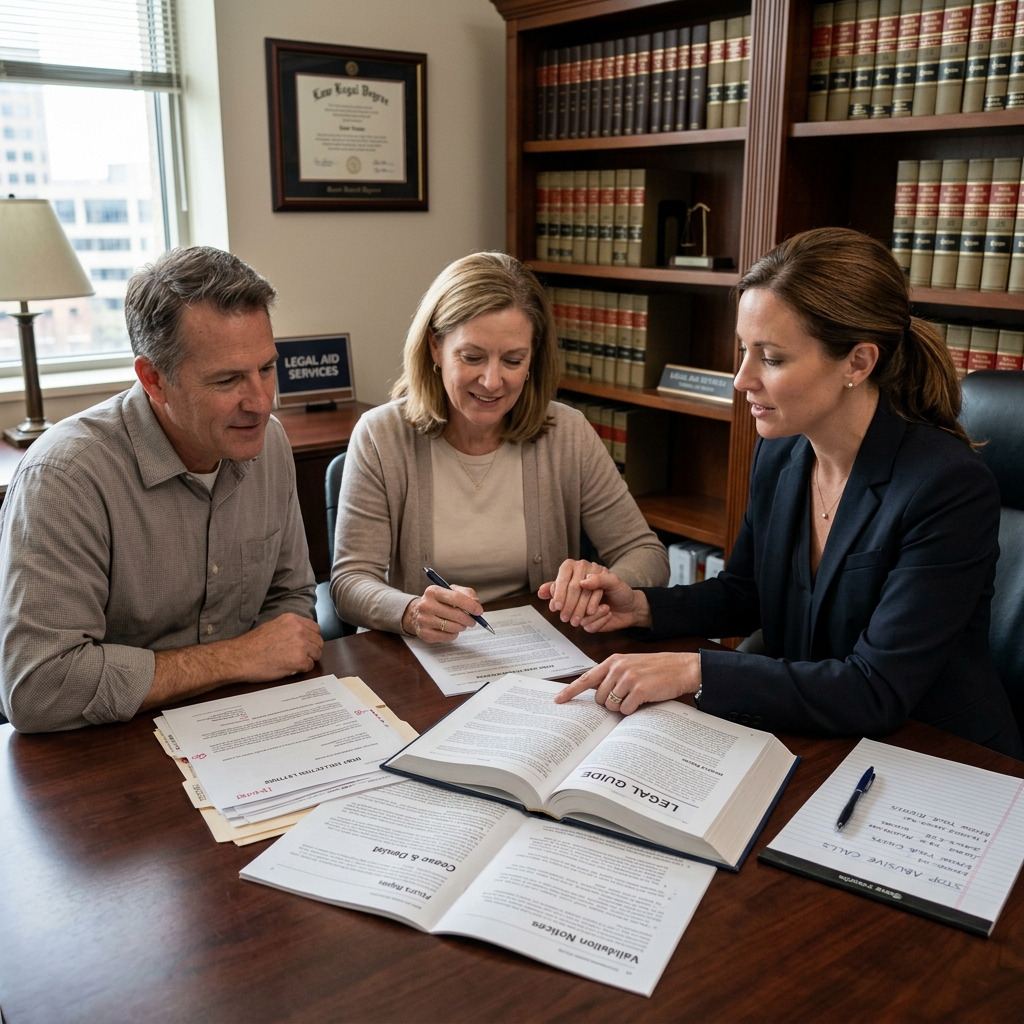
Debt collection is legal, but abusive debt collection is not. Under federal law, particularly the Fair Debt Collection Practices Act (FDCPA), and many state laws, you have clear rights that limit what collectors can say and do when trying to get you to pay a debt. This guide explains how to recognize illegal behavior, what protections you have, and the steps you can take to stop harassment while protecting your finances and legal interests.
Understanding Debt Collection Abuse
Debt collection abuse happens when a collector uses harassing, unfair, deceptive, or threatening tactics to pressure you into paying. Federal law expressly bans abusive, unfair, or deceptive practices in the collection of many consumer debts, such as credit cards, medical bills, auto loans, and personal loans.
Common Examples of Abusive Practices
Collectors may cross the line from legitimate collection to illegal abuse in several ways. Recognizing these behaviors is the first step to stopping them.
- Harassing phone calls – Calling repeatedly or continuously, especially after you have already spoken to them about the debt, with the intent to annoy or pressure you.
- Calls at prohibited times – Contacting you before 8 a.m. or after 9 p.m. local time without your permission.
- Threats of violence or harm – Any threats of physical injury or similar intimidation are explicitly forbidden.
- Use of obscene or profane language – Collectors cannot use abusive language or insults when speaking with you.
- False or misleading statements – Misrepresenting the amount owed, claiming to be law enforcement, or threatening legal action that is not possible or not actually intended.
- Public disclosure of your debt – Publishing your name on a “bad debt” list or revealing your debt to third parties beyond narrow legal exceptions.
- Unauthorized fees or charges – Trying to collect interest, fees, or costs that are not permitted by the original contract or applicable law.
If you experience any of these behaviors, there is a good chance the collector is violating federal or state law, and you may be entitled to relief.
Your Core Legal Rights Against Abusive Collection
Federal and state consumer protection laws give you several powerful rights when dealing with collectors. Using these rights effectively can help you control the situation, reduce stress, and build a strong record if you need to complain or sue.
Right to Basic Information About the Debt
Collectors must provide “validation information” about the debt either during their first communication with you or within five days after that contact.
- Name and mailing address of the collection company.
- Name of the creditor to whom the debt is currently owed.
- Amount of the debt and whether it may change over time (for example, due to interest).
- Notice that you have the right to dispute the debt within a specific time period and how to do so.
This information helps you confirm whether the debt is real, current, and accurately reported.
Right to Dispute and Seek Verification
You have the right to dispute a debt in writing within a limited time period after first contact (commonly 30 days under federal law). Once you dispute the debt or request verification, the collector must stop collecting until they send you verification, such as a copy of a bill or other documentation showing what you allegedly owe.
Right to Be Free from Harassment and Abuse
The FDCPA and many state laws prohibit collectors from harassing, oppressing, or abusing you in any way while attempting to collect.
- They cannot make repeated calls with the intent to annoy or harass.
- They cannot use threats, obscenities, or derogatory language.
- They cannot contact you at an unusual or inconvenient time or place.
- They cannot contact you at work if they know that your employer disapproves of such calls.
Right to Limit or Stop Contact
You can tell a third-party debt collector in writing that you want them to stop contacting you. Under the FDCPA, once they receive this written request, they generally must stop further communications, aside from limited messages about ending collection efforts or taking specific legal action.
If you are represented by an attorney regarding the debt, collectors are typically required to contact your lawyer instead of you, once they know who your attorney is and how to reach them.
Right to Privacy
Collectors are tightly restricted in who they may talk to about your debt. Generally, they cannot tell other people that you owe money, except your spouse, certain relatives in limited circumstances, the creditor, your attorney, or credit reporting agencies.
Right to Seek Damages and Statutory Relief
If a collector violates the law, you may be able to sue in state or federal court, often within one year of the violation. You may recover:
- Actual damages, such as lost wages, emotional distress, or medical bills caused by the illegal conduct.
- Statutory damages up to a set dollar amount, even if you cannot prove specific financial harm (often up to $1,000 under federal law for individual claims).
- Attorney’s fees and costs, meaning the collector may be ordered to pay your lawyer and related expenses if you win.
In some cases, groups of consumers may bring a class action lawsuit and seek larger aggregate relief, subject to statutory limits.
Recognizing When Collection Crosses the Legal Line
Although every situation is unique, the following table highlights key differences between legal and illegal collection behaviors.
| Collection Behavior | Generally Legal | Generally Illegal or Abusive |
|---|---|---|
| Calling about a legitimate past-due debt | Yes, if done respectfully and within allowed hours. | No, if the debt is identity theft-related and you have documentation. |
| Contacting you by phone | Permitted between 8 a.m. and 9 p.m. local time. | Calling before 8 a.m. or after 9 p.m. without your authorization. |
| Discussing your debt with others | Limited communication with your spouse, attorney, creditor, or credit bureau. | Telling co-workers, neighbors, or friends about your debt or posting it publicly. |
| Threatening legal action | Legal if the collector actually intends to sue and has a lawful basis. | Illegal if the threat is false, impossible, or purely meant to intimidate. |
| Adding interest or fees | Allowed if your contract or state law authorizes the charges. | Not allowed if fees are not permitted by contract or law. |
| Responding to your written dispute | Collector pauses collection and provides verification. | Collector ignores your dispute and continues collection efforts. |
Practical Steps to Stop Debt Collection Abuse
Once you believe you are facing abuse, acting quickly and systematically can protect you and improve the outcome. The following steps combine legal rights with practical strategies.
1. Document Every Contact
Good documentation is crucial. It supports complaints to regulators and evidence in court.
- Keep a call log noting date, time, phone number, caller name, and a brief summary of the conversation.
- Save voicemails, texts, emails, and letters from the collector.
- Write down any threats, insults, or misrepresentations you hear, including exact words where possible.
- Note whenever the collector calls outside permitted hours, contacts you at work despite objections, or speaks to third parties about your debt.
Do not record calls unless you know the recording laws in your state; some states require consent from both parties.
2. Request Validation and Dispute in Writing
If you are not certain the debt is yours, the amount is correct, or the collector is legitimate, send a written letter disputing the debt and requesting validation.
- Include your name, mailing address, and reference number from any letter you received.
- State clearly that you dispute the debt and request written verification, including the name of the original creditor and itemized charges.
- Send the letter by a trackable mail service and keep a copy for your records.
After receiving your dispute, the collector must stop collection efforts until they provide verification. If they keep calling or demanding payment without verifying, this may be a violation.
3. Exercise Your Right to Limit Contact
If calls and messages are overwhelming or you feel unsafe, you can write to the collector and demand that they stop contacting you. In many situations, this triggers a legal obligation to cease most communications.
Your letter can:
- State that you request no further contact about the debt, except for legally required notices.
- Explain if calls to your workplace are prohibited or causing issues.
- Provide your lawyer’s contact information, if you have one, and direct the collector to communicate only through counsel.
Even if contact stops, the debt may still exist; this step is about stopping harassment, not erasing the debt itself.
4. Respond Promptly to Lawsuits
If a collector sues you, ignoring the lawsuit can result in a default judgment, wage garnishment, or other serious consequences. Consumer protection agencies emphasize the importance of responding by the deadline listed in the court papers.
- Read the summons and complaint carefully and note the response deadline.
- Consult with a consumer law attorney or legal aid organization as soon as possible.
- File a written response or answer in court by the deadline, even if you dispute the debt or believe it is time-barred.
Showing up in court often gives you a chance to challenge the evidence, raise defenses such as expired statutes of limitations, or negotiate a more manageable resolution.
5. Report Violations to Regulators
Government agencies investigate patterns of abuse and may take enforcement action. They also use complaints to guide policy and regulatory priorities.
You can report abusive collection behavior to:
- Your state Attorney General’s office, which may enforce state consumer protection laws.
- The Federal Trade Commission (FTC), which enforces the FDCPA and other consumer protection statutes.
- The Consumer Financial Protection Bureau (CFPB), which accepts complaints about debt collectors and may investigate or supervise firms.
- Any state financial protection or regulatory agency that handles debt collection issues.
When you submit a complaint, include copies of your documentation, such as letters, call logs, and any evidence of threats or misrepresentation.
6. Consider Legal Action
If the abuse seriously affects your health, employment, or finances, or if you want to hold the collector accountable, you may choose to sue under federal or state law. Consumers typically have about one year from the date of the violation to file an FDCPA claim, though deadlines can vary by jurisdiction.
- Consult a consumer protection attorney about your potential claims, damages, and evidence.
- Ask whether your case might qualify for statutory damages even without financial loss.
- Discuss whether others have experienced similar abuse and if a class action might be appropriate.
Some laws allow courts to order collectors to pay your legal fees and costs if you win, which can make lawsuits more accessible to consumers.
Balancing Debt Resolution and Your Legal Protections
Stopping abuse does not automatically erase the underlying debt. Many consumers want both to end harassment and to handle their obligations responsibly. Consider these strategies for balancing both goals.
- Review the accuracy of the debt – Check whether the amount, interest, and fees match your records and any contracts.
- Ask about payment options – Some collectors may agree to payment plans or settlements that better fit your budget.
- Avoid unsafe agreements – Be wary of providing post-dated checks or automatic withdrawals without fully understanding the terms, as misuse of such instruments can violate your rights.
- Prioritize essential expenses – Ensure that housing, utilities, and basic living costs remain your top priority when negotiating payments.
If you are overwhelmed by multiple debts, consider speaking with a nonprofit credit counselor or financial advisor in addition to a lawyer. However, rely on legally recognized consumer protection rules when dealing with collectors, rather than promises that sound too good to be true.
Frequently Asked Questions About Debt Collection Abuse
Can a debt collector call me at work?
Collectors may initially call you at work, but they must stop if they know that your employer does not allow such calls or if you tell them not to contact you there. If they continue contacting your workplace after being told not to, this may violate federal and state law.
Can collectors talk to my family or friends about my debt?
Generally, collectors are not allowed to discuss the details of your debt with friends, neighbors, or co-workers. They may contact other people only to obtain your contact information and cannot tell those individuals that you owe a debt.
What should I do if a collector threatens to arrest me?
Debt collection is a civil matter. Collectors do not have the authority to arrest you, and threatening arrest over consumer debts is typically illegal and deceptive. If you receive such threats, document them and consider reporting the collector to regulators and consulting an attorney.
How long do I have to sue a collector for abuse?
Under federal law, you usually have one year from the date of the violation to file a lawsuit against a debt collector. State law deadlines may differ, so speaking with a consumer law attorney promptly is important.
Is it safe to ignore abusive collectors?
Ignoring abusive collectors may stop some calls, but can also increase the risk of a lawsuit or default judgment. A better approach is to assert your rights in writing, keep records, respond to any court papers, and seek legal help.
References
- Debt Collection FAQs — Federal Trade Commission (FTC). 2023-03-01. https://consumer.ftc.gov/articles/debt-collection-faqs
- What laws limit what debt collectors can say or do? — Consumer Financial Protection Bureau (CFPB). 2022-12-15. https://www.consumerfinance.gov/ask-cfpb/what-laws-limit-what-debt-collectors-can-say-or-do-en-329/
- Debt Collection – Know Your Rights — California Department of Financial Protection and Innovation (DFPI). 2022-08-10. https://dfpi.ca.gov/consumers/managing-debt/debt-collections/know-your-rights/
- Debt Collection — National Association of Consumer Advocates (NACA). 2021-09-20. https://www.consumeradvocates.org/for-consumers/debt-collection/
- Consumer Debt Collection & Consumers’ Legal Rights — Justia. 2022-05-05. https://www.justia.com/consumer/credit-debt-and-collections/collections/
- Contact from a Debt Collector — Texas State Law Library. 2023-01-12. https://guides.sll.texas.gov/debt-collection/contact-from-a-debt-collector
- Your Rights Under the Fair Debt Collection Practices Act — New Economy Project. 2020-06-01. https://www.neweconomyproject.org/our-work/legal-power-for-financial-justice/know-your-rights/collection/your-rights-under-the-fair-debt-collection-practices-act/
Similar Articles








Read full bio of Sneha Tete




