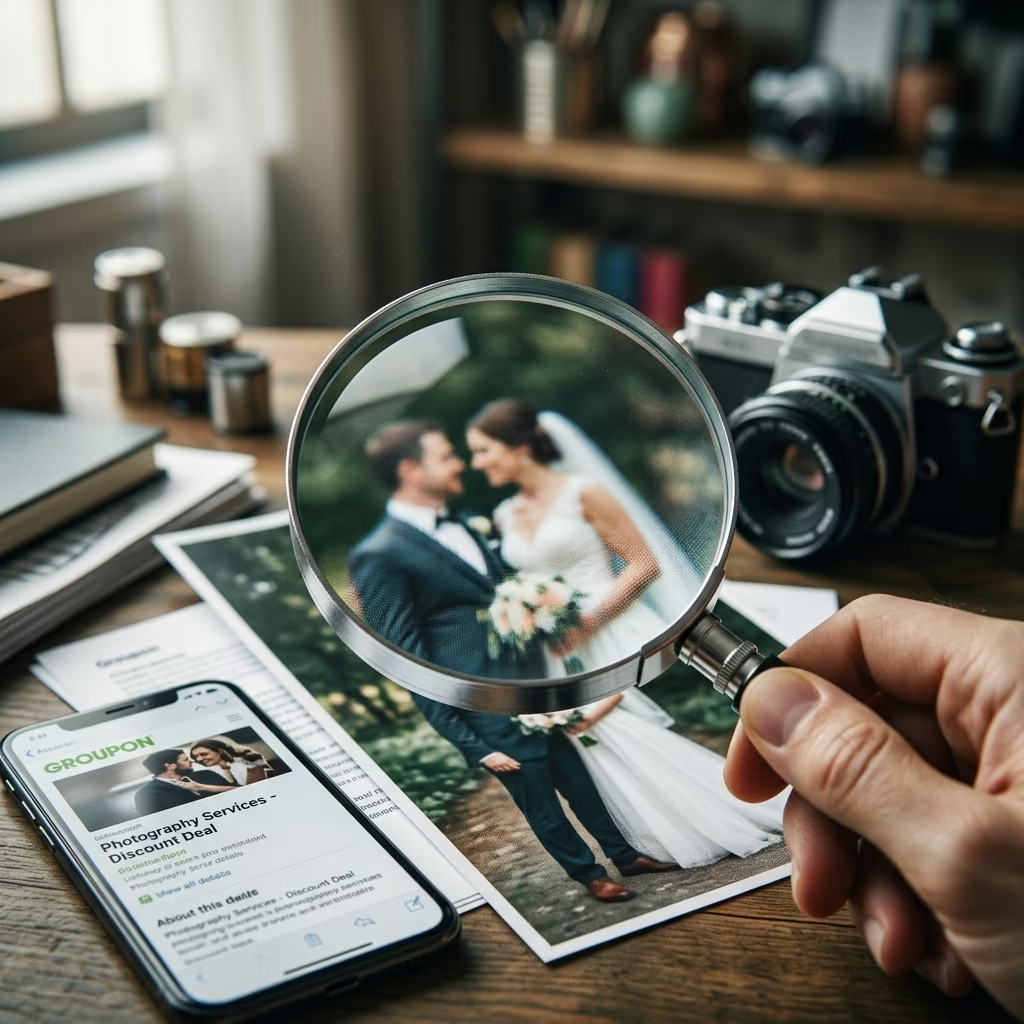
Discount platforms and flash-sale sites promise big savings on everything from spa packages to photography sessions. Yet a highly publicized fake photography deal on Groupon in Atlanta showed how easily consumers can be misled when a seller uses deceptive images and claims to promote services at steep discounts. The incident, in which a photographer promoted a deal using portfolio photos taken by others, forced Groupon to cancel hundreds of purchases and refund buyers, highlighting serious risks for everyday consumers.
This article uses that case as a springboard to explain how fake online deals work, how to spot warning signs before you pay, and what to do if you discover you have been misled. While the story centers on a photography promotion, the lessons apply broadly to any service or product sold through a deal site, marketplace, or social media offer.
How the Atlanta Groupon Photography Scam Unfolded
In the Atlanta case, a local photographer offered what seemed like an outstanding bargain: a professional photo package advertised as normally worth around $500, marked down to a fraction of the price through Groupon. Buyers were promised an on-location photoshoot and digital images, presented alongside an impressive portfolio of sample photographs.
There were several key elements that made this deal so attractive:
- Deep discount compared with typical market prices for similar photography sessions.
- Professional-sounding offer terms, including a defined package value and detailed session description.
- Polished portfolio images that suggested significant experience and high-quality work.
However, the portfolio images used to market the deal were not actually taken by the photographer. Other photographers and online users recognized the pictures as belonging to different creators and raised alarms on social media and industry forums. After these concerns spread, Groupon investigated and ultimately pulled the deal, canceled the purchased vouchers, and refunded customers.
The case illustrates a broader issue: promotional images and descriptions are not always authentic, and deal platforms may rely on information provided by the seller unless users or affected parties raise specific concerns.
Why Fake Deals Are So Convincing
To understand why many people purchased the Atlanta photography deal, it helps to examine the psychological and practical factors that make fraudulent offers seem legitimate:
- Social proof and platform trust
When a deal appears on a well-known platform, buyers often assume it has been thoroughly vetted. Research in consumer behavior shows that brand and platform reputation heavily influence purchasing decisions, especially online. - Appealing price anchoring
The deal presented a high “original value” and a steep discount. This “anchor” makes the reduced price appear especially attractive compared with typical rates in the local photography market. - Limited-time urgency
Flash sales and countdown timers encourage quick decisions, reducing the time buyers spend on verification and research. - Professional presentation
Clean design, attractive images, and persuasive copy all give the impression of professionalism and reliability.
These factors do not automatically indicate fraud, but they show how easy it is for a deceptive seller to mimic legitimate marketing techniques. When combined with stolen or misrepresented portfolio work, the resulting offer can appear more credible than a genuine but less polished advertisement.
Common Warning Signs of Fake Service Deals
Whether you are booking photography, home repair, coaching, or event services through a discount platform, several recurring warning signs can help you identify potentially fraudulent offers before you commit.
1. Inconsistent or Unverifiable Portfolio
In the Groupon photography case, the key trigger for suspicion was that the portfolio images did not match the photographer’s known style and were recognized from other sources. Signs of trouble include:
- Images that look like stock photos or appear in reverse image search results under other photographers’ names.
- A portfolio that shifts dramatically in style or quality between pictures, suggesting multiple creators.
- No evidence that the photographer has posted behind-the-scenes content or client testimonials associated with the featured images.
2. Extremely High “Original Value” Without Explanation
Some fraudulent deals inflate the stated original price to make the discount look spectacular. If typical local prices for similar services are much lower, the advertised “value” may be exaggerated or fabricated.
- Compare with local averages or ask other providers what they charge for similar packages.
- Look for detailed explanations of why the package is worth the stated amount (e.g., hours included, editing time, deliverables).
3. Sparse or Generic Business Information
A real business usually has a consistent presence beyond the deal page. Lack of detail can signal risk:
- No dedicated website, business address, or professional email.
- Only a barebones social media profile, created recently, with minimal posts or engagement.
- No clear information about experience, qualifications, or past clients.
4. Overly Restrictive or Vague Terms and Conditions
Some deceptive offers rely on complex or vague conditions that make it hard to redeem the deal or receive the promised service:
- Ambiguous cancellation policies or rescheduling rules.
- Hidden fees for essential parts of the service (e.g., extra charges for editing or digital delivery).
- Broad disclaimers giving the provider wide discretion to modify or limit services.
5. Mixed or Nonexistent Reviews
Customer reviews cannot guarantee authenticity, but they offer useful context:
- No external reviews on independent sites or platforms.
- Suspiciously similar review language, suggesting copied or fake testimonials.
- Recent complaints about non-delivery, poor communication, or quality issues.
How to Vet Online Deals Before You Pay
Learning from the Atlanta photography incident, consumers can adopt a practical checklist to evaluate offers. These steps apply to Groupon-style platforms, market places, and direct social media promotions.
Step-by-Step Verification Checklist
| Verification Step | What to Look For | Why It Matters |
|---|---|---|
| Research the provider | Website, social profiles, business registration, and contact details | Establishes whether the business has a traceable, consistent identity. |
| Check images and portfolio | Reverse image search, stylistic consistency, and links to past projects | Helps detect stolen work or misrepresented experience. |
| Compare prices locally | Typical rates for similar services in your area | Identifies unrealistic discounts or exaggerated “original values.” |
| Read fine print | Redemption rules, expiration dates, exclusions, and additional fees | Prevents surprises that undermine the value or usability of the deal. |
| Search for complaints | Reviews, forum posts, and news articles referencing the provider | May reveal prior disputes, fraud allegations, or unresolved issues. |
Using this checklist does not guarantee every deal is safe, but it significantly reduces the risk of falling for misrepresented or fraudulent offers.
What Deal Platforms Typically Do When Fraud Emerges
When buyers or third parties raise credible concerns that a deal is fraudulent or materially misleading, large platforms often take several steps. In the Atlanta case, public complaints led Groupon to investigate, remove the deal, and refund all buyers. While policies vary by platform, common responses include:
- Investigation of the seller based on user reports, media coverage, or legal complaints.
- Suspension or termination of the seller’s account if violations of terms of service or local law are confirmed.
- Refunds or credits to affected customers, particularly when the service was never delivered or clearly misrepresented.
- Updated screening practices—after high-profile incidents, platforms may refine vetting, require more documentation, or tighten promotional guidelines.
However, platforms still rely heavily on user feedback to identify problems. Consumers play a crucial role by reporting suspicious behavior promptly and providing evidence such as screenshots, correspondence, or invoices.
Legal and Regulatory Framework Around Deceptive Deals
Beyond platform policies, deceptive online deals may violate consumer protection laws. In the United States, the Federal Trade Commission (FTC) prohibits unfair or deceptive acts or practices in commerce, which can include misrepresenting services, using misleading pricing claims, or falsely implying endorsements[FTC-1]. Many states also have their own consumer protection statutes addressing false advertising and fraudulent business practices[FTC-2].
Potential legal issues in a scenario like the Atlanta photography case include:
- False advertising if the provider presents stolen images as their own work or misstates the quality of their services.
- Misrepresentation of price and value if the “original” value is fabricated or significantly exaggerated without basis.
- Failure to deliver contracted services if buyers are unable to redeem the voucher or receive the promised package.
Consumers who experience such issues can consider reporting the matter to relevant regulators, such as the FTC or a state attorney general, in addition to contacting the platform directly.
Practical Steps If You Suspect You Bought a Fake Deal
If you have already purchased a deal and begin to suspect it may be fraudulent or materially misleading, the following steps can help protect your financial interests and support broader enforcement efforts.
1. Document Everything
Keep records of:
- Deal page screenshots (including terms, images, and price).
- Receipts or proof of payment.
- Email or messaging correspondence with the provider and platform.
Documentation is crucial if you need to pursue refunds, disputes, or complaints.
2. Contact the Platform Promptly
Most deal platforms have dispute or support channels for reporting issues. Explain clearly:
- Why you believe the deal is deceptive (e.g., stolen images, non-delivery, misrepresented terms).
- What resolution you are seeking, typically a refund or credit.
- Any evidence such as links to original image owners or prior complaints.
3. Consider Payment Disputes
If the platform does not resolve the issue, you may be able to dispute the charge with your credit card issuer or payment provider. Many card networks offer protections for non-delivery or misrepresentation of goods and services, though timelines and conditions vary by issuer.
4. Report to Regulators or Local Authorities
For significant or repeated fraud, reporting to consumer protection agencies can help prevent future incidents. In the U.S., consumers can submit complaints to the FTC online; state-level agencies often have similar complaint portals[FTC-1][FTC-2].
5. Warn Other Consumers
Sharing factual, evidence-based accounts of your experience on independent review sites or forums can help others avoid similar issues. In the Atlanta case, it was largely the vigilance of other photographers and online users that brought the fake portfolio to light.
FAQs About Online Deal Safety
Are deals from major platforms always safe?
No. While big platforms may have screening processes and refund policies, they cannot verify every claim or image used by independent sellers in real time. The Groupon photography case shows that fraudulent offers can slip through, especially when they use stolen or misrepresented content.
How can I check whether photos in a deal are genuine?
You can run a reverse image search using widely available tools to see whether promotional images appear under other names or websites. If the same image appears on multiple unrelated sites attributed to different photographers, that may indicate it has been copied without permission.
What should I do if a service provider does not honor my voucher?
Start by contacting the provider, then the platform if the provider remains unresponsive. Provide detailed documentation and request a refund. If the issue persists, consider disputing the payment through your bank or card issuer and reporting the matter to consumer protection authorities.
Is a very deep discount always a red flag?
Not always—legitimate businesses sometimes run aggressive promotions to attract new clients. However, you should verify that the stated original value aligns with typical market prices and that the provider has a credible track record. If the discount seems too good to be true and other warning signs are present, proceed with caution.
Can a seller use other people’s photos legally to advertise their services?
They generally cannot represent someone else’s work as their own. Using third-party images without permission or clear attribution may infringe copyright and mislead consumers regarding the seller’s skill, potentially violating advertising and consumer protection laws[FTC-1][FTC-2].
Key Takeaways for Safer Online Shopping
The Atlanta Groupon photography scam is more than a localized incident; it is a cautionary example of how compelling visuals and deep discounts can mask serious misrepresentation. As consumers increasingly rely on online platforms to book services, a combination of platform oversight, legal safeguards, and user vigilance becomes essential.
- Always research the provider beyond the deal page.
- Verify portfolios and promotional images when quality is central to the service.
- Compare advertised “original values” with realistic local prices.
- Read all terms carefully before purchasing and keep documentation.
- Act quickly if you suspect fraud: contact the platform, your payment provider, and relevant regulators as needed[FTC-1][FTC-2].
By applying these principles, you can enjoy the benefits of online deals while significantly reducing your exposure to fraud and deceptive practices.
References
- Groupon Photography Fraud Provides Cautionary Tale — Pallasart Web Design. 2010-09-16. https://www.pallasweb.com/blog/groupon-photography-fraud-provides-cautionary-tale.html
- Fraudulent Groupon Photography Deal Calls Attention To Service — TechCrunch. 2010-09-16. https://techcrunch.com/2010/09/16/groupon-photography/
- Groupon Pwned by Photographer Using Stolen Images for Promo — PCWorld. 2010-09-16. https://www.pcworld.com/article/503221/groupon_pwned_by_photographer_using_stolen_images_for_promo.html
- Photographer Offers Groupon Deal Using Stolen Photographs, Chaos Ensues — PetaPixel. 2010-09-15. https://petapixel.com/2010/09/15/photographer-offers-groupon-deal-using-stolen-photographs-chaos-ensures/
- Fake Groupon Deal from Atlanta Photographer a Warning to Consumers — FindLaw (Archived Blog). 2010-09-17. https://archive.findlaw.com/blog/fake-groupon-deal-from-atlanta-photographer-a-warning-to-consumers/
- Photographers in Atlanta – Deals Up to 70% Off — Groupon Local. 2023-01-01 (approx., pricing overview). https://www.groupon.com/local/atlanta/photographer
- FTC Policy Statement on Deception — Federal Trade Commission. 1983-10-14 (still cited as foundational guidance). https://www.ftc.gov/legal-library/browse/ftc-policy-statement-deception