
Snowmobile Crash Victims: Legal Rights to Compensation
Discover your options for pursuing justice and financial recovery after a snowmobile injury caused by negligence or recklessness.
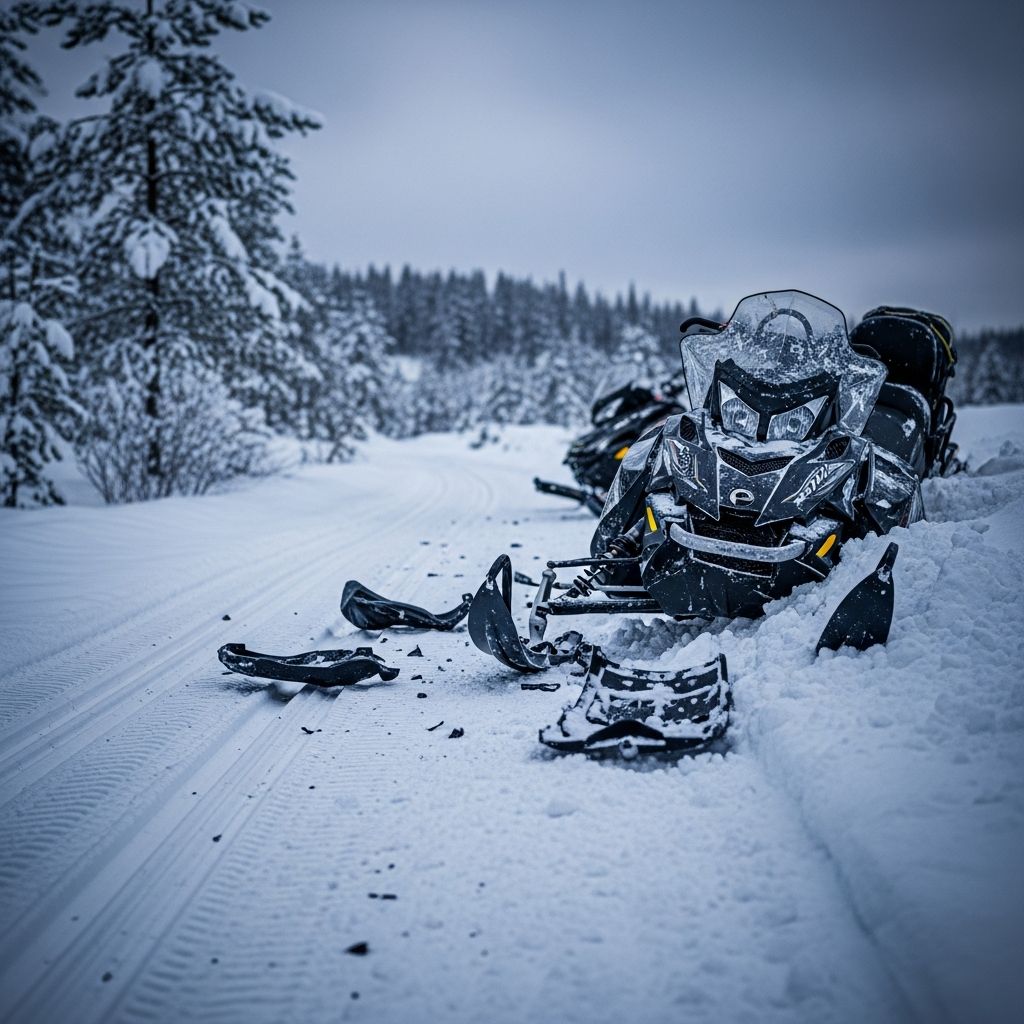
Snowmobiling offers thrilling winter adventures, but accidents can lead to severe injuries and financial burdens. Victims often wonder if they can pursue legal action against those responsible. Yes, compensation is possible through personal injury claims when negligence or recklessness causes harm, covering medical costs, lost wages, and pain.
Common Causes of Snowmobile Injuries
Snowmobile accidents stem from various factors, many involving preventable errors. Understanding these helps identify potential liability.
- Operator Negligence: Riders speeding, performing stunts, or driving impaired by alcohol or drugs frequently cause collisions.
- Trail and Environmental Hazards: Unmarked obstacles, poor maintenance, or icy conditions on trails can lead to crashes if not properly managed.
- Mechanical Failures: Defective brakes, throttles, or steering systems from inadequate maintenance or manufacturing flaws contribute to loss of control.
- Interactions with Other Vehicles: Encounters with cars, pedestrians, or additional snowmobiles in shared areas heighten risks.
These incidents highlight how third-party actions or oversights often play a role, opening doors for claims beyond personal fault.
Determining Who Can Be Held Liable
Liability depends on proving a duty of care was breached, directly causing injuries. Multiple parties may share responsibility.
| Potentially Liable Party | Common Scenarios | Legal Basis |
|---|---|---|
| Other Snowmobile Operators | Reckless driving, failure to yield | Negligence in duty to operate safely |
| Snowmobile Manufacturers/Retailers | Defective parts like brakes or engines | Product liability for design flaws |
| Trail or Property Owners | Poor maintenance, hidden dangers | Premises liability for unsafe conditions |
| Rental Companies | Failing to inspect or maintain vehicles | Negligent entrustment or maintenance |
In cases involving gross negligence, defenses like assumption of risk—common in recreational waivers—may not apply, allowing claims to proceed.
Immediate Actions After a Snowmobile Incident
Quick, correct responses preserve evidence and protect rights. Prioritize safety and documentation.
- Get Medical Help: Even minor-seeming injuries like whiplash or fractures can worsen; records establish injury links.
- Secure the Scene: Photograph damage, injuries, and surroundings; note weather and trail conditions.
- Collect Witness Details: Obtain names and contacts from observers for corroborating statements.
- Report the Event: Notify authorities or trail managers promptly, especially on public lands.
- Avoid Fault Discussions: Refrain from admitting blame to insurers or others.
These steps build a strong foundation for claims, as evidence often determines outcomes.
Navigating Insurance and Initial Claims
Insurance plays a key role, but processes vary by location. Notify providers swiftly to access benefits.
- In regions like Ontario, contact your insurer within seven days for Statutory Accident Benefits; submit applications within 30 days.
- Check for coverage from the at-fault party’s policy, rental insurance, or homeowner policies if applicable.
- Insurers may undervalue claims; professional guidance ensures full pursuit of medical, wage loss, and other benefits.
Deadlines are strict—missing them risks benefit denial. Legal experts assist with paperwork and negotiations.
The Personal Injury Lawsuit Process
If insurance falls short, litigation may be necessary. Here’s a typical timeline.
- Case Evaluation: Attorney reviews evidence to assess viability.
- Demand Letter: Formal notice outlining claims and demanded compensation.
- Filing Complaint: Court documents served to defendants, starting the suit.
- Defendant Response: Answer or counterclaims within set periods; motions to dismiss possible but rare.
- Discovery Phase: Evidence exchange, depositions, expert testimonies.
- Settlement Talks: Most cases resolve here via negotiation or mediation.
- Trial: If needed, judge or jury decides liability and damages.
Throughout, comparative negligence rules may reduce awards based on shared fault percentages.
Statutes of Limitations and Key Deadlines
Time limits bar late claims. Most U.S. states allow 2-3 years for personal injury suits from accident date.
- Notice Periods: Some areas require intent-to-sue notices within 120 days.
- Benefit Applications: As little as 30 days for initial forms.
- Variations: Check local laws; minors or incapacitated parties may get extensions.
Acting promptly avoids permanent loss of rights.
Potential Compensation Types
Successful claims recover various damages.
- Economic: Medical bills, rehabilitation, lost income, future earnings loss.
- Non-Economic: Pain, suffering, emotional distress, reduced life quality.
- Punitive: Rare, for egregious recklessness to punish and deter.
Awards vary by injury severity, fault allocation, and jurisdiction. Thorough documentation maximizes recovery.
Why Hire a Specialized Attorney
Experienced lawyers handle complexities like insurer tactics, evidence preservation, and liability proofs.
- They communicate with parties, negotiate settlements, and litigate if required.
- Free consultations common; no upfront fees via contingency arrangements.
- Firms familiar with snowmobile cases navigate unique defenses like waivers.
Professional involvement often yields higher settlements than self-representation.
Frequently Asked Questions (FAQs)
Can I sue if I signed a waiver before riding?
Waivers cover ordinary risks but not gross negligence or recklessness, allowing claims in those cases.
What if I was partially at fault?
Comparative negligence reduces compensation proportionally to your fault percentage in applicable states.
Does renter’s insurance cover snowmobile accidents?
Possibly, if the snowmobile was on insured property; review policies for specifics.
How long does a snowmobile lawsuit take?
From months for settlements to 1-2 years for trials, depending on complexity.
Are children protected in these claims?
Yes, with extended statutes and guardians pursuing on their behalf.
Preventing Future Snowmobile Mishaps
Beyond legal recourse, proactive measures reduce risks.
- Wear helmets and protective gear; complete safety courses.
- Maintain vehicles regularly; avoid impairments.
- Follow trail rules, ride in groups, and heed conditions.
These habits protect riders and limit liability exposure.
References
- Injured In A Snowmobile Accident? Your First 5 Steps — Preszler Injury Lawyers. Accessed 2026. https://www.preszlerlaw.com/faqs/injured-in-a-snowmobile-accident-your-first-5-steps/
- When Can I Sue for a Snowmobile Accident? — Brandon J. Broderick, Attorney at Law. Accessed 2026. https://www.brandonjbroderick.com/when-can-i-sue-snowmobile-accident
- Pursuing Legal Action for Skiing or Snowmobile Accident Injuries — Legal Examiner Norfolk. Accessed 2026. https://norfolk.legalexaminer.com/eric-washburn/home-family/pursuing-legal-action-for-skiing-or-snowmobile-accident-injuries/
- What are the steps in a personal injury lawsuit? — LawAMP M. Accessed 2026. https://www.lawampm.com/steps-in-personal-injury-lawsuit/
Similar Articles








Read full bio of Sneha Tete


