
Smart Summer Travel: Protecting Your Home and Privacy from Social Media Risks
Learn how vacation posts can expose you to crime and what practical steps keep your home, data, and family safer while you travel.
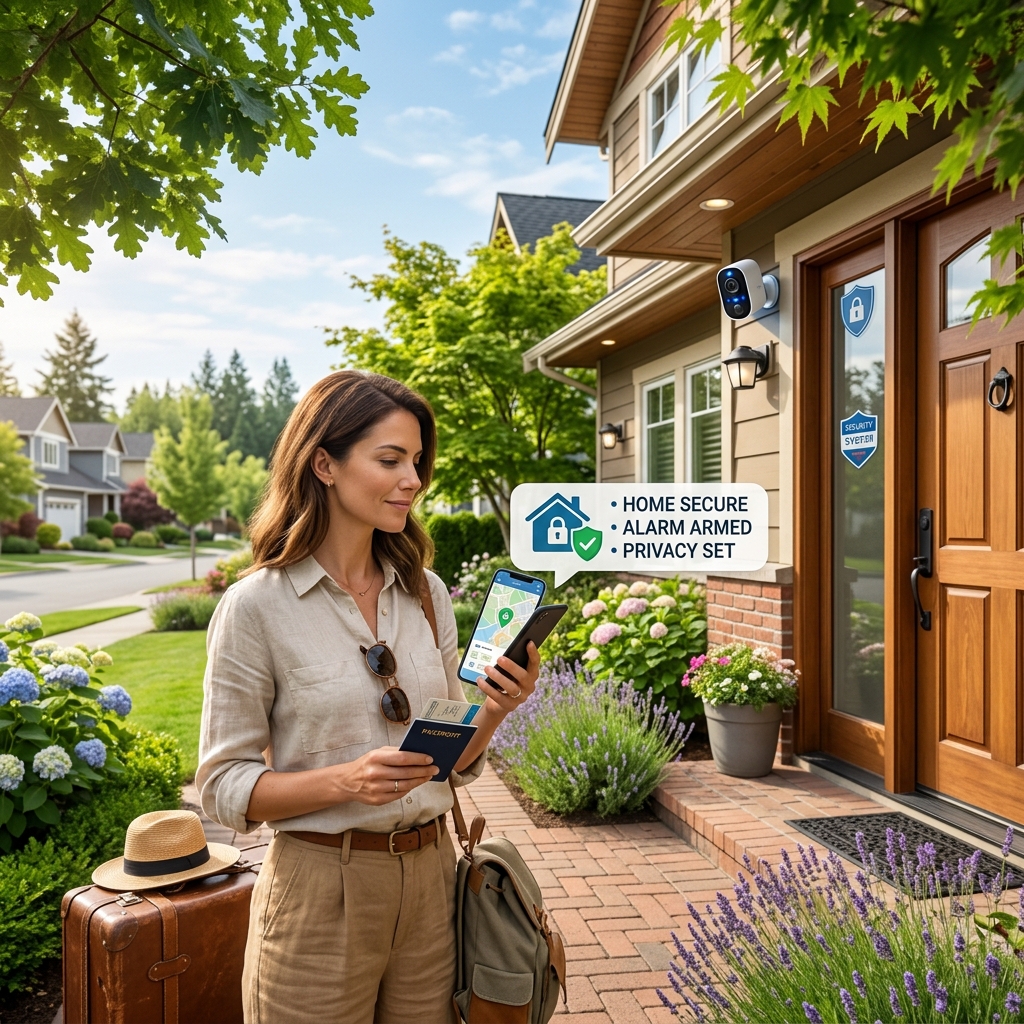
Summer vacations are meant for relaxation, new experiences, and memorable photos. Yet the same photos and status updates that make travel fun to share can quietly turn into a roadmap for criminals. When you publicly announce that you are away from home, you may also be broadcasting that your house is temporarily unoccupied, which increases your risk of burglary and other crimes. Recognizing these risks and planning ahead can dramatically improve your safety while still allowing you to enjoy modern digital life.
How Vacation Posts Turn into Opportunity for Criminals
Social networking platforms make it easy to reveal where you are, how long you will be away, and even what valuables you own. According to digital safety guidance, public posts about travel plans help cybercriminals and opportunistic thieves identify ideal times to act, sometimes combining online data with physical surveillance of neighborhoods. Criminals no longer rely only on chance; they can filter posts and search location tags to find homes likely to be empty.
| Type of Post | Information Revealed | Potential Risk |
|---|---|---|
| “Flying to Hawaii for two weeks!” | Exact duration of absence | Signals a long window when the home is empty |
| Real-time airport or hotel check-ins | Current location far from home | Confirms you cannot quickly return if something happens |
| Photos showing expensive electronics or jewelry | Details about valuables you own | Helps thieves decide whether your home is worth targeting |
| Public reply about your neighborhood | Clues to address or nearby landmarks | Assists in physically locating your residence |
Even if you think your audience is small, social platforms are designed for sharing and resharing. A friend can tag you, comment, or repost, widening the reach far beyond people you personally know. If your profile or posts are public, anyone can view them without your knowledge. That combination of visibility and detail makes it easier for criminals to plan, whether they act themselves or pass information to others.
Digital Safety: Managing Social Media Before, During, and After Travel
Staying safe does not require abandoning social media entirely. Instead, it calls for deliberate privacy choices and timing. Universities and emergency organizations emphasize limiting public disclosures of travel, adjusting privacy settings, and thinking carefully about location data.
Before You Leave: Reduce Your Digital Footprint
- Audit your privacy settings.
Set personal accounts to private so only approved contacts can see posts. Cybersecurity guidance recommends restricting who can view your profile, photos, and past posts to people you trust. This step alone significantly reduces unexpected viewers.
- Review followers and friend lists.
Remove unknown or suspicious accounts. Some criminals create fake profiles to gain access to more detailed information than they could see on public timelines.
- Disable location sharing on social apps.
Many platforms embed GPS data in posts or allow automatic check-ins. Turning off location tracking for social applications limits the amount of real-time travel information visible to others.
- Avoid posting itineraries or booking details.
Never share screenshots of tickets, reservation codes, or boarding passes. Travel documents may include personal data or confirmation numbers that could be misused by identity thieves or scammers.
- Decide in advance to post later.
Commit to treating your trip as “offline-first” and saving highlight posts for when you get home. Making this decision early helps resist the urge to share immediately.
While You Are Traveling: Stay Quiet About Your Absence
- Skip real-time location updates.
Emergency organizations advise against using social media to show where you are during a trip, noting that advertising your absence effectively invites thieves to target your home. Resist the temptation to share beach photos, airport check-ins, or live streams while you are away.
- Use direct messaging for urgent updates.
If you need to coordinate with family or friends, send private messages, texts, or emails instead of public posts. This keeps critical information within a smaller, controlled group.
- Be cautious with public Wi‑Fi.
When you do connect, avoid logging into banking or critical accounts over unsecured networks, and refrain from posting sensitive information. Public networks can be used for data interception and credential theft.
- Limit photos showing access points.
Hotel room numbers, rental property entrances, and nearby street names should not appear clearly in images. These details can be combined with other data points to find your exact location.
After You Return: Safe Sharing of Memories
- Post your highlights once you are back home.
Guidance from safety campaigns and law enforcement emphasizes posting travel pictures after the trip, so you are no longer advertising an empty residence. You can still share the full story, but with far less risk.
- Remove geotags from sensitive photos.
Before uploading, check whether images contain embedded location data. Some cameras and phones record GPS coordinates, which certain platforms may display or store.
- Reflect on what you revealed.
Use the experience to evaluate whether you shared more than necessary, such as high-value items or family routines. Adjust future behavior based on this reflection.
Physical Home Protection While You Travel
Social media is only one part of vacation safety. Criminals may use both digital cues and physical signs to find easy targets. Home and travel safety guidance from organizations such as the Red Cross stresses basic preparation: secure entry points, manage appearance of occupancy, and plan for emergencies.
Prepare Your House for Your Absence
- Lock doors and windows thoroughly.
Verify that all exterior doors are locked and have working deadbolts. Check ground-floor windows, basement entries, and garage doors—common overlooked entrances in burglary cases.
- Use light timers or smart lighting.
Automatic lights that switch on at evenings create the impression of someone being home. Many experts recommend using timers in several rooms rather than only one, to mimic typical household activity.
- Manage mail and deliveries.
Stop postal delivery or ask a trusted neighbor to collect mail and packages. Visible buildup of envelopes or boxes is a classic signal that occupants are away for an extended period.
- Secure valuables out of sight.
Store jewelry, sensitive documents, and small electronics in a safe or another concealed location. Avoid leaving laptops or tablets visible through windows, which could tempt opportunistic thieves.
- Inform someone you trust—but not everyone.
Tell a nearby neighbor or friend that you will be away and ask them to keep an eye on the property, while avoiding broad announcements online.
Choosing Safer Vacation Lodging
Safety continues at your destination. Advice from emergency and travel organizations includes checking exits, locks, and security features in hotels and rental properties.
- Inspect locks and access points.
Upon arrival, verify that room doors, deadbolts, and any adjoining room doors are secure. If you have a balcony or patio, check that exterior access is properly locked, especially on lower floors.
- Locate exits and emergency equipment.
Review the evacuation map, know at least two ways out of your room, and count the number of doors to the nearest exit. This can help if smoke or darkness obscures visibility.
- Store critical items safely.
Use in-room safes or other secure storage for passports, extra cash, and devices when you are not using them, reducing the chance of theft from your temporary accommodation.
- Be careful in shared spaces.
Keep track of room keys and personal belongings in pools, gyms, and parking garages. If you feel unsafe returning to your car, ask staff for assistance.
Balancing Connectivity and Privacy: Practical Posting Strategies
If you enjoy documenting travel, you can adopt a style of posting that maintains your digital privacy. The key is to separate the experience from the live broadcast.
- Create a delayed travel diary.
Keep notes or offline photo collections during the trip. After returning, edit and publish a curated set of posts that describe what happened without disclosing that you were gone in real time.
- Use smaller, controlled audiences.
Some platforms allow close-friends lists, private groups, or limited visibility settings. Share sensitive content only within these zones, avoiding wide public exposure.
- Focus on stories rather than logistics.
Describe cultural experiences, food, or scenery instead of specific room numbers, schedules, or travel routes. This makes posts engaging without revealing exploitable details.
- Consider pseudonyms for locations.
In some cases, you may choose to reference broad regions rather than exact cities or resorts, particularly if your account still has public elements.
Teaching Children and Teens About Online Travel Safety
Young people frequently use social platforms and may not recognize the safety implications of their posts. Family-oriented cybersecurity guidance recommends directly discussing safe sharing rules and modeling good behavior.
- Explain why timing matters.
Use simple examples: if everyone knows the house is empty for a week, someone might try to break in. Helping children understand the connection between online posts and real-world risks can make rules feel more logical.
- Set clear family guidelines.
Agree that nobody posts trip details or real-time location while away, and that all vacation photos go online only after returning. Make the rule consistent for adults and children so it feels fair.
- Review privacy settings together.
Help children configure private accounts, limit followers to people they actually know, and understand how to block or report suspicious users.
- Encourage offline enjoyment.
Remind children that they do not need to share everything immediately. Promoting presence in the moment can also reduce social pressure around constant posting.
Frequently Asked Questions (FAQs)
1. Is it ever safe to post while I am on vacation?
Any public post that shows you are away from home carries some level of risk, especially if your profile includes clues to your location or home address. If you choose to post while traveling, limit visibility to a small, trusted audience, avoid sharing how long you will be gone, and keep geotags turned off. From a safety perspective, waiting until you return home is the more secure option.
2. My account is private. Do I still need to worry about criminals?
Private accounts are safer than public ones, but they are not perfect. If you accept follow requests from people you do not know, you may inadvertently give strangers access to detailed information. Additionally, close contacts could share or screenshot your posts. Maintaining a small, verified follower list and being selective about what you share reduces these risks.
3. Why do safety organizations warn specifically about social media and travel?
Organizations involved in emergency management and cybersecurity highlight social media travel posts because they combine three critical elements: timing (when you are gone), location (where you live and are visiting), and personal details. Together, those elements can be exploited for burglary, identity theft, fraud, or harassment, especially when combined with public records or mapping tools.
4. Do these precautions only apply to summer vacations?
While guidance often appears in summer travel campaigns, the principles apply year-round. Any time you are away from home—whether for holidays, business trips, or weekend getaways—announcing absence publicly increases risk. Treat every trip with similar digital and physical safety planning.
5. How can I enjoy sharing travel stories without feeling anxious?
Safety and enjoyment can coexist. By shifting sharing to after the trip, using private audiences, and avoiding specific logistics, you can still post meaningful photos and reflections. Viewing these measures as part of responsible digital citizenship helps frame them positively rather than as restrictions.
References
- Bee Safe at Home: Summer travel and social media — Yale University Cybersecurity. 2023-06-01. https://cybersecurity.yale.edu/newsletter/summer2023/bee-safe-at-home
- Steps to Help You Stay Safe on Summer Vacation — American Red Cross. 2024-06-10. https://www.redcross.org/about-us/news-and-events/news/2024/steps-to-help-you-stay-safe-on-summer-vacation.html
- Five Surprising Summer Vacation Safety Tips — Children’s Primary Care Medical Group. 2022-06-15. https://www.cpcmg.net/five-surprising-summer-vacation-safety-tips/
- 10 Surprising Summer Vacation Safety Tips — Allianz Travel Insurance. 2021-06-01. https://www.allianztravelinsurance.com/travel/planning/ten-summer-safety-tips.htm
- Summer Travel Safety Tips — SOS International. 2023-07-20. https://sosresponds.org/blog/summer-travel-safety-tips/
Similar Articles








Read full bio of Sneha Tete


