
DIY Will: When To Use One, Risks, And 6 Practical Steps Today
Explore when a DIY will can work, when to call a lawyer, and how to avoid costly estate planning mistakes.
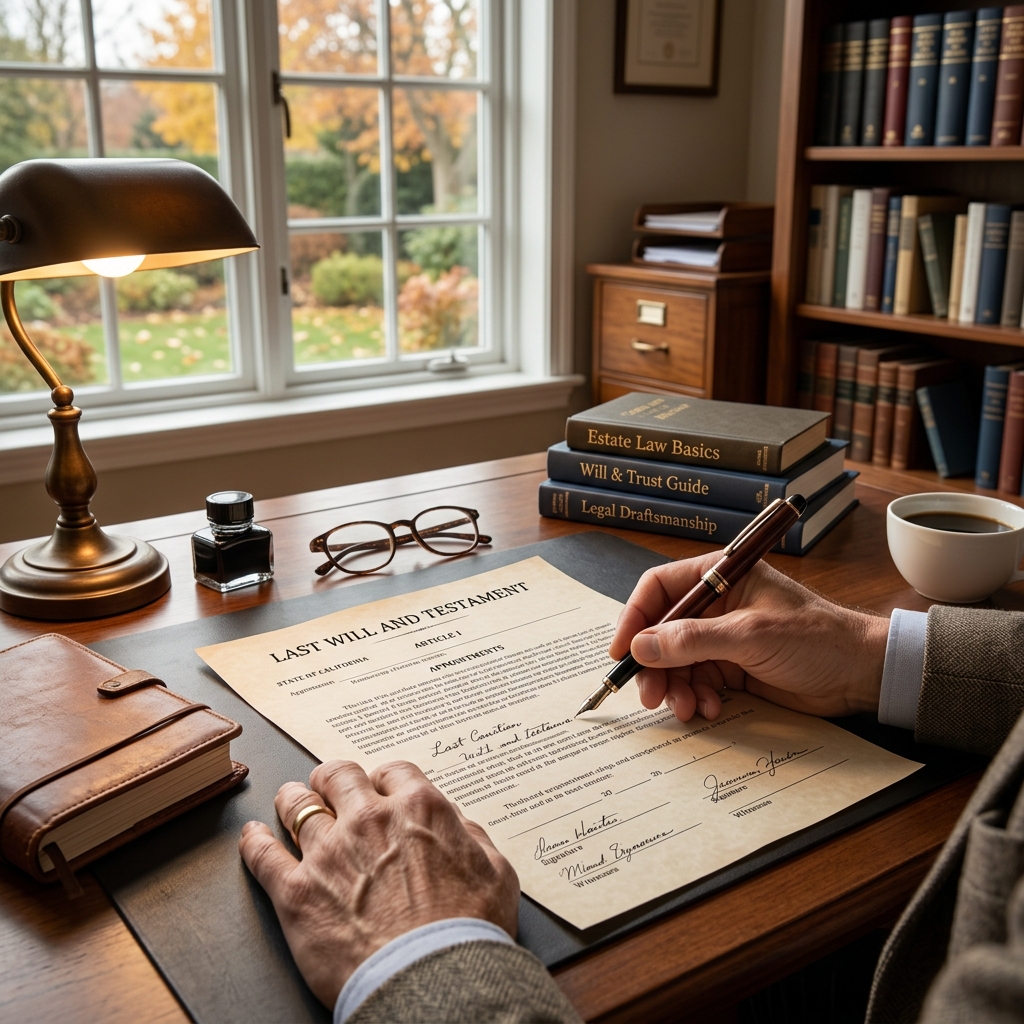
Creating a last will and testament is one of the most important steps in organizing your financial life and protecting the people you care about. In many places, you are legally allowed to write your own will without hiring a lawyer, but that does not mean it is always the best option. This guide explains when a do‑it‑yourself (DIY) will can make sense, when professional legal help is strongly recommended, and how to minimize risks if you decide to draft a will on your own.
Why Having Any Will Matters More Than How You Write It
Before comparing DIY wills and lawyer‑drafted wills, it helps to understand why having a will at all is so critical. A will is a legal document that states who should receive your property, who is in charge of administering your estate, and, if applicable, who should care for your minor children after you die. Without a will, state “intestacy” laws decide these questions, which may lead to outcomes you would not have chosen.
- Control over distribution: A will lets you decide exactly who inherits your money, real estate, and personal items.
- Clear direction for family: Written instructions reduce conflict and confusion among surviving relatives.
- Guardianship decisions: Parents can nominate guardians for minor children, instead of leaving that decision entirely to the courts.
- Executor appointment: You can select a trusted person to manage your estate through the probate process.
From a legal perspective, a will is valid only if it meets your jurisdiction’s formal requirements, such as your age, mental capacity, and proper witnessing or signing procedures. If those requirements are not satisfied, a court may treat the document as invalid, effectively leaving you without a will.
Are DIY Wills Legal?
In most U.S. states, individuals may prepare their own wills, either handwritten or typed, and the document can be legally binding if it meets state‑specific rules. These rules typically address:
- Age and capacity: You must generally be at least 18 years old and of sound mind when you sign the will.
- Voluntary action: The will must be made freely, without pressure, coercion, or fraud.
- Signature and date: You must sign and date the will, usually at the end of the document.
- Witnesses: Many states require two adult witnesses, who observe you signing and then sign themselves.
- Format: Some states permit handwritten (holographic) wills without witnesses, while typed wills often need formal witnessing.
Because these legal standards vary from state to state, a DIY will that would be valid in one jurisdiction may fail in another. Estate planning attorneys and legal aid sites consistently stress the importance of following the exact rules in your state to avoid invalidating the document.
Key Advantages of Drafting Your Own Will
Writing your own will can be appealing, especially if your financial situation is relatively straightforward. Common benefits include:
- Lower upfront cost: A self‑prepared will or low‑cost online template is usually cheaper than hiring a private lawyer, particularly if your estate is small.
- Convenience: You can work on your will at home and at your own pace, using checklists or software platforms that guide you through basic decisions.
- Immediate action: In urgent situations, a simple handwritten will may be better than leaving no directions at all.
- Greater privacy: Some people prefer not to discuss personal finances and family relationships in detail with a professional unless necessary.
These advantages are strongest for people whose estates are simple, such as those with a single home, modest accounts, and clearly identified heirs. However, even seemingly simple situations can involve legal nuance, so it is important not to underestimate possible complications.
Major Risks and Limitations of DIY Wills
The main arguments against drafting your own will focus on the risk of errors, ambiguity, and unintended consequences. Estate planning experts frequently point out that problems in a will may not surface until after your death, when you are no longer able to clarify what you intended.
- Technical invalidity: If you fail to meet formal requirements such as proper witnessing or capacity, the court can reject the will entirely.
- Ambiguous language: Vague or conflicting instructions may fuel family disputes and litigation over your estate.
- Overlooking assets: DIY documents may ignore retirement accounts, insurance policies, and jointly owned property, each of which often has separate rules or beneficiary designations.
- Tax and creditor issues: Poor planning can increase estate taxes or make it easier for creditors to claim more of your property.
- Complex family circumstances: Second marriages, stepchildren, estranged relatives, or special‑needs dependents often require customized legal language that simple templates cannot provide.
Because of these concerns, professional organizations such as the American College of Trust and Estate Counsel (ACTEC) emphasize that hiring an attorney is usually safer when you have time to plan. DIY wills may be most appropriate as a temporary measure or for truly uncomplicated situations.
Comparing DIY Wills and Lawyer‑Drafted Wills
The choice between a self‑written will and a professionally prepared one depends on your priorities, budget, and complexity of your estate. The table below highlights key differences.
| Aspect | DIY Will | Lawyer‑Drafted Will |
|---|---|---|
| Cost | Typically low or free using online tools, though risk of errors may create higher costs later. | Higher upfront fees, especially for complex estates, but may reduce future disputes and tax issues. |
| Complexity Handling | Best for simple estates with few beneficiaries and straightforward asset distribution. | Designed to handle complex family structures, business interests, and advanced planning strategies. |
| Legal Compliance | Relies on your ability to follow state rules for validity and execution. | Attorney is trained to ensure the will complies with current law and local court practice. |
| Customization | Limited customization based on templates or your own drafting skills. | Highly tailored to your goals, including trusts, tax planning, and protective provisions. |
| Risk of Disputes | Higher risk due to potential ambiguity or omissions. | Lower risk when the will is clear, comprehensive, and prepared with professional advice. |
Signs You Might Be a Good Candidate for a DIY Will
Consider a self‑written will if most or all of the following apply to your situation:
- You own basic assets such as a home, one or two bank accounts, and personal property, but no closely held business or rental real estate.
- You intend to leave everything to a spouse, partner, or a small number of close relatives, with no complicated formulas or conditions.
- You do not anticipate disputes among heirs and your family relationships are stable and cooperative.
- You live in a state whose will requirements you can clearly understand and follow, including witnessing and signing rules.
- You are comfortable using reputable will‑creation tools or templates and willing to read instructions carefully.
Even in these circumstances, it can be wise to have a lawyer review your draft, particularly if you have any doubts about clarity or legal compliance.
Situations Where Professional Help Is Strongly Recommended
Estate planning becomes significantly more complex in certain scenarios, and DIY wills may not be sufficient. You should strongly consider hiring an experienced estate planning attorney if you face any of the following:
- Blended families: You have children from different relationships or a stepfamily and want to distribute assets fairly among them.
- Business ownership: You own a business, investment properties, or substantial intellectual property.
- Large or diverse assets: Your estate includes multiple homes, complex investments, or significant retirement and brokerage accounts.
- Special‑needs dependents: Someone relies on you financially and may need long‑term care, making special‑needs trusts and benefit planning essential.
- Potential estate tax exposure: Your assets may trigger estate or inheritance taxes, and you want to minimize the burden on your beneficiaries.
- Prior disputes: Your family has a history of conflict over money or property, increasing the risk that your will could be challenged.
In these more complex situations, a lawyer can “issue‑spot,” design appropriate trust structures, and ensure that your plan aligns with current law, which reduces the chance of costly court battles later on.
Practical Steps If You Decide to Draft Your Own Will
If you are leaning toward a DIY will, you can take several practical steps to make the document clearer and more likely to be upheld.
1. Clarify Your Objectives
Begin by writing down what you want your will to accomplish. Legal aid organizations recommend starting with questions such as:
- Who should inherit specific assets and sentimental items?
- Should any charities or non‑profits receive part of your estate?
- Who is best suited to serve as executor and manage the estate?
- Do you need to name guardians for minor children?
- Do you want your will to mention funeral or memorial preferences?
2. List Assets and Beneficiaries
Next, prepare an inventory of your major assets, including real estate, vehicles, bank and retirement accounts, life insurance, and valuable personal property. For each item, note who should receive it. This level of detail helps prevent overlooked assets and increases the likelihood that your wishes will be carried out.
3. Choose an Executor
Your executor (sometimes called a personal representative) is the person who will file the will with the court, pay your debts and taxes, and distribute property according to your instructions. Select someone trustworthy, organized, and willing to take on the responsibility. It is often wise to ask them in advance and name an alternate in case your first choice cannot serve.
4. Use Reliable Templates or Tools
Several reputable organizations provide structured will‑creation tools or forms, sometimes tailored to specific states. These resources usually prompt you to enter required information and produce a formatted document. While they do not replace legal advice, they reduce the chance of missing basic elements such as executor designation or witness signatures.
5. Follow Signing and Witness Rules Precisely
To make your DIY will legally enforceable, signing and witnessing must follow your state’s rules exactly.
- Sign the will at the end of the document, using ink.
- Confirm that you are of legal age and sound mind at the time of signing.
- Have the required number of adult witnesses watch you sign, then sign themselves in your presence.
- Use “disinterested” witnesses who are not beneficiaries, to reduce challenges later.
Notarization is often not required for a will to be valid, although some states allow you to create a “self‑proving” affidavit that can simplify probate. Legal guidance emphasizes that notarization cannot fix a will that fails to meet basic legal standards.
6. Store and Update Your Will Responsibly
Once your will is signed, you should keep the original document in a safe but accessible place, such as a fire‑resistant home safe or safe‑deposit box, and tell your executor how to find it. Some jurisdictions also allow you to file a copy with the local probate court for a small fee.
Review your will periodically, especially after major life events such as marriage, divorce, birth or adoption of children, or significant changes in assets. Many legal resources advise creating a new will rather than writing handwritten changes on the original, because informal edits can create confusion or invalidate parts of the document.
Frequently Asked Questions About DIY Wills
Can a handwritten will be valid?
Some states recognize handwritten (holographic) wills, but requirements differ. Often the entire document must be in your handwriting, signed, and clearly express your testamentary intent. Even when accepted, handwritten wills can be easier to challenge, so they are typically recommended only for emergencies or very simple situations.
Do I need a lawyer if my estate is small?
Not necessarily. If your estate is modest and uncomplicated, a carefully prepared DIY will or an online will service can cover basic needs. However, a brief consultation with an attorney can still be useful, especially if you have questions about local law or beneficiary designations.
Does notarizing my will make it valid?
Notarization by itself does not usually make a will valid. Validity depends more on following witness rules, age and capacity requirements, and proper execution. A notary can add an extra layer of proof, but cannot repair a will that is otherwise defective.
What happens if I die without a will?
If you die without a will, your state’s intestacy laws determine who inherits your property. Generally, spouses, children, and other close relatives have priority, but the specific distribution may differ from your preferences. You also lose the ability to name guardians for minor children or choose your executor.
Can I change my DIY will later?
Yes. You may revoke or replace a DIY will at any time while you are alive and competent. Legal guidance often recommends drafting a new will that clearly states it revokes all prior wills, then destroying earlier copies to avoid confusion. If your situation becomes more complex, you can ask an attorney to prepare an updated document.
Balancing Cost, Simplicity, and Peace of Mind
Deciding whether to draft your own will is ultimately a balance between cost, complexity, and peace of mind. For straightforward estates and clear family situations, a well‑prepared DIY will that follows state rules can be an effective solution. For more complicated circumstances, or for people who want added assurance that their wishes will be honored, professional legal advice is often worth the investment.
References
- How Can I Make a Will Without a Lawyer? — National Council on Aging. 2023-03-09. https://www.ncoa.org/article/how-to-make-a-will-without-a-lawyer/
- How To Write A Will: A Step-By-Step Guide — MetLife. 2023-10-19. https://www.metlife.com/stories/legal/how-to-write-a-will/
- How to Write a Will That Makes Your Intentions Clear — AARP. 2022-08-16. https://www.aarp.org/money/personal-finance/how-to-write-a-will/
- Can I Do a Will for Myself? — American College of Trust and Estate Counsel (ACTEC). 2018-05-01. https://www.actec.org/resource-center/video/can-i-do-a-will-for-myself/
- Can I Write My Own Will and Have It Notarized? — LegalShield. 2024-01-10. https://www.legalshield.com/blog/can-i-write-my-own-will
- Can You Write Your Own Will? The Pros and Cons of DIY Wills — Babu Estate Law. 2023-06-14. https://babuestatelaw.com/can-you-write-your-own-will-the-pros-and-cons-of-diy-wills/
- Making a Will in Michigan — Michigan Legal Help. 2023-04-01. https://michiganlegalhelp.org/resources/wills-and-life-planning/making-will-michigan
Similar Articles








Read full bio of medha deb


