
Recognizing and Avoiding Credit Card Marketing Scams
Learn how deceptive credit card offers and marketing tricks work so you can protect your finances and your identity.
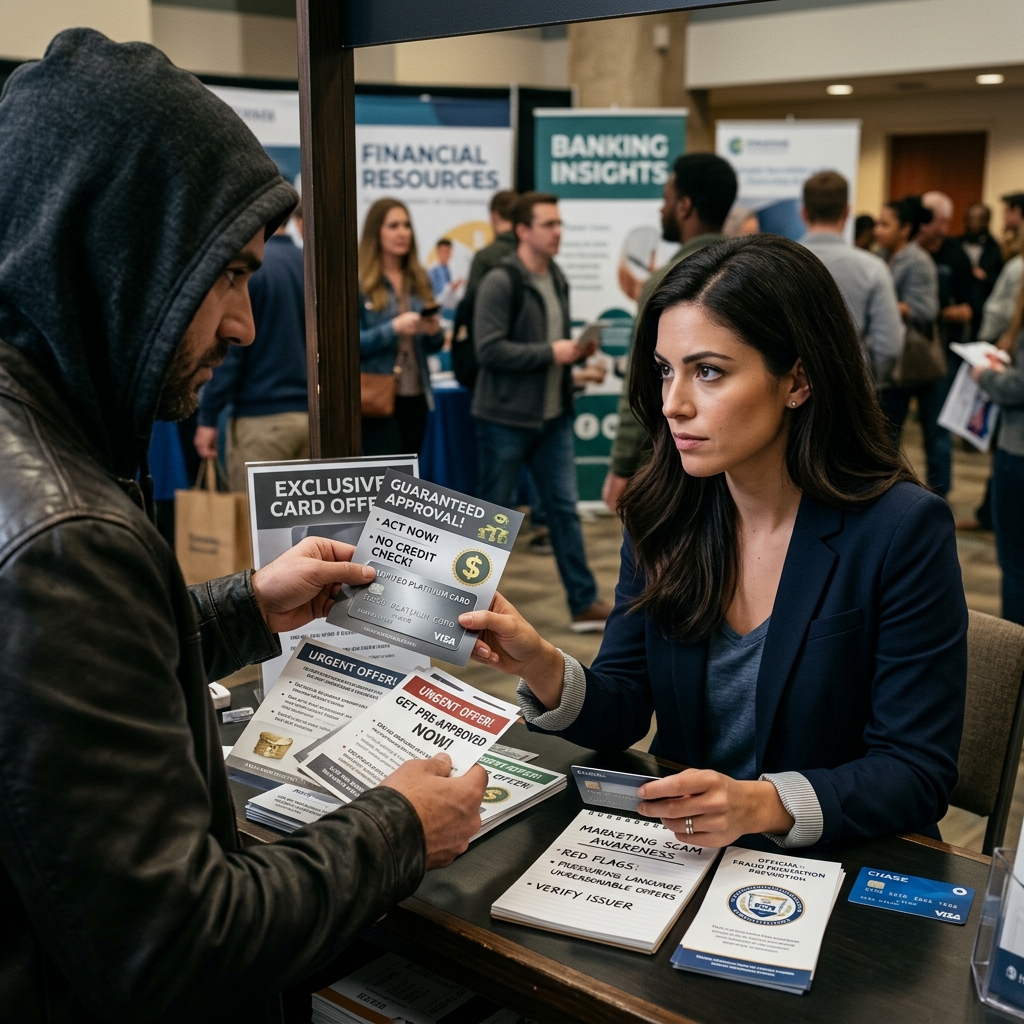
Credit cards can be a useful tool for building credit and managing everyday expenses, but the marketing around them is also a fertile ground for scams and deceptive offers. Unscrupulous companies and outright fraudsters use misleading advertising, hidden fees, and fake promises to target people who need credit the most, including those with damaged credit or limited financial experience.
This guide explains how credit card marketing scams work, what warning signs to watch for, and the practical steps you can take to protect your money, your identity, and your credit history. It focuses especially on deceptive promotions and secured card offers, not on legitimate credit card products that follow consumer protection laws.
Why Credit Card Marketing Is Attractive to Scammers
Credit cards sit at the intersection of consumer finance, data, and trust. People share sensitive information—Social Security numbers, income, address—based on the expectation that the company is legitimate and will handle that data securely. Scammers exploit this trust to harvest personal information, collect upfront fees, or trick consumers into unfavorable agreements.
- High demand for credit: Many consumers with thin or damaged credit files are actively searching for ways to qualify for major cards, making them more vulnerable to promises of guaranteed approval.
- Complex terms: Interest rates, fees, and credit reporting practices can be confusing. Fraudulent marketers rely on this complexity to hide costs and conditions.
- Remote channels: Offers are often delivered by mail, email, text, online ads, or phone calls—channels that make it easier to conceal identity and avoid scrutiny.
Understanding these dynamics makes it easier to see why certain advertising tactics are red flags rather than genuine opportunities.
Common Types of Credit Card Marketing Scams
Although scams vary in detail, most fall into a few patterns. Below are some of the most common marketing-based schemes that misuse the language of credit cards to lure consumers.
1. “Guaranteed Approval” and “Everyone Qualifies” Offers
One classic scam is the promise that anyone can obtain a major credit card, regardless of credit history, as long as they pay an upfront fee or make a large deposit. Legitimate lenders evaluate applications using credit checks, income verification, and other criteria. When a marketer claims that no one is ever denied and emphasizes urgency or secrecy, it is often a sign of deception.
- Ads may emphasize phrases like “no credit check,” “instant approval,” or “everyone accepted” while downplaying how the account actually works.
- Consumers are sometimes asked to pay a processing fee, membership fee, or “application charge” before receiving any card or disclosure.
- In some schemes, the card provided is not a major credit card at all, but a card that can only be used to buy goods from a single company at inflated prices.
In the United States, consumer protection rules require clear disclosure of costs and terms for credit cards. Any offer that refuses to describe the interest rate, fees, or credit limit until after you pay is a significant warning sign.
2. Misleading Secured Credit Card Promotions
Secured credit cards are legitimate products in which you provide a cash deposit, typically equal to the credit limit, as collateral. When offered by reputable banks, secured cards can help build or rebuild credit because payment history is reported to major credit bureaus and the deposit is refunded if the account is closed in good standing.
However, some marketers exploit the concept by presenting secured cards in a misleading way:
- They emphasize future upgrades to “gold” or “platinum” cards without explaining that such upgrades are not guaranteed.
- They charge high, non-refundable fees in addition to the security deposit, leaving the consumer with very little usable credit line.
- They imply that the card is associated with a major network, but it may only be accepted by a small set of merchants or within a proprietary catalog.
| Feature | Legitimate Secured Card | Deceptive Offer |
|---|---|---|
| Disclosure of APR & Fees | Clear, written disclosures before you pay | Vague promises, terms revealed only after paying |
| Use of Deposit | Deposit held as collateral and refundable if terms are met | Deposit or “membership” fee largely non-refundable |
| Where Card Works | Accepted wherever the network (e.g., Visa, Mastercard) is honored | Limited to a specific catalog or small group of merchants |
| Credit Reporting | Issuer reports to major credit bureaus | Little or no information on whether payments are reported |
Before applying, verify that the issuer is a recognized financial institution and confirm whether they report to major credit bureaus such as Equifax, Experian, or TransUnion.
3. Fake “Pre-Approved” or “Upgrade” Notices
Consumers may receive mailers, emails, or texts claiming they have been “pre-approved” for an upgrade to a premium card or a higher credit limit. Some of these offers are genuine, but others are marketing ploys or outright scams.
- Some notices are designed to look like they come from your current bank but actually originate from an unrelated company.
- They may ask for sensitive information—Social Security number, bank account details—to “complete the upgrade”.
- In more aggressive scams, the consumer is asked to pay a fee to secure the offer or to access exclusive rewards.
Legitimate pre-approval letters from well-known issuers include the name of the bank, contact channels you can verify independently, and detailed rate and fee information. If an upgrade notice pressures you to act immediately or threatens penalties for ignoring it, treat it as suspicious.
4. Phishing and Spoofed Websites Disguised as Card Issuers
Phishing scams use emails, texts, social media, or pop-ups that appear to come from your bank or a card network. They typically claim there is a problem with your account or offer a new card if you click a link and enter your details.
- Emails or texts: Messages may mimic logos and language of real institutions, warning of urgent issues like account suspension.
- Spoofed websites: Links lead to sites that closely resemble the legitimate bank page but have slightly altered URLs.
- Data harvesting: Once you enter login credentials or card numbers, scammers use them to commit card-not-present fraud or identity theft.
U.S. consumer protection agencies advise that you do not click on unexpected links in messages claiming to be from your bank. Instead, navigate to the official website directly by typing the address into your browser or using the institution’s app.
5. Catalog Cards and Restricted-Use Credit Offers
Some promotions offer what appears to be a general-purpose credit card but is, in reality, only valid for purchasing goods from a particular catalog or limited merchant network. The marketer may highlight the size of the credit line but omit that the card cannot be used elsewhere.
- Goods offered may be overpriced or of low quality, reducing the value of the credit line.
- Consumers sometimes pay high membership or activation fees for a card that is essentially a store account rather than a widely accepted credit card.
- Terms may be buried in fine print, while the main message focuses on status labels like “gold” or “platinum”.
Always check whether a card carries a recognized payment network logo and confirm where you can use it before agreeing to any fees.
Key Warning Signs of Deceptive Credit Card Marketing
Although scams differ, many share common traits. You can reduce your risk by watching for the following warning signs whenever you receive a credit card offer:
- Upfront payment required: Requests for application fees, processing fees, or other charges before you receive complete written terms are a significant red flag.
- Lack of clear disclosure: Difficulty obtaining the APR, annual fee, credit limit, or details about how payments are reported to credit bureaus indicates possible deception.
- Pressure and urgency: Messages that insist you must act immediately or lose the offer often aim to prevent you from carefully reviewing the terms.
- Unverified contact channels: Offers sent by unfamiliar email addresses, phone numbers, or websites that do not match the official bank domain may be fraudulent.
- Too-good-to-be-true promises: Claims of guaranteed approval, extremely high limits with poor credit, or luxury rewards with no clear qualification criteria should be treated cautiously.
How to Evaluate a Credit Card Offer Safely
Before responding to any marketing message, take time to verify the legitimacy of the offer and understand its terms. Consumer protection authorities and reputable financial institutions recommend the following steps.
Step 1: Confirm the Issuer
- Search for the company independently rather than using links in the message.
- Check whether the name matches a recognized bank, credit union, or card issuer.
- Look for information from official domains (e.g., government consumer sites or the institution’s own website) that confirm the product exists.
Step 2: Request Full Written Terms
- Ask for documentation that clearly lists the APR, fees, credit limit, and any collateral or deposit requirements.
- Verify whether the card reports to major credit bureaus if you are seeking to build credit.
- Confirm where the card can be used and whether it is part of a major network.
Step 3: Compare With Alternatives
- Use offers from well-known banks or credit unions as benchmarks for fees and interest rates.
- Consider whether a mainstream secured card from a reputable institution provides better value and clearer protections.
- Evaluate whether you genuinely need the card or are being influenced by status labels and marketing language.
Step 4: Protect Your Personal Information
- Do not provide your Social Security number, bank account information, or full card numbers over the phone or via email unless you initiated contact through a verified channel.
- Ensure that any website where you submit an application uses encryption (look for “https” and your institution’s correct domain name).
- If in doubt, apply directly through the institution’s official website or branch rather than through a third-party marketing link.
If You Suspect You’ve Fallen for a Credit Card Marketing Scam
Acting quickly can limit financial damage and help protect your identity. U.S. regulators and financial institutions recommend a series of steps when fraud or deception is suspected.
- Contact your card issuer or bank immediately: Report any unauthorized applications or charges, ask to block the card if necessary, and request a new account number.
- Place a fraud alert on your credit reports: Contact one of the major credit bureaus; that bureau will notify the others so creditors know to verify your identity more carefully.
- Review your credit reports and statements: Check for unfamiliar accounts or inquiries and dispute any that you did not authorize.
- Report identity theft or fraud: File a report with the Federal Trade Commission’s IdentityTheft.gov and consider notifying local law enforcement, especially if substantial loss is involved.
- Preserve documentation: Keep copies of emails, letters, contracts, and receipts related to the offer or scam; they may be useful in any investigation or dispute.
In some cases, regulators can bring enforcement actions against deceptive marketers, and card issuers may assist consumers in resolving fraudulent activity. While not all losses can be recovered, early reporting improves your chances.
Practical FAQs About Credit Card Marketing Scams
FAQ 1: Are all secured credit card offers risky?
No. Many secured cards issued by established banks are legitimate and are often recommended by consumer advocates to build or rebuild credit. The risk arises when little-known marketers promote secured cards with unclear terms, high non-refundable fees, or limited usability. Always verify the issuer and request full disclosures before applying.
FAQ 2: How can I tell if a pre-approved mailer is real?
Look for the name of a recognized institution, detailed information about rates and fees, and contact channels you can verify independently. Avoid calling numbers or clicking links directly from the mailer until you confirm they match the bank’s official website or customer service. If anything feels inconsistent, contact the bank through a known phone number or app.
FAQ 3: Is it safe to respond to credit card offers I receive by email?
Many legitimate banks send promotional emails, but phishing is also common. If you are interested in an offer, do not click on embedded links. Instead, go directly to the bank’s official website or app and look for the offer there, or call the institution using a publicly listed number. This minimizes the risk of entering data on spoofed sites.
FAQ 4: What should I do if I paid an upfront fee for a card that never arrived?
Immediately contact the company and demand written explanations or a refund. At the same time, notify your bank if the payment was made by card or transfer and ask whether a dispute is possible. Consider filing complaints with the Federal Trade Commission and your state consumer protection agency, especially if the company refuses to respond.
FAQ 5: Can credit card marketing scams affect my credit score?
Yes. If scammers open accounts in your name or if deceptive offers lead you to accounts with high fees and unfavorable terms, your credit utilization and payment history can suffer. Checking your credit reports regularly and placing a fraud alert if suspicious activity appears can help mitigate this risk.
Building Safe Habits Around Credit Card Offers
Scams thrive when consumers are rushed, uncertain, or uninformed. By developing a few consistent habits, you can navigate credit card marketing with greater confidence:
- Take time to read all disclosures before agreeing to any credit product.
- Verify the issuer and avoid responding to unsolicited offers through unverified channels.
- Use trusted financial institutions and official websites when seeking secured cards or credit-building tools.
- Monitor your statements and credit reports at least annually so you can catch and address problems early.
Credit cards themselves are not inherently deceptive; the danger lies in companies and individuals who use misleading marketing to exploit consumers. By staying informed and cautious, you can access credit responsibly while avoiding costly traps.
References
- Secured Credit Card Marketing Scams — Consumer Reports Advocacy. 2000-06-01. https://advocacy.consumerreports.org/research/secured_credit_card_marketing_scams/
- How to Avoid Credit Card Scams — University of Michigan Credit Union (UMCU). 2023-05-10. https://www.umcu.org/learn/resources/blogs/how-to-avoid-credit-card-scams
- Credit Card and Debit Card Fraud — Office of the Comptroller of the Currency (OCC). 2022-07-15. https://www.occ.gov/topics/consumers-and-communities/consumer-protection/fraud-resources/credit-card-and-debit-card-fraud.html
- Credit Card Scams to Avoid in 2026 — Allstate Identity Protection. 2024-01-05. https://www.allstate.com/resources/identity-protection/credit-card-scams
- Avoiding and Reporting Gift Card Scams — Federal Trade Commission (FTC). 2023-04-20. https://consumer.ftc.gov/articles/avoiding-and-reporting-gift-card-scams
Similar Articles








Read full bio of Sneha Tete




