
Reverse Mortgages and the Shadow of Subprime Lending
An in-depth look at how reverse mortgages work, why critics compare them to subprime loans, and what protections and risks modern borrowers face.
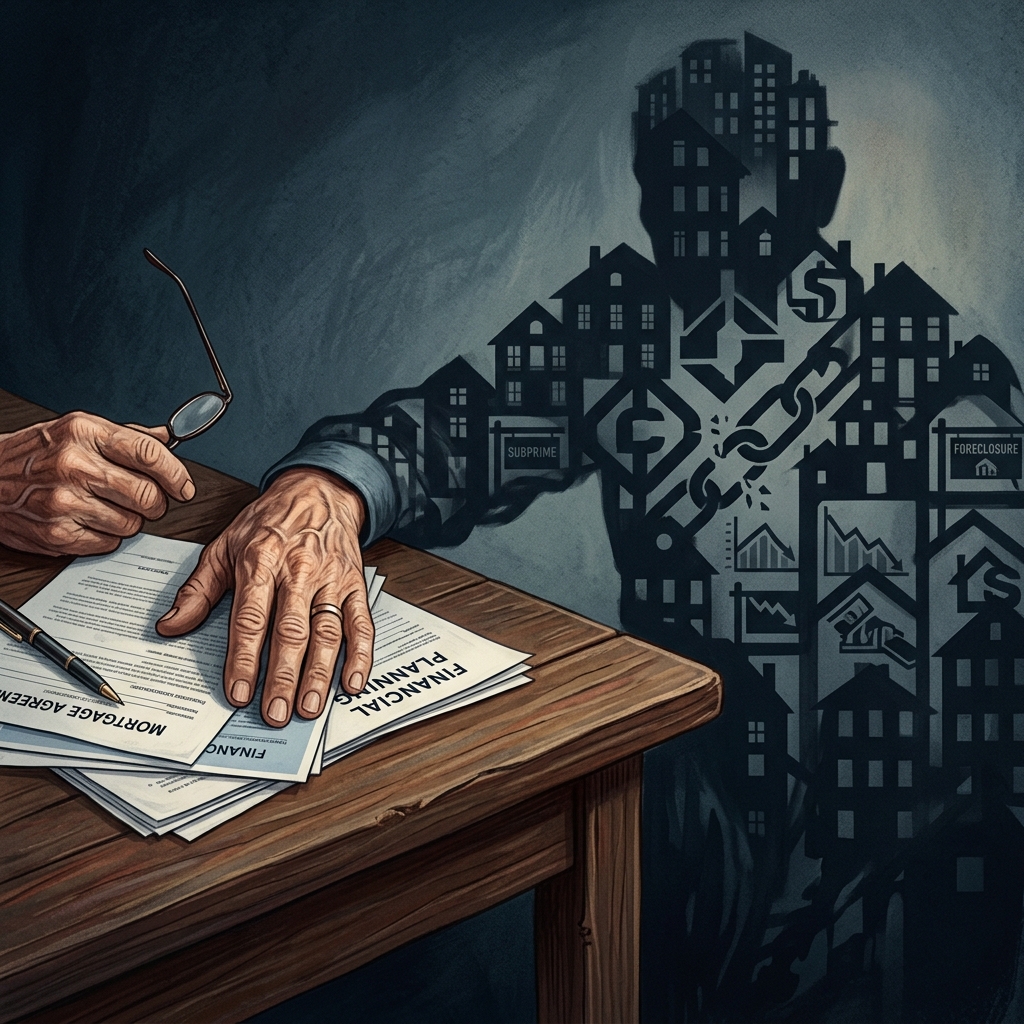
Reverse mortgages have moved from niche product to mainstream retirement tool over the past two decades, promising older homeowners cash from their home equity without monthly payments. At the same time, critics warn that these loans may echo the problems seen in subprime mortgages before the financial crisis, especially for vulnerable borrowers who do not fully understand the long-term implications.
This article explains how reverse mortgages work, why some analysts compare them to subprime lending, what safeguards exist today, and how older homeowners can evaluate whether this type of loan fits into a sound retirement strategy.
Understanding Reverse Mortgages: Core Mechanics
A reverse mortgage is a loan available to homeowners above a certain age—typically 62 or older—that allows them to convert part of their home equity into cash, without making mandatory monthly mortgage payments. Instead of paying the lender each month, the borrower receives money and the loan balance increases over time.
The most common form in the United States is the Home Equity Conversion Mortgage (HECM), which is insured by the Federal Housing Administration (FHA). These loans must follow specific rules on eligibility, counseling, and loan limits.
Basic Features
- Eligibility age: Generally 62 or older for HECM loans.
- Primary residence requirement: The property must be the borrower’s main home, and they must continue living there.
- No monthly mortgage payments: Borrowers are not required to make principal and interest payments as long as they meet loan conditions; the balance grows instead.
- Loan repayment trigger: The loan is due when the borrower sells the home, moves out permanently, fails to meet obligations such as taxes or insurance, or dies.
- Payout options: Lump sum, monthly payments, line of credit, or a combination.
- Non-recourse structure: Most HECMs are non‑recourse, meaning neither the borrower nor heirs owe more than the home’s value at repayment.
Key Financial Dynamics
Reverse mortgages invert the familiar logic of traditional mortgages. In a standard mortgage, you gradually build equity by paying down the loan. With a reverse mortgage, the loan balance steadily rises and home equity declines, unless property values increase sufficiently to offset the accumulating debt.
The balance grows due to:
- Interest charges added to the outstanding principal each month.
- Mortgage insurance premiums and servicing fees, which are often financed into the loan rather than paid out of pocket.
- Any cash advances taken through monthly payments, lump sums, or draws from a credit line.
| Feature | Reverse Mortgage | Traditional Mortgage |
|---|---|---|
| Monthly Payments | No mandatory payments; balance grows. | Borrower pays principal and interest monthly. |
| Borrower Age | Typically 62+. | Any adult meeting credit and income requirements. |
| Equity Trend | Generally declines over time. | Generally increases as loan is repaid. |
| Loan Repayment | Due at move-out, sale, or death. | Ongoing payments until balance is fully paid or home sold. |
| Tax Treatment of Proceeds | Cash received is loan proceeds, not taxable income. | No cash received; payments may yield tax-deductible interest. |
Why Some Compare Reverse Mortgages to Subprime Loans
Before the 2008 financial crisis, subprime mortgages were heavily marketed to borrowers with weak credit or limited ability to repay. These loans often featured complex terms, high fees, and variable interest rates that made them riskier than traditional prime mortgages. The comparison to reverse mortgages arises from several overlapping concerns about borrower vulnerability and product complexity.
Targeting Financially Vulnerable Borrowers
Reverse mortgages focus on older homeowners, including those who may lack retirement savings or face rising medical and daily living expenses. Much like subprime lending targeted households with limited financial resilience, critics argue that reverse mortgages may disproportionately attract seniors under economic stress, who could be more susceptible to aggressive marketing.
Concerns include:
- Limited income and savings: Borrowers may rely on the loan to close gaps in retirement budgets.
- Cognitive decline risk: Complex long‑term obligations may be difficult to evaluate, especially for those with declining health.
- Pressure from family or advisors: Some seniors may be urged to borrow against their home to support relatives or risky investments.
Complex Terms and High Costs
Like many subprime mortgage products, reverse mortgages often carry substantial upfront and ongoing costs. These may include origination fees, appraisal costs, closing expenses, mortgage insurance premiums, and servicing fees. Because these charges are frequently rolled into the loan rather than paid in cash, borrowers might underestimate their impact on long‑term equity.
In addition, many reverse mortgages use variable interest rates, meaning borrowing costs can rise unexpectedly and accelerate the depletion of home equity. This variability recalls adjustable‑rate subprime loans that became unaffordable when interest rates spiked.
Risk of Foreclosure and Loss of Home
One misconception is that reverse mortgages are risk‑free because borrowers do not make monthly payments. In reality, they must still pay property taxes, homeowners insurance, and maintain the home. Failure to meet these obligations can lead to default and foreclosure. That risk is particularly acute for seniors living on fixed incomes, mirroring the difficulties subprime borrowers faced when required payments outstripped their resources.
The possibility that an older homeowner could lose their home late in life due to misunderstood obligations is a central reason critics liken reverse mortgages to problematic subprime designs.
Modern Safeguards and Regulatory Protections
Despite similarities in risk profiles, today’s reverse mortgage market operates under a tighter regulatory framework than the pre-crisis subprime era. Government oversight and mandatory counseling aim to reduce abusive practices and ensure borrowers receive neutral information before signing.
HUD and FHA Oversight
Most reverse mortgages in the United States are HECM loans, administered by the U.S. Department of Housing and Urban Development (HUD) and insured by FHA. These programs impose eligibility criteria, limit loan amounts, and require that lenders meet specific standards. The non‑recourse structure ensures borrowers or their heirs never owe more than the home’s value at the time of repayment, even if property prices fall.
Mandatory Counseling Requirements
To address concerns about complexity and potential abuse, HUD requires prospective HECM borrowers to complete counseling with an approved counselor before obtaining a loan. Counseling sessions are intended to cover:
- Basic mechanics of reverse mortgages.
- Costs, fees, and interest rate structures.
- Borrower obligations regarding taxes, insurance, and home maintenance.
- Impact on heirs and inheritance.
- Available alternatives, such as downsizing or home equity lines of credit.
While the quality of counseling can vary, this requirement represents a substantial departure from the lightly regulated subprime landscape.
Borrower and Spousal Protections
For married couples, treatment of non‑borrowing spouses has historically been a sensitive issue. Newer HUD rules provide additional protections to reduce the risk that an eligible spouse will be forced to move out when the borrowing partner dies or moves to long‑term care. Borrowers are encouraged to understand how these protections apply in their own situation and to consider including eligible spouses on the loan when appropriate.
Benefits of Reverse Mortgages When Used Carefully
Despite the controversy, reverse mortgages can offer real advantages to certain households when understood and used prudently. They are not inherently predatory; rather, they are specialized tools that must fit into an overall financial plan.
Cash Flow Relief in Retirement
For homeowners whose wealth is concentrated in their residence, a reverse mortgage can unlock equity to cover daily living expenses, medical costs, or debt repayment, without requiring them to move.
- Supplementing retirement income: Regular payments or draws from a credit line can enhance Social Security or pension benefits.
- Tax treatment: Because proceeds are considered loan advances rather than income, they are generally not subject to income tax, potentially improving after-tax cash flow.
- Housing stability: Borrowers may remain in their homes rather than downsizing or selling to access equity.
Flexibility in Payout Designs
Reverse mortgages can be structured in various ways, allowing borrowers to tailor cash access to their needs. For example, choosing a line of credit rather than a lump sum may help limit interest accumulation and preserve more equity for later years or heirs.
Non-Recourse Protection
Unlike traditional loans where borrowers remain liable if the home value falls below the outstanding debt, non‑recourse reverse mortgages ensure that repayment is limited to the property’s value. This can be reassuring for families worried about passing on debt to heirs.
Major Risks and Pitfalls to Avoid
To decide whether a reverse mortgage is appropriate, homeowners and families need a clear view of the downsides. The central risk is that the loan gradually eats away at home equity, reducing options later in life and potentially limiting what can be passed to heirs.
High and Often Hidden Costs
Reverse mortgages usually carry higher fees than many other home lending products. These include loan origination costs, closing expenses, appraisal fees, upfront mortgage insurance premiums, annual insurance charges, and servicing fees. Because they are typically financed into the loan, borrowers may not feel their impact immediately—but the costs compound over time.
Foreclosure Risk From Non-Mortgage Obligations
Borrowers must keep up with property taxes, homeowners insurance, and necessary maintenance. Failing to meet these obligations can trigger default and foreclosure, even though no monthly mortgage payment is required. Seniors should budget carefully to ensure they can sustain these expenses throughout retirement.
Impact on Heirs and Inheritance
Because the loan balance grows over time, less equity may remain for heirs. When the borrower dies, heirs typically must either repay the loan—often by selling the home—or refinance if they wish to keep the property. Families should discuss these implications in advance to avoid unpleasant surprises.
Effects on Means-Tested Benefits
Reverse mortgage proceeds can influence eligibility for certain means-tested programs if funds are retained rather than spent in a timely manner. While many programs do not treat loan proceeds as income, they may count unspent cash as an asset, affecting qualification. Borrowers should consult benefits specialists or counselors to understand how the loan might interact with their specific benefits.
Practical Guidance for Evaluating a Reverse Mortgage
Reverse mortgages are neither universally dangerous nor universally beneficial. Sound decisions depend on careful analysis of personal finances, long-term housing plans, and family goals. The following steps can help older homeowners evaluate their options.
Key Questions to Ask Before Borrowing
- Do you expect to remain in your current home for the foreseeable future?
- Can you reliably afford property taxes, insurance, and maintenance over time?
- How important is leaving the home—or its equity—as an inheritance to your heirs?
- Have you explored alternatives, such as downsizing, traditional home-equity loans, or community support programs?
- Would a line of credit or partial draw better meet your needs than a large lump‑sum withdrawal?
- Have you consulted independent financial and legal advisors, not just the lender?
Smart Practices to Reduce Risk
- Attend counseling actively: Use mandatory counseling as an opportunity to ask detailed questions and request scenario analyses.
- Compare multiple lenders: Costs and terms can vary significantly. Shopping around may reduce fees and improve flexibility.
- Limit withdrawals to genuine needs: Taking only what you expect to use in the near term may help preserve equity and reduce interest charges.
- Plan for long‑term care: Consider how the loan will affect your options if you later need assisted living or nursing home care.
- Discuss plans with family: Open communication about inheritance expectations and housing plans can reduce conflict later.
Frequently Asked Questions (FAQs)
1. Could a reverse mortgage make my heirs responsible for extra debt?
Most HECM reverse mortgages are non‑recourse loans, meaning your heirs will not owe more than the home’s market value when the loan is repaid. However, they may need to sell the property or refinance to satisfy the outstanding balance, which could reduce the amount of inheritance they receive.
2. Can I lose my home even if I do not have monthly payments?
Yes. Although you do not make monthly mortgage payments, you must continue paying property taxes, homeowners insurance, and maintaining the home. Failure to meet these obligations can lead to default and foreclosure.
3. Are reverse mortgage proceeds taxable?
Reverse mortgage payouts are considered loan advances, not income, so they are generally not subject to federal income tax. Borrowers should still consult a tax professional to understand how the loan interacts with their overall tax situation.
4. How do reverse mortgages differ from the subprime loans that contributed to the financial crisis?
Subprime loans were largely aimed at borrowers with poor credit and often lacked strong consumer protections. Today’s HECM reverse mortgages operate under HUD and FHA rules, require counseling, and are non‑recourse. Nevertheless, they share some risks—such as high fees and complex terms—so borrowers should proceed carefully.
5. Is a reverse mortgage a good option for every homeowner over 62?
No. Reverse mortgages can be helpful for certain households, especially those who want to stay in their homes and need to supplement retirement income. They may be less appropriate for individuals planning to move soon, those who wish to preserve maximum equity for heirs, or households that cannot reliably afford property-related expenses.
References
- Problems with Reverse Mortgages: Common Issues, Loopholes and Pitfalls to Avoid — National Debt Relief Blog. 2024-03-19. https://www.nationaldebtrelief.com/blog/lifestyle/home-mortgage/problems-with-reverse-mortgages-common-issues-loopholes-and-pitfalls-to-avoid/
- Pros and Cons of a Reverse Mortgage — Guild Mortgage. 2023-08-10. https://www.guildmortgage.com/blog/what-are-the-pros-and-cons-of-a-reverse-mortgage/
- Reverse Mortgage Pros and Cons — Experian. 2023-06-22. https://www.experian.com/blogs/ask-experian/reverse-mortgage-pros-and-cons/
- Reverse Mortgages Explained: Benefits, Risks & Alternatives — Synchrony Bank. 2023-11-15. https://www.synchrony.com/blog/bank/reverse-mortgages-301
- Some Pros and Cons of Reverse Mortgages — Scottsdale-Lawyer.com. 2022-05-01. https://scottsdale-lawyer.com/some-pros-and-cons-of-reverse-mortgages/
- Reverse Mortgage Risks: High Fees and Foreclosure Potential — Investopedia. 2023-02-14. https://www.investopedia.com/financial-edge/0113/the-dangers-of-a-reverse-mortgage.aspx
Similar Articles








Read full bio of Sneha Tete




